Modern 20th-Century Literary Criticism
Here criticism gets lived: Proust recited from memory in a Soviet camp, a whole literature remade in one year.
Optimized for books about modern 20th century.
Twentieth-century criticism at its best reads like a dispatch from inside the century itself, and these six books prove it. Here are critics arguing with theory, chasing connections from ancient Greece to Wallace Stevens, and tracking modernism as it was being invented. The World Broke in Two follows Woolf, Eliot, Forster and Lawrence through the single year that remade their work; Lost Time carries Proust into a Soviet prison camp; The Geography of the Imagination links Spinoza to Tolkien without breaking stride. If you like your literary history with personal stakes and your close reading with a pulse, start here and keep going.
Our reading of each book:Come here forExpectWhere it sits
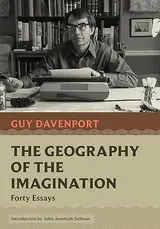
The Geography of the Imagination
by Guy DavenportWhat do Spinoza, Melville, Tolkien and Marianne Moore have in common? In Guy Davenport's hands, quite a lot. These forty essays treat art, music, sculpture and philosophy as one long conversation, with Davenport, who seemingly read and often translated everything, steering you from Greek culture to Whitman to Wittgenstein. The enthusiasm is unalloyed, the wit sharp, the erudition startling: each piece doubles as a tour through the history of ideas.
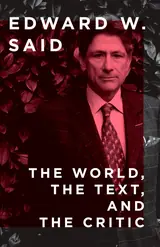
Come here for: Essay by essay rangeExpect: Layered critical digressionsThe World, the Text, and the Critic
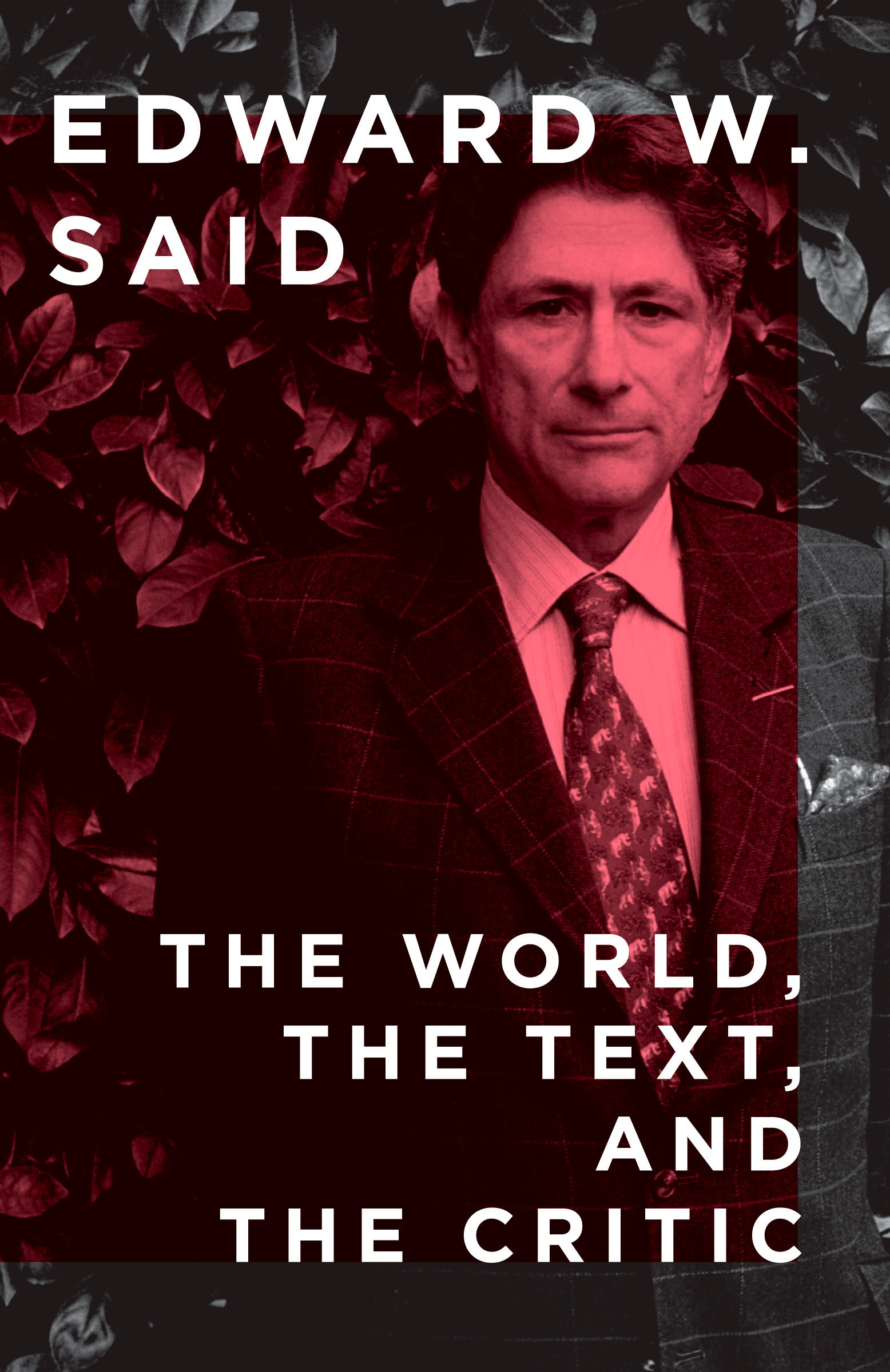
by Edward W. SaidEdward Said's charge is blunt: the dogmas of the dominant culture have crippled how literature gets read, bending every text to fit a theory while cutting the threads that tie it to the living world. Ranging from Derrida to Foucault, Marxism to psychoanalysis, Swift to Conrad, he argues for freedom of consciousness and responsiveness to history. It suits you best if you already know the theory wars and want a rigorous voice talking back.
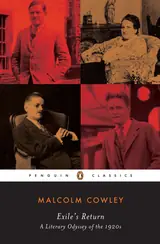
Exile's Return
by Malcolm CowleyIn the America of the 1920s, a crop of writers felt like strangers at home, so they left. Malcolm Cowley was one of them, and here he tells the story of the lost generation from the inside: Fitzgerald, Hart Crane, Hemingway, Wilder and Dos Passos decamping to Europe as exiles. Criticism and history braid together, so the books and the restless lives behind them come into focus at once.
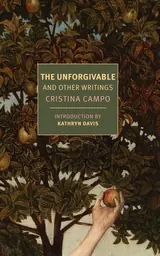
Come here for: Book-club argument fuelExpect: Classics-minded essaysThe Unforgivable
by Cristina Campo"I have written little," Cristina Campo once said, "and would like to have written less." Long admired in Italy, she left just two slim collections, from 1962 and 1971, and this volume joins them with further writings into her first full-length English portrait. Sprezzatura, Doctor Zhivago and the theophagic roots of the Latin liturgy all get the same exacting gaze, because for Campo every sentence was a spiritual discipline.
Come here for: Literary criticism with an appetite for the canonical and the esotericExpect: Stylish, lively sentences with a self-effacing castThe World Broke in Two
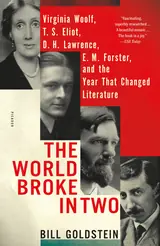
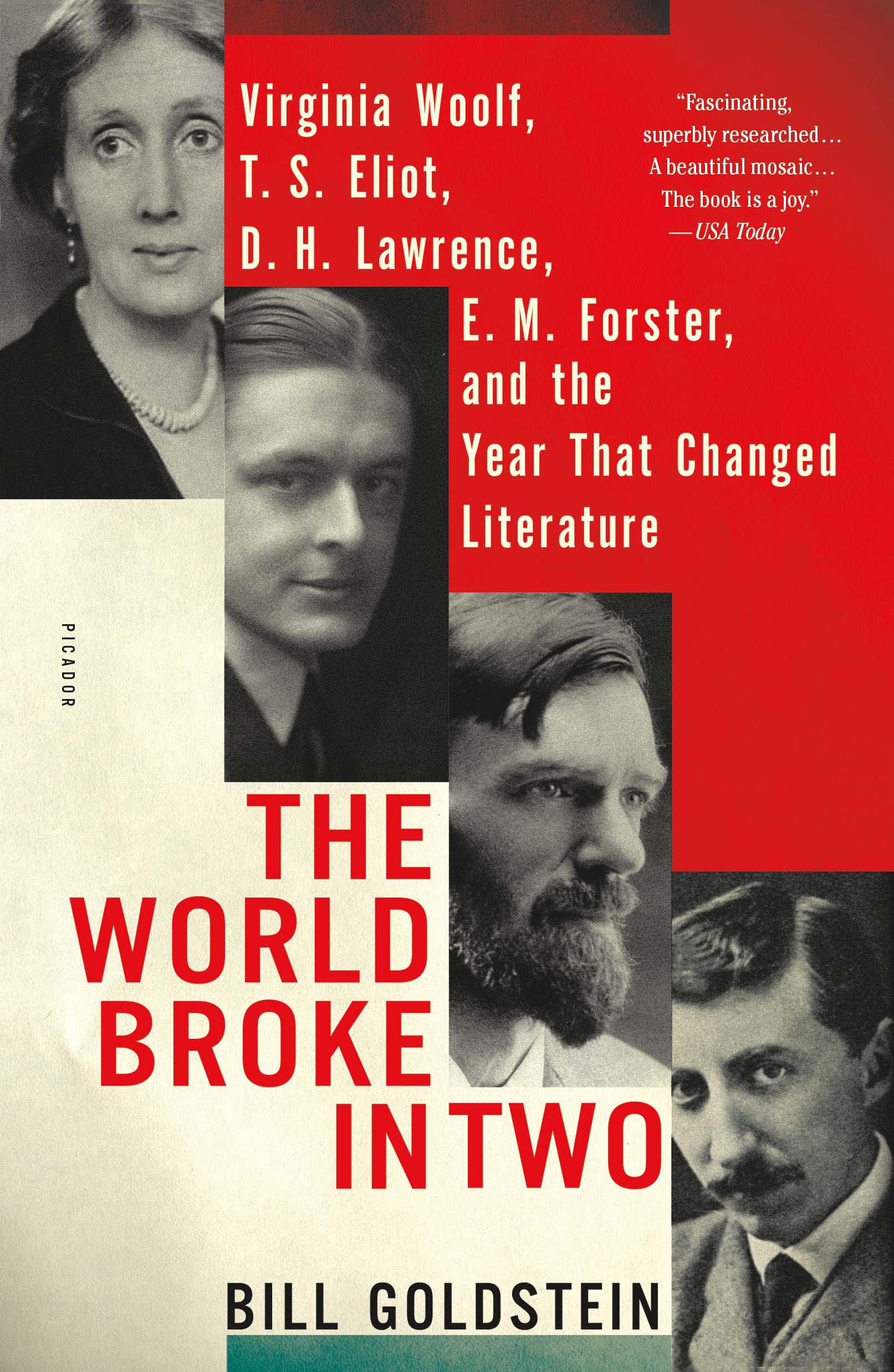
by Bill GoldsteinJanuary 1922: Virginia Woolf, T. S. Eliot, E. M. Forster and D. H. Lawrence are all, quite literally, at a loss for words. Ulysses lands in February, Proust reaches England in autumn, and by December Woolf has started Mrs. Dalloway, Forster is back at A Passage to India, Lawrence has written Kangaroo and The Waste Land is out. Bill Goldstein draws on original research to show modernism being invented in real time.
Come here for: Four major writers at a turning point in modernismExpect: Interwoven literary and personal journeysLost Time
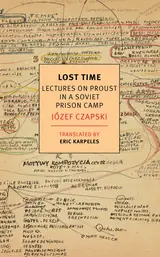
by Jozef CzapskiNo library, no copy of the novel, nothing but recollection: just a Polish painter and soldier, a Soviet prison camp, and Proust. Józef Czapski's wartime lectures, translated into English here for the first time by Eric Karpeles, unfold like Sheherazade's tales, night after night, for men at the end of their tether. Karpeles's introduction shows how talking about Proust reminded them that a world existed beyond the camp, and a future worth hoping for.
Come here for: Literary criticism shaped by close attention to Proust and memoryExpect: Proust’s characters and ideas brought vividly into view from memory



On Native Grounds
by Alfred KazinThe Blessing and the Curse
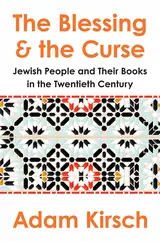
by Adam KirschCome here for: Essayistic sweep across Jewish books and twentieth-century historyExpect: Discussion-ready argumentJorge Luis Borges
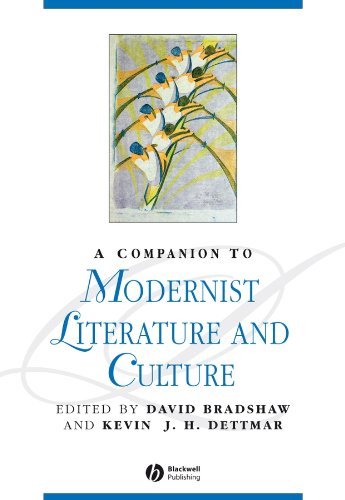
by Beatriz Sarlo, John KingA Companion to Modernist Literature and Culture
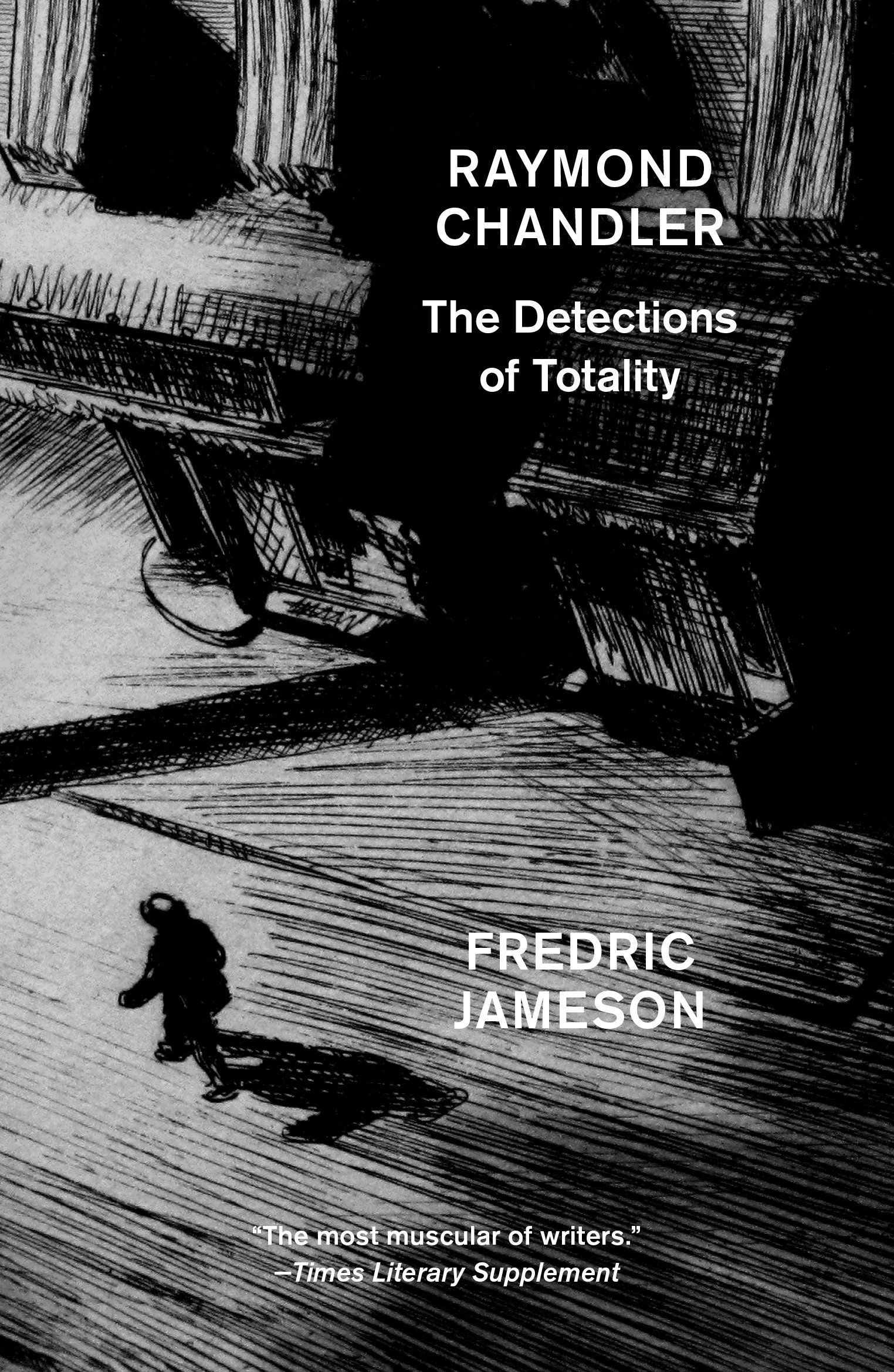
by David Bradshaw, Kevin J. H. DettmarCome here for: Entries on modernist culture and contemporary intellectual movementsExpect: More than 60 contributions from scholars of modernismRaymond Chandler
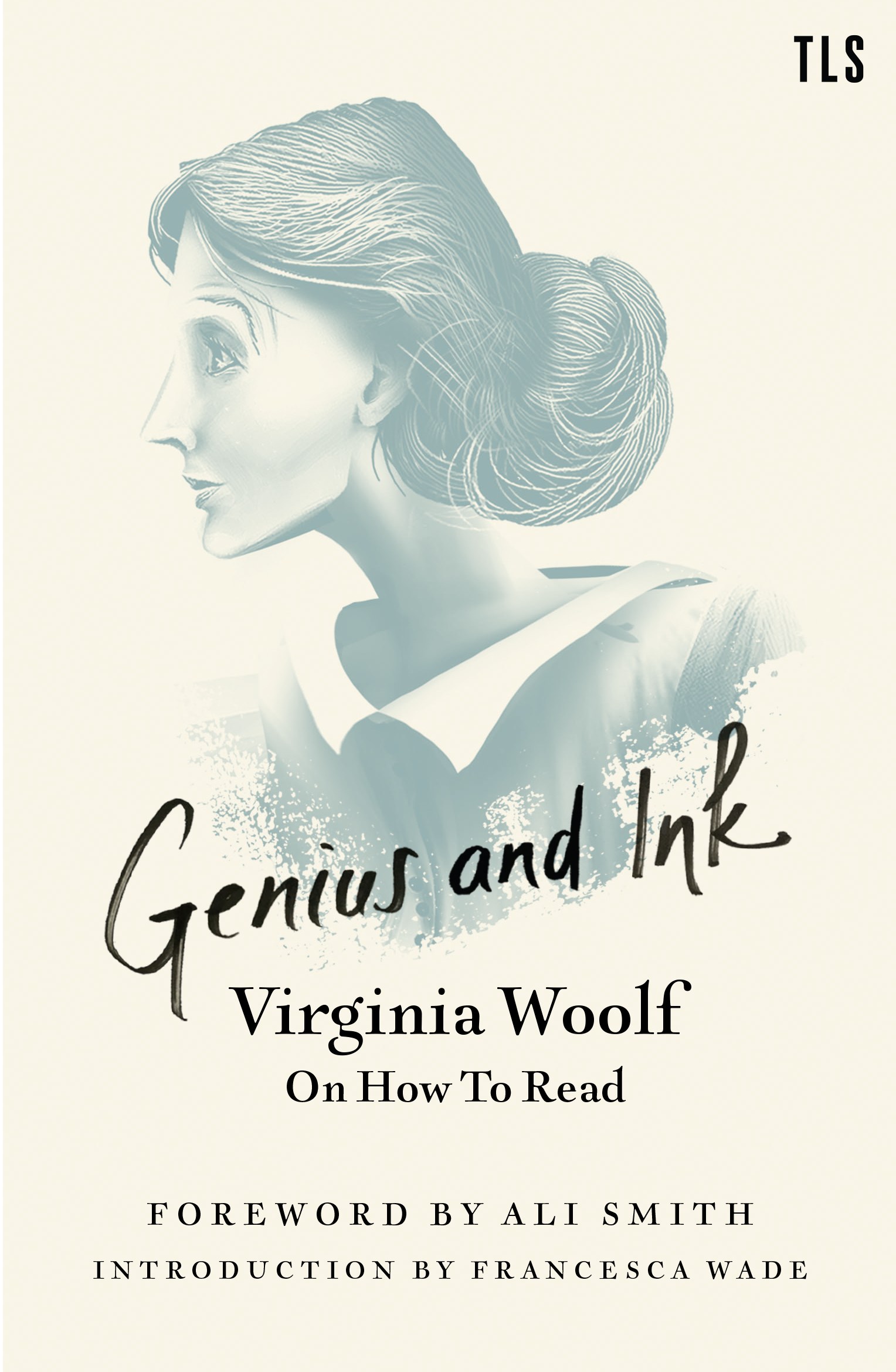
by Fredric JamesonCome here for: Chandler read through Jameson’s wide-angle lensExpect: Essayistic argument, not plot recapGenius and Ink: Virginia Woolf on How to Read
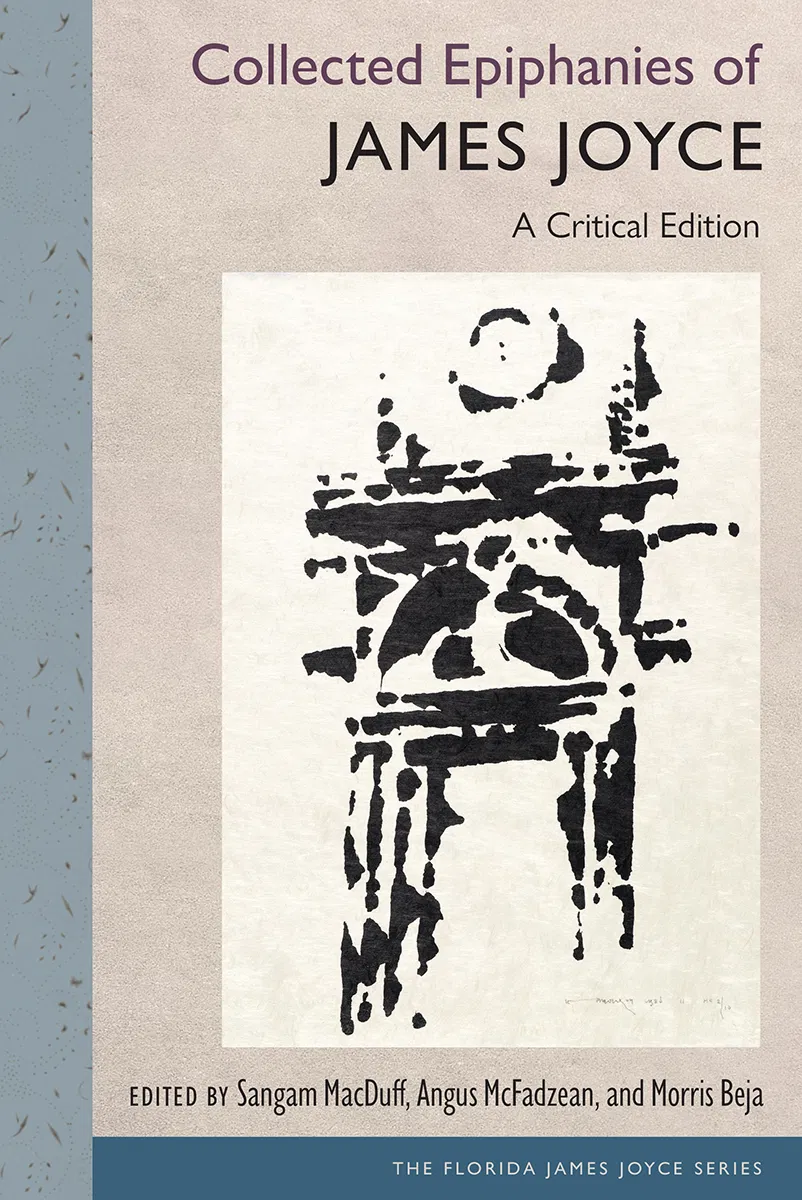
by Virginia WoolfCome here for: Woolf on reading, with a critic’s steady handExpect: Nonfiction criticism, not a plot-driven readCollected Epiphanies of James Joyce
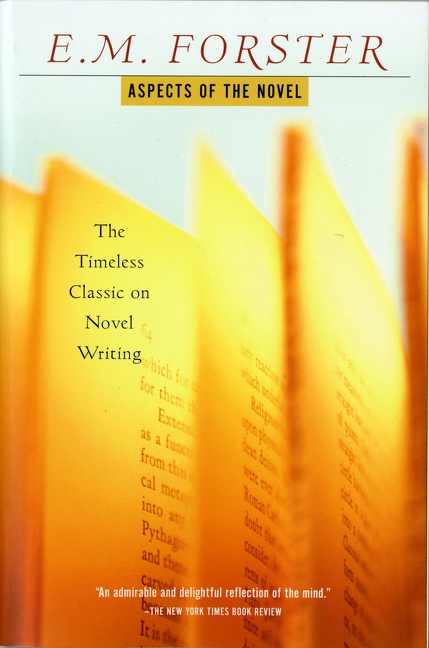
by Sangam MacDuff, Angus McFadzeanAspects Of The Novel
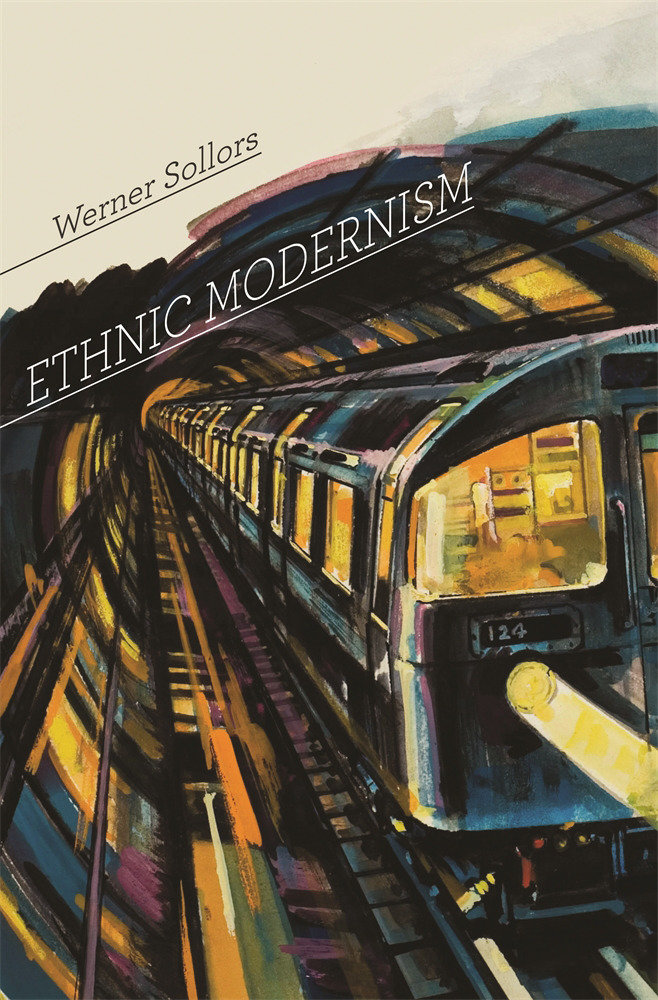
by E.M. ForsterCome here for: Seven elements, from story and character to pattern and rhythmExpect: Casual, sharply acute commentary rather than scholarly thicketsEthnic Modernism
by Werner SollorsCome here for: Close readings of major texts by African American and immigrant writersExpect: Single sentences and paragraphs as units of prose analysisThe Lyric Theory Reader
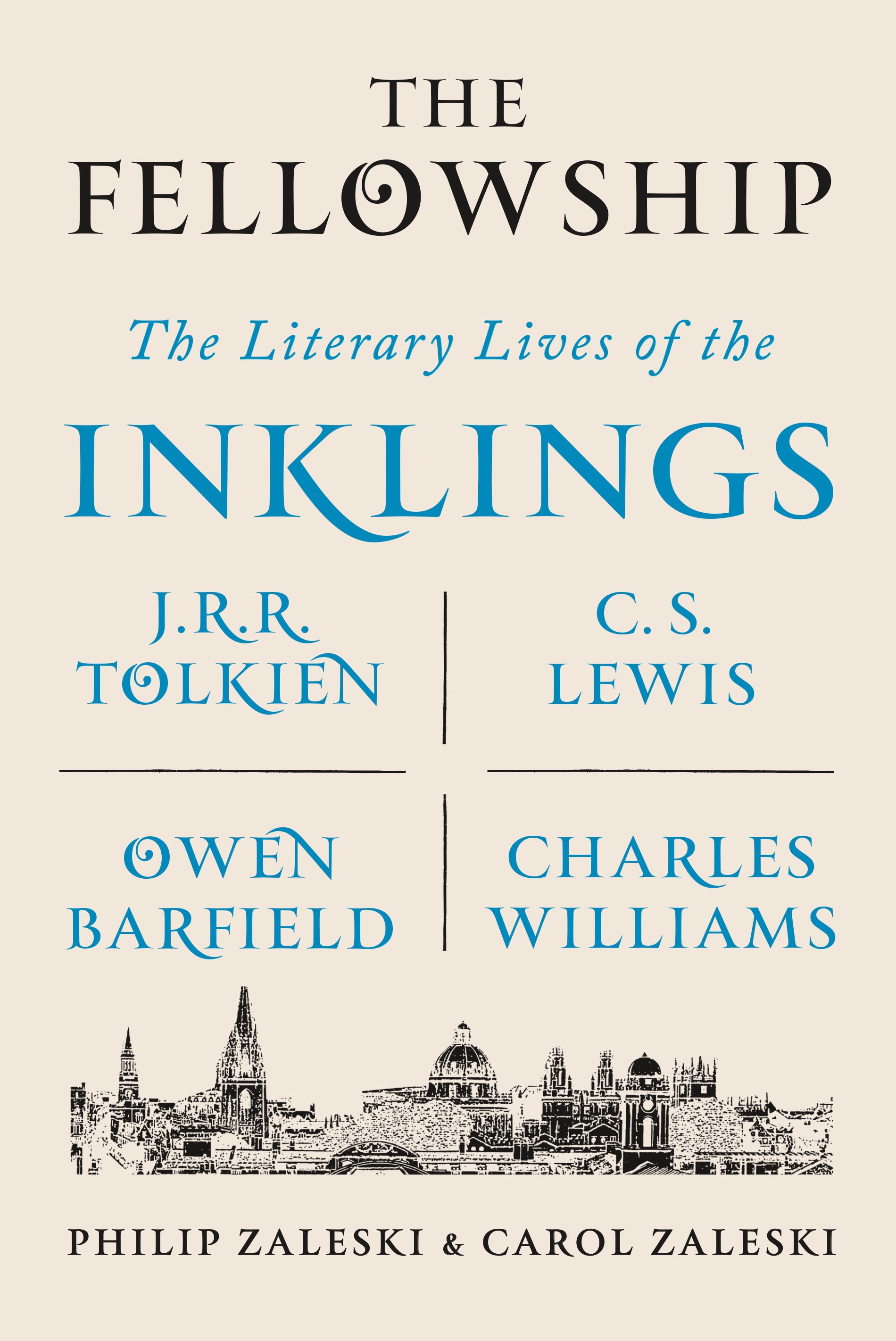
by Virginia Jackson, Yopie PrinsCome here for: Essays on genre theory and historical models of lyricExpect: Perspectives spanning New Criticism, structuralism, and post-structuralismThe Fellowship
by Philip Zaleski, Carol ZaleskiCome here for: Lewis, Tolkien, Barfield, and Williams in conversation across their lives and worksExpect: Interwoven accounts of ideas, affections, and vexationsTheory of Literature and Other Critical Writings
by Sōseki Natsume, Michael BourdaghsCome here for: A model of conscious literary readingExpect: Connections between reading, psychology, and sociologyBorges and His Fiction
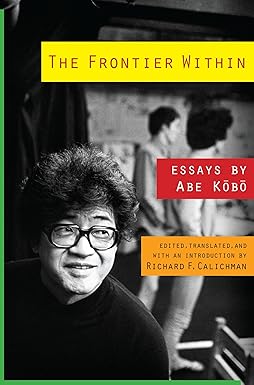
by Gene H. Bell-VilladaCome here for: Borges’s life and his stories in Ficciones and El AlephExpect: Revised interpretations of some storiesThe Frontier Within
by Kōbō AbeCome here for: Reflections on creativity and the evolution of the human speciesExpect: Twelve essays from across Abe's careerSilent Catastrophes
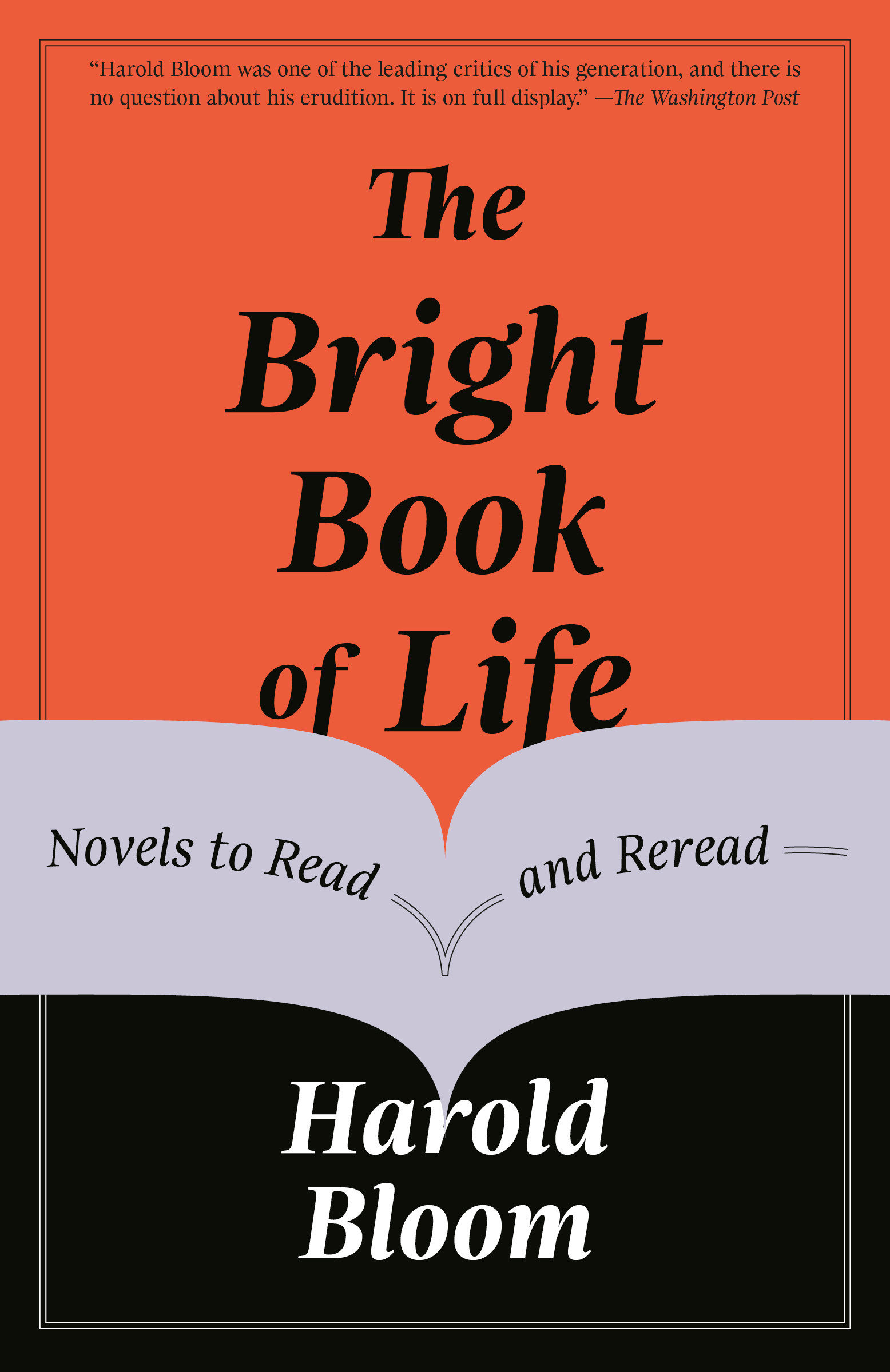
by W.G. SebaldCome here for: Close readings of Bernhard, Stifter, Kafka, Handke, Roth, and other Austrian writersExpect: Two essay books, first published in Austria in 1985 and 1991The Bright Book of Life
by Harold BloomCome here for: Novels to rereadExpect: Layered critical readingRoberto Bolaño's Fiction
by Chris AndrewsGothic and Modernism
by John Paul RiquelmeCome here for: Readings of Gothic traditions in modern worksExpect: Essays on writers including Wilde, Woolf, Beckett, Butler, and EllisUpdike
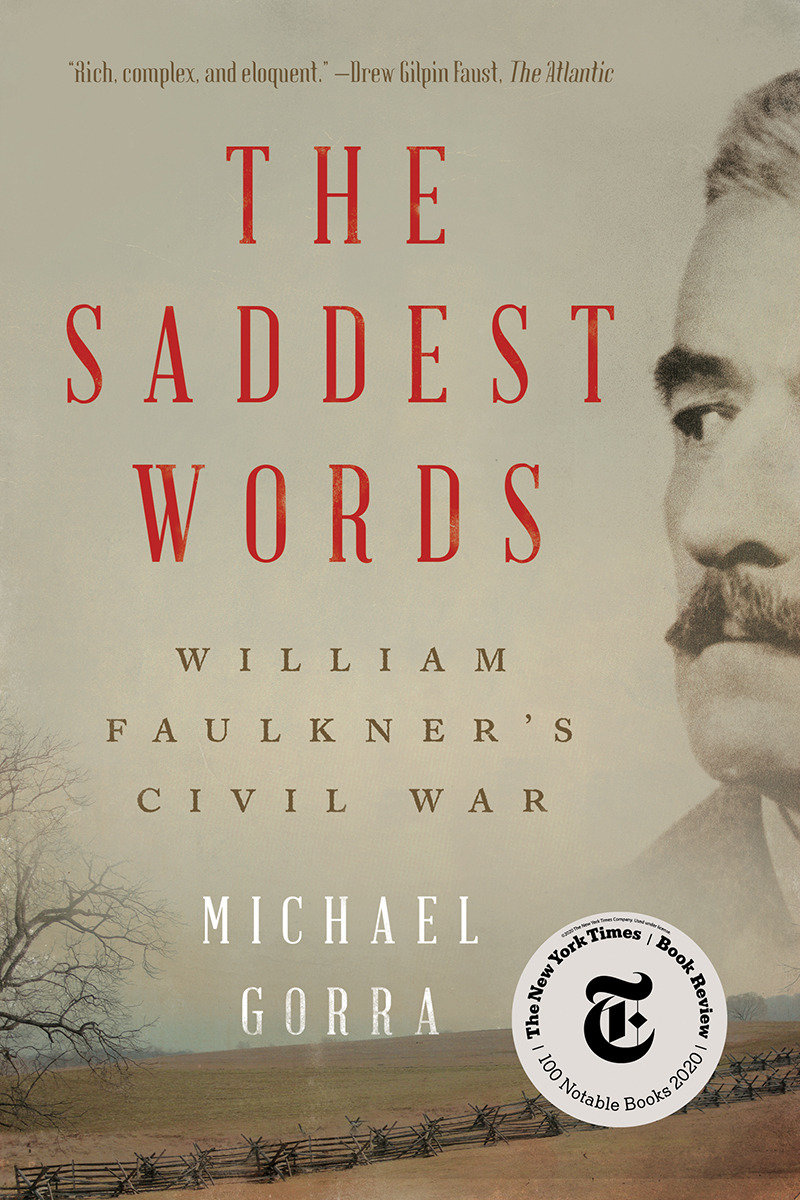
by Adam BegleyCome here for: A writer’s life read alongside the work it shapedExpect: An admiring but balanced portrait, alive to contradictionThe Saddest Words
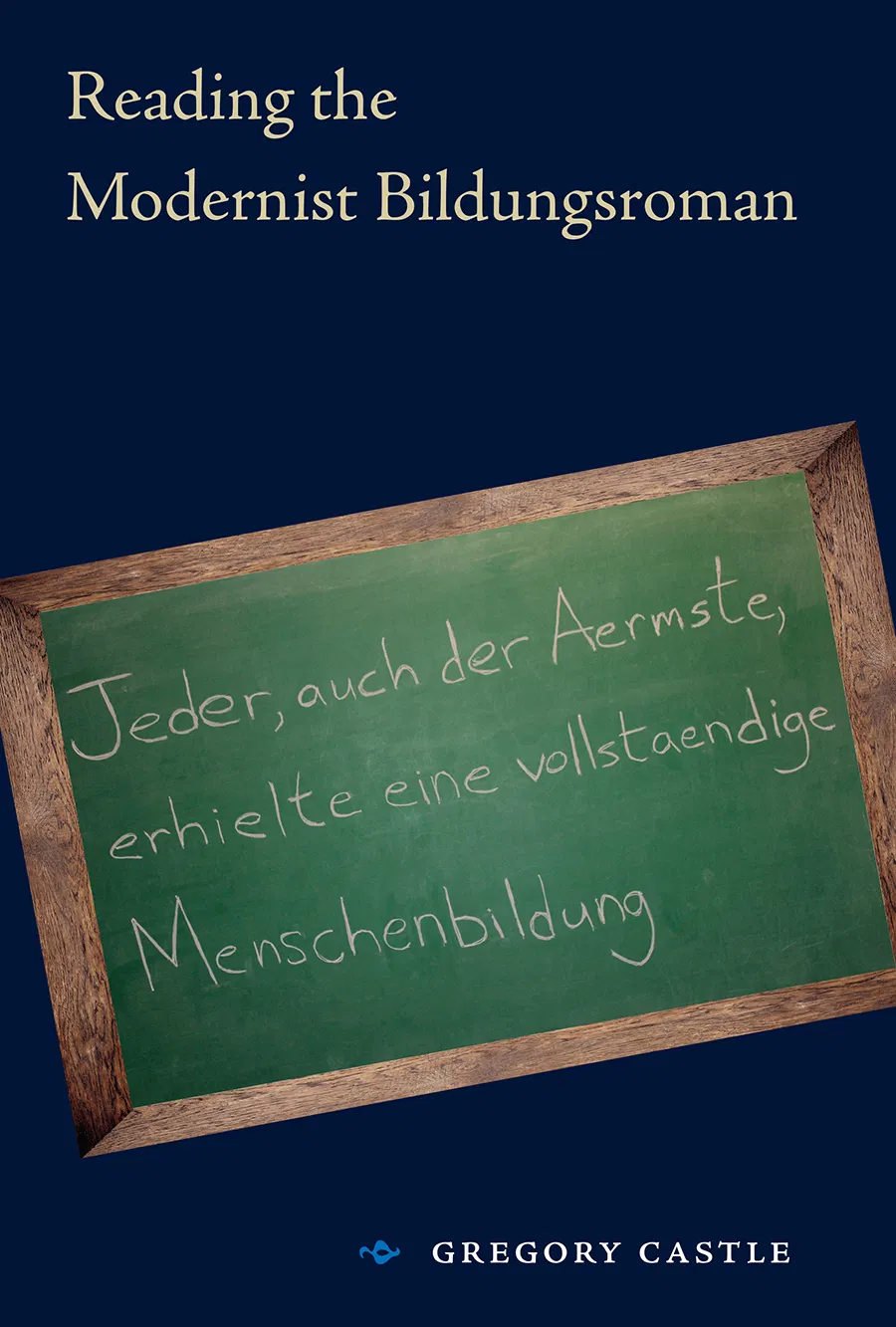
by Michael GorraCome here for: Faulkner considered through biography, fiction, and the South’s contested pastExpect: Biography, criticism, and travelogue woven togetherReading the Modernist Bildungsroman
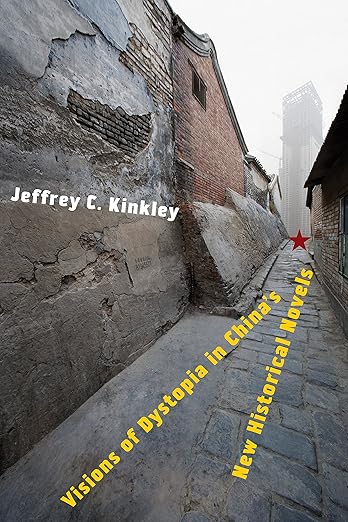
by Gregory CastleCome here for: The genre’s German roots and classical idea of BildungExpect: Discussion of D. H. Lawrence’s Sons and LoversVisions of Dystopia in China’s New Historical Novels
by Jeffrey C. KinkleyCome here for: How novels unsettle standard Communist and historical narrativesExpect: Magical realism in epic narrativesLu Xun's Revolution
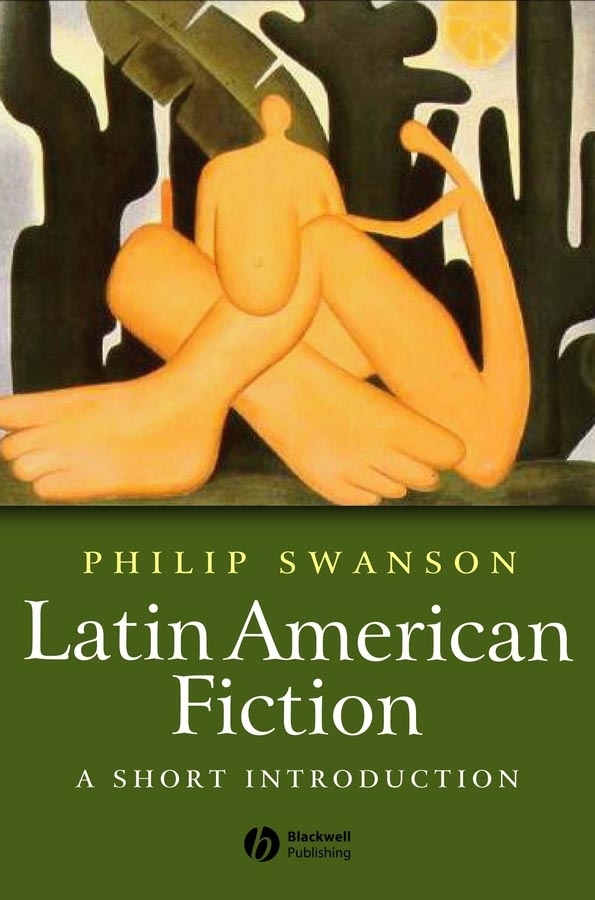
by Gloria DaviesCome here for: Lu Xun’s arguments with egalitarian and authoritarian currents in modern Chinese thoughtExpect: A portrait of Lu Xun in his turbulent time and placeLatin American Fiction
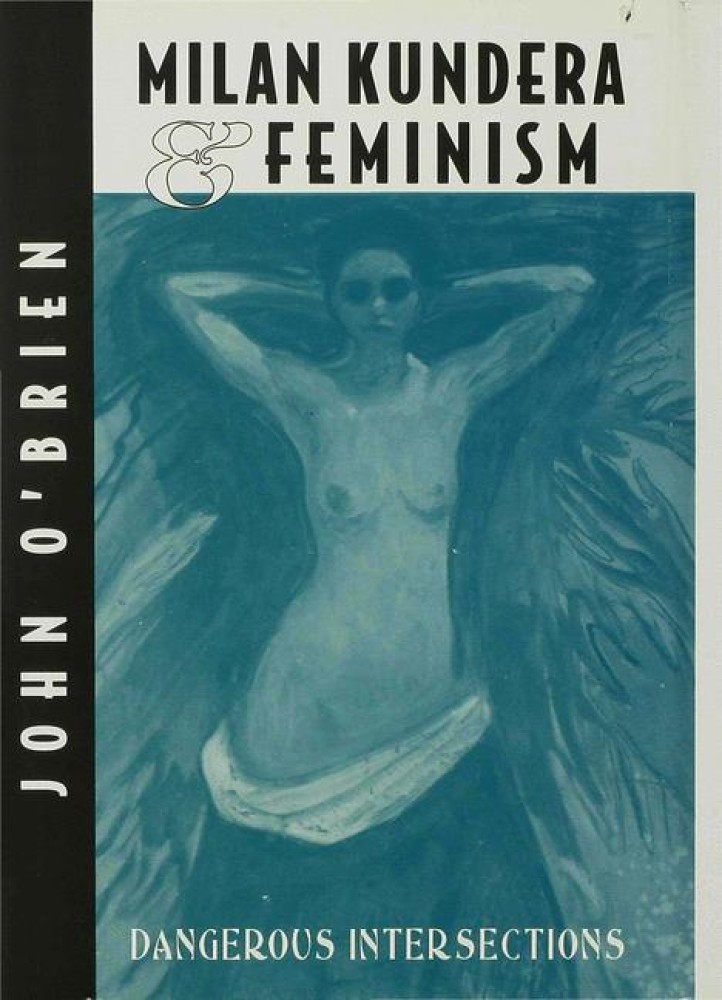
by Phillip SwansonCome here for: Cultural and political contexts for Latin American fictionExpect: Coverage from nation-building narratives through the Post-BoomMilan Kundera and Feminist Criticism
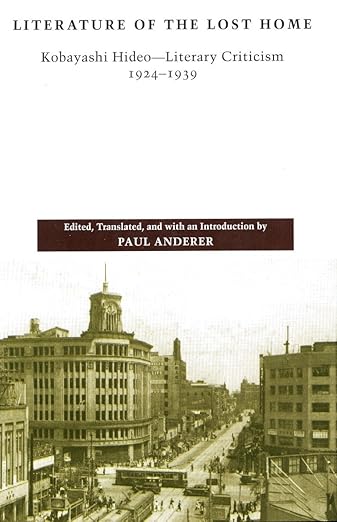
by J. O'BrienCome here for: A critique of how Kundera’s fiction represents womenExpect: Attention to Sabina as a way of reading KunderaLiterature of the Lost Home
by Hideo Kobayashi, Paul AndererCome here for: Kobayashi Hideo’s literary criticism from 1924 to 1939Expect: Literary criticism by Kobayashi HideoOrwell's Roses
by Rebecca SolnitCome here for: Roses as an unexpected lens on Orwell’s writing and politicsExpect: Literary reflection that moves between beauty and powerA Turbulent Decade Remembered
by Diana SorensenCome here for: The Cuban Revolution’s impact on the decade’s imaginationExpect: Attention to novels’ craft, space, voice, and varied readershipsThe Literature of China in the Twentieth Century
by Bonnie S. McDougall, Kam LouieCome here for: Poetry, drama, and fiction across three chronological sectionsExpect: Coverage from the Boxer Rebellion to the Tiananmen MassacreThe Modern Jewish Canon
by Ruth R. WisseCome here for: Questions about what makes a book JewishExpect: Work by Isaac Babel, Isaac Bashevis Singer, Elie Wiesel, and Cynthia OzickWhere it sits:Jewish Literary Criticism20th-Century Literary CriticismWalter Benjamin
by David S. FerrisCome here for: Benjamin’s analyses of mythExpect: A reading of image and technology in Benjamin’s art essayJames Joyce's Ulysses
by Stuart GilbertCome here for: Close reading in a serious keyExpect: Layered literary criticismO Canada
by Edmund WilsonCome here for: Studies of mostly contemporary Canadian writers and booksExpect: Historical context for Canada's religious situationWhere it sits:Canadian Lit Crit20th-Century Literary CriticismTales of Futures Past
by Paola IoveneCome here for: Anticipation as a lens on Chinese literary cultureExpect: A study spanning the 1950s through 2011Prose of the World
by Saikat MajumdarCome here for: A study of banality in modernist and contemporary fictionExpect: Discussion of James Joyce and Amit ChaudhuriWallace Stevens
by Helen VendlerCome here for: Close readings of shorter poems, attentive to both language and feelingExpect: Careful attention to the words shaping ordinary experienceMarcel Proust's Search for Lost Time
by Patrick AlexanderCome here for: A guide to the tangled cast, intricate plot, and cultural context.Expect: Character guides, maps, family trees, and illustrations to help you keep your bearings.Some Sort of Genius
by Paul O'KeeffeCome here for: Lewis’s work and life within twentieth-century modernismExpect: Vorticism, the avant-garde movement Lewis launched in 1914New Literature and Philosophy of the Middle East
by J. MohagheghMurder Most Modern
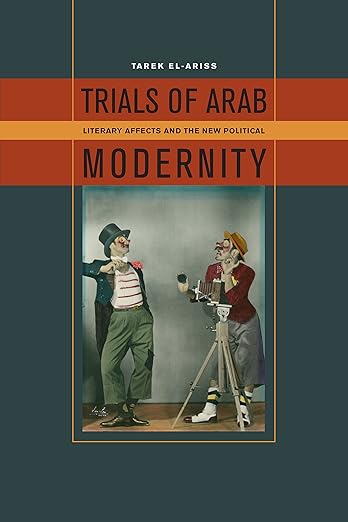
by Sari KawanaCome here for: Interwar Japanese detective fiction alongside Poe, Hammett, and ChristieExpect: Comparisons between Japanese writers and English-language detective fictionTrials of Arab Modernity
by Tarek El-ArissCome here for: Close readings of works by six Arab authorsExpect: Engagement with affect theory, deconstruction, and psychoanalysisThe Guide to James Joyce's Ulysses
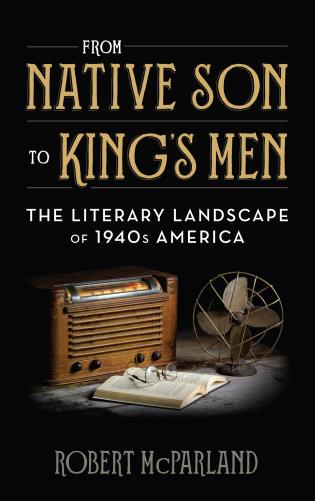
by Patrick HastingsCome here for: Readable chapter-by-chapter guidance through a famously challenging novelExpect: A voice that stays close to Joyce’s text without losing its sense of funFrom Native Son to King's Men
by Robert McParlandCome here for: Examinations of notable works by Baldwin, Faulkner, Petry, and other 1940s writersExpect: A literary view of the decade’s cultural climateUlysses Unbound
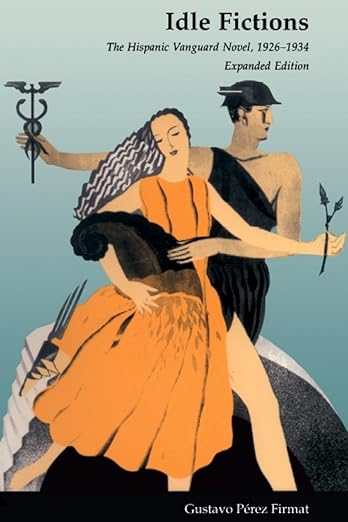
by Terence KilleenCome here for: Clear guideposts through JoyceExpect: Accessible explanationsIdle Fictions
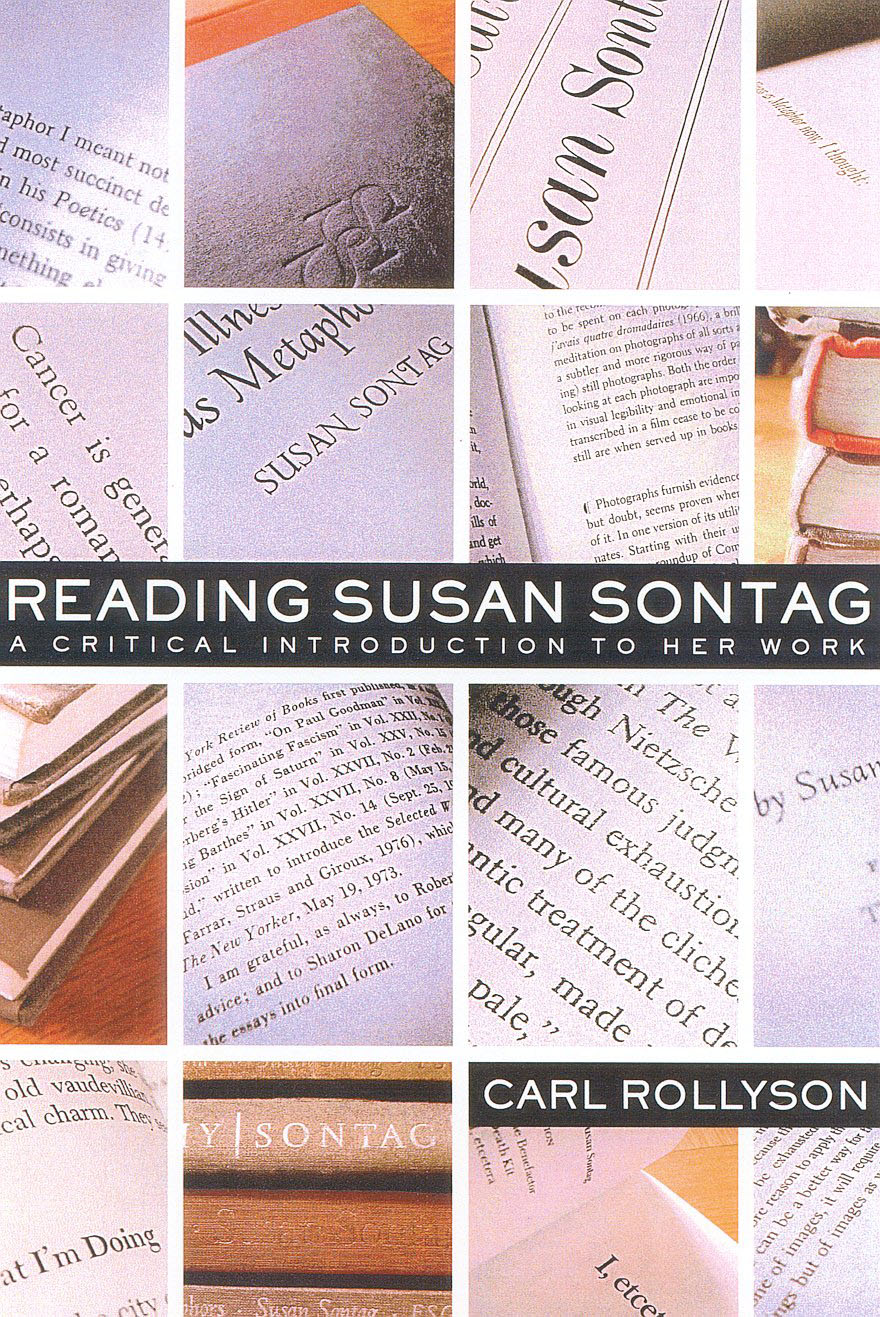
by Gustavo Pérez FirmatCome here for: How playful vanguard novels challenged the modern Hispanic novel’s literary hierarchyExpect: Novels from Spain and Spanish America, 1926–1934Reading Susan Sontag
by Carl RollysonCome here for: Chapter discussions move from synopsis to Sontag’s views and critical commentaryExpect: A glossary defines terms and traces allusions across her essaysImre Kertesz and Holocaust Literature
by Steven Tötösy de Zepetnek, Louise O. VasváriCome here for: Scholarly papers on Imre Kertész’s workExpect: A bibliography of studies about his work in several languagesIncomparable Empires
by Gayle RogersCome here for: Networks linking American and Spanish writers, translators, and literary movementsExpect: Comparative literary history from universities to Harlem–Havana–MadridThe Waste Land
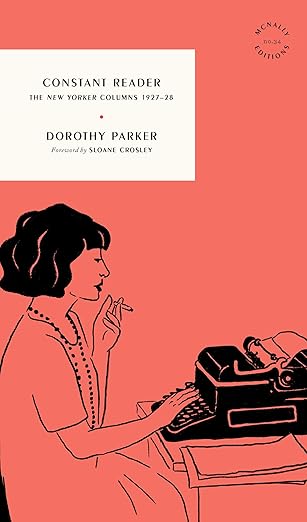
by T.S. Eliot, Valerie EliotCome here for: Color facsimiles of Eliot’s manuscript pagesExpect: The original manuscript, reproduced in vivid colorConstant Reader
by Dorothy ParkerCome here for: Wry literary essaysExpect: Familiar-author pullThe Typographic Imagination
by Nathan ShockeyCome here for: Bookseller trade circulars and language reform debatesExpect: Print’s roles as both commodity and medium for public discourseJ.r.r. Tolkien
by Tom ShippeyCome here for: A closer look at Middle-earth as a linguistic and cultural mapExpect: Thoughtful questions about myth and the nature of evilLiterature Of Modern Arabia
by JayyusiWhere it sits:Middle Eastern Lit Crit20th-Century Literary Criticism