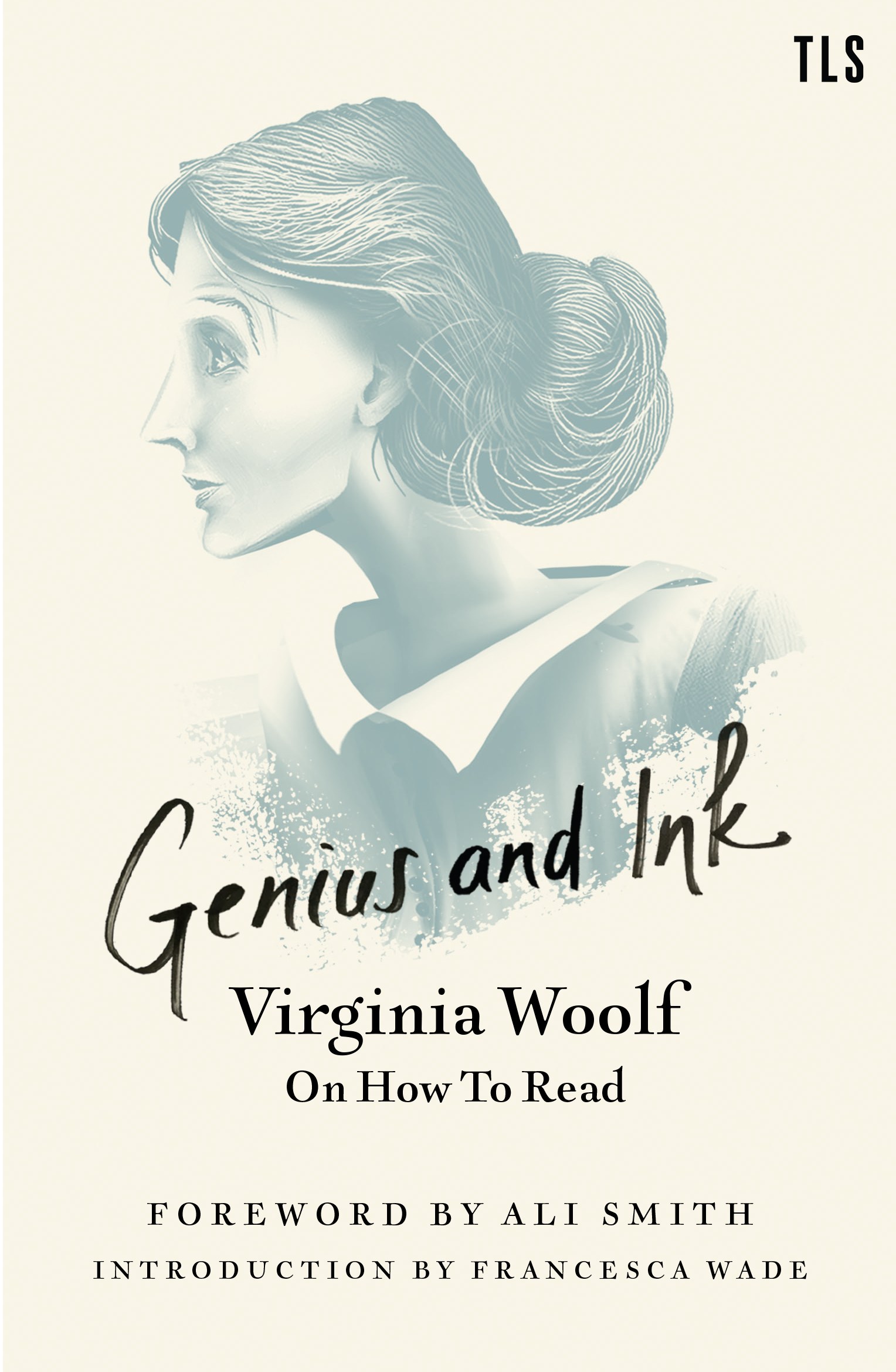
Genius and Ink: Virginia Woolf on How to Read
A compact Woolf companion for reading closely, thinking sharply, and keeping your pencil nearby.
Reading Closely
Come here for
- Woolf on reading, with a critic’s steady hand
- A serious, browsable guide to classic novels
Expect
- Nonfiction criticism, not a plot-driven read
- Layered, reference-friendly essays
Where it sits
How strongly BookFrontier reads the book as belonging to each subject.
Nearest books
Matched by our semantic model. Ordered by what its readers also loved.
 The World Broke in TwoBill Goldstein62% subject matchShares 20th-Century Literary Criticism
 How to Be a HeroineSamantha Ellis55% subject matchShares Books & Reading
 Orlando: A BiographyVirginia Woolf58% subject match
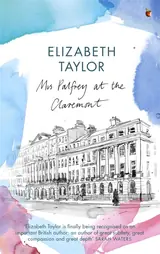 Mrs Palfrey at the ClaremontElizabeth Taylor56% subject match
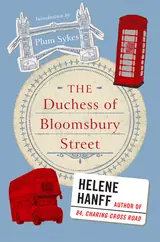 The Duchess of Bloomsbury StreetHelene Hanff54% subject match
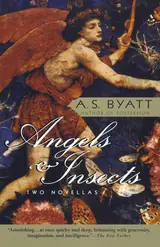 Angels & InsectsA. S. Byatt51% subject match
For younger readers: Reflections
Start with three books, and this one can be the first.
Members get a new edition every morning: a route out from their books to essays, research and talks, with the reason for each.
Sign upAbout this book
FOREWORD BY ALI SMITH WITH AN INTRODUCTION BY FRANCESCA WADE Who better to serve as a guide to great books and their authors than Virginia Woolf? In the early years of its existence, the Times Literary Supplement published some of the finest writers in English: T. S. Eliot, Henry James and E. M. Forster among them. But one of the paper’s defining voices was Virginia Woolf, who produced a string of superb essays between the two World Wars.
Continue reading
The weirdness of Elizabethan plays, the pleasure of revisiting favourite novels, the supreme examples of Charlotte Brontë, George Eliot and Henry James, Thomas Hardy and Joseph Conrad: all are here, in anonymously published pieces, in which may be glimpsed the thinking behind Woolf’s works of fiction and the enquiring, feminist spirit of A Room of One’s Own . Here is Woolf the critical essayist, offering, at one moment, a playful hypothesis and, at another, a judgement laid down with the authority of a twentieth-century Dr Johnson. Here is Woolf working out precisely what’s great about Hardy, and how Elizabeth Barrett Browning made books a “substitute for living” because she was “forbidden to scamper on the grass”. Above all, here is Virginia Woolf the reader, whose enthusiasm for great literature remains palpable and inspirational today.
Publisher details
Publisher categories
- Lives in Journalism
- Essay Collections
- Feminist Lit Crit
- British & Irish Literary Criticism
- Authors
- Virginia Woolf
- Publisher
- HarperCollins Publishers
- Published
- November 12, 2020
- Format
- Paperback
- Reading lane
- Lives in Journalism