English, Irish, Scottish, Welsh Criticism
From Tyndale's sermons to Keats's death mask, here is criticism that treats the English literary past as a live argument.
Optimized for books about english, irish, scottish, welsh.
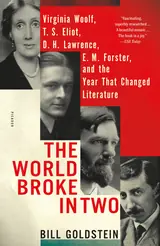
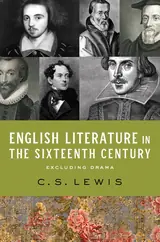
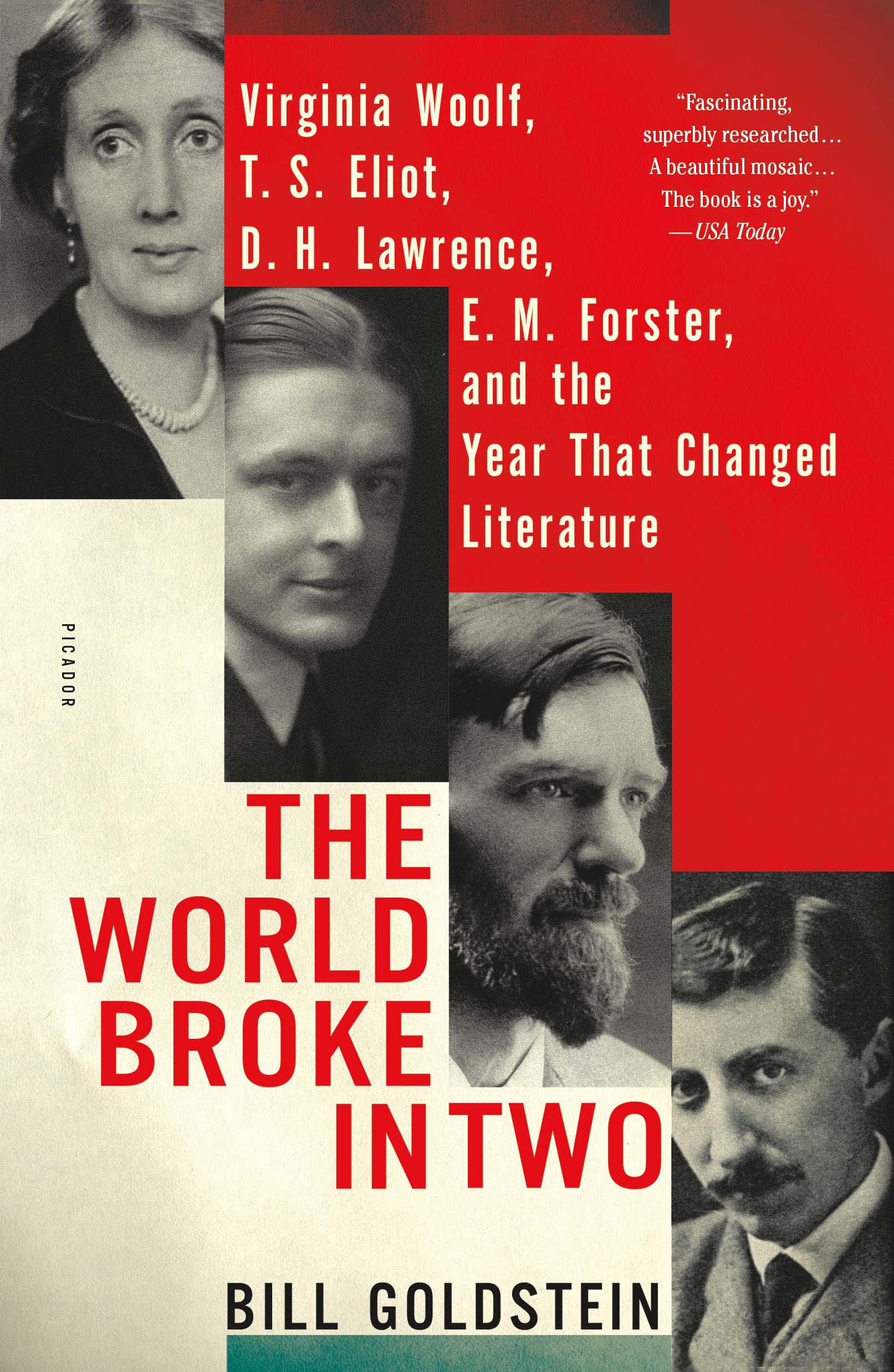
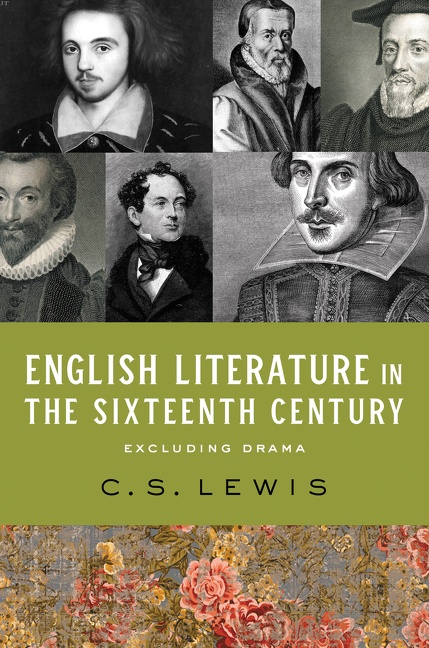
The best criticism reads like detective work, and this corner of the shelf proves it. These books ask how English writing became what it is: who was stuck, who broke through, and whose comforts were paid for by whom. The World Broke in Two drops you into 1922 with Woolf, Eliot, Forster and Lawrence all at a loss for words. The Trembling Hand turns the sugar in Wordsworth's teacup into a reckoning with Romanticism and the slave economy. English Literature in the Sixteenth Century (excluding Drama) hands the sixteenth century to C. S. Lewis and lets him lead. If you keep a pencil in your margins and an opinion about "The Waste Land," pull up a chair.
Our reading of each book:Come here forExpectWhere it sits
The World Broke in Two
by Bill Goldstein"The world broke in two in 1922 or thereabouts," Willa Cather said, and Bill Goldstein takes her at her word. January finds Woolf, Eliot, Forster and Lawrence stalled. December finds Mrs. Dalloway begun, A Passage to India back on the desk, Kangaroo written and "The Waste Land" out in the world. In between, Ulysses lands in February and Proust reaches England by autumn, all of it built on original research.
Come here for: Four major writers at a turning point in modernismExpect: Interwoven literary and personal journeysWilliam Tyndale, John Knox and Thomas Cranmer get the same careful hearing here as Spenser, Marlowe and Donne. C. S. Lewis treats the prose and verse of one of history's most consequential periods as a single conversation, and shows along the way how that reading shaped his own critical thinking. The scope is magisterial and the pace stays brisk, which makes it essential for the serious period scholar, the intellectual Anglophile and anyone working through Lewis's shelf.
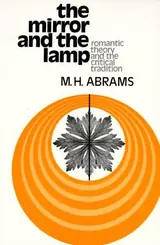
Come here for: Classroom-ready referenceExpect: History-facing literary criticismThe Mirror and the Lamp
by Meyer H. AbramsWhat happened to English criticism once Romantic theory had rewritten the rules? M. H. Abrams answers with a serious, sustained study that traces those changing currents with the patience they deserve. It is a book to read slowly, notes at your elbow, letting each strand of the argument settle. It rewards you most if you want the theoretical foundations under the criticism you already love.
Come here for: A serious study of English criticism’s shifting currentsExpect: Critical analysis across the first four decades of the twentieth centuryA Companion to Modernist Literature and Culture
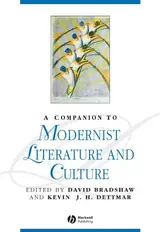
by David Bradshaw, Kevin J. H. DettmarThink of it as a whole reference shelf in one binding. Editors David Bradshaw and Kevin J. H. Dettmar set the essential texts of modernism against their contexts, with 25 essays devoted to signal works and coverage reaching into every genre of modernist writing and art. Scholars from both sides of the Atlantic, many with careers spent on modernism, do the explaining. Students and teachers will reach for it all term; keep it beside the syllabus.
Come here for: Entries on modernist culture and contemporary intellectual movementsExpect: More than 60 contributions from scholars of modernismThe Trembling Hand
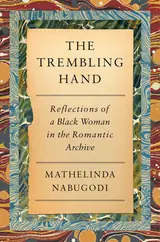
by Mathelinda NabugodiA scrap of Coleridge's handwriting. Byron's silk-lined leather boot. Percy Shelley's gilded baby rattle. Mathelinda Nabugodi uses objects like these to frame her inquiry, then follows them outward to the displacement and stolen labor of millions in an age whose favorite words were freedom, liberty and autonomy. The Romantics come out far more complicated, and Nabugodi sets her own story beside theirs, so past and present keep talking to each other.
The Antinomies of Realism
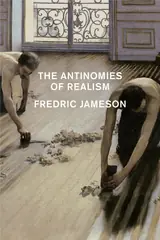
by Fredric JamesonWhy can no one write like Zola, Tolstoy, Pérez Galdós or George Eliot anymore, and why does the novel still live in their shadow? Fredric Jameson digs into the social and historical conditions that made realism possible, without a trace of nostalgia. The book ends in the present, with Hilary Mantel's historical fiction and David Mitchell's stylistic plurality as test cases for new realities. Best for those happy to wrestle with theory on its own terms.
Come here for: Philosophical literary criticismExpect: Dense critical prose

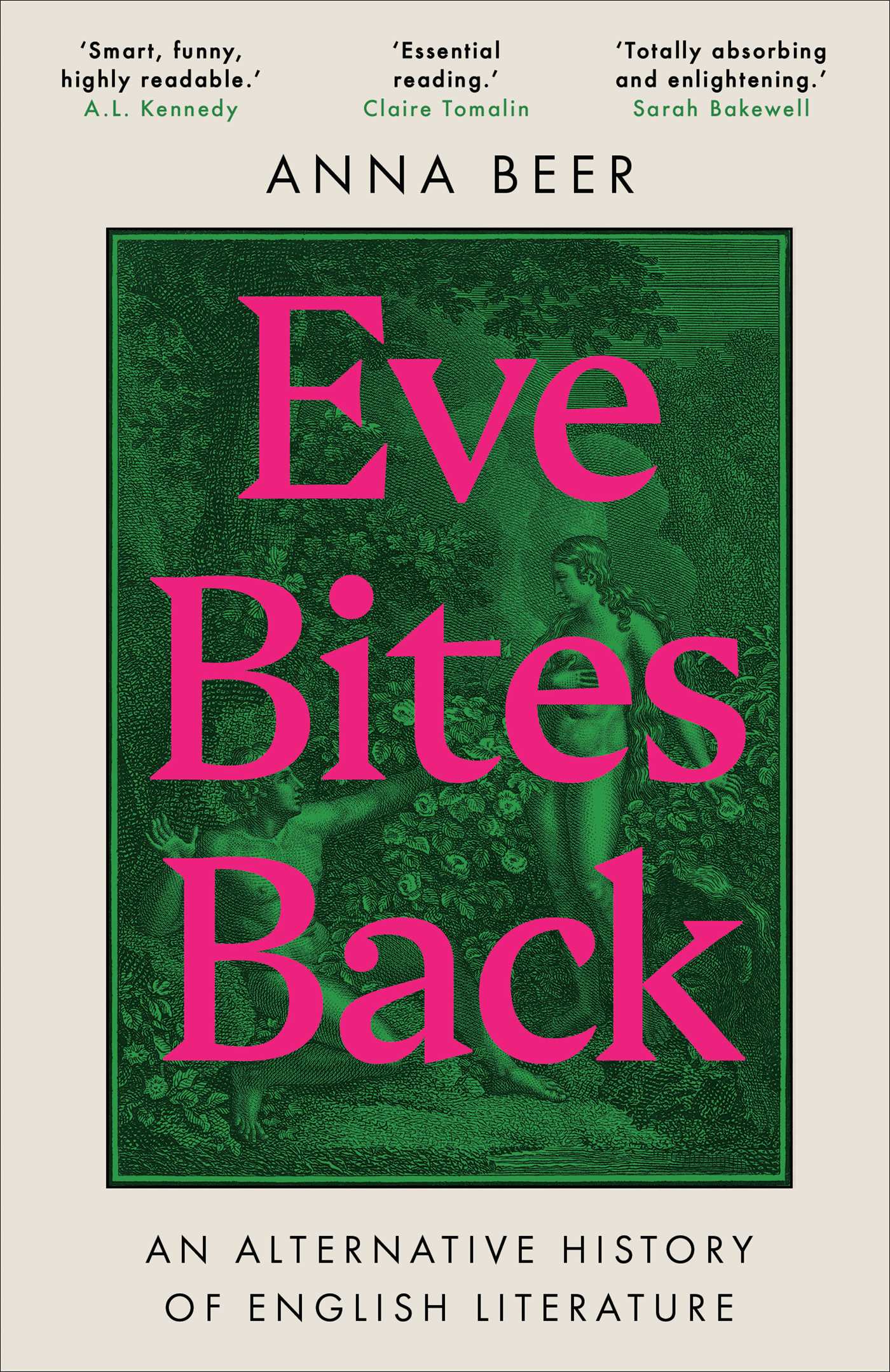
Eve Bites Back
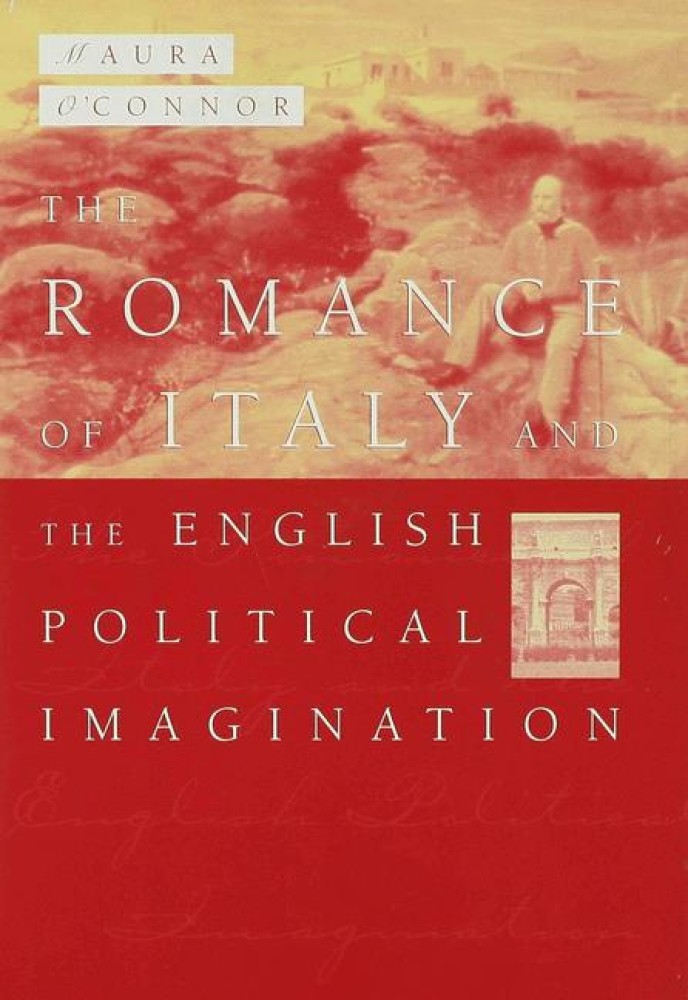
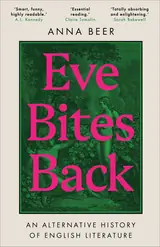
by Anna BeerCome here for: A sly, corrective tour of English literatureExpect: Women writers pulled into viewThe Romance of Italy and the English Imagination
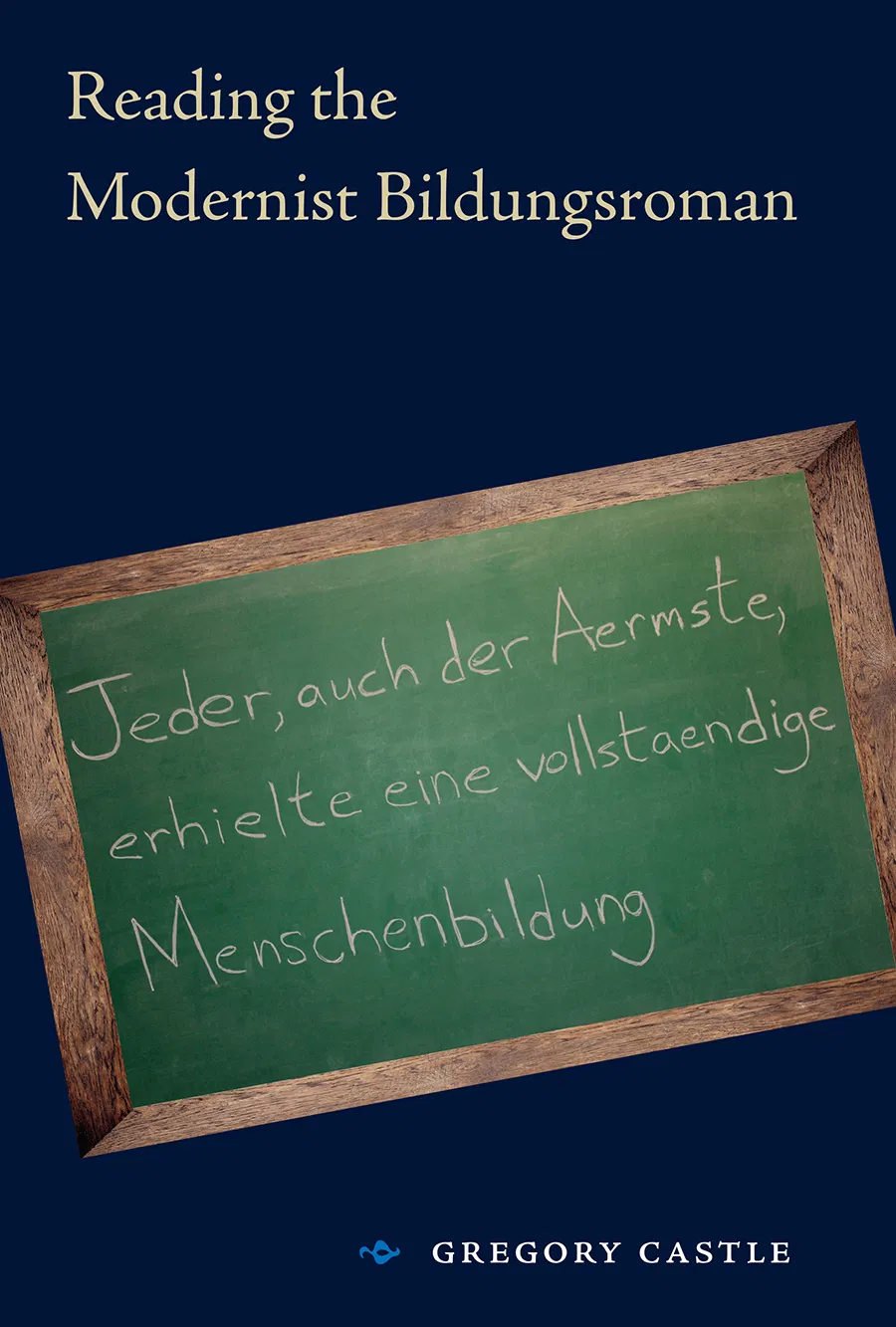
by Maura O'ConnorCome here for: English middle-class fascination with Italy from the early 1800s through the 1860sExpect: Cultural readings of travel writing and popular pressReading the Modernist Bildungsroman
by Gregory CastleCome here for: The genre’s German roots and classical idea of BildungExpect: Discussion of D. H. Lawrence’s Sons and LoversMore Adventures with Britannia
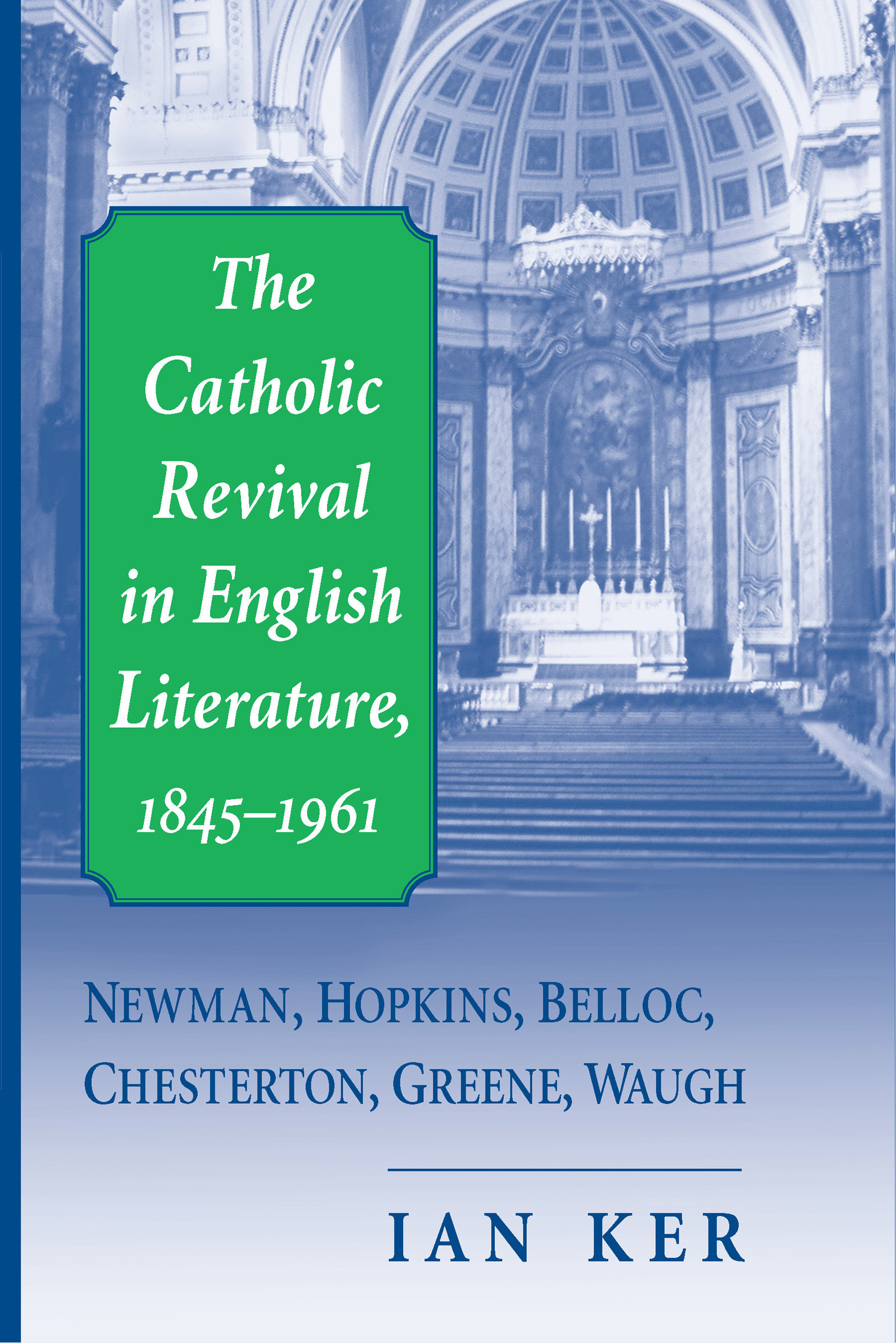
by Wm. Roger LouisCome here for: Writers’ interpretations of modern British literature and historyExpect: Personalities, politics, and culture across England, Wales, Scotland, and Ireland- Come here for: Newman, Hopkins, Belloc, Chesterton, Greene, and Waugh in literary contextExpect: A recurring motif: the Catholic priest as craftsman
James Joyce's Ulysses
by Stuart GilbertCome here for: Close reading in a serious keyExpect: Layered literary criticismMargaret Drabble on the Romantics
by Margaret DrabbleCome here for: Connections between writers and places, from the Lake District to CornwallExpect: Rural landscapes ranging from roaring seas to tranquil villagesThe Most Dangerous Book
by Kevin BirminghamCome here for: Literary history with real stakesExpect: Essayistic close readingThe Soul of Man under Socialism
by Oscar WildeCome here for: Essays and reviews from Wilde’s more serious reading lifeExpect: Playful wit beside literary and philosophical reflectionModern and Contemporary Irish Drama
by John P. HarringtonA Short History of English Renaissance Drama
by Helen HackettCome here for: The origins of Renaissance theatre in communal religious dramaExpect: Elizabethan and Jacobean playhouse conditionsAbinger Harvest
by E.M. ForsterHomeless Dogs and Melancholy Apes
by Laura S. BrownCome here for: Eighteenth-century lapdogs in works by Pope and his contemporariesExpect: Animal figures used to explore human identity and self-definitionThe Guide to James Joyce's Ulysses
by Patrick HastingsCome here for: Readable chapter-by-chapter guidance through a famously challenging novelExpect: A voice that stays close to Joyce’s text without losing its sense of fun- Come here for: Political and cultural agitation in British salonsExpect: Guests including Byron, Moore, and Thackeray
Reading with Jane Austen
by Elaine BanderCome here for: A rereading of Austen’s novels in late Georgian literary and intellectual contextExpect: Begins with “Catharine, or The Bower” and ends with “Sanditon”Inventiones
by Monika OtterCome here for: Inventiones and the discovery of saints’ relicsExpect: Questions about truth and historical representationUlysses Unbound
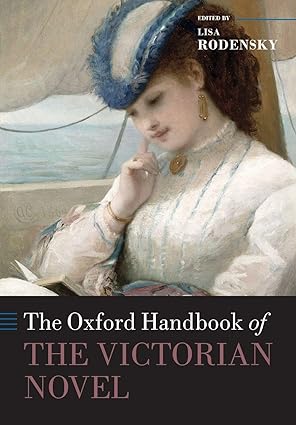
by Terence KilleenCome here for: Clear guideposts through JoyceExpect: Accessible explanationsThe Oxford Handbook of the Victorian Novel
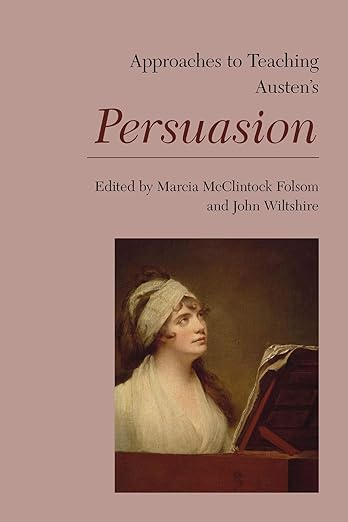
by Lisa RodenskyCome here for: New approaches to the novel and scienceExpect: A detailed introduction and 36 newly commissioned chaptersApproaches to Teaching Austen's Persuasion
by Marcia McClintock Folsom, John WiltshireCome here for: Classroom resources, criticism, and multimedia suggestionsExpect: Essays on free indirect discourse and Austen’s social worldJane Austen in 50 Words
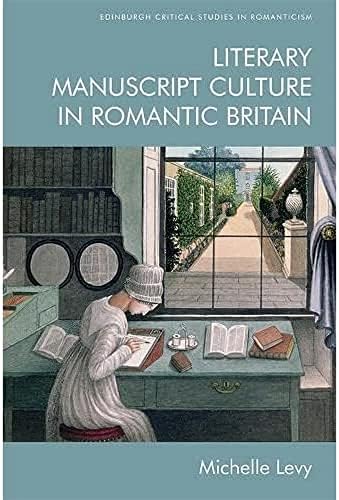
by Maria FrawleyCome here for: Short entries on 50 words woven through Austen’s fictionExpect: Entries on words including “gentility,” “indolence,” “air,” and “address”Literary Manuscript Culture in Romantic Britain
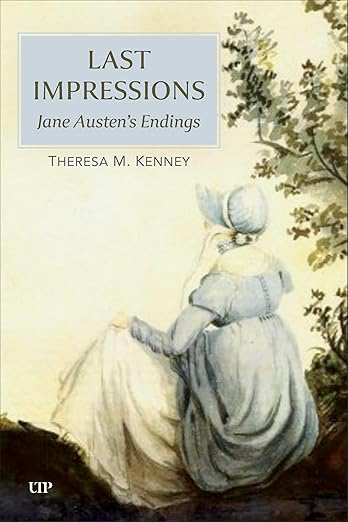
by Michelle LevyCome here for: How handwritten documents were written, shared, altered, and preservedExpect: Manuscripts as instruments of expression and sociabilityLast Impressions
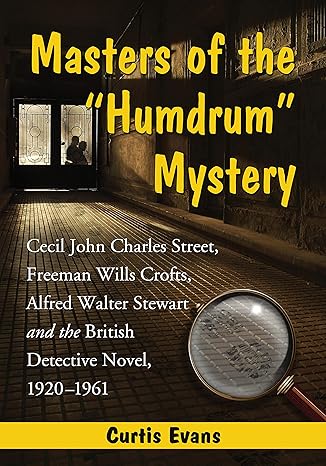
by Theresa M. KenneyCome here for: Analysis of Austen’s final chapters across six major novels and Lady SusanExpect: Close attention to final chapters and narrative architectureMasters of the "Humdrum" Mystery
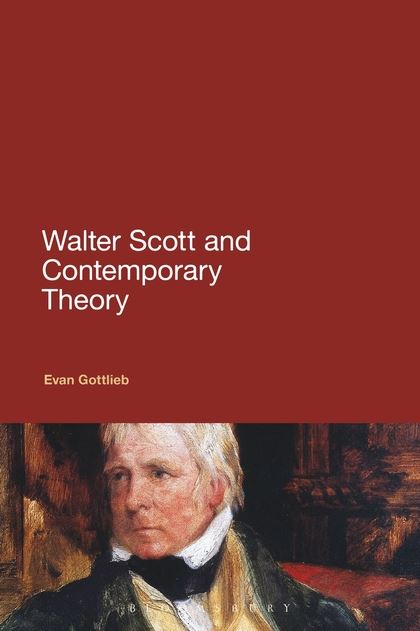
by Curtis EvansCome here for: Close readings of Cecil Street, Freeman Wills Crofts, and Alfred Walter StewartExpect: Criticism of the “Humdrum” label Julian Symons applied to detective writersWalter Scott and Contemporary Theory
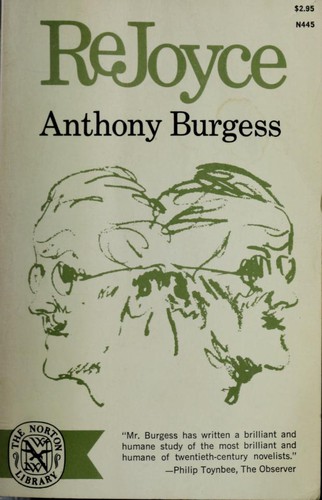
by Evan GottliebCome here for: Pairings of Scott's early and later novels with theoretical conceptsExpect: Readings of Waverley, Rob Roy, Ivanhoe, and RedgauntletRe Joyce
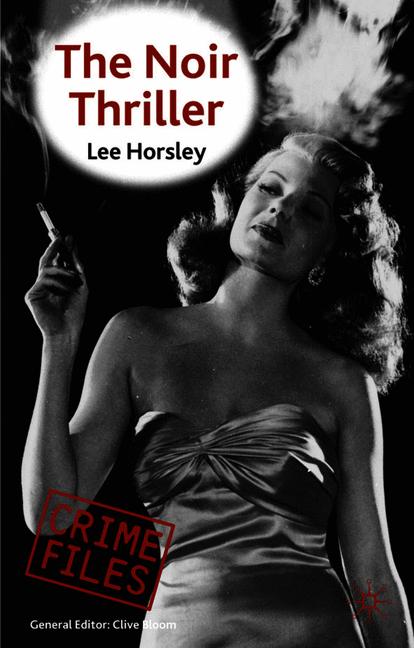
by Anthony BurgessCome here for: Classroom-ready critical readingExpect: Nonfiction criticismThe Noir Thriller
by Lee HorsleyCome here for: Noir’s politics and poetics across hundreds of novelsExpect: Sections on Depression-era investigators, gangsters, and victimsEpicene, or The Silent Woman
by Richard DuttonCome here for: Ben Jonson in close readingExpect: Layered critical readingVictorian Ecocriticism
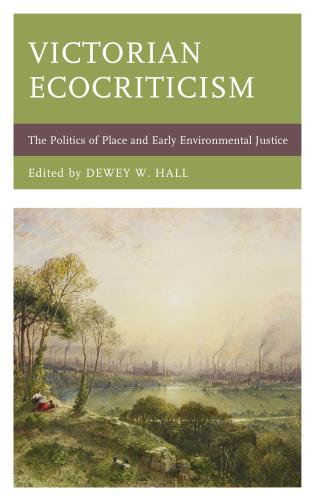
by Julie M. Barst, Natalie Rose CoxCome here for: Environmental contexts including Australian minesExpect: Six organizing themes, including ecogothicismOld English Literature
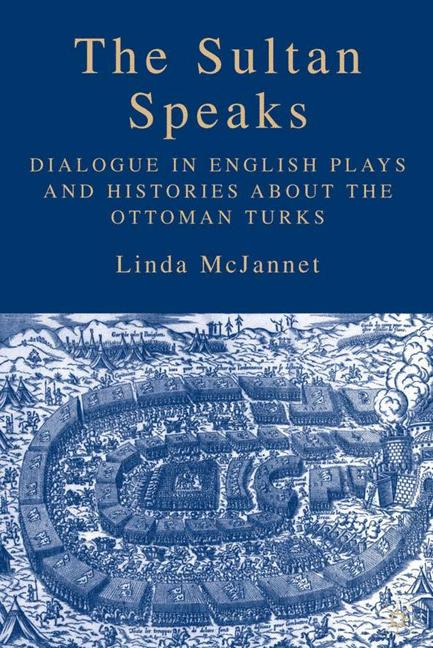
by Fred C. RobinsonCome here for: Scholarship on BeowulfExpect: Relevant standard editionsThe Sultan Speaks
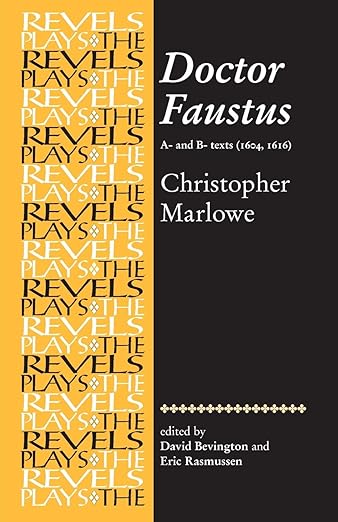
by L. McJannetCome here for: English historical plays about the TurksExpect: A reading through Bakhtin’s concept of the dialogicDoctor Faustus, A- and B- Texts 1604
by David Bevington, Eric RasmussenCome here for: A- and B-Text comparisonExpect: Cultural-literacy payoffBernard Shaw on Literature
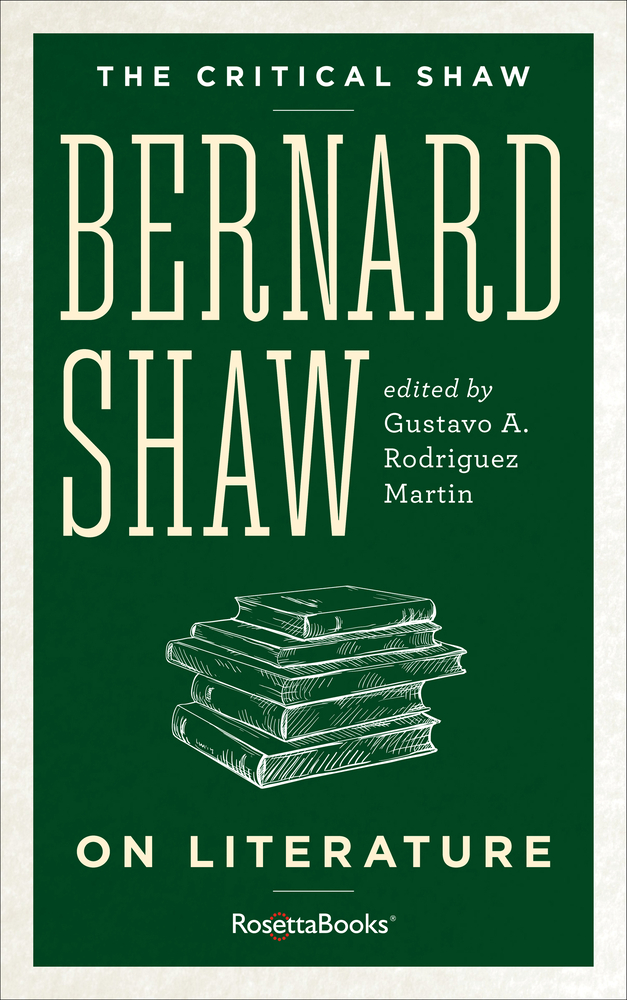
by George Bernard Shaw, Gustavo A. Rodriguez MartinCome here for: Shaw’s criticism, from Shakespearean drama to ghost storiesExpect: Selections spanning more than fifty years of Shaw’s critical writingBlake, Gender and Culture
by Helen P BruderThe Oxford Handbook of John Bunyan
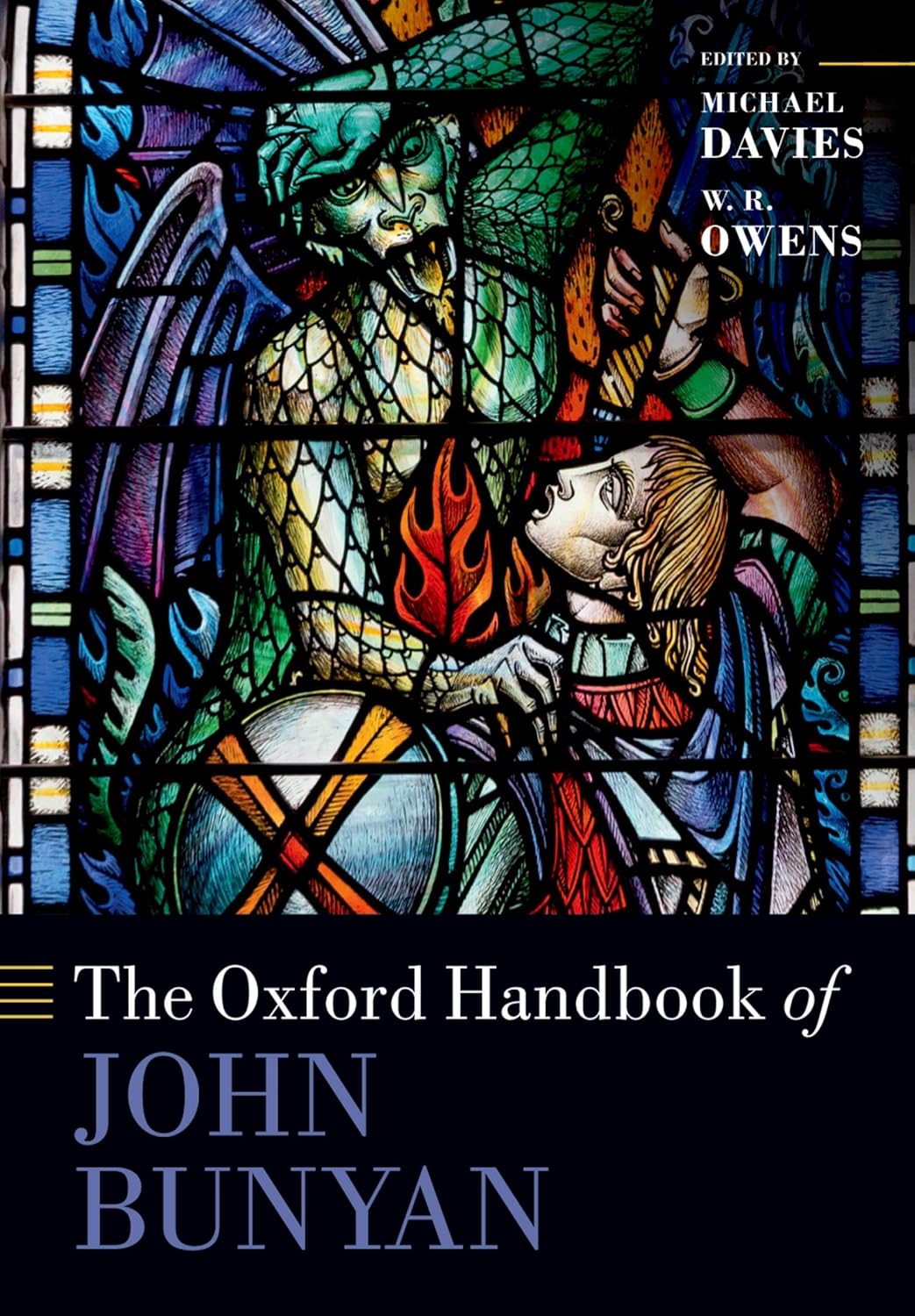
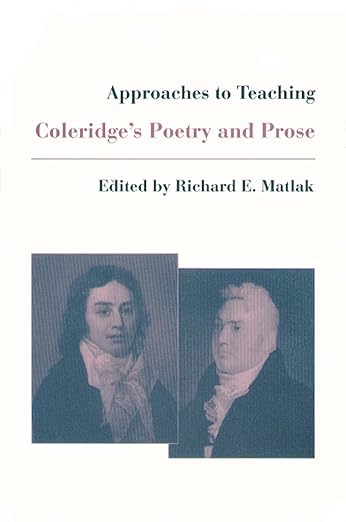
by Michael Davies, W. R. OwensCome here for: Bunyan’s church at Bedford, theology, and seventeenth-century DissentExpect: Chapters on his major works, from Grace Abounding to The Holy WarApproaches to Teaching Coleridge's Poetry and Prose
by Richard E. Matlak