New Testament Criticism & Interpretation
The New Testament read in its first-century air, verse by verse, and through Jewish eyes as well as Christian.
Optimized for books about biblical criticism & interpretation new testament.
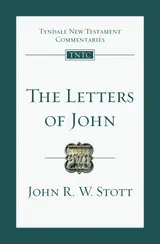
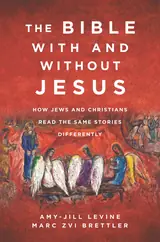
Every page of the New Testament was first heard by someone: a Jew steeped in the Scriptures, a Gentile living under Roman rule, a small congregation receiving a letter. These books put you back in that room. The New Testament in Its World walks the whole canon through Second Temple Judaism and Greco-Roman culture. Others slow right down, like The Letters of John, which spends its time on three short letters from a pastor to his people. And The Bible With and Without Jesus shows how Jews and Christians hear the same ancient passages in different keys. Whether you preach, lead a study, sit in a classroom or simply want the text in its own setting, start here.
Our reading of each book:Come here forExpectWhere it sits
The New Testament in Its World
by N. T. Wright, Michael F. BirdWhat did "Kingdom of God" mean to someone hearing it in the first century, before two thousand years of sermons? Wright and Bird answer from decades of Wright's research, writing and teaching, condensed into one book that works at a kitchen table as well as in a lecture hall. Along the way come current treatments of textual criticism and how the canon took shape, plus what each book means for Christian life now.
Come here for: Historical context spanning Second Temple Judaism and Greco-Roman lifeExpect: A one-volume introduction with surveys of every New Testament bookBible Knowledge Commentary: New Testament
by John F. Walvoord, Roy B. ZuckEvery contributor here comes from a single school, Dallas Theological Seminary, and that shared footing gives the commentary one consistent voice across the New Testament. The style stays popular while the content stays scholarly, so a beginner can open it cold and an advanced student still finds it thorough and reliable. This is the volume to keep within reach while preparing a Sunday school lesson, when a puzzling passage needs an answer.
Come here for: Verse-by-verse and often phrase-by-phrase discussion of the BibleExpect: Discussion of Hebrew and Aramaic words and Bible-time customsThe Gospel According to Jesus
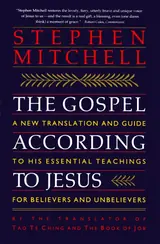
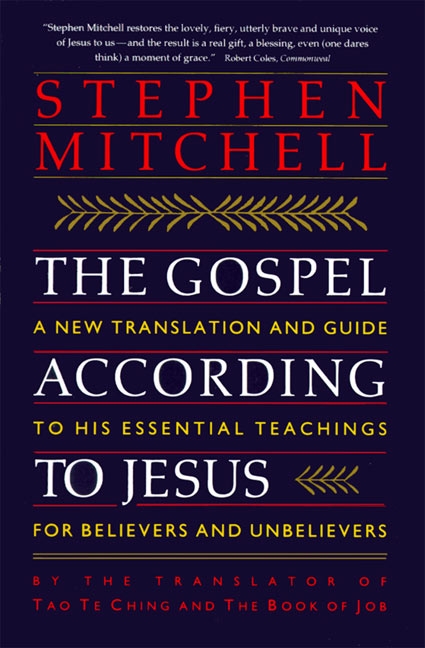
by Stephen MitchellStephen Mitchell comes to the Gospels as a translator, and the core of this book is his own rendering of Jesus's life and teachings, spare and clear, with room for the sayings to breathe. Its depth and radiance carry well beyond any one tradition. It reads as naturally for someone outside the faith as for someone inside it, which makes it a rare book to hand across that line.
Come here for: A fresh reading of the GospelsExpect: A contemplative take on familiar Gospel accountsThe Letters of John
by John StottA pastor writing to people he loves, calling them "dear children" and "dear friends": that is the John that Stott finds in these letters. John brings no new doctrine, Stott observes, only a call to remember what his people already know, have and are. Part of the Tyndale New Testament Commentaries, this volume aims to make that message plain today, with a steadying word for any church unsettled by innovators.
Come here for: Close reading of 1, 2, and 3 JohnExpect: Section-by-section explanation with attention to individual versesThe Gospel of the Kingdom
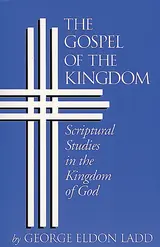
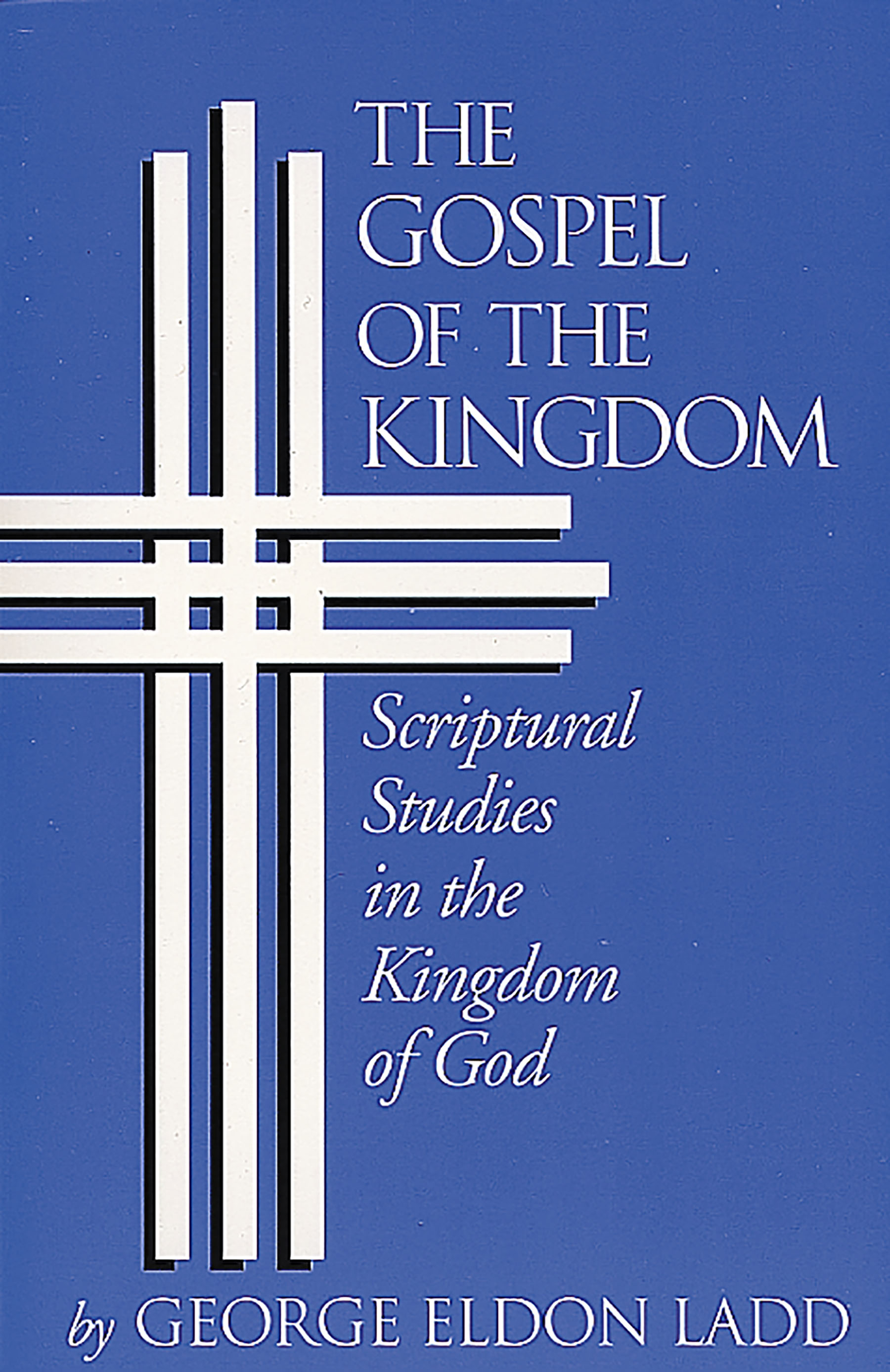
by George Eldon LaddOne phrase anchors every chapter here: the kingdom of God. Ladd follows it through the parables and the Sermon on the Mount, with Israel and the church in view, keeping scripture at the center rather than speculation. Each study holds its ground on its own, so the larger picture keeps building even when your reading comes in short stretches, and the prose has the warmth of ministry rather than the lecture hall.
Come here for: Kingdom-of-God studies in a clean, accessible registerExpect: Practical, straightforward toneThe Bible With and Without Jesus
by Amy-Jill Levine, Marc Zvi Brettler"My God, my God, why have you forsaken me": Jesus quotes Psalm 22 as he dies, and the psalm had a long life before that moment. Levine and Brettler, editors of The Jewish Annotated New Testament, trace it alongside creation, Adam and Eve, Isaiah's Suffering Servant and Jonah, first in their original setting, then through historical, literary and theological readings across the centuries. Each text comes out richer for its many afterlives.
Come here for: Jews-and-Christians side by sideExpect: Accessible but specialist


Misreading Scripture with Western Eyes
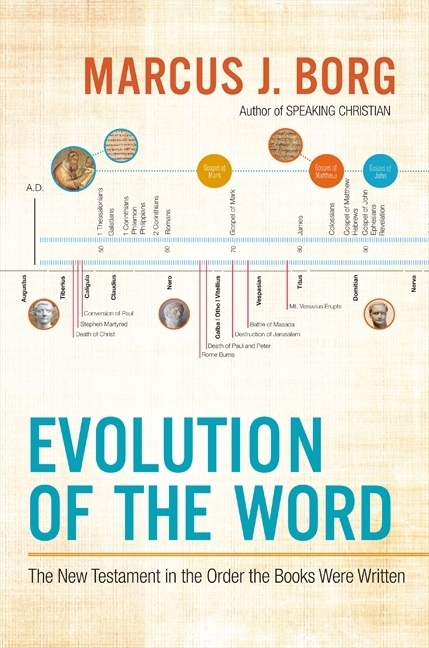
by E. Randolph Richards, Brandon J. O'BrienCome here for: Cultural blinders, plainly namedExpect: Accessible argumentationEvolution of the Word
by Marcus J. BorgCome here for: New Testament books in likely writing orderExpect: Accessible scholarly voiceAn Introduction to the New Testament
by David A. deSilvaCome here for: Clear NT orientationExpect: Structured study helpThe Five Gospels
by Robert W. FunkCome here for: Questions about what Jesus said and envisionedExpect: A new translation and assessment of five gospelsMisquoting Jesus
by Bart D. EhrmanCome here for: Bible text in historical perspectiveExpect: Clear explanationLuke
by Leon L. MorrisThe Historical Jesus
by John Dominic CrossanCome here for: Layered historical readingExpect: Scholarly framingAn Exposition of Hebrews
by Arthur W. PinkPaul's Letter to the Romans
by Colin G. KruseCome here for: Paul’s account of the gospel against God’s work as creator, judge, and redeemerExpect: A commentary on Paul’s Letter to the RomansStories with Intent
by Klyne R. SnodgrassCome here for: Accessible guide to the parablesExpect: Classroom-ready structureLetters to the Church
by Karen H. JobesCome here for: Clear survey of Hebrews and the General EpistlesExpect: Historical context without the throat-clearingFirst Corinthians
by Richard B. HaysCome here for: Teaching-and-preaching focusExpect: Classroom-ready orientationThe Epistle to the Hebrews
by Gareth Lee CockerillCome here for: Passage-by-passage readings shaped by Hebrews’ rhetorical structureExpect: Attention to Hebrews as a sermon urging perseverance amid persecution and hardshipThe Epistle to the Hebrews
by F. F. BruceCome here for: Careful exegesis of HebrewsExpect: Pastoral wisdom alongside careful exegesisNew Testament Theology
by Leon MorrisCome here for: Questions about what New Testament writings meanExpect: Interpretation attentive to the needs of the churchesJesus Through Middle Eastern Eyes
by Kenneth E. BaileyCome here for: Gospel reading through a cultural lensExpect: Middle Eastern context foregroundedRevelation
by Brian K. BlountCome here for: Revelation read as prophetic interventionExpect: A commentary on difficult passagesThe Bible Doesn't Say That
by Dr. Joel M. HoffmanCome here for: Tight debunking of familiar Bible misunderstandingsExpect: Clear-headed, discussion-ready provocationsRe-Claiming the Bible for a Non-Religious World
by John Shelby SpongCome here for: Curiosity about biblical scholarship and its wider implicationsExpect: A bishop’s case for bringing scholarship to lay ChristiansThe Epistle of James
by Peter H. DavidsCome here for: Exegesis of the Epistle of JamesExpect: Historical context for the textNew Intl Dict Nt 4 V Set
by Colin BrownCome here for: Concise discussions of major theological terms, arranged in English alphabetical orderExpect: No Greek or Hebrew knowledge is requiredThe Lamb's Supper
by Scott HahnCome here for: A fresh way to understand the Mass through the Book of RevelationExpect: A focus on the Mass as participation in heavenly worshipWhere it sits:Worship & LiturgySacramentsNew Testament InterpretationThe New Testament in Color
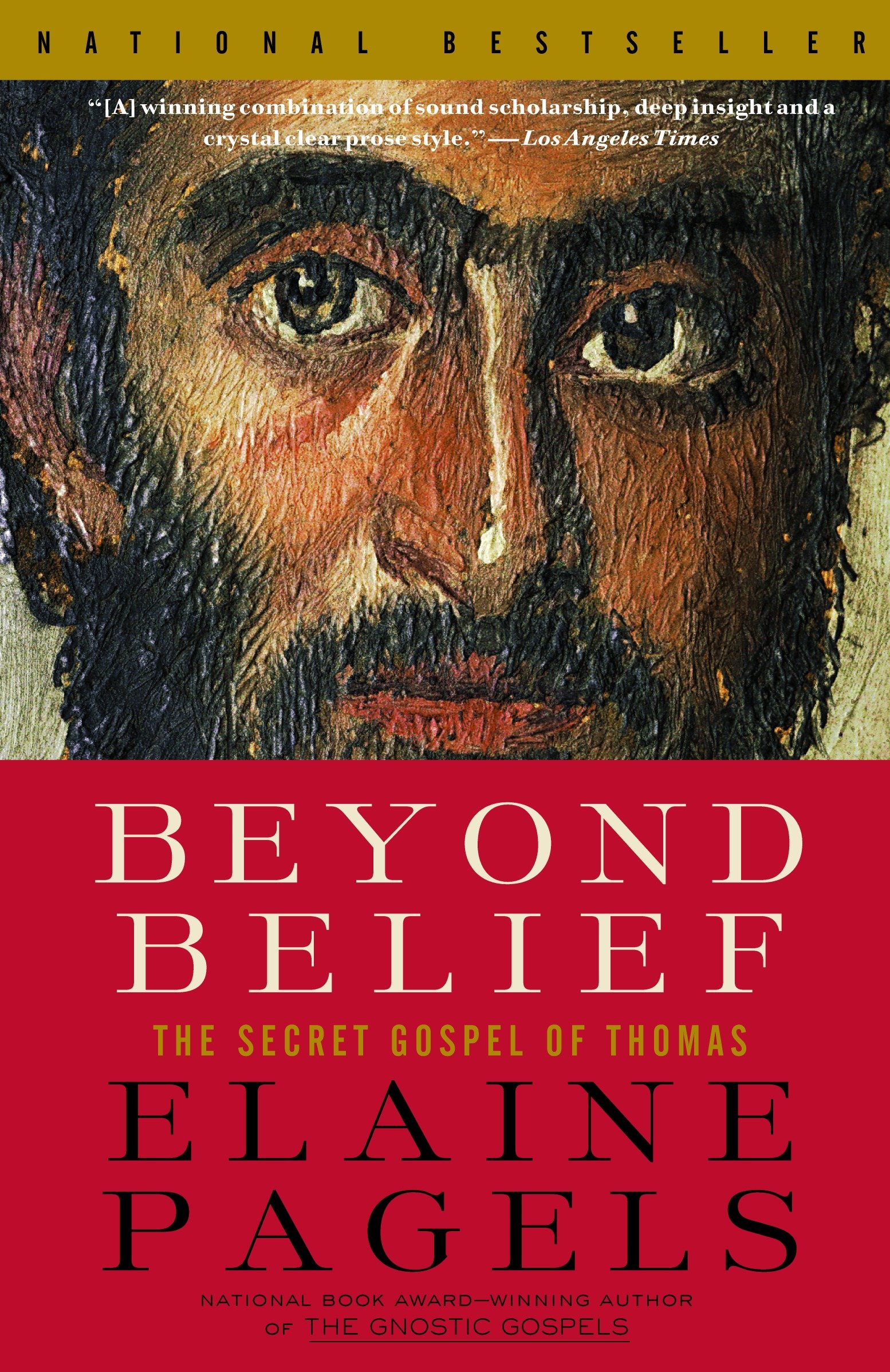
by Esau McCaulleyCome here for: A wider-angle reading of the New TestamentExpect: Exegetical expertise alongside contextual perspectivesBeyond Belief
by Elaine PagelsCome here for: Gospel-of-Thomas scholarshipExpect: Specialist-level detailWhere it sits:GnosticismNew Testament InterpretationTheologyThe Jefferson Bible
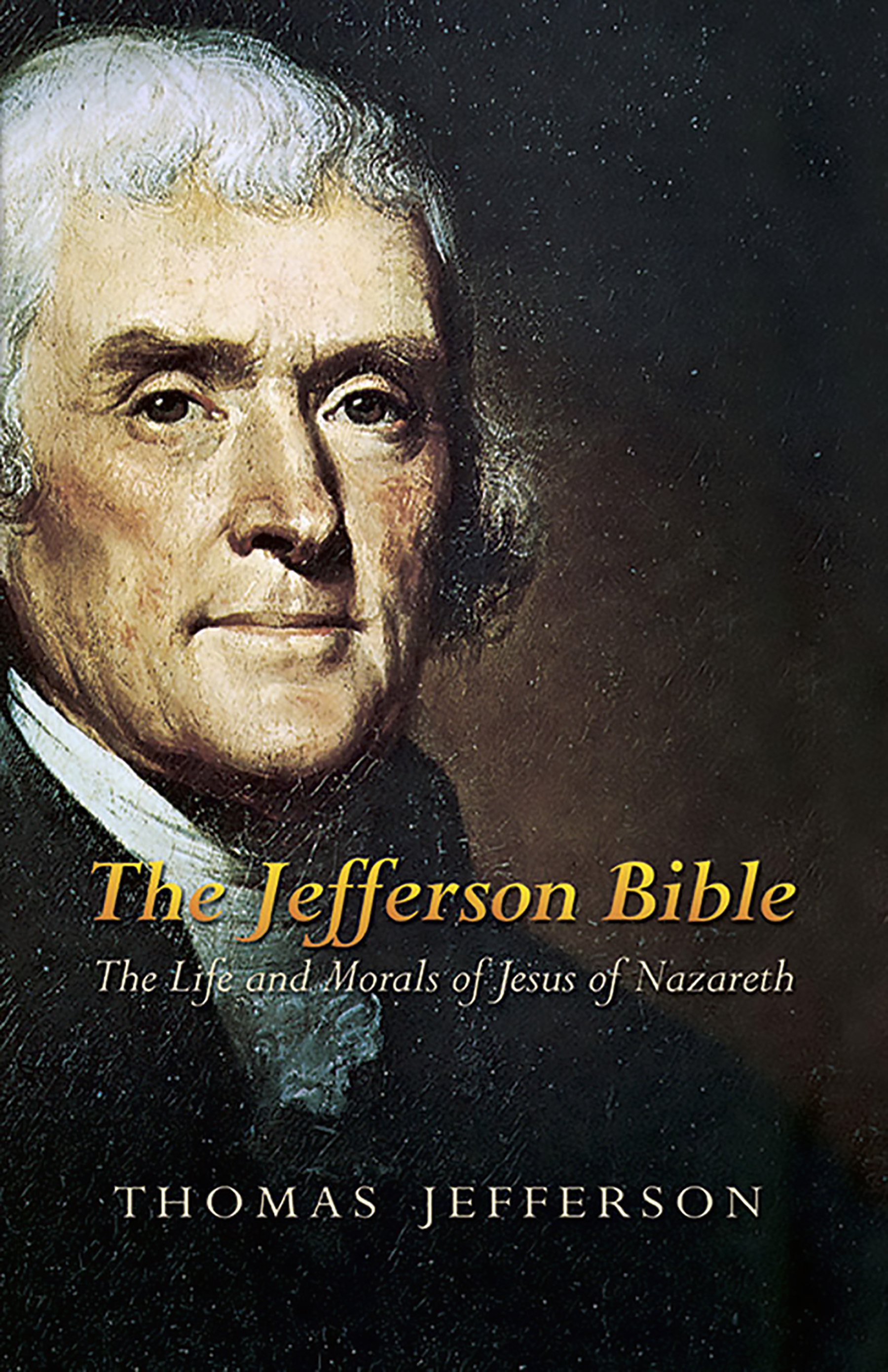
by Thomas JeffersonCome here for: A reason-centered reading of Jesus’ ethical teachingsExpect: A chronological arrangement of verses from the four GospelsJesus, Contradicted
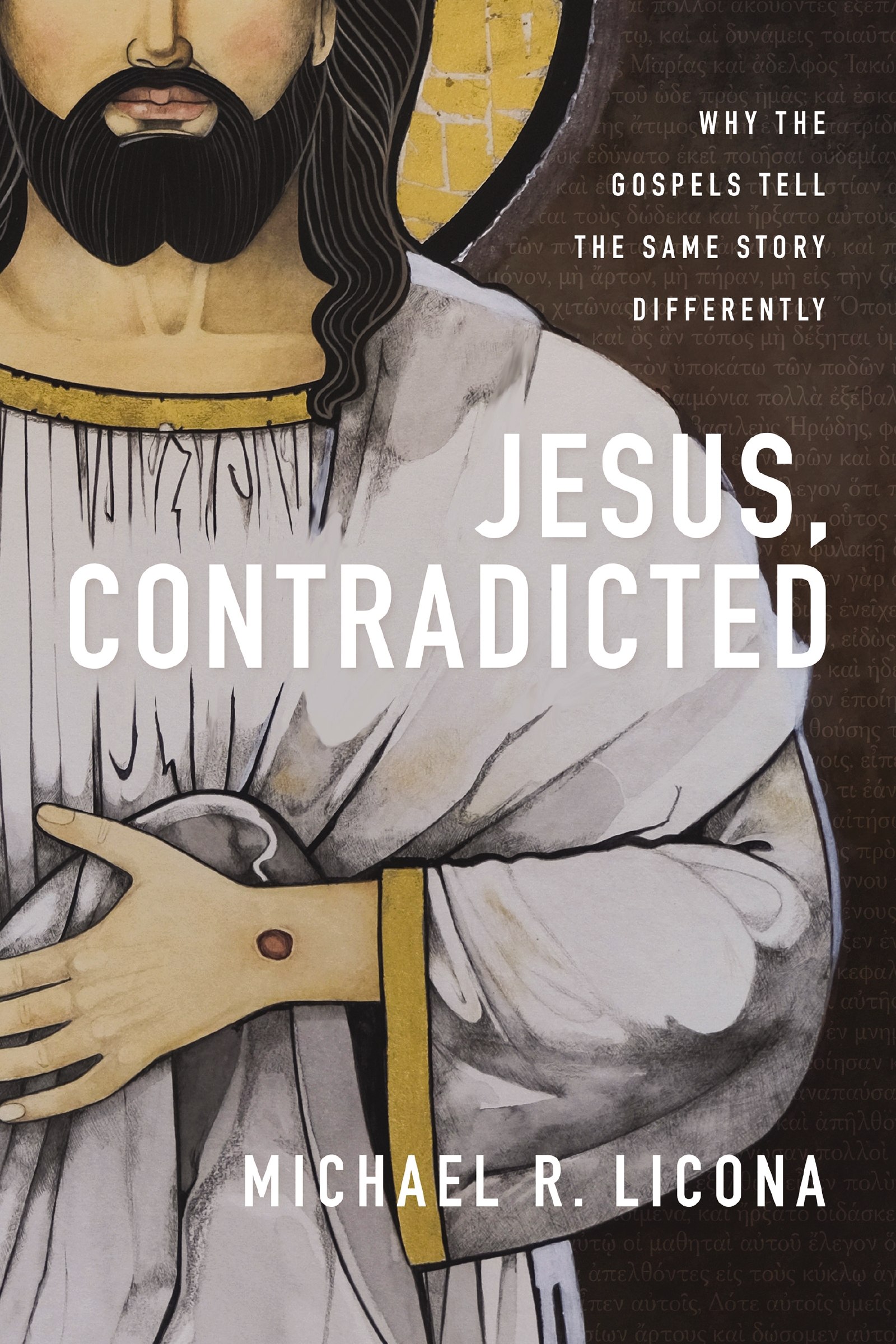
by Michael R. LiconaCome here for: How ancient biographies reported events, shaped narratives, and made argumentsExpect: Examples from Plutarch compared with Gospel passagesReframing Paul
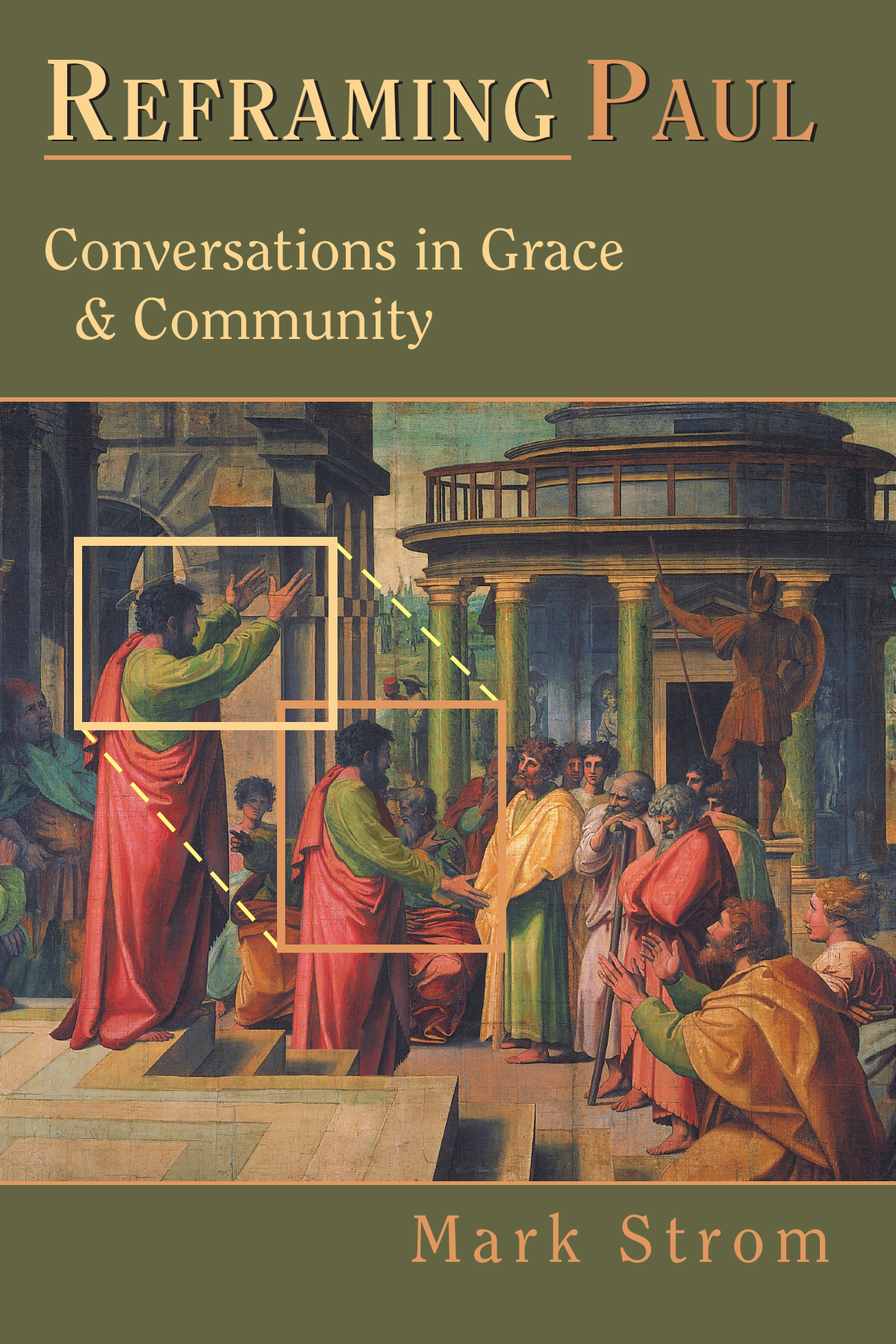
by Mark StromCome here for: A portrait of Paul as storyteller and conversationalistExpect: Paul in his original contextWhere it sits:Paul's LettersNew Testament InterpretationTheologyThe Lost Gospel
by Burton L. MackCome here for: A historical challenge to familiar accounts of JesusExpect: A portrait of Jesus as a Jewish SocratesDiscourse Grammar of the Greek New Testament
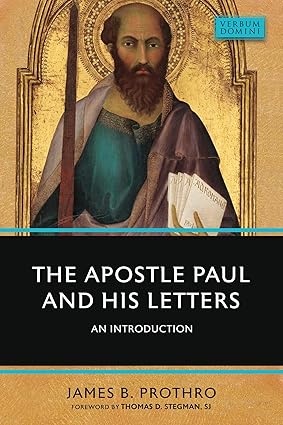
by Steven E. RungeCome here for: Teaching-friendly Greek discourse grammarExpect: Straightforward, tool-like structureThe Apostle Paul and His Letters
by James B. ProthroCome here for: Introductions to Paul’s background, life, and legacyExpect: A survey of Paul’s portrait in ActsThe Unvarnished Gospels
by Andy GausCome here for: A conversational rendering of the GospelsExpect: A contemporary literary translation aiming to echo the original Greek’s simplicityThe Nag Hammadi Scriptures
by Marvin W. Meyer, James M. RobinsonCome here for: The Gospels of Thomas, Mary, and Judas among a wider manuscript libraryExpect: A one-volume collection of ancient sacred textsWhere it sits:GnosticismAncient ReligionNew Testament InterpretationPaul, Women, and Wives
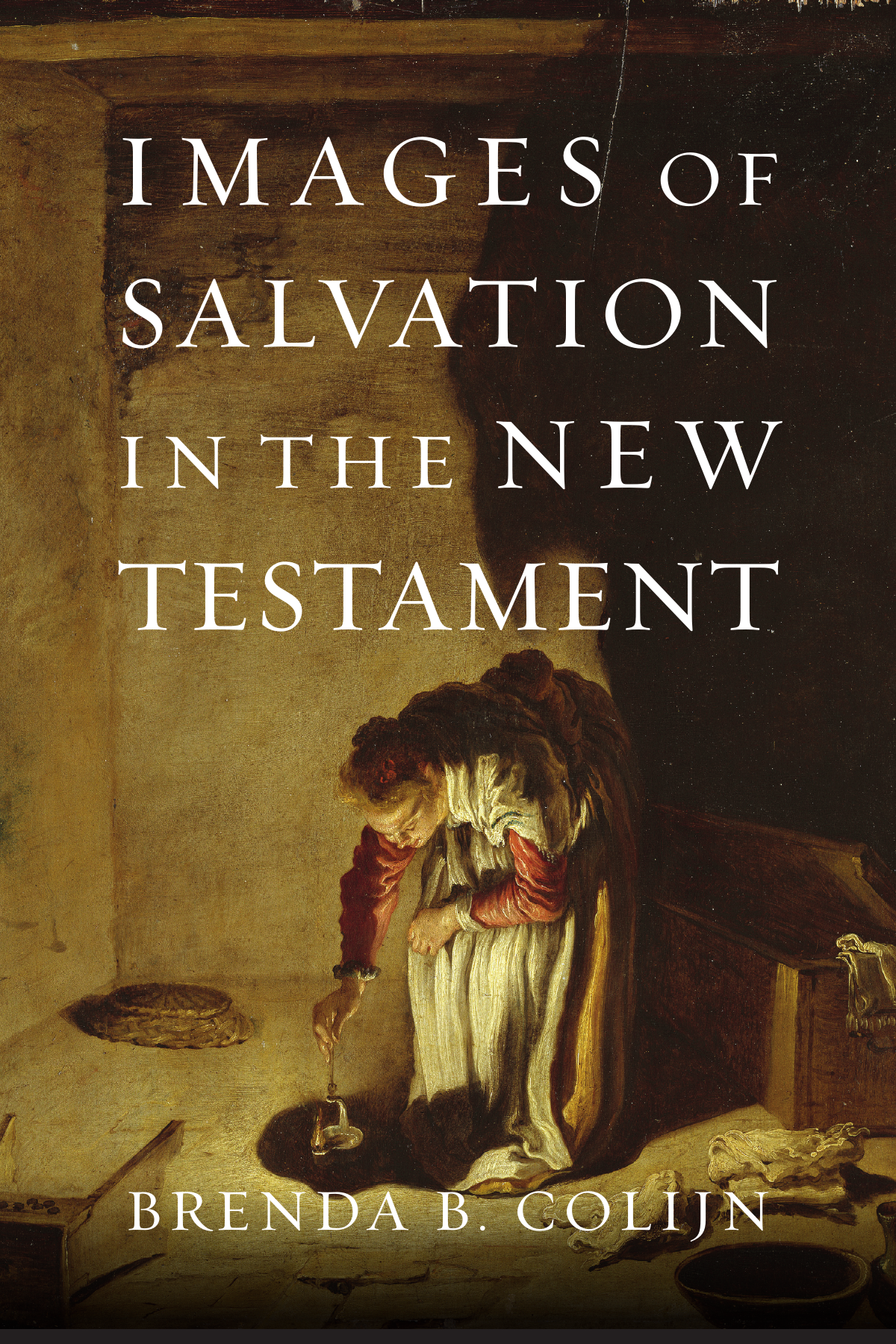
by Keener, Craig S.Come here for: Close attention to contested passages in Paul's lettersExpect: A serious engagement with thorny questions about women, church, and homeImages of Salvation in the New Testament
by Brenda B. ColijnCome here for: Salvation pictured as life under God's reignExpect: Separate perspectives across New Testament textsThe First Edition of the New Testament
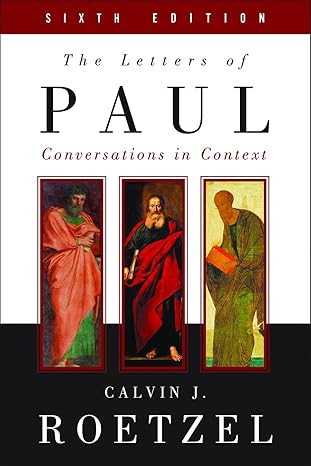
by David TrobischCome here for: Trobisch’s argument for a second-century Greek Christian BibleExpect: An argument against centuries-long developmentThe Letters of Paul, Sixth Edition
by Calvin J. RoetzelCome here for: The chronology of Paul’s lettersExpect: Religious and political contexts of Paul’s lettersJohn of History, Baptist of Faith
by James F. McGrathCome here for: John the Baptist’s influence on religious historyExpect: Historical-critical readings of New Testament texts1 and 2 Thessalonians
by Ben WitheringtonCome here for: Paul’s letters read through rhetorical patternsExpect: Analysis of Paul’s social situation and his recipientsPaul the Ancient Letter Writer
by Weima, Jeffrey A. D.Nestle-Aland Novum Testamentum Graece 28 (NA28) Wide Margin
by Eberhard Nestle, Kurt AlandCome here for: A Greek New Testament edition with 1.5-inch lined margins for note-takingExpect: Papyrii 117–127 and revamped Scripture referencesJustification
by James K. Beilby, Paul Rhodes EddyCome here for: Five-position argument in compact formExpect: Layered but readable theologyThe One Purpose of God
by Jan BondaCome here for: A close look at Paul's letter to the RomansExpect: A challenge to the doctrine of eternal damnationWhere it sits:New Testament InterpretationSoteriologyEschatologyLet the Oppressed Go Free
by Luise SchottroffCome here for: Interpretations of the Virgin Mary, Mary Magdalene, and women at Jesus’ graveExpect: Essays translated into English for the first timeAn Introduction to the Study of Luke-Acts
by V. George ShillingtonCome here for: Methods applied to questions of authorship, sources, setting, and historical background.Expect: Chapters conclude with further resources and review questions.Jesus on Trial
by Gerard S. SloyanCome here for: The circumstances and legal situation behind the Passion NarrativesExpect: Additional text and a new prefaceJesus and YHWH-Texts in the Synoptic Gospels
by Scott BrazilCome here for: Passage-by-passage exegesis of Old Testament YHWH-texts applied to JesusExpect: Canonical-order survey of passages and their Old Testament sourcesThe Development of Greek and the New Testament
by Caragounis, Chrys C.Come here for: How later Greek illuminates New Testament morphology and syntaxExpect: Morphological and syntactical analysisMarcion and Luke-acts
by Joseph B. TysonCome here for: A proposed 120–125 c.e. context for canonical Luke and ActsExpect: Attention to Peter and the Jerusalem apostles in ActsCoins as Cultural Texts in the World of the New Testament
by David H. WenkelCome here for: Coins interpreted as cultural texts in biblical studiesExpect: Three angles: the world in front of, on, and behind the coinScripture and the Authority of God
by N. T. WrightCome here for: A concise, fresh look at biblical authority and today’s debates over ScriptureExpect: Clear engagement with how evangelicals and liberals can misread ScriptureThe Jewish Annotated New Testament
by Amy-Jill Levine, Marc Zvi BrettlerCome here for: The New Testament read with its Jewish background in viewExpect: Insights from eighty Jewish scholarsMeeting Jesus Again for the First Time
by Marcus J. BorgCome here for: A rigorous yet accessible look at modern Jesus scholarshipExpect: A personal journey from certainty and skepticism toward mature faithRediscovering Paul
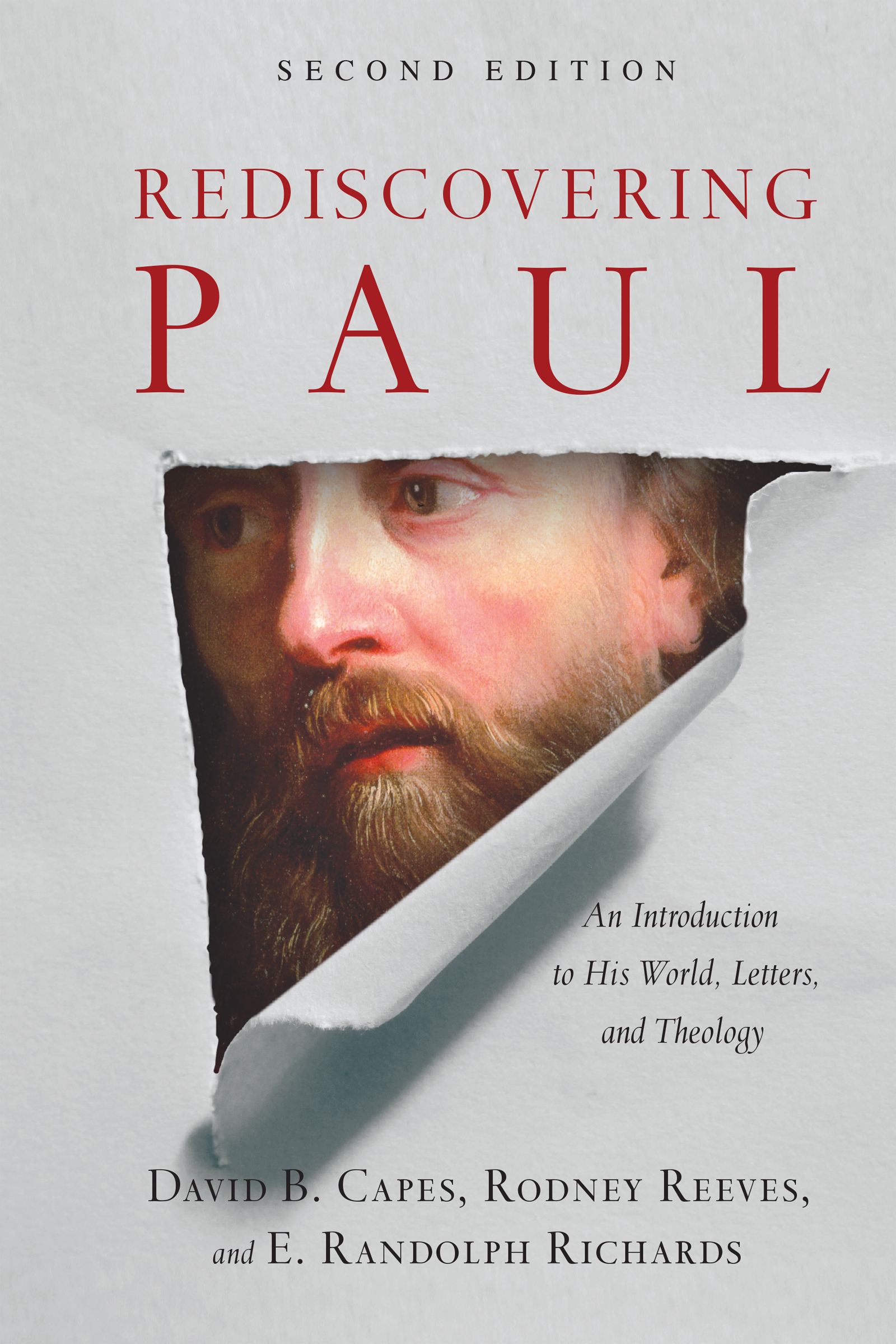
by David B. Capes, Rodney ReevesCome here for: A more approachable way into Paul’s world and thoughtExpect: Fresh attention to how Paul’s letters were written and receivedForged
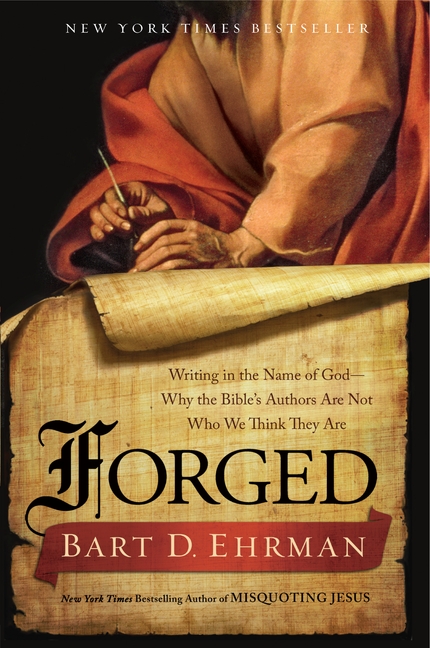
by Bart D. EhrmanCome here for: A historical look at authorship and forgery in the New TestamentExpect: Historical reporting on a long-contested scholarly question