Jewish Literary Criticism
From Deuteronomy to Kafka's Yiddish curses, these critics treat Jewish texts as an argument still running, and invite you in.
Optimized for books about jewish literary criticism.
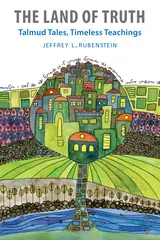
Commentary on commentary is practically a Jewish art form, and this list honors it. These books read Jewish writing the way the tradition itself does: closely, argumentatively, with an eye on what the text says about living now. The People and the Books sweeps from the Bible to Herzl's Zionist manifestoes in eighteen texts; The Land of Truth shows Talmud storytellers working with irony and wordplay; Smashing the Tablets sends Jacob to wrestle an angel in a queer underground nightclub. If you've ever argued over what makes a book Jewish, or wanted a way into texts that once felt reserved for specialists, there's a seat at this table for you.
Our reading of each book:Come here forExpectWhere it sits
The People and the Books
by Adam KirschA medieval businesswoman's autobiography shares the table of contents with Deuteronomy, Esther and Maimonides in The People and the Books, and that range is the point. Across eighteen classic texts, Adam Kirsch follows the questions Jews kept asking: who God is, how to read the Bible, what the Promised Land means, how to live as a minority in Diaspora. From the Jews of Roman Egypt to Hasidic Eastern Europe, the canon starts to sound like one continuous conversation.
Come here for: Cultural-literacy frameExpect: Short-story to worldview sweepWhere it sits:Jewish Literary CriticismJewish HistoryJudaismThe Modern Jewish Canon
by Ruth R. WisseIs a book Jewish because of who wrote it, what it's about, or something harder to name? The Modern Jewish Canon treats that puzzle as the engine for reading an entire century. Ruth R. Wisse brings compassion and an eloquent critical eye to the finest Jewish fiction of the 1900s, so the book serves a student of Jewish literature and a lover of great novels equally well, with a guide who holds real convictions.
Come here for: Questions about what makes a book JewishExpect: Work by Isaac Babel, Isaac Bashevis Singer, Elie Wiesel, and Cynthia OzickWhere it sits:Jewish Literary Criticism20th-Century Literary CriticismReading Ruth
by Judith KatesThe bond between a mother-in-law and her daughter-in-law sits at the heart of the Book of Ruth, and in Reading Ruth it opens outward into the whole span of modern women's lives. Novelists, poets, rabbis, psychologists and scholars, Cynthia Ozick and Marge Piercy among them, answer the story in essays, poems, fiction and personal narrative, probing sisterhood, otherness, grief and the limits of loyalty with equal parts irreverence and awe.
The Land of Truth
by Jeffrey L. RubensteinHoni falls asleep for seventy years, and in Jeffrey L. Rubenstein's hands that old tale becomes a meditation on the indignities of aging. The Land of Truth works this way throughout: a showdown between King Yannai and the rabbinic judges speaks to American struggles over governmental power, and the academy's master-disciple bonds carry meaning across generations. The narrative world of the Talmud, long distant from modern Jews, comes within reach.
Come here for: Close readings of famous and little-known Talmud talesExpect: Attention to irony, wordplay, figurative language, and literary artistryWhere it sits:The TalmudJewish Literary CriticismJewish HistorySmashing the Tablets
by Sara Lippmann, Seth RogoffJob returns as an avaricious former sorority girl, and Lot's daughters finally rebel against their predatory father. Sara Lippmann and Seth Rogoff's collection Smashing the Tablets starts from a sharp conviction: foundational texts must be read anew or they harden into tools of conservatism and reaction. The pieces unsettle on purpose, bending scripture to ask about identity, faith and power. It suits you best if you like your Bible argued with, not merely studied.
Come here for: Queered and inverted readings of biblical textsExpect: Underrepresented biblical characters and moments brought into the conversationKafka's Jewish Languages
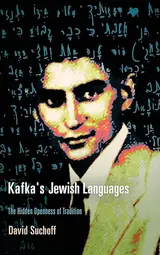
by David SuchoffWhen Kafka died in 1924, his work was published in ways that played down his Prague roots and his engagement with Jewish tradition, all to secure a place in the German canon. Kafka's Jewish Languages restores what got smoothed away. David Suchoff hears Yiddish as a language of comic curse in "The Judgment" and Yiddish theater's black humor in The Trial. Germany, Israel and the Czech Republic all claim Kafka; this book shows what's at stake.
Come here for: Yiddish and modern Hebrew in Kafka’s literary visionExpect: Readings of Kafka’s named works through Jewish languages and sources



Women of the Word
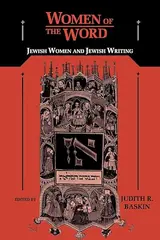
by Judith R. BaskinCome here for: Jewish women’s writing in Hebrew, Yiddish, English, and SpanishExpect: Accounts of traditional norms, family obligations, and economic survivalImre Kertesz and Holocaust Literature
by Steven Tötösy de Zepetnek, Louise O. VasváriCome here for: Scholarly papers on Imre Kertész’s workExpect: A bibliography of studies about his work in several languagesIntertextuality and the Reading of Midrash
by Daniel BoyarinCome here for: Close readings of passages from the early midrash on ExodusExpect: A theory attentive to biblical heterogeneityGerman-Jewish Thought and Its Afterlife
by Vivian LiskaCome here for: Messianism, law, exile, election, and remembrance across three intellectual periodsExpect: Attention to tradition’s changing form, fate, and functionDer Nister's Soviet Years
by Mikhail KrutikovCome here for: Der Nister’s shift from symbolist roots to social realismExpect: Attention to Der Nister’s writing and personal misfortunesWorlds Apart
by Benjamin PaloffCome here for: Comparative readings across Czech, French, German, Polish, Russian, and YiddishExpect: Readings of the ShoahMemory Matters
by Caroline SchaumannCome here for: Six writers’ texts placed in conversation across distinct family historiesExpect: Intergenerational conflict, discord, and empathyThe Blessing and the Curse
by Adam KirschCome here for: Essayistic sweep across Jewish books and twentieth-century historyExpect: Discussion-ready argument