
David Suchoff traces how Yiddish, Hebrew, and Jewish tradition shape Kafka’s style and literary significance.
Kafka’s Jewish Languages
Come here for
- Yiddish and modern Hebrew in Kafka’s literary vision
- Jewish sources behind “The Judgment,” Amerika, The Trial, and The Castle
Expect
- Readings of Kafka’s named works through Jewish languages and sources
- A discussion of the Tel Aviv case over Kafka’s missing manuscripts
Where it sits
How strongly BookFrontier reads the book as belonging to each subject.
Nearest books
Matched by our semantic model. Ordered by what its readers also loved.
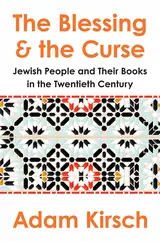 The Blessing and the CurseAdam Kirsch61% subject matchShares Jewish Literary Criticism and 20th-Century Literary Criticism
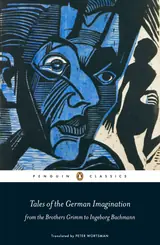 Tales of the German Imagination from the Brothers Grimm to Ingeborg BachmannPeter Wortsman60% subject match
 Letters to MilenaFranz Kafka58% subject match
 FatelessnessImre Kertész58% subject match
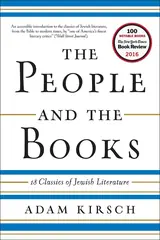 The People and the BooksAdam Kirsch56% subject matchShares Jewish Literary Criticism
For younger readers: Emil and Karl, The Book Rescuer, Wrath Becomes Her
Start with three books, and this one can be the first.
Members get a new edition every morning: a route out from their books to essays, research and talks, with the reason for each.
Sign upAbout this book
After Franz Kafka died in 1924, his novels and short stories were published in ways that downplayed both their author's roots in Prague and his engagement with Jewish tradition and language, so as to secure their place in the German literary canon. Now, nearly a century after Kafka began to create his fictions, Germany, Israel, and the Czech Republic lay claim to his legacy. Kafka's Jewish Languages brings Kafka's stature as a specifically Jewish writer into focus.
Continue reading
David Suchoff explores the Yiddish and modern Hebrew that inspired Kafka's vision of tradition. Citing the Jewish sources crucial to the development of Kafka's style, the book demonstrates the intimate relationship between the author's Jewish modes of expression and the larger literary significance of his works. Suchoff shows how "The Judgment" evokes Yiddish as a language of comic curse and examines how Yiddish, African American, and culturally Zionist voices appear in the unfinished novel, Amerika. In his reading of The Trial, Suchoff highlights the black humor Kafka learned from the Yiddish theater, and he interprets The Castle in light of Kafka's involvement with the renewal of the Hebrew language. Finally, he uncovers the Yiddish and Hebrew meanings behind Kafka's "Josephine the Singer, or the Mouse-Folk" and considers the recent legal case in Tel Aviv over the possession of Kafka's missing manuscripts as a parable of the transnational meanings of his writing.
Publisher details
Publisher categories
- German Literary Criticism
- Authors
- David Suchoff
- Publisher
- University of Pennsylvania Press, Inc.
- Published
- January 10, 2012
- Format
- Print & ebook
- Reading lane
- German Literary Criticism