19th-Century U.S. History
Here the nineteenth century turns on single moments, from a snowbound Sierra pass to a burst dam above a steel town.
Optimized for books about united states 19th century.
The nineteenth century is when the United States nearly came apart and then had to remake itself, and these books put you right inside the moments where that happened: the winter of secession, the Sierra snows, the railroad race, the last month of the war. Battle Cry of Freedom carries the whole arc from the war in Mexico to Appomattox. The Demon of Unrest slows down to the five months before the guns opened on Fort Sumter. Johnstown Flood shows Gilded Age confidence breaking along with an earthen dam. If you want the big sweep of politics, war and expansion along with the human-scale detail inside it, start here.
Our reading of each book:Come here forExpectWhere it sits
The Demon of Unrest
by Erik LarsonOn November 6, 1860, Abraham Lincoln won a tight race almost by fluke, and state after state began seceding. The Demon of Unrest tracks the five months that followed, as a divided nation's passions narrowed onto one federal fort in Charleston Harbor. Major Robert Anderson, a former slave owner loyal to the Union, holds Sumter. Edmund Ruffin, vain and bloodthirsty, stokes secession wherever he goes. Miscommunication and ego do the rest.
Come here for: Erik Larson’s familiar sweep and scene-settingExpect: Accessible history, not a dense marchWhere it sits:Civil War Era19th-Century AmericaCivil WarsThe Indifferent Stars Above
by Daniel James BrownSarah Graves was twenty-one in April 1846, newly married and heading west from Illinois with her parents and eight siblings. By the time the Donner Party reached the Sierra Nevada, the first heavy snows had shut the pass. The Indifferent Stars Above follows her into December, when she and fourteen others strapped on snowshoes for California and spent thirty-two starving days in the mountains. Family is the thread that holds the whole ordeal together.
Come here for: Harrowing Western-history immersionExpect: Sustained narrative momentumWhere it sits:Survival Stories19th-Century AmericaWestern U.S. HistoryNothing Like It In the World
by Stephen E. AmbroseHow do you get locomotives to a railroad being built in the West? By ship through Panama, around South America, or hauled overland to the Plains. Nothing Like It in the World is full of problems like that, set inside a race in which Washington pitted the Union Pacific against the Central Pacific for funding, rewarding speed over caution. It suits anyone who wants the whole cast: financiers, surveyors, and the Irish, Chinese and ex-Confederate crews who laid the track.
Where it sits:Railroad History19th-Century AmericaCivil War EraApril 1865
by Jay WinikOnly five days separate Appomattox from Lincoln's assassination, and the rest of the month is just as crowded. In April 1865, Richmond falls, a Southern plan for guerrilla war hangs in the balance, a plot nearly decapitates the Union government, and fears of a coup run through the North. Jay Winik treats all of it as the making of the nation, with fresh, iconoclastic arguments about how reconciliation started at all.
Come here for: Battlefield endings tangled with political upheavalExpect: Profiles of outsized historical figuresWhere it sits:Civil War Era19th-Century AmericaCivil WarsBattle Cry of Freedom
by James M. McPhersonBoth sides claimed to be fighting for freedom. The South invoked the self-government of 1776, while the North defended the Union those same founders built, and in time it took on emancipation as a second war aim. Battle Cry of Freedom runs from Dred Scott, the Lincoln-Douglas debates and John Brown's raid through the war itself, with sharp takes on dissent at home and on why the Union won. It moves fast.
Come here for: Civil War history with a strong explanatory spineExpect: Military history with room for broader contextWhere it sits:Civil War Era19th-Century AmericaCivil WarsJohnstown Flood
by David McCulloughAbove a booming coal-and-steel town sat a hastily rebuilt earth dam holding a lake for a summer club whose members included Carnegie, Frick and Mellon. Warnings came and went. Then, on May 31, 1889, the dam gave way and a wall of water killed more than 2,000 people in Johnstown. Johnstown Flood turns that preventable tragedy into a lasting lesson: holding responsibility is not the same as acting responsibly.
Come here for: Civic history with engineering stakesExpect: Careful reconstruction


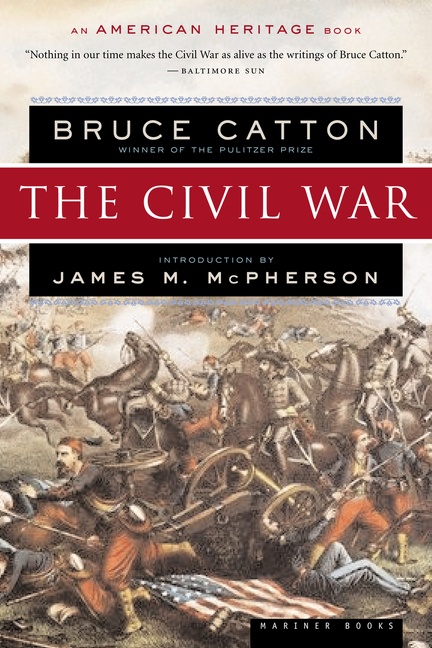
The Civil War
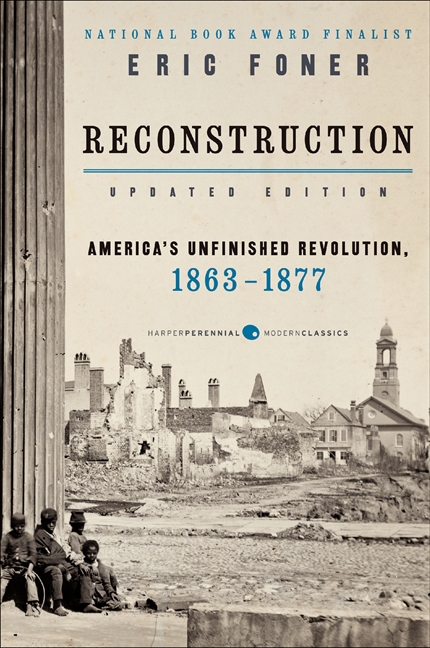
by Bruce CattonCome here for: Civil War history, clearly toldExpect: Cultural literacy without the dustWhere it sits:Civil War EraCivil Wars19th-Century AmericaReconstruction Updated Edition
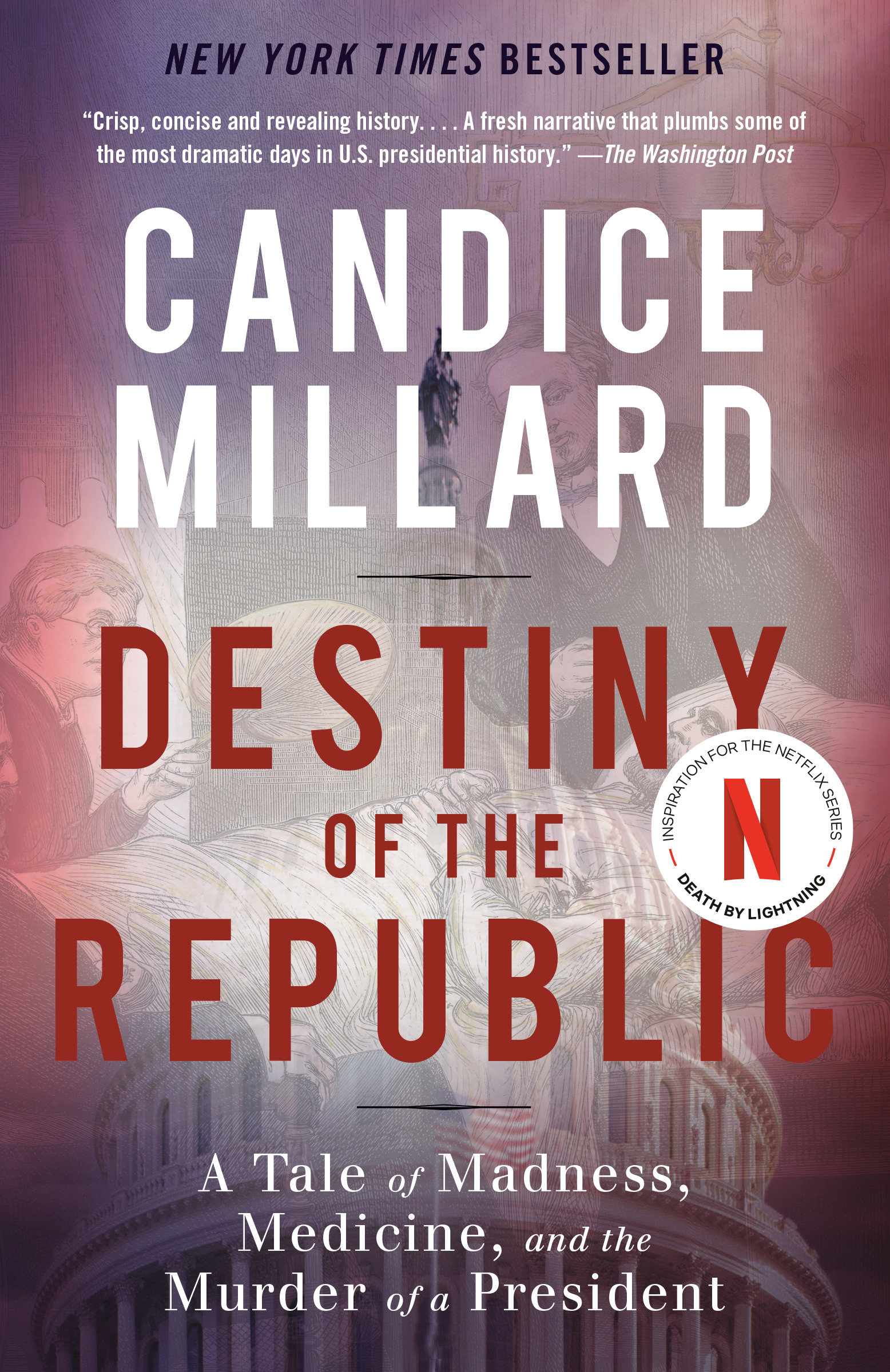
by Eric FonerCome here for: Clear-eyed reconstruction historyExpect: Structured historical analysisWhere it sits:Civil War EraBlack History19th-Century AmericaDestiny of the Republic
by Candice MillardCome here for: Presidential history with the tension of a political crisisExpect: A forgotten chapter of U.S. history brought into focusMaster Slave Husband Wife
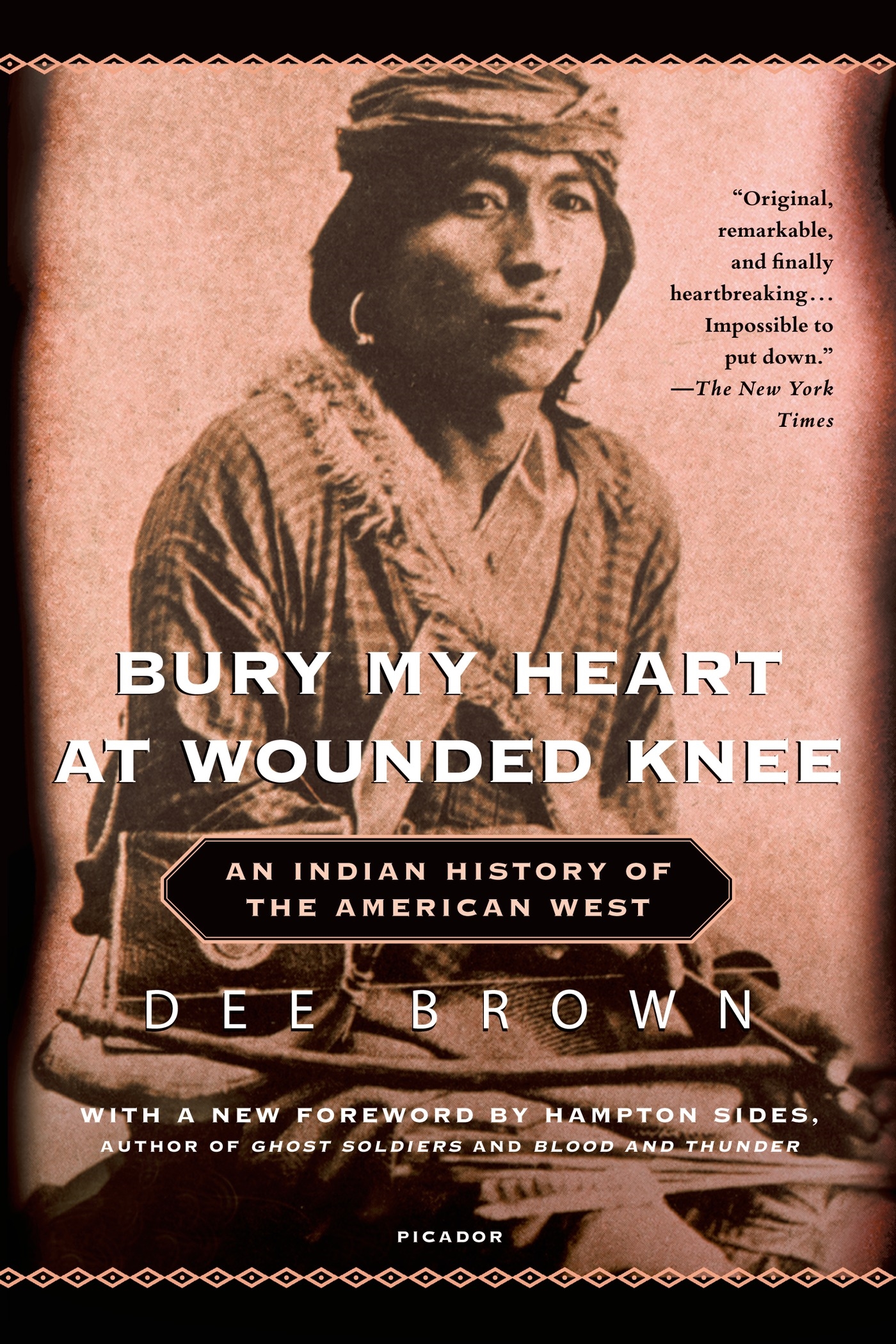
by Ilyon WooCome here for: 19th-century history with clear explanatory driveExpect: Careful framing over ornamentBury My Heart at Wounded Knee
by Dee BrownWhere it sits:19th-Century AmericaNative American HistoryCivil War EraNarrative of the Life of Frederick Douglass, An American Slave
by Frederick DouglassCome here for: A life recounted in Douglass’s own wordsExpect: A direct autobiographical narrativeGettysburg
by Noah Andre TrudeauCome here for: Clear-eyed Civil War contextExpect: Institutional useWhere it sits:Civil War EraCivil Wars19th-Century AmericaThe Summer of 1876
by Chris WimmerWhere it sits:19th-Century AmericaLives in HistoryWestern U.S. HistoryThunder in the Mountains
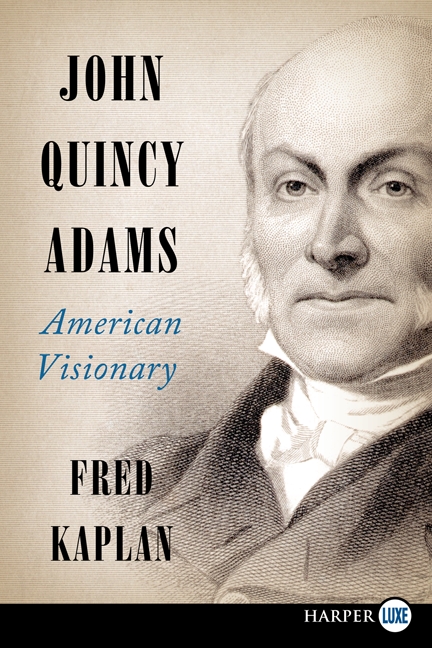
by Daniel J. SharfsteinCome here for: The collision of Reconstruction ideals and westward expansionExpect: A sustained narrative grounded in survivors’ voicesWhere it sits:Civil War EraNative American History19th-Century AmericaJohn Quincy Adams
by Fred KaplanCome here for: A fresh look at Adams’s progressive vision and its place in American historyExpect: A sweeping biography spanning childhood, the presidency, and beyondDemocracy in America and Two Essays on America
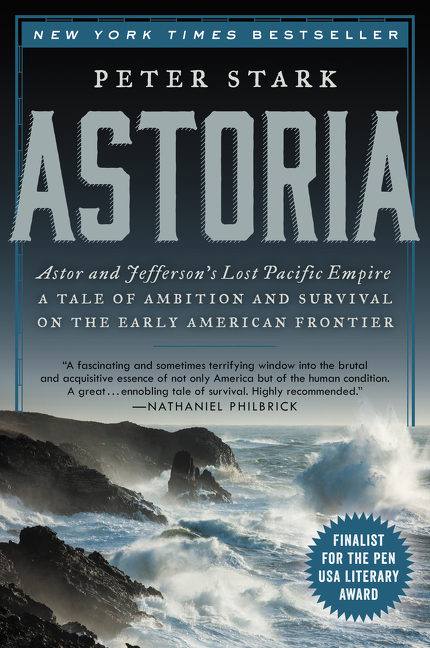
by Alexis de TocquevilleCome here for: Classic political observationExpect: Analytic proseWhere it sits:Democracy19th-Century AmericaNational GovernmentAstoria
by Peter StarkCome here for: Frontier ambition with a geopolitical edgeExpect: Cultural and historical contextThe Undiscovered Country
by Paul Andrew HuttonCome here for: Western history with cultural shape and consequenceExpect: History as explanation, not mere chronologyDodge City
by Tom ClavinCome here for: The rough-edged history behind Dodge City’s legendExpect: Gunfighters, lawmen, and a town in turmoilWhere it sits:19th-Century AmericaMidwest HistoryHistorical True CrimeJames Monroe
by Tim McGrathCome here for: A life shaped by diplomacy, partisan battles, and national upheavalExpect: A sweeping biography from the War for Independence through the presidencyMark Twain
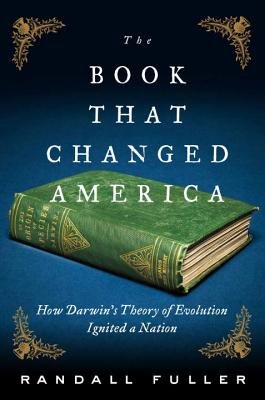
by Ron ChernowWhere it sits:Writers' Lives19th-Century AmericaLives in HistoryThe Book That Changed America
by Randall FullerCome here for: Intellectual history where evolutionary thought meets abolitionist argumentExpect: A portrait of ideas in a nation nearing civil warWhere it sits:EvolutionCivil War Era19th-Century AmericaApostles of Disunion
by Charles B. DewCome here for: Clear historical explanationExpect: Practical, straightforward proseWhere it sits:Civil War EraSlavery Studies19th-Century AmericaThe Scarlet Sisters
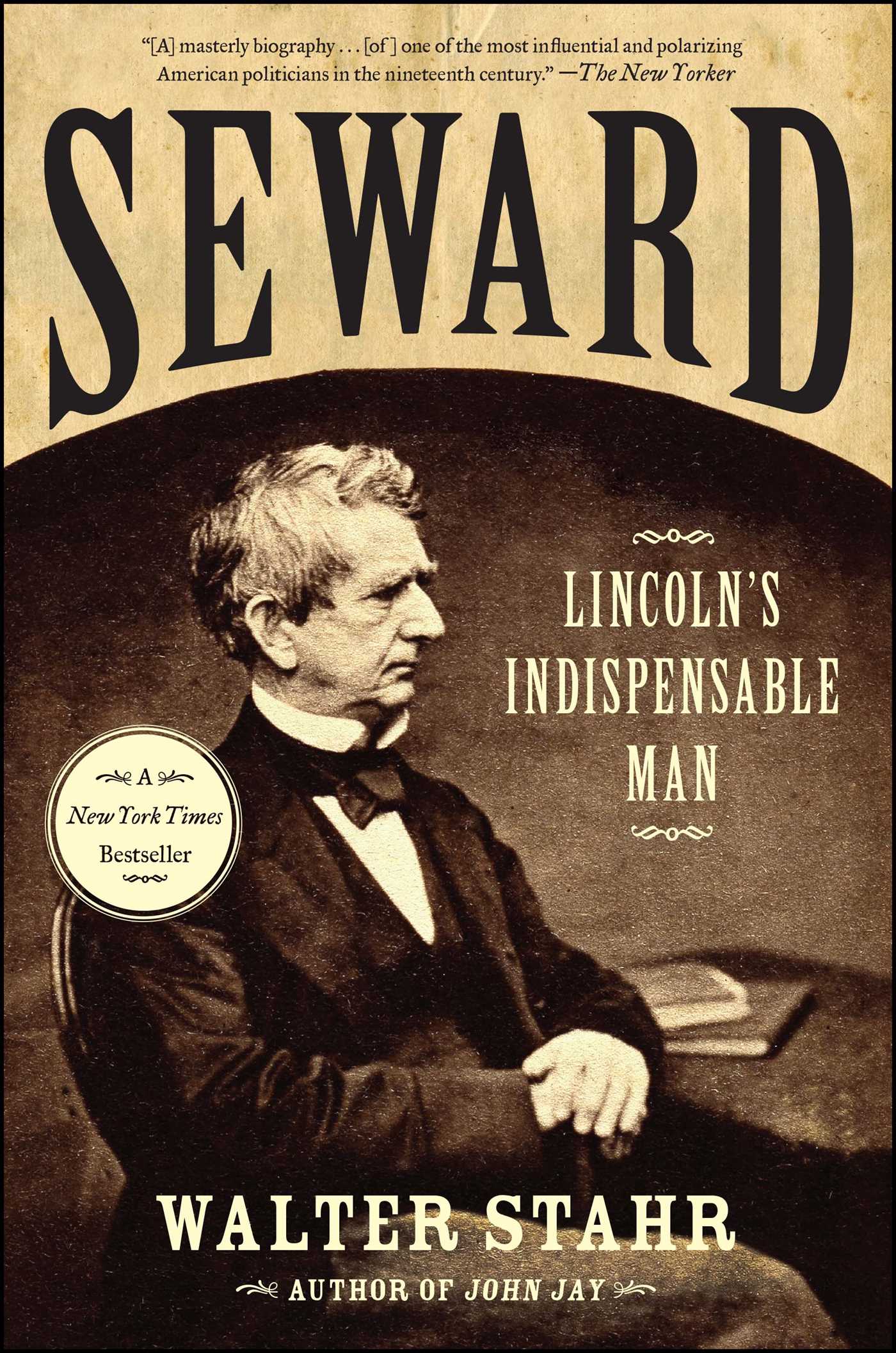
by Myra MacPhersonCome here for: Women challenging Victorian rules on money, politics, and sexExpect: A vivid portrait of two sisters who refused conventional limitsWhere it sits:Women's LivesActivist Lives19th-Century AmericaSeward
by Walter StahrCome here for: A close look at power beside Lincoln, beyond the battlefieldExpect: A wide-ranging portrait of a central, complicated statesmanWhere it sits:Civil War EraPolitical Lives19th-Century AmericaA Year in the South: 1865
by Stephen V. AshCome here for: Civil War history seen from sharply different vantage pointsExpect: Vivid detail about fears, hopes, and frustrationsWhere it sits:Civil War EraBlack History19th-Century AmericaBlack Elk Speaks
by John G. NeihardtCome here for: Layered, accessible storytellingExpect: Sustained narrative flowLone Star
by T. R. FehrenbachCome here for: Texas history with a wide-angle, regional sweepExpect: A sustained, substantial readAmerican Transcendentalism
by Philip F. GuraCome here for: Transatlantic ideas meeting fierce theological debateExpect: A divide between individualism and commitment to social goodLife on the Mississippi
by Mark TwainCome here for: A personal view of life as a riverboat pilotExpect: A remembrance of the river’s vanished pastWhere it sits:Writers' LivesTravel Writing19th-Century AmericaBlood and Thunder
by Hampton SidesA Day in September
by Stephen BudianskyCome here for: Antietam, seen through consequence and afterlifeExpect: Insight over drumbeat heroicsWhere it sits:Civil War EraCivil Wars19th-Century AmericaWide Awake
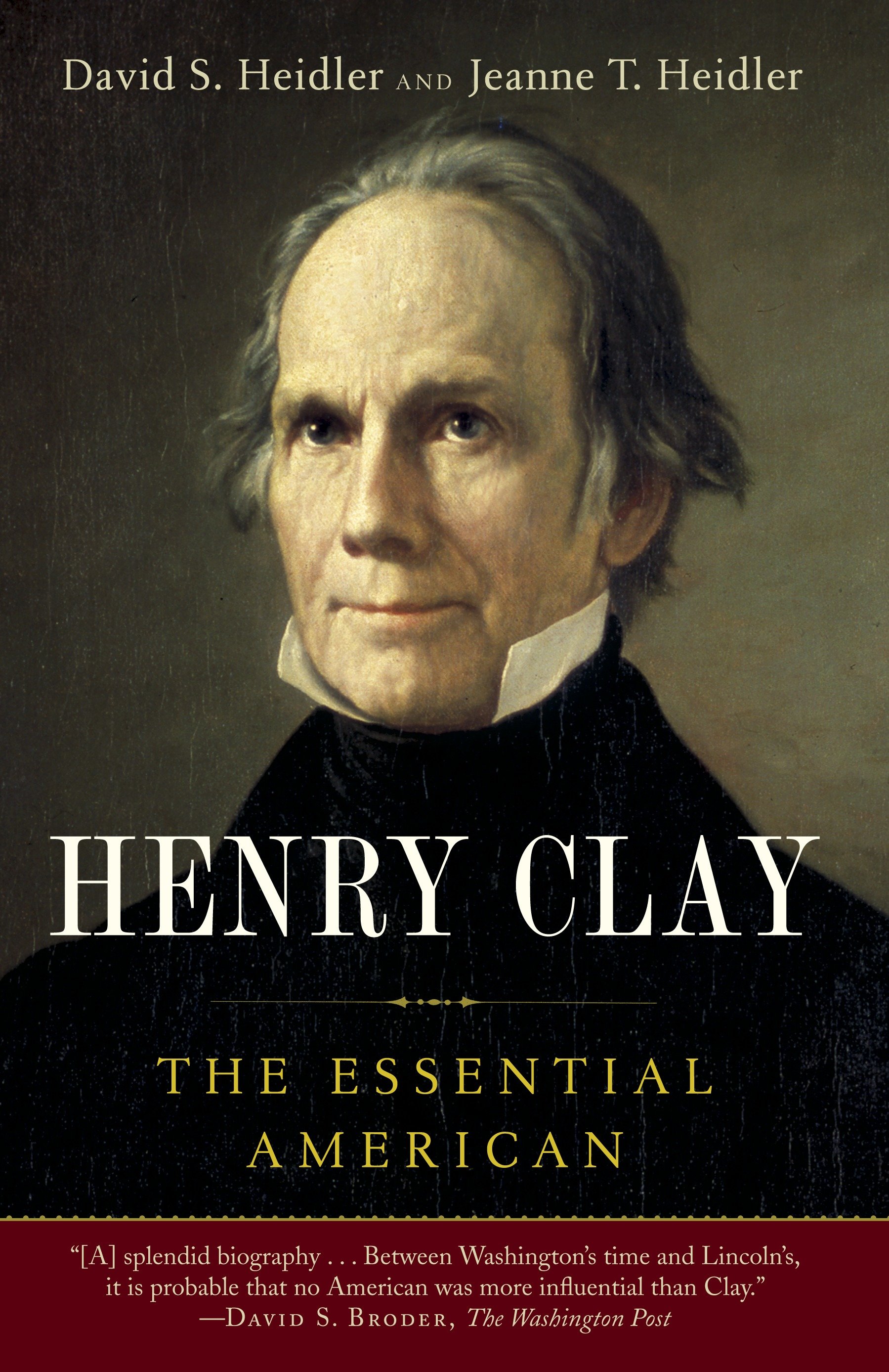
by Jon GrinspanCome here for: Political history, tightly drawnExpect: Lincoln-era contextWhere it sits:Civil War Era19th-Century AmericaCivil WarsHenry Clay
by David S. Heidler, Jeanne T. HeidlerCome here for: Political maneuvering, compromise, and the personalities around powerExpect: A sustained biography with a broad historical sweepWhere it sits:Political Lives19th-Century AmericaCivil War EraA Slave in the White House
by Elizabeth Dowling TaylorAmerican Visions
by Edward L AyersCome here for: A clear run through the eraExpect: Cultural literacy with a historian’s gripWhere it sits:19th-Century AmericaBlack HistorySlavery StudiesAmerican Lion
by Jon MeachamCity of Sedition
by John StrausbaughCome here for: Civil War New York, crisply framedExpect: Civil War-era urban historyWhere it sits:Civil War EraMiddle Atlantic History19th-Century AmericaUp from Slavery
by Booker T. WashingtonCome here for: A first-person account of rising from slavery to educator and activistExpect: Wit and clarity in the tellingBlack Moses
by Caleb GayleCome here for: Ambition, politics, and nation-makingExpect: Black statehood and civil rightsParadise Now
by Chris JenningsCome here for: American utopianism across centuriesExpect: Broad sweep, from colonial beginnings onwardWhere it sits:19th-Century AmericaUtopian ThinkingSocial HistoryTo Hell on a Fast Horse
by Mark Lee GardnerCome here for: Billy the Kid and Sheriff Pat Garrett, beyond the familiar legendExpect: A sustained narrative centered on Garrett’s pursuitBarons of the Sea
by Steven UjifusaCome here for: Clipper-ship rivalryExpect: Maritime history with explanatory ballastJohn Quincy Adams
by Randall WoodsCome here for: A biography spanning revolution, diplomacy, and the young republicExpect: Family tensions alongside public ambitionThis Great Struggle
by Steven E. WoodworthWhere it sits:Civil War EraCivil Wars19th-Century AmericaThe Triumph of William McKinley
by Karl RoveCome here for: Coalition-building and campaign tacticsExpect: Electoral drama rooted in American political historyLost Kingdom
by Julia Flynn SilerCome here for: Hawaii’s royal politics and U.S. expansionExpect: Cultural and historical contextWhere it sits:Western U.S. HistoryRoyal Lives19th-Century AmericaThe Monroe Doctrine
by Jay SextonWhere it sits:Latin American HistoryDiplomacy19th-Century AmericaThe Transcendentalists and Their World
by Robert A. GrossCome here for: Cultural-literary context around the TranscendentalistsExpect: New England focusWhere it sits:19th-Century AmericaTranscendentalismWriters' LivesWeird Civil War
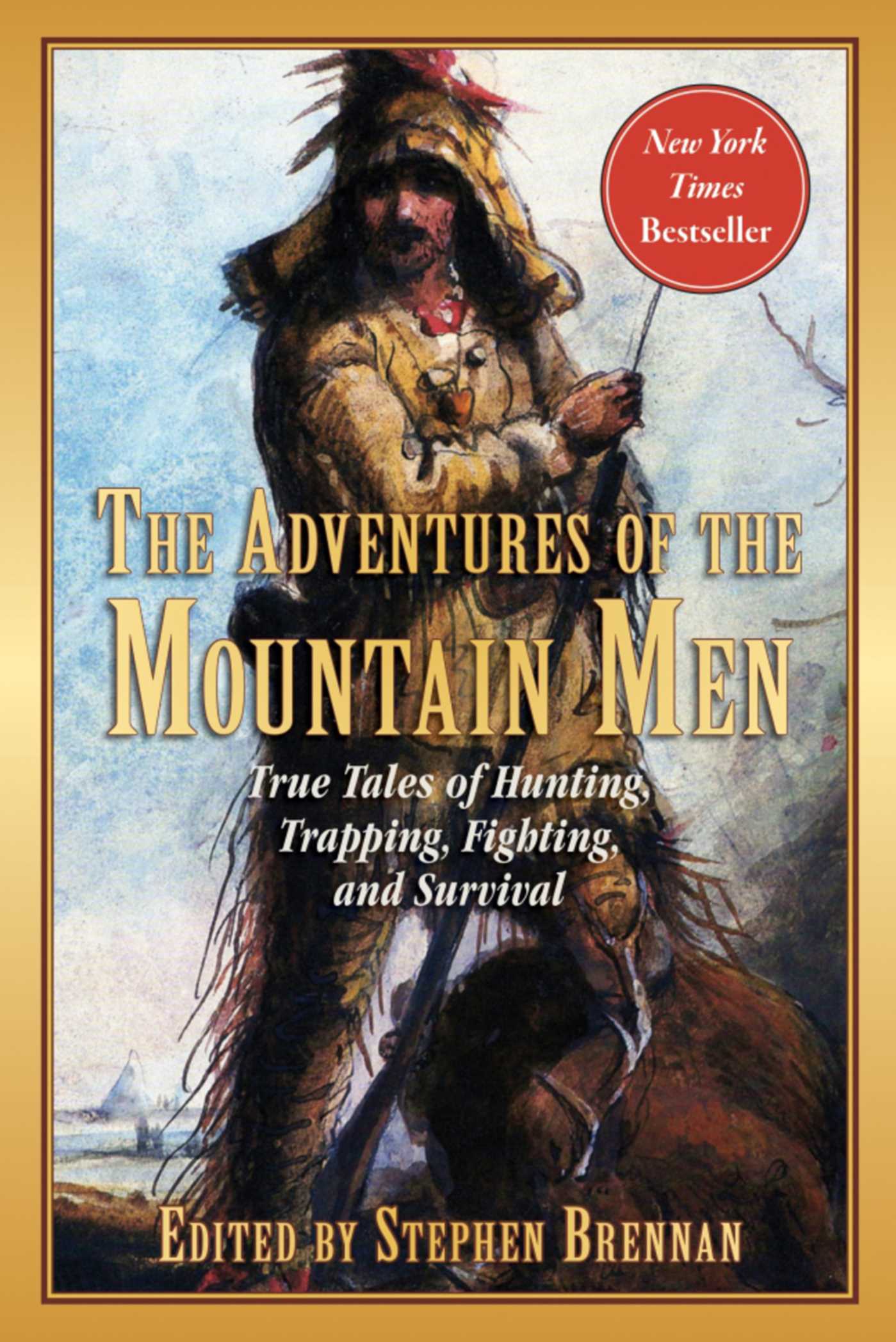
by Mark Sceurman, Mark MoranWhere it sits:Civil War Era19th-Century AmericaMind & SpiritThe Adventures of the Mountain Men
by Stephen BrennanSea Captains Wife
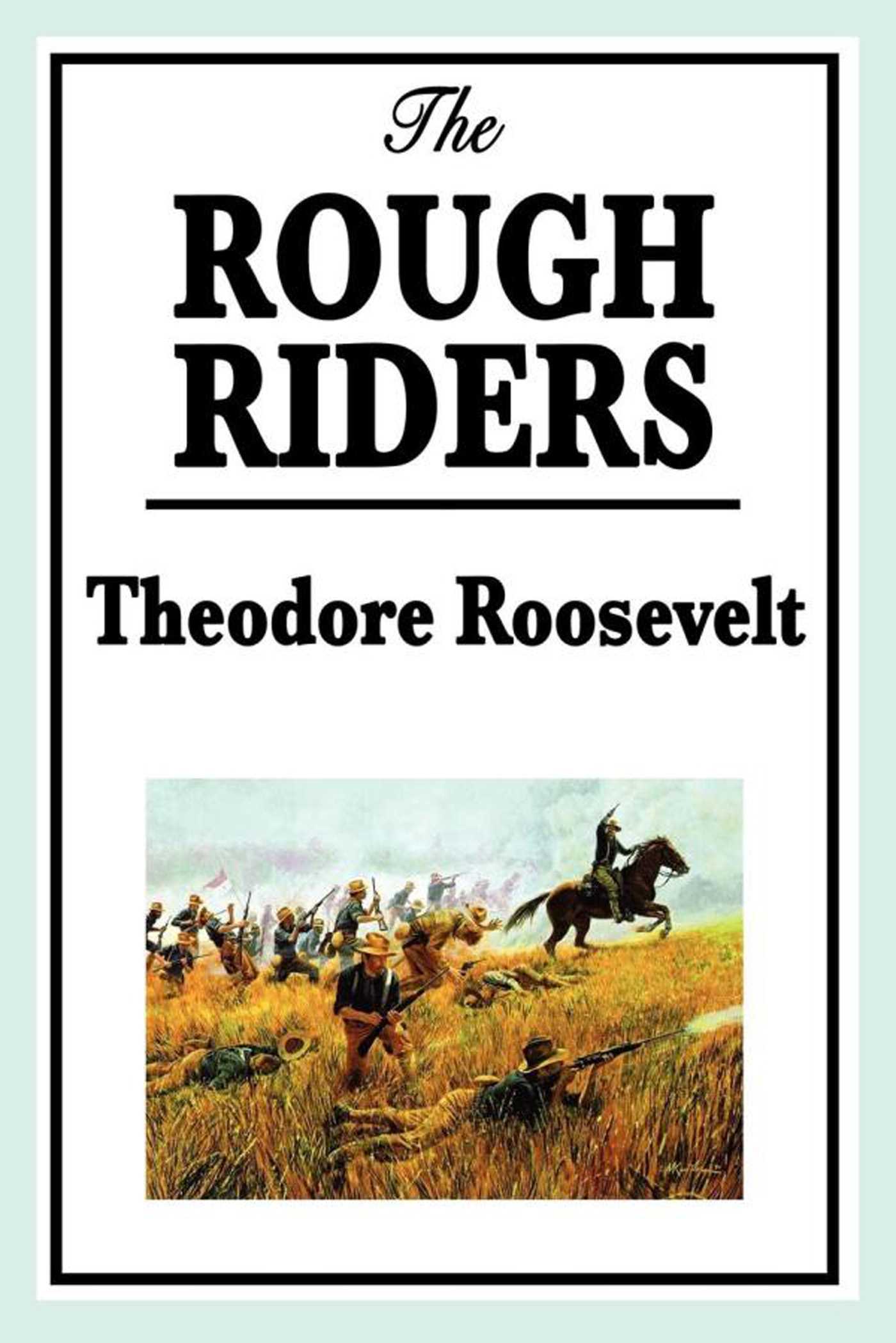
by Martha HodesCome here for: Serious historical registerExpect: Narrative history with a literary feelWhere it sits:Women's Lives19th-Century AmericaLives in HistoryThe Rough Riders
by Theodore RooseveltCome here for: The Rough Riders contextExpect: Historical perspectiveTwelve Years a Slave
by Solomon NorthupCome here for: A harrowing true story of enslavement and rescueExpect: An unflinching account of degradation and abuseLast Seen
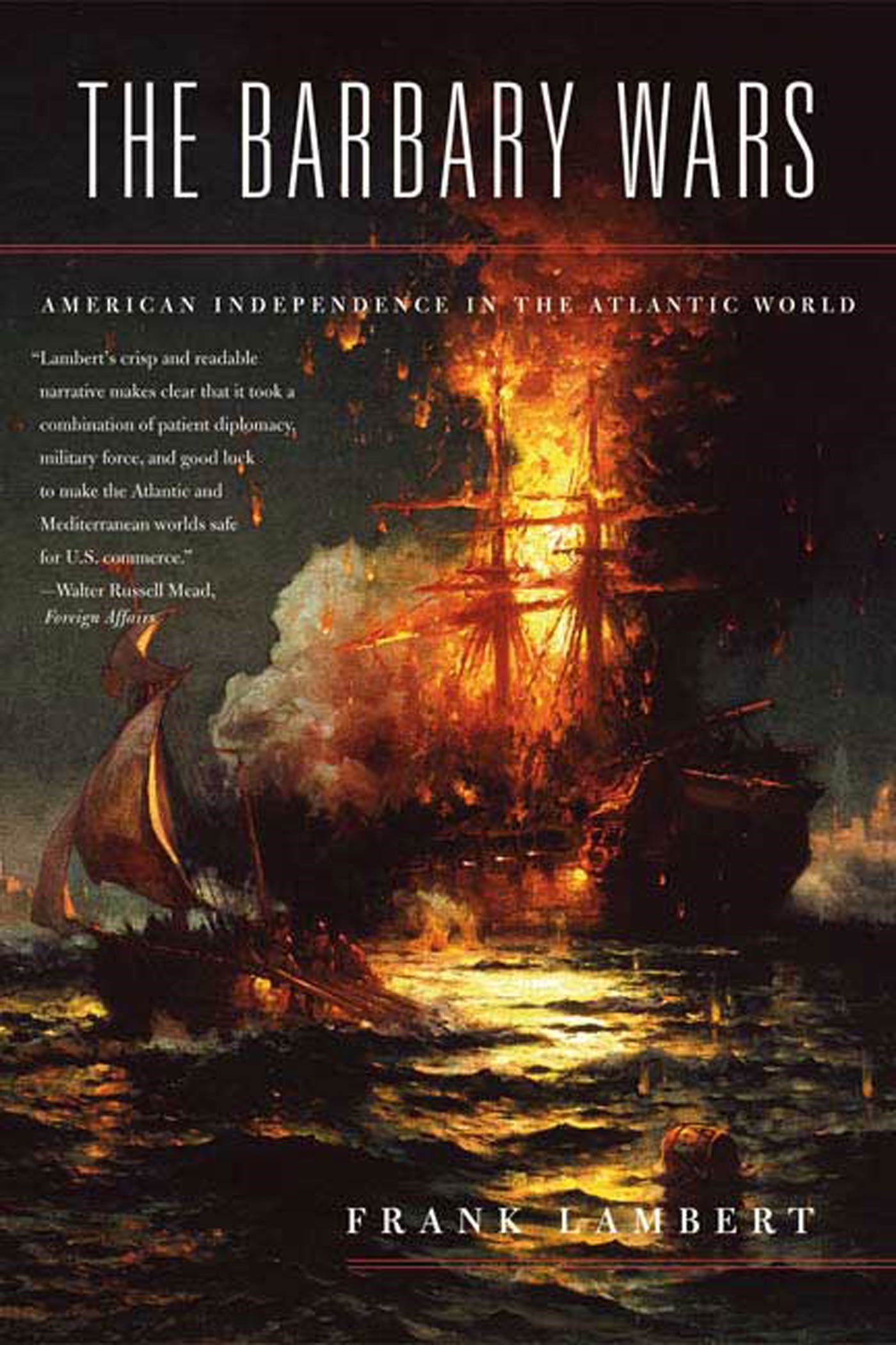
by Judith GiesbergCome here for: Firsthand appeals that carry the urgency of searching across yearsExpect: A narrative shaped by letters, advertisements, and researchWhere it sits:Slavery Studies19th-Century AmericaBlack HistoryThe Barbary Wars
by Frank LambertThe Poison Squad
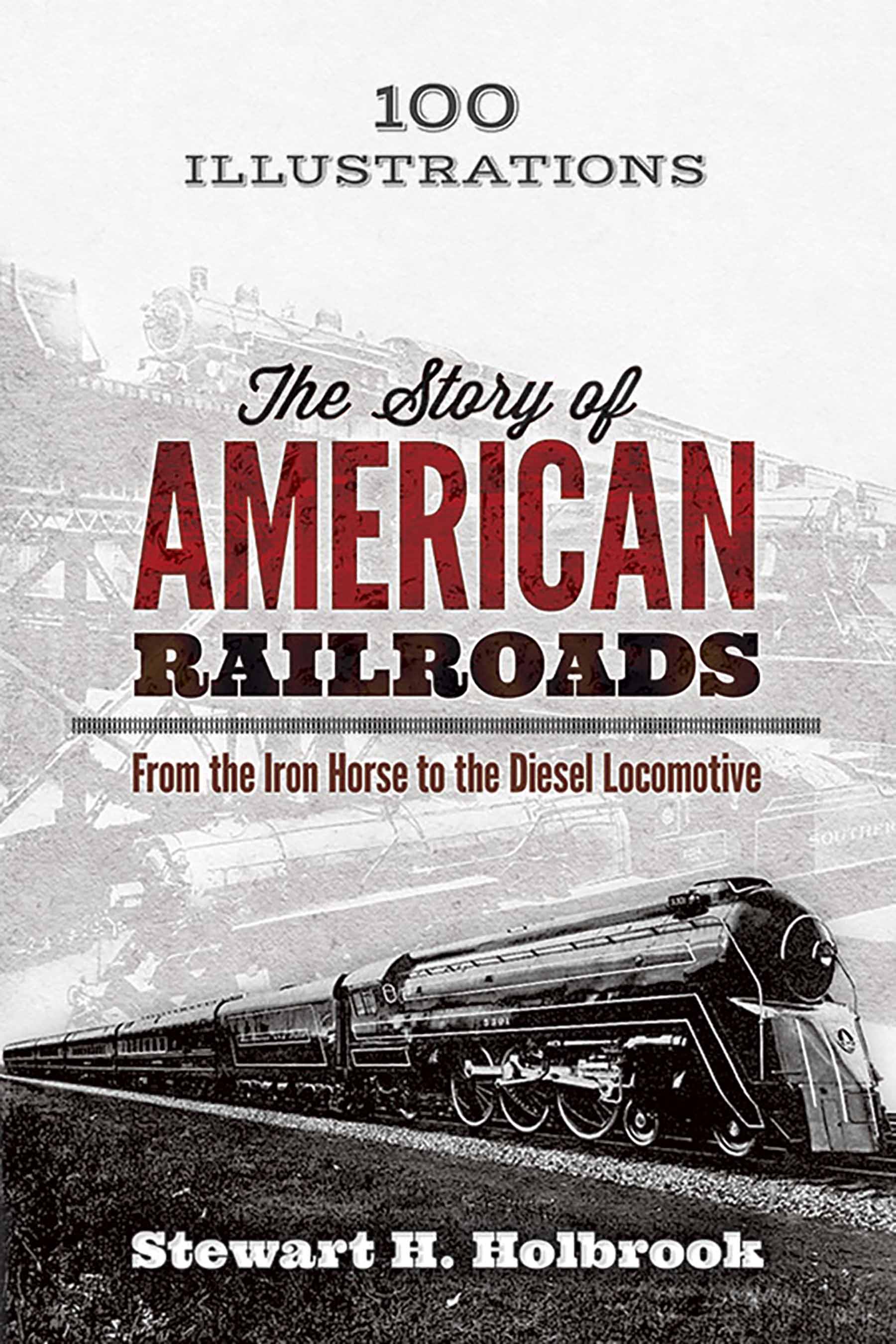
by Deborah BlumCome here for: The unsettling chemistry behind familiar foodsExpect: Investigative history with vivid human stakesThe Story of American Railroads
by Stewart H. HolbrookCome here for: The railway’s changing techniques, devices, and machinesExpect: Challenges from nature, political maneuvering, and corruptionWhere it sits:Railroad HistoryRailroad Photo Books19th-Century AmericaStrong Passions
by Barbara WeisbergWhere it sits:True CrimeLives in History19th-Century America