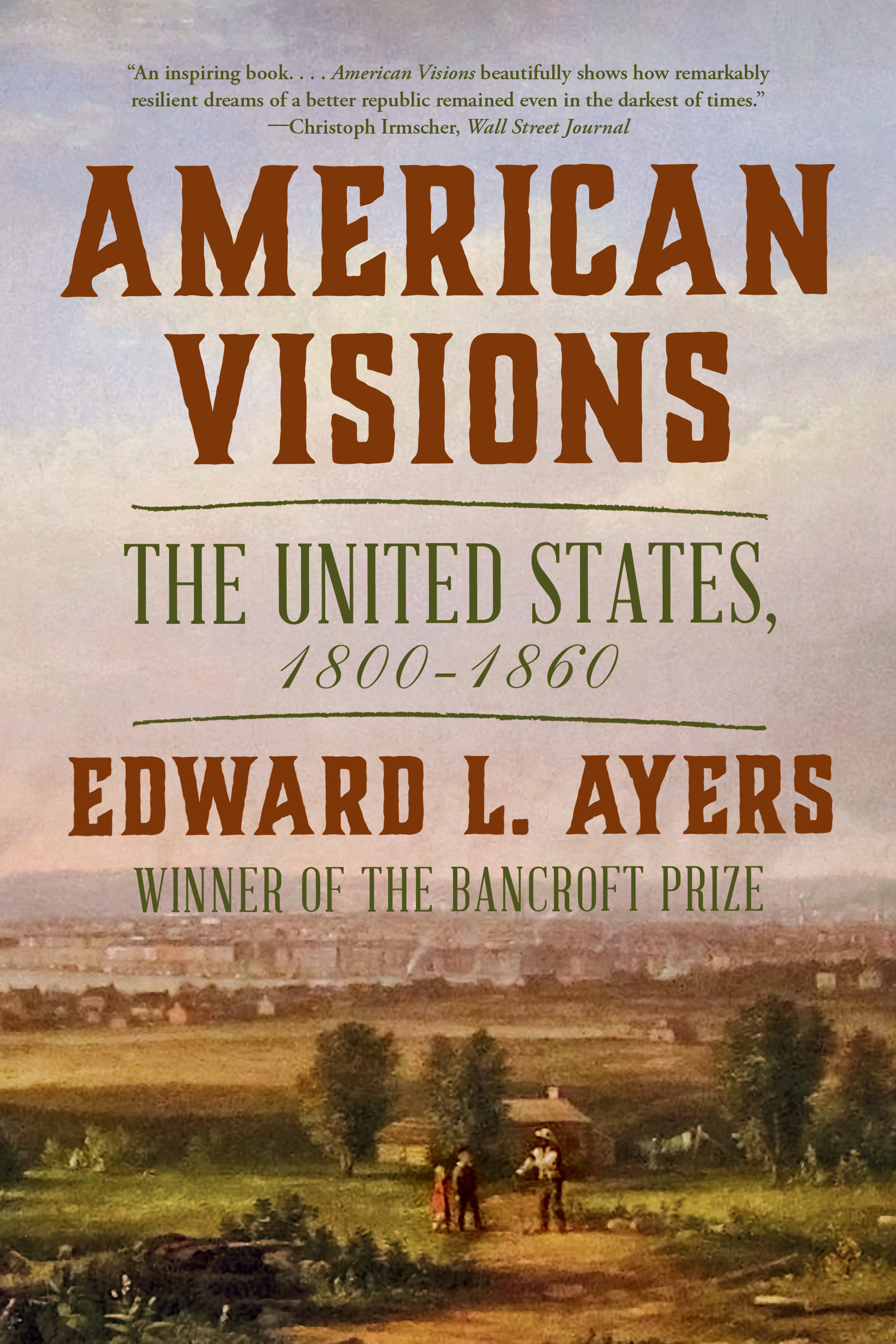
American Visions
The United States, 1800-1860
A compact, explanatory look at the United States from 1800 to 1860.
The Long View
Come here for
- A clear run through the era
- Big-picture American history, tightly framed
Expect
- Cultural literacy with a historian’s grip
- A sustained, readable narrative
Where it sits
How strongly BookFrontier reads the book as belonging to each subject.
Nearest books
Matched by our semantic model. Ordered by what its readers also loved.
 Wide AwakeJon Grinspan65% subject matchShares 19th-Century America
 The Broken ConstitutionNoah Feldman62% subject match
 War Without MercyMark Edward Lender, James Kirby Martin63% subject match
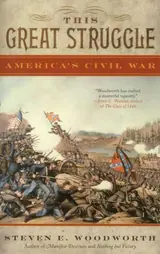 This Great StruggleSteven E. Woodworth62% subject matchShares 19th-Century America
 The American Revolution and the Fate of the WorldRichard Bell69% subject match
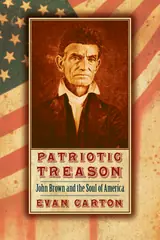 Patriotic TreasonEvan Carton64% subject matchShares Black History
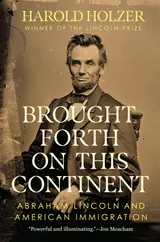 Brought Forth on This ContinentHarold Holzer61% subject match
 By the Light of Burning DreamsDavid Talbot, Margaret Talbot61% subject match
For younger readers: A Young People's History of the United States, Volume 1, A Young People's History of the United States, Volume 2, A Young People's History of the United States
Start with three books, and this one can be the first.
Members get a new edition every morning: a route out from their books to essays, research and talks, with the reason for each.
Sign upAbout this book
A revealing history of the formative period when voices of dissent and innovation defied power and created visions of America still resonant today.
With so many of our histories falling into dour critique or blatant celebration, here is a welcome departure: a book that offers hope as well as honesty about the American past. The early decades of the nineteenth century saw the expansion of slavery, Native dispossession, and wars with Canada and Mexico.
Continue reading
Mass immigration and powerful religious movements sent tremors through American society. But even as the powerful defended the status quo, others defied it: voices from the margins moved the center; eccentric visions altered the accepted wisdom, and acts of empathy questioned self-interest. Edward L. Ayers’s rich history examines the visions that moved Frederick Douglass, Margaret Fuller, the Native American activist William Apess, and others to challenge entrenched practices and beliefs. So, Lydia Maria Child condemned the racism of her fellow northerners at great personal cost. Melville and Thoreau, Joseph Smith and Samuel Morse all charted new paths for America in the realms of art, nature, belief, and technology. It was Henry David Thoreau who, speaking of John Brown, challenged a hostile crowd "Is it not possible that an individual may be right and a government wrong?"
Through decades of award-winning scholarship on the Civil War, Edward L. Ayers has himself ventured beyond the interpretative status quo to recover the range of possibilities embedded in the past as it was lived. Here he turns that distinctive historical sensibility to a period when bold visionaries and critics built vigorous traditions of dissent and innovation into the foundation of the nation. Those traditions remain alive for us today.
Publisher details
Publisher categories
- 19th-Century America
- Civil War Era
- 19th-Century History
- Authors
- Edward L Ayers
- Publisher
- WW Norton
- Published
- September 3, 2024
- Format
- Print & ebook
- Reading lane
- 19th-Century America