
Clear-eyed Civil War history that explains the era without flattening its scale.
- Themes
- Civil War, Slavery and Emancipation, American Liberty
- Pacing
- Fast
Why It Works
Come here for
- Civil War history with a strong explanatory spine
- A long, sustained read that still keeps its footing
Expect
- Military history with room for broader context
- A steady, detailed narrative rather than a quick sweep
Where it sits
How strongly BookFrontier reads the book as belonging to each subject.
Nearest books
Matched by our semantic model. Ordered by what its readers also loved. Most of these share its genre: Civil War Era.
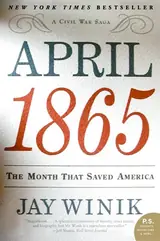 April 1865Jay Winik64% subject matchAlso shares Civil Wars and 19th-Century America
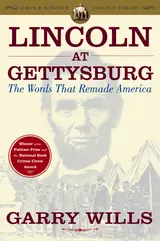 Lincoln at GettysburgGarry Wills59% subject match
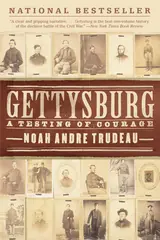 GettysburgNoah Andre Trudeau66% subject matchAlso shares Civil Wars and 19th-Century America
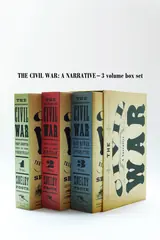 The Civil War: A NarrativeShelby Foote69% subject matchAlso shares Civil Wars
 The Republic for Which It StandsRichard White57% subject matchAlso shares 19th-Century America
 Embattled RebelJames M. McPherson65% subject match
 The Civil WarGeoffrey C. Ward, Ric Burns70% subject matchAlso shares Civil Wars
 The British Are ComingRick Atkinson59% subject match
For younger readers: Bloody Times, Two Miserable Presidents, Rifles for Watie
Start with three books, and this one can be the first.
Members get a new edition every morning: a route out from their books to essays, research and talks, with the reason for each.
Sign upAbout this book
Now featuring a new Afterword by the author, this handy paperback edition of the Pulitzer Prize-winning Battle Cry of Freedom is without question the definitive one-volume history of the Civil War. James McPherson's fast-paced narrative fully integrates the political, social, and military events that crowded the two decades from the outbreak of one war in Mexico to the ending of another at Appomattox.
Continue reading
Packed with drama and analytical insight, the book vividly recounts the momentous episodes that preceded the Civil War including the Dred Scott decision, the Lincoln-Douglas debates, John Brown's raid on Harper's Ferry. From there it moves into a masterful chronicle of the war itself--the battles, the strategic maneuvering by each side, the politics, and the personalities. Particularly notable are McPherson's new views on such matters as the slavery expansion issue in the 1850s, the origins of the Republican Party, the causes of secession, internal dissent and anti-war opposition in the North and the South, and the reasons for the Union's victory. The book's title refers to the sentiments that informed both the Northern and Southern views of the conflict. The South seceded in the name of that freedom of self-determination and self-government for which their fathers had fought in 1776, while the North stood fast in defense of the Union founded by those fathers as the bulwark of American liberty. Eventually, the North had to grapple with the underlying cause of the war, slavery, and adopt a policy of emancipation as a second war aim. This "new birth of freedom," as Lincoln called it, constitutes the proudest legacy of America's bloodiest conflict. This authoritative volume makes sense of that vast and confusing "second American Revolution" we call the Civil War, a war that transformed a nation and expanded our heritage of liberty.
In our reading guides
Publisher details
Publisher categories
- Civil War Era
- Authors
- James M. McPherson
- Publisher
- Oxford University Press
- Published
- November 5, 2003
- Format
- Print & ebook
- Reading lane
- Civil War Era