Civil War Histories, From Lincoln’s Cabinet to Soldiers’ Letters
Find a nonfiction Civil War history with the scope you want, from the full conflict to political crises, soldiers’ lives, espionage, and loss.
Edited by Chris · updated 2026-11-07
Choose Team of Rivals for an in-depth White House view of Lincoln’s leadership and The Demon of Unrest for the five-month crisis from his election to the shelling of Fort Sumter. For a detailed single-volume history connecting the war’s causes, politics, society, and battles, start with Battle Cry of Freedom. The Civil War: A Narrative follows the conflict across three volumes, while The Civil War offers a clear general introduction.
Our reading of each book:Come here forExpectWhere it sits
The whole conflict, at your pace
A single volume can give you a general introduction or a much more sustained account. These histories follow the conflict from beginning to end, with a three-volume option for a longer immersion.
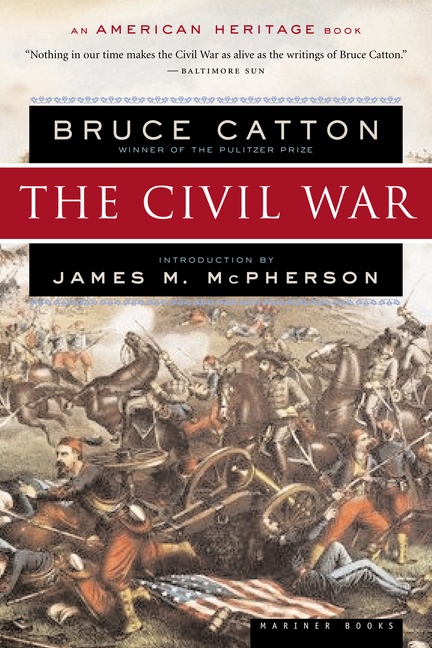
The Civil War
North–South division supplies the starting point for The Civil War, and Confederate surrender supplies the destination. Bruce Catton keeps that long sequence within a single volume, making a general account feel like a sustained narrative. When you want the course of the war to make sense before pursuing individual episodes, the clear, steady prose supplies an accessible introduction. Battles remain central, but Catton also weaves in political activity and diplomatic efforts overseas.
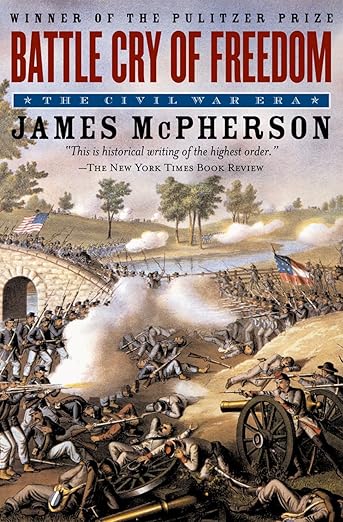
Battle Cry of Freedom
How did the struggle over slavery lead to secession, and why did the Union ultimately prevail? Battle Cry of Freedom connects those questions across two decades, from the war in Mexico to Appomattox, integrating political and social developments with campaigns and strategy. James McPherson gives the Dred Scott decision, the Lincoln–Douglas debates, and the rise of the Republican Party room within a substantial single volume. The narrative moves briskly while explaining internal opposition on both sides and the Union’s adoption of emancipation as a war aim.
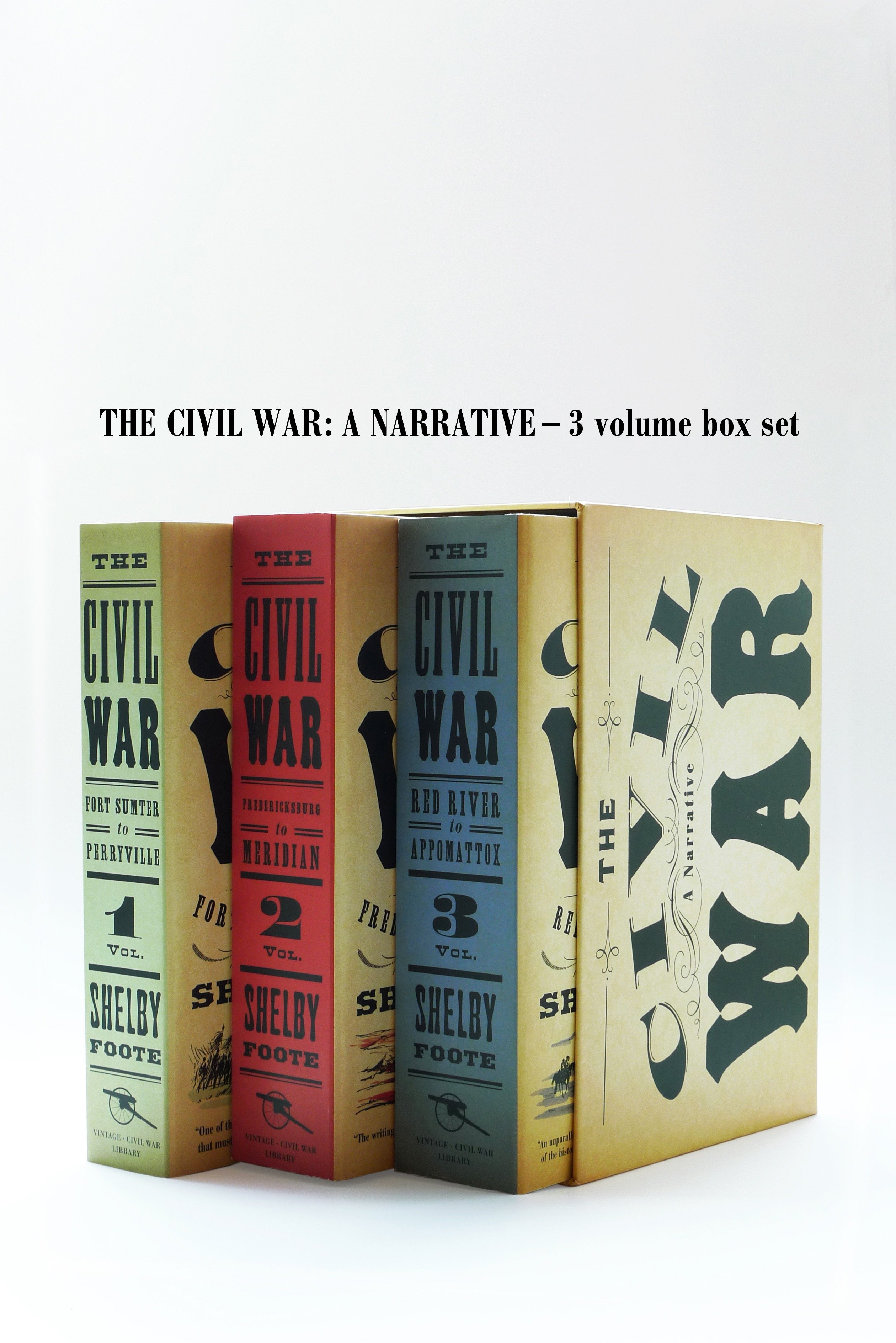
The Civil War: A Narrative
Jefferson Davis’s farewell to the Senate opens The Civil War: A Narrative, a history built for the space of three volumes. Shelby Foote follows the widening conflict through Antietam and Perryville, then gives the pivotal year of 1863 the middle volume, including Gettysburg and Grant’s Vicksburg campaign. The scale suits anyone ready to stay with a sustained account of military events as they unfold. Its final volume carries the narrative through the military endgame to Appomattox and the assassination of Lincoln.
Inside Lincoln’s political decisions
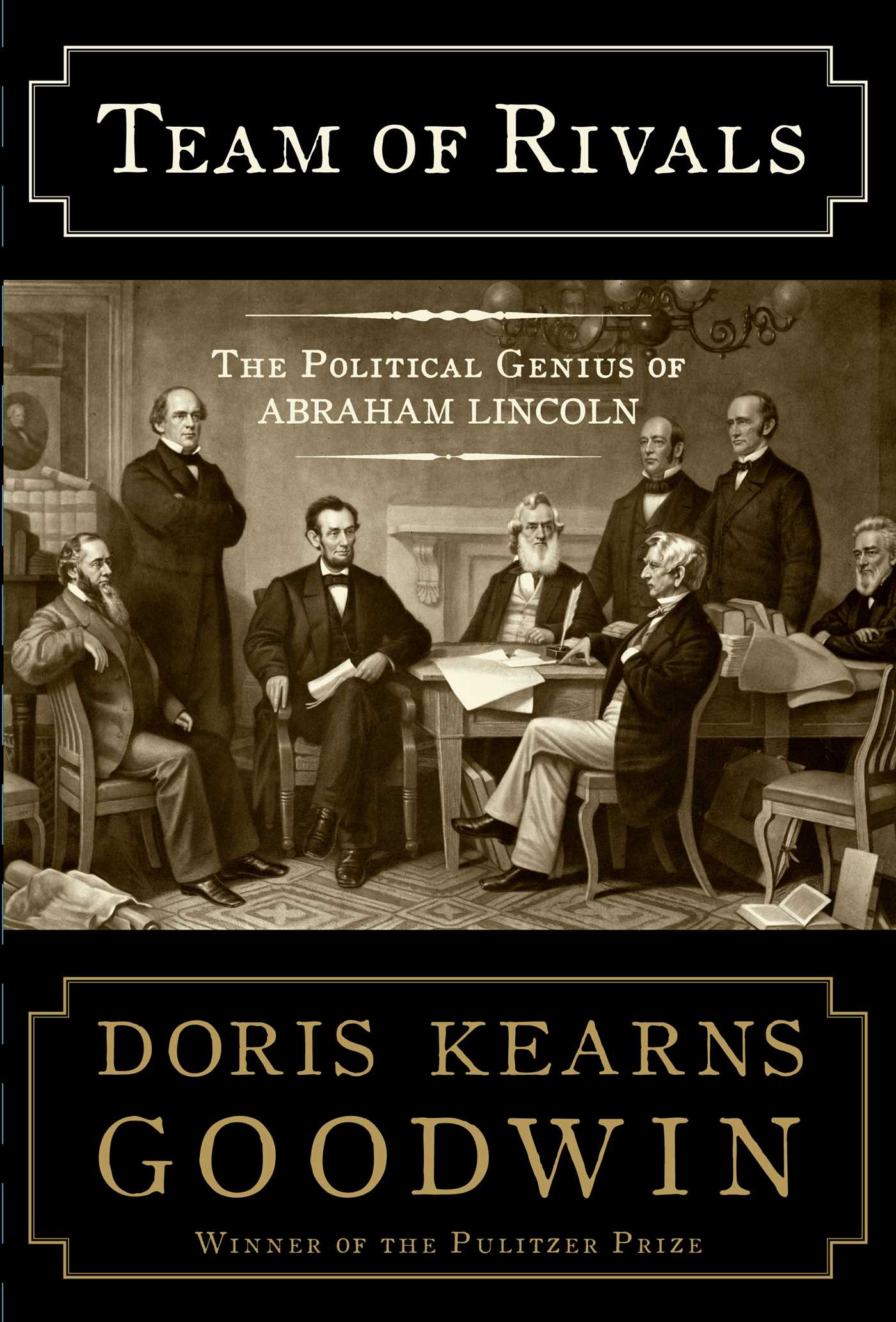
Team of Rivals
An angry rival is not an obvious cabinet recruit, but that is the political problem at the center of Team of Rivals. Doris Kearns Goodwin follows Lincoln and the men he defeated for the Republican nomination, keeping Seward, Chase, and Bates central as competition becomes service in his administration. You follow the war from the White House, where cabinet tensions, hostile congressmen, and difficult generals test his leadership. The close attention goes to character and relationships: how understanding other people helped Lincoln marshal their talents to preserve the Union.
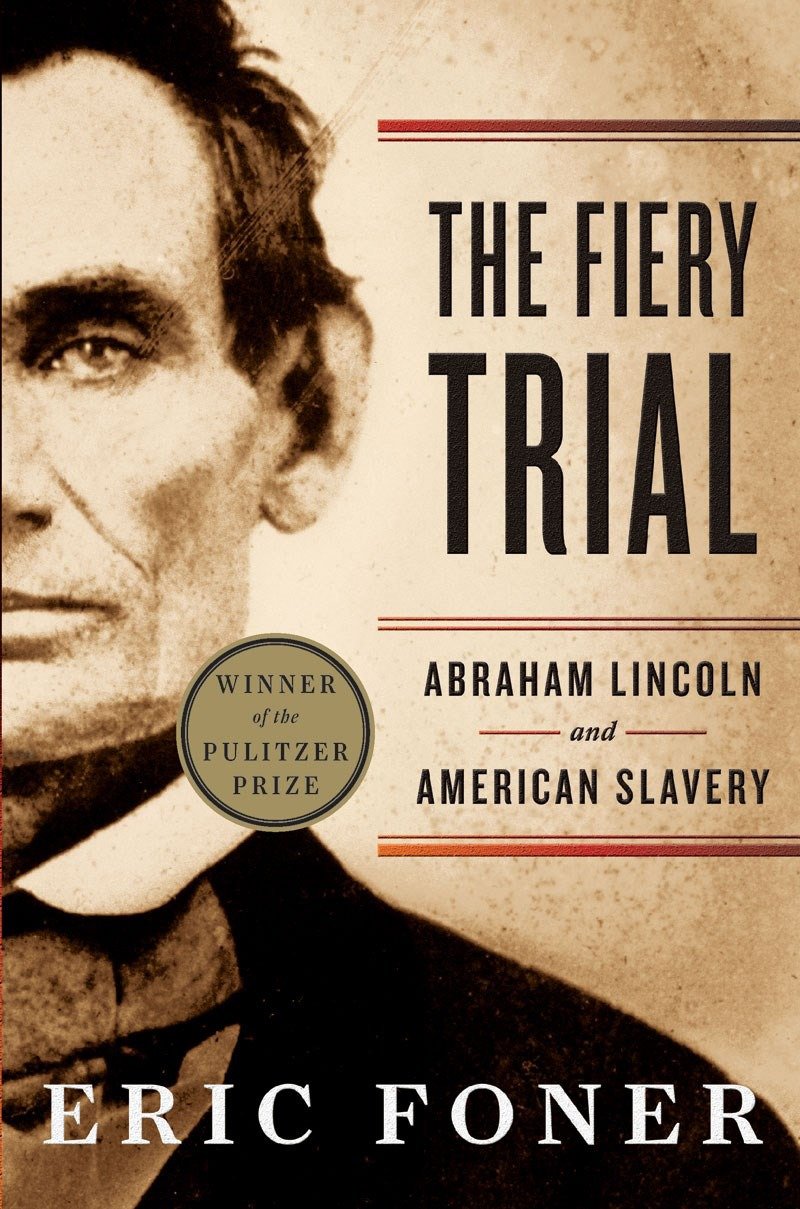
The Fiery Trial
Lincoln’s position on slavery did not stand still. In The Fiery Trial, Eric Foner traces a lifelong engagement with that issue, placing a pragmatic politician’s choices within the larger history of antislavery politics, secession, and civil war. The focused subject allows close attention to moral and political growth without losing the surrounding pressures. A clear, study-friendly presentation keeps attention on change over time, especially the difficult relationship between acting on principle and navigating political realities.
Slow down at the turning points
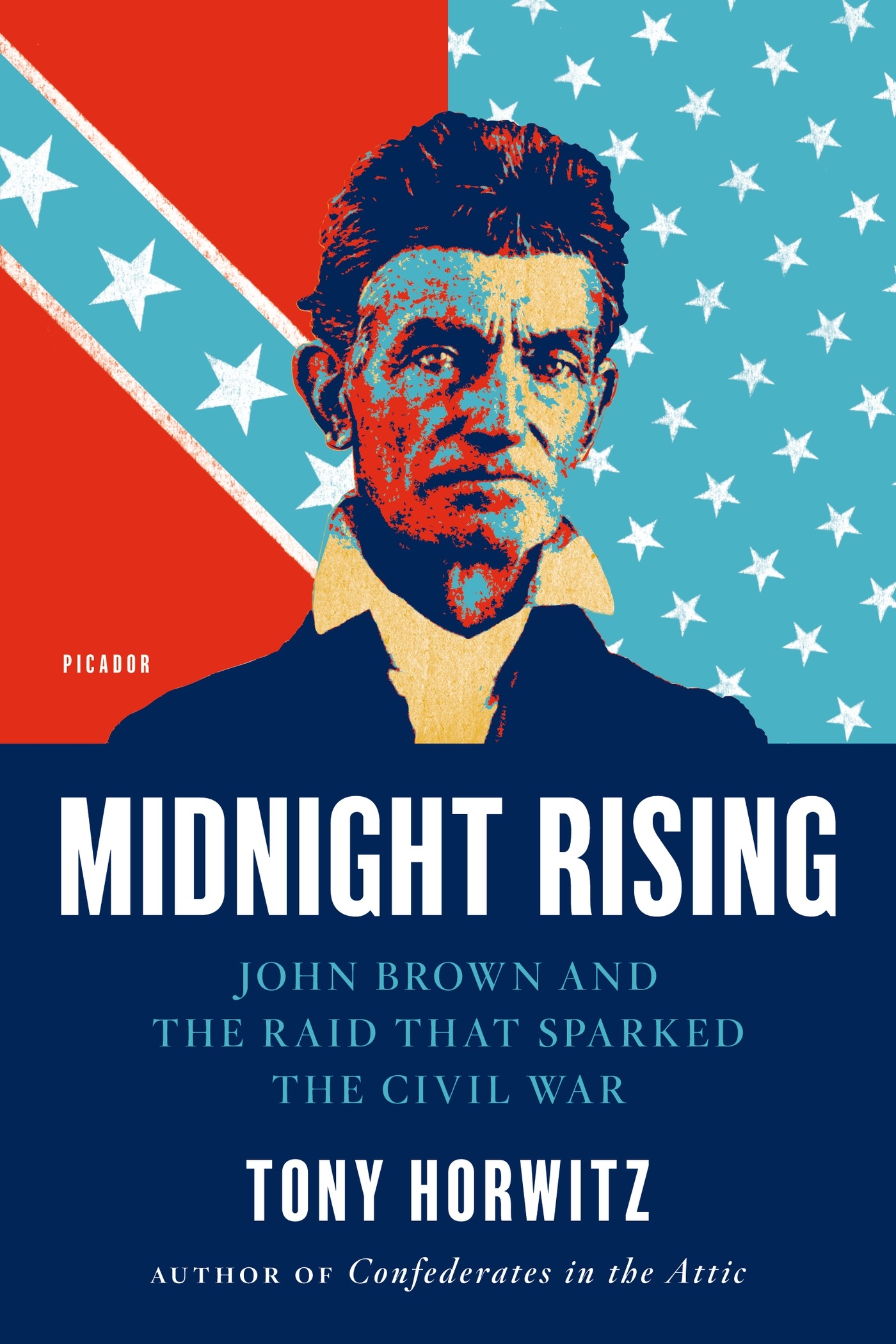
Midnight Rising
At a Maryland hideout in 1859, John Brown prepares an armed strike against slavery. Midnight Rising follows the raid on Harpers Ferry and the people behind it, including Brown’s teenage daughter, three sons, former slaves, and a spy. Tony Horwitz places the uprising within the divisions of antebellum America, tracing Brown’s conviction that slavery violated the nation’s founding principles. The raid prompts a counterattack led by Robert E. Lee; after Brown’s capture, his defiant words galvanize the North and appall the South.

The Demon of Unrest
Five months of miscommunication, ambition, and divided loyalties fill The Demon of Unrest. Erik Larson concentrates on the interval between Lincoln’s election and the shelling of Fort Sumter, as slavery-fueled political conflict comes to focus on a federal fortress in Charleston Harbor. State after state secedes while Lincoln remains powerless to stop them. Major Robert Anderson, a former slave owner sympathetic to the South but loyal to the Union, and secessionist agitator Edmund Ruffin embody the tensions around the fort.
April 1865
Surrender does not settle everything in April 1865. Jay Winik confines the central drama to April 1865, bringing the fall of Richmond, Lee’s retreat, Appomattox, and Lincoln’s assassination into one account of military collapse and political crisis. The tight calendar supports a close examination of what ending the war required, while profiles of major figures place individual decisions within the nation’s wider history. A gripping sequence encompasses plans for guerrilla warfare, fears of a coup, continued bloodshed, and the beginnings of reconciliation.
Follow soldiers, spies, and a commander
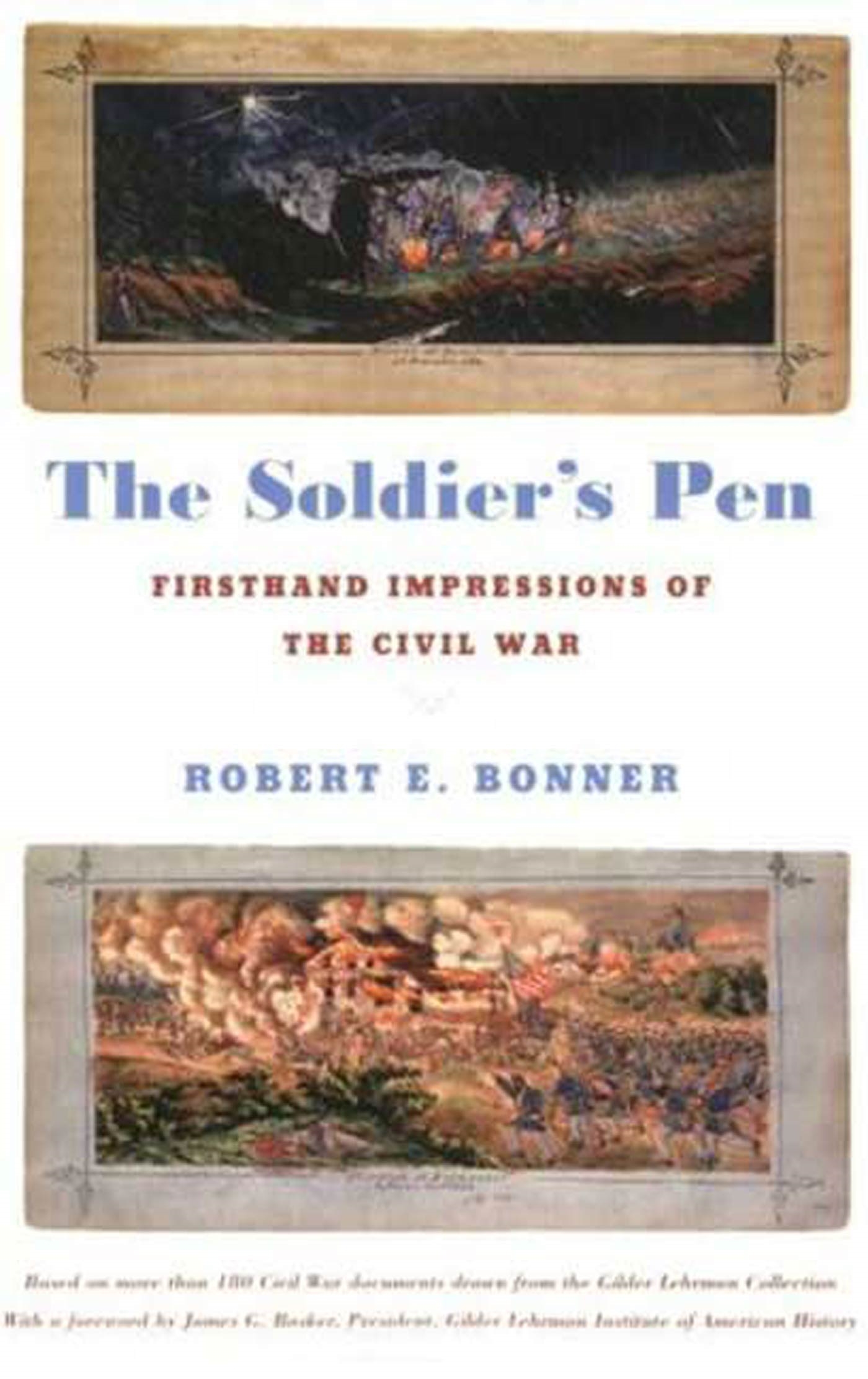
The Soldier's Pen
Nineteen watercolors preserve a year’s enlistment for one German-speaking infantryman in The Soldier's Pen. Robert E. Bonner brings that artist together with fifteen other soldiers, using diaries, letters, cartoons, and paintings to build an account reaching across the conflict. None of these men were commissioned officers, so the detail gathers around day-to-day military life. Context and explanation connect the documents while keeping individual experiences central, including those of a free Black man from Syracuse and six men from slave states.
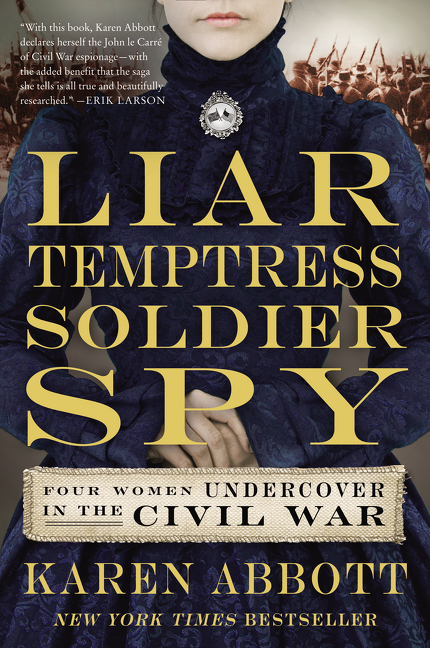
Liar, Temptress, Soldier, Spy
Emma Edmonds cuts her hair and enlists as a Union private under a man’s identity; Elizabeth Van Lew runs an espionage ring under cover of proper Southern manners in Richmond. Their stories join Belle Boyd’s and Rose O’Neale Greenhow’s in Liar, Temptress, Soldier, Spy, Karen Abbott’s interwoven account of four women’s covert work. Boyd becomes a Confederate courier and spy after shooting a Union soldier in her front hall. Political connections and private relationships become tools of intelligence gathering, down to Greenhow’s use of her young daughter to carry information to Southern generals.
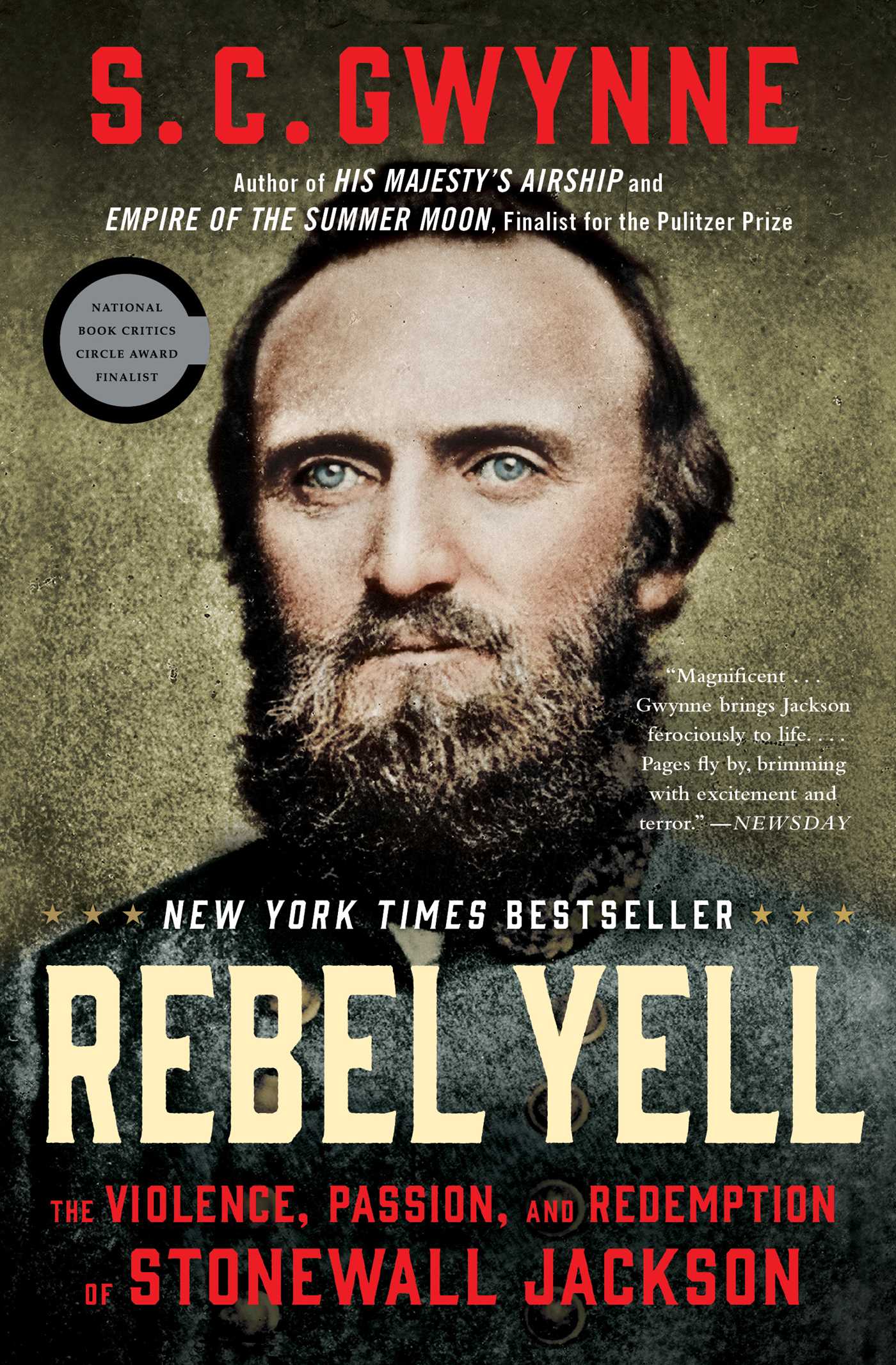
Rebel Yell
Jackson’s strategic innovations drive the action in Rebel Yell, but S. C. Gwynne also makes room for the general’s private life. The account follows a twenty-four-month Civil War career, tracing a Confederate commander’s rise from obscurity to fame. Battle lore and biographical detail develop alongside intense conflicts among the historical figures around him. His methods challenged conventional military thinking and were studied for generations afterward; his death brought grief in both North and South.
What mass death changed
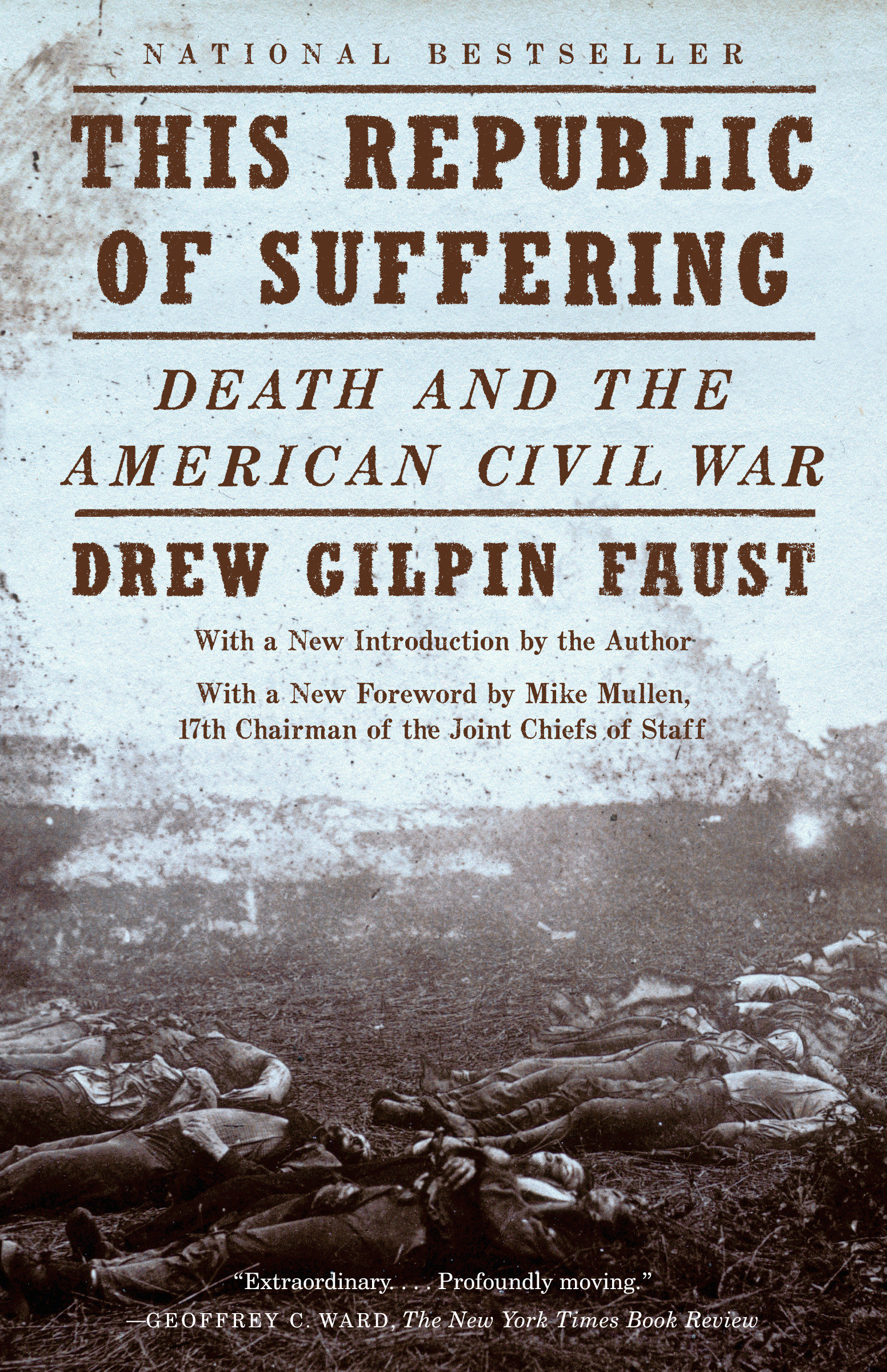
This Republic of Suffering
Death becomes the organizing principle of This Republic of Suffering, with consequences that extend from individual households to the life of the nation. An estimated 750,000 soldiers lost their lives in the war. Drew Gilpin Faust brings soldiers, families, surgeons, nurses, religious figures, and others into a history of how people managed mass loss and struggled to reconcile it with belief in a benevolent God. Here the depth lies in grief’s practical and cultural demands, and the breadth comes from voices on both sides of the conflict.