U.S. Civil War Era History
From Sumter's first shell to Appomattox and Lincoln's evolving mind, plus the reenactors still crash-dieting to look like starved Confederates.
Optimized for books about united states civil war period (1850-1877).
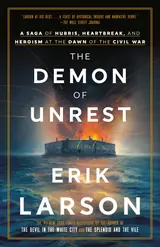
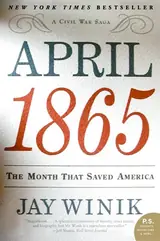
The Civil War era still carries real stakes, and these books work it at every scale. Take in the whole arc from the war with Mexico to Appomattox in Battle Cry of Freedom, or zoom in tight: the five tense months before Fort Sumter in The Demon of Unrest, thirty days in the spring of 1865 in April 1865. Lincoln gets studied as a man who grew into his greatness, and the war's afterlife turns up on battlefields and in reenactors' camps. If you want campaigns, politics, slavery and emancipation woven together, driven by real people making costly miscalculations, this shelf is built for you.
Our reading of each book:Come here forExpectWhere it sits
Confederates in the Attic
by Tony HorwitzA war correspondent, settled in a quiet corner of the Blue Ridge Mountains, wakes to the crackle of musket fire and starts filing dispatches again. Confederates in the Attic follows him across ten states: into Virginia with hardcore reenactors who crash-diet for that hollow-eyed Confederate look, then to Kentucky Klan rallies sparked by the killing of a man waving a rebel flag. Travelogue and social commentary at once, it asks why the Lost Cause still holds people in thrall.
Come here for: Civil War memory, still echoingExpect: History and travel writing in one registerWhere it sits:Civil War EraTravel WritingSouthern U.S. HistoryBattle Cry of Freedom
by James M. McPhersonHow could the South secede in the name of 1776 while the North fought to preserve the Union those same founders built? Battle Cry of Freedom runs that tension from the war with Mexico through Dred Scott, the Lincoln-Douglas debates and John Brown's raid, then into the campaigns themselves. Dissent on both home fronts, the rise of the Republican Party and why the Union won all get weighed, and emancipation emerges as the war's second aim.
Come here for: Civil War history with a strong explanatory spineExpect: Military history with room for broader contextWhere it sits:Civil War Era19th-Century AmericaCivil WarsThe Demon of Unrest
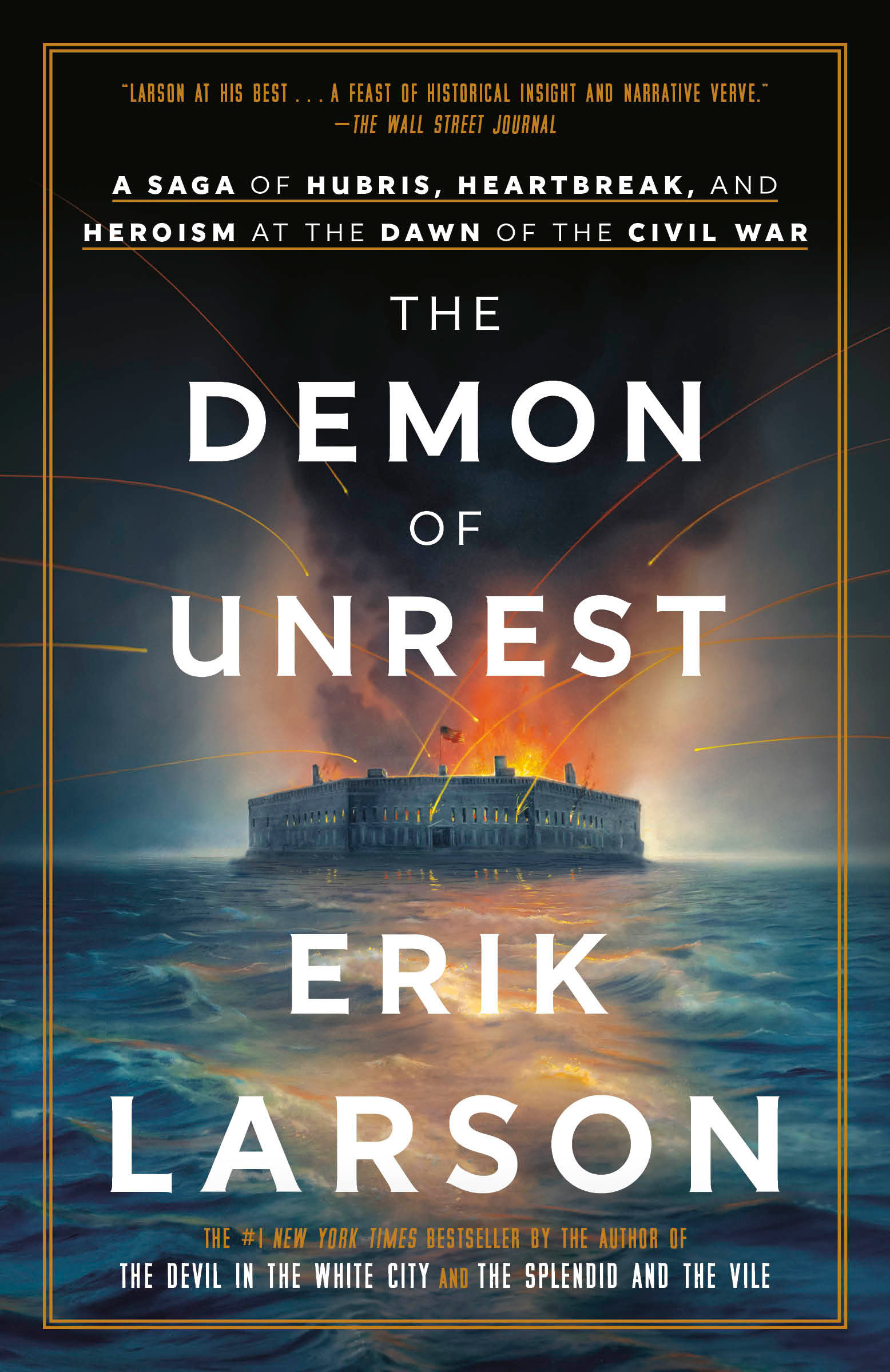
by Erik LarsonOn November 6, 1860, Abraham Lincoln became the fluky winner of a tight race, then watched state after state secede, powerless to stop them. The Demon of Unrest covers the five months between that vote and the shelling of Fort Sumter, centered on Major Robert Anderson, a former slave owner loyal to the Union, and Edmund Ruffin, a vain radical fanning secession at every turn. Miscommunications, betrayals and inflamed egos keep the suspense taut throughout.
Come here for: Erik Larson’s familiar sweep and scene-settingExpect: Accessible history, not a dense marchWhere it sits:Civil War Era19th-Century AmericaCivil WarsApril 1865
by Jay WinikRichmond falls. Lee retreats. Appomattox, and then, just five days later, Lincoln is assassinated amid a plot that nearly decapitates the Union government. April 1865 also tracks the roads not taken: a last-ditch Southern plan for guerrilla warfare, coup fears in the North, negotiations collapsing while the bloodshed went on. It frames these weeks as both the war's denouement and the real start of national reconciliation, the moment the nation itself took shape.
Come here for: Battlefield endings tangled with political upheavalExpect: Profiles of outsized historical figuresWhere it sits:Civil War Era19th-Century AmericaCivil WarsLincoln
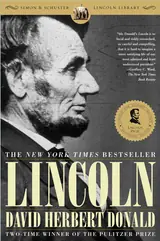
by David Herbert DonaldAbraham Lincoln reached the White House inexperienced and unprepared, and Lincoln treats that as the starting point rather than a footnote. Donald follows him through the ever-widening political circles of Illinois before the presidency, keeping the focus on his remarkable capacity to evolve. So the leader who ends slavery and preserves a shattered Union arrives on the page as someone who grew into that weight, not someone born carrying it.
Come here for: A life traced from rural Kentucky to the presidencyExpect: Biography with attention to character and changeWhere it sits:Presidents & World LeadersCivil War EraPolitical LivesThe Fiery Trial
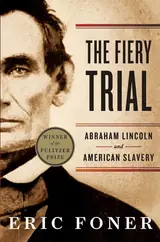
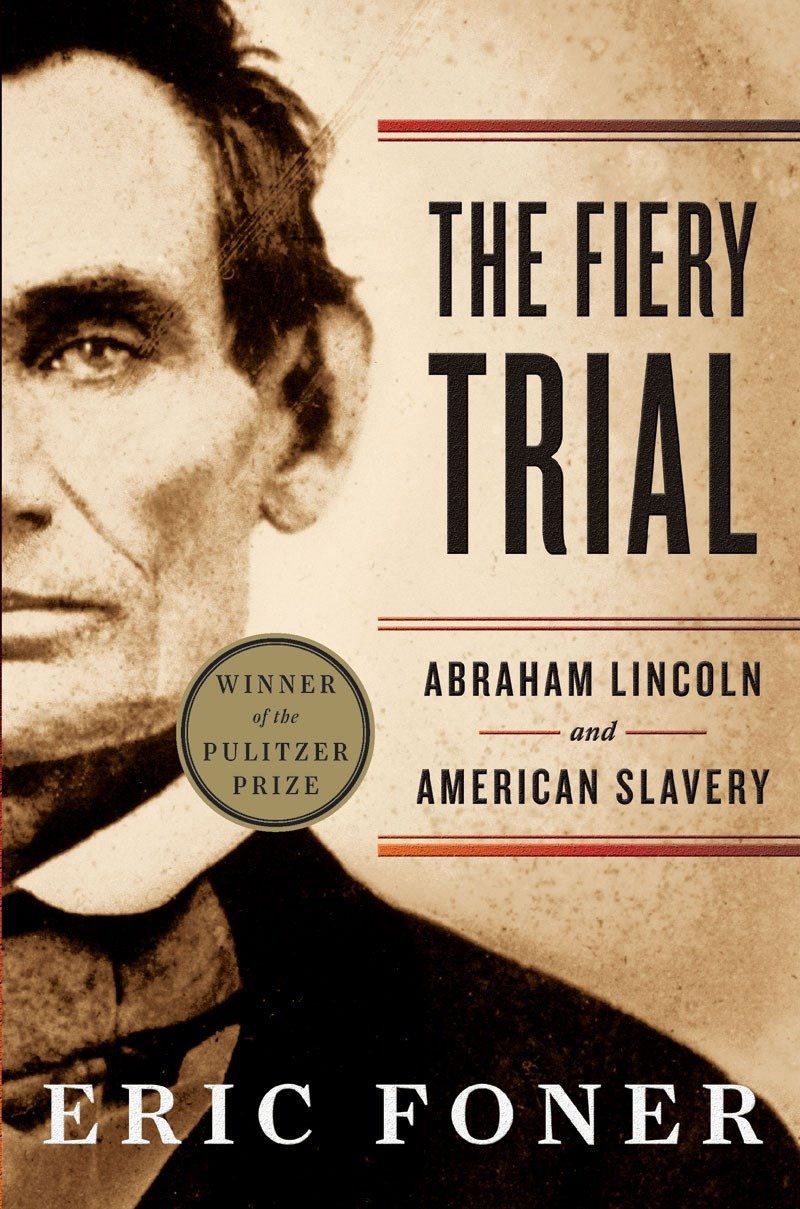
by Eric FonerPragmatic politician and man of principle at once, Lincoln navigates antislavery politics, secession and civil war with real deftness in The Fiery Trial. Foner traces his lifelong engagement with slavery, the nation's critical issue, and holds the man and the wider history of the period in careful balance so neither crowds out the other. What emerges is a greatness rooted in growth, moral and political, with every shift in his thinking set against its moment.
Come here for: Lincoln-and-slavery lensExpect: Cultural literacy payoffWhere it sits:Presidents & World LeadersCivil War EraBlack History




The Civil War: A Narrative
by Shelby FooteCome here for: Shelby Foote’s measured, expansive Civil War storytellingExpect: Fredericksburg to MeridianWhere it sits:Civil War EraCivil WarsU.S. Military HistoryLincoln at Gettysburg
by Garry WillsCome here for: The force of political language in a defining American speechExpect: The address read in its historical and cultural frameThe Civil War
by Bruce CattonCome here for: Civil War history, clearly toldExpect: Cultural literacy without the dustWhere it sits:Civil War EraCivil Wars19th-Century AmericaKilling Lincoln
by Bill O'Reilly, Martin DugardCome here for: Tight historical pacingExpect: Clear historical signpostsThis Republic of Suffering
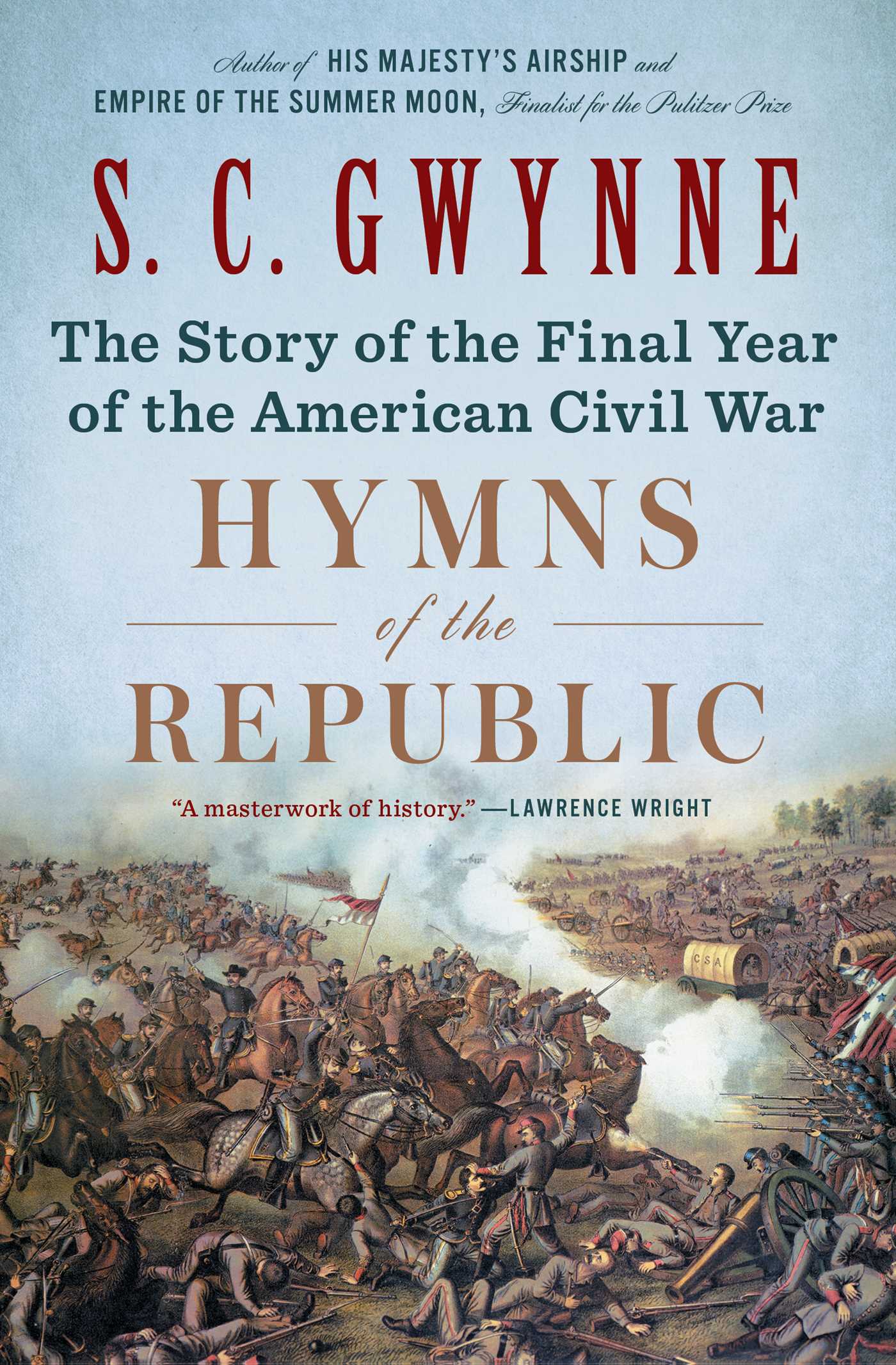
by Drew Gilpin FaustCome here for: Civil War history through death, grief, and national changeExpect: Measured, reflective proseWhere it sits:Civil War EraSocial HistoryCivil WarsHymns of the Republic
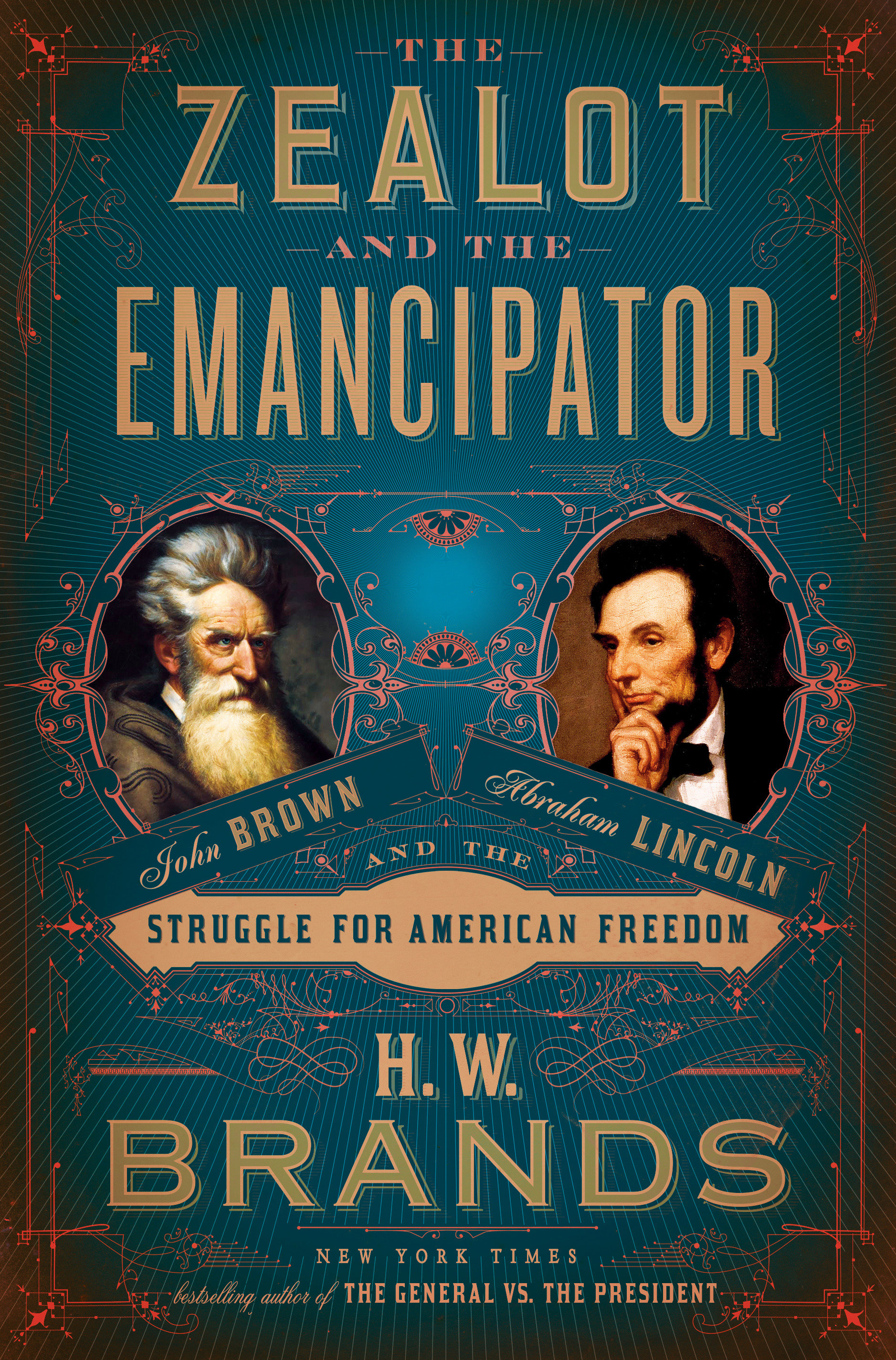
by S. C. GwynneCome here for: Serious Civil War-era historyExpect: 19th-century America in close viewWhere it sits:Civil War EraCivil WarsU.S. Military HistoryThe Zealot and the Emancipator
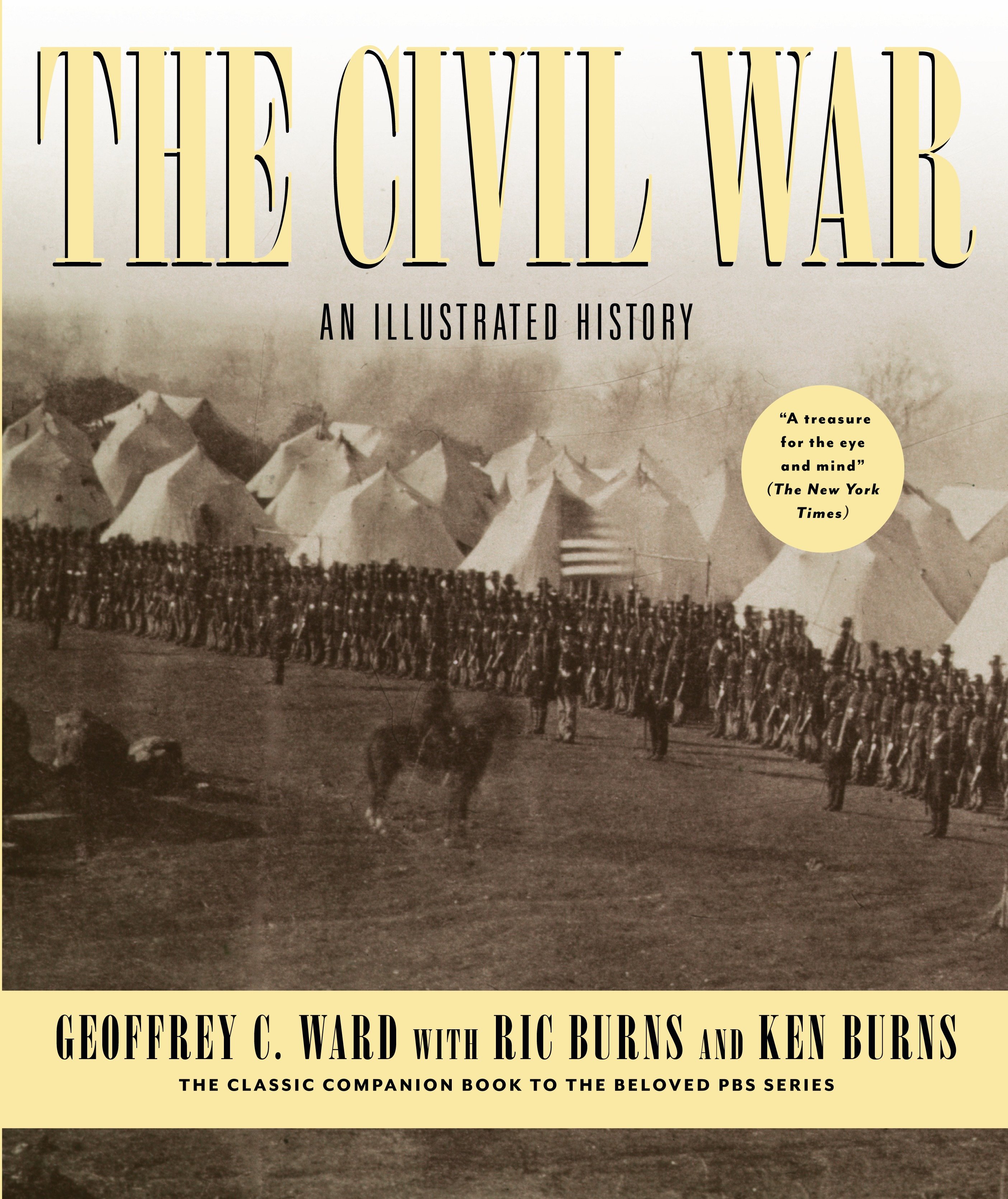
by H. W. BrandsCome here for: The collision between John Brown’s militant abolitionism and Lincoln’s political strategyExpect: A sustained historical narrative centered on Brown and LincolnWhere it sits:Civil War EraPresidents & World LeadersPolitical LivesThe Civil War
by Geoffrey C. Ward, Ric BurnsCome here for: Rare photographs, paintings, lithographs, and maps in full colorExpect: The grand sweep of events alongside human detailWhere it sits:Civil War EraU.S. Military HistoryCivil WarsGettysburg
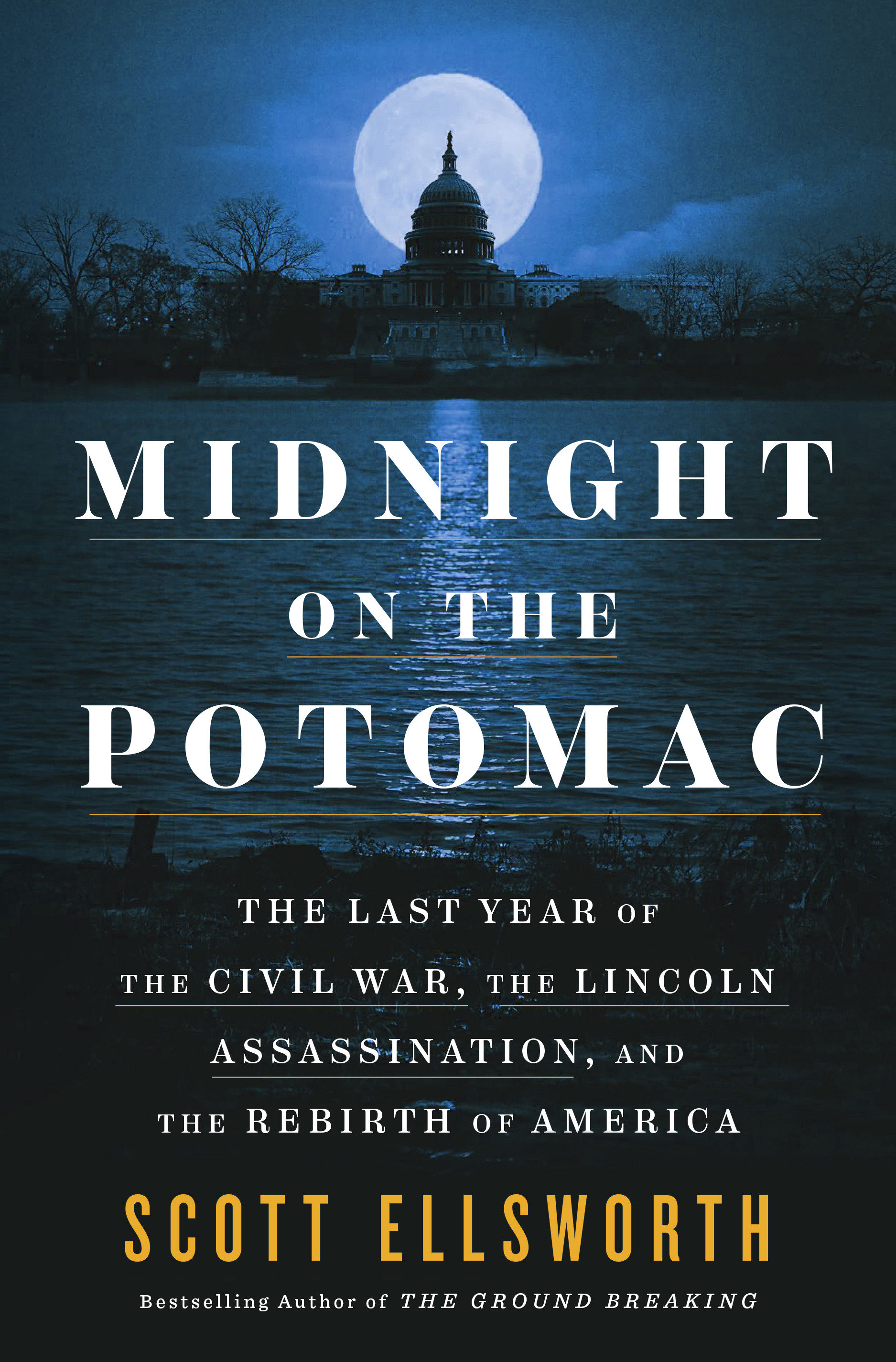
by Noah Andre TrudeauCome here for: Clear-eyed Civil War contextExpect: Institutional useWhere it sits:Civil War EraCivil Wars19th-Century AmericaMidnight on the Potomac
by Scott EllsworthCome here for: Civil War-era context with cultural weightExpect: Insight over triviaWith Malice Toward None
by Stephen B. OatesCome here for: Lincoln through a serious, narrative lensExpect: Civil War–era contextWhere it sits:Presidents & World LeadersCivil War EraPolitical LivesThe Unvanquished
by Patrick K. O'DonnellCome here for: Lincoln-era covert warfareExpect: Special operations taking shapeWhere it sits:Special Forces HistoryCivil War EraGuerrilla WarfareDon't Know Much About the Civil War
by Kenneth C. DavisCome here for: Civil War basics, cleanly arrangedExpect: Study-ready framingWhere it sits:Civil War EraCivil WarsTrivia & Fun FactsApostles of Disunion
by Charles B. DewCome here for: Clear historical explanationExpect: Practical, straightforward proseWhere it sits:Civil War EraSlavery Studies19th-Century AmericaThe Civil War
by DK, D.K. PublishingCome here for: Visual, accessible Civil War historyExpect: Straightforward historical framingWhere it sits:Civil War EraMilitary History-PictorialCivil WarsNothing Like It In the World
by Stephen E. AmbroseWhere it sits:Railroad History19th-Century AmericaCivil War EraBehind the Scenes
by Elizabeth KeckleyCome here for: Keckley’s path from enslavement to freedom and a successful dressmaking businessExpect: Poignancy, candor, and a distinctive historical perspectiveLincoln Unmasked
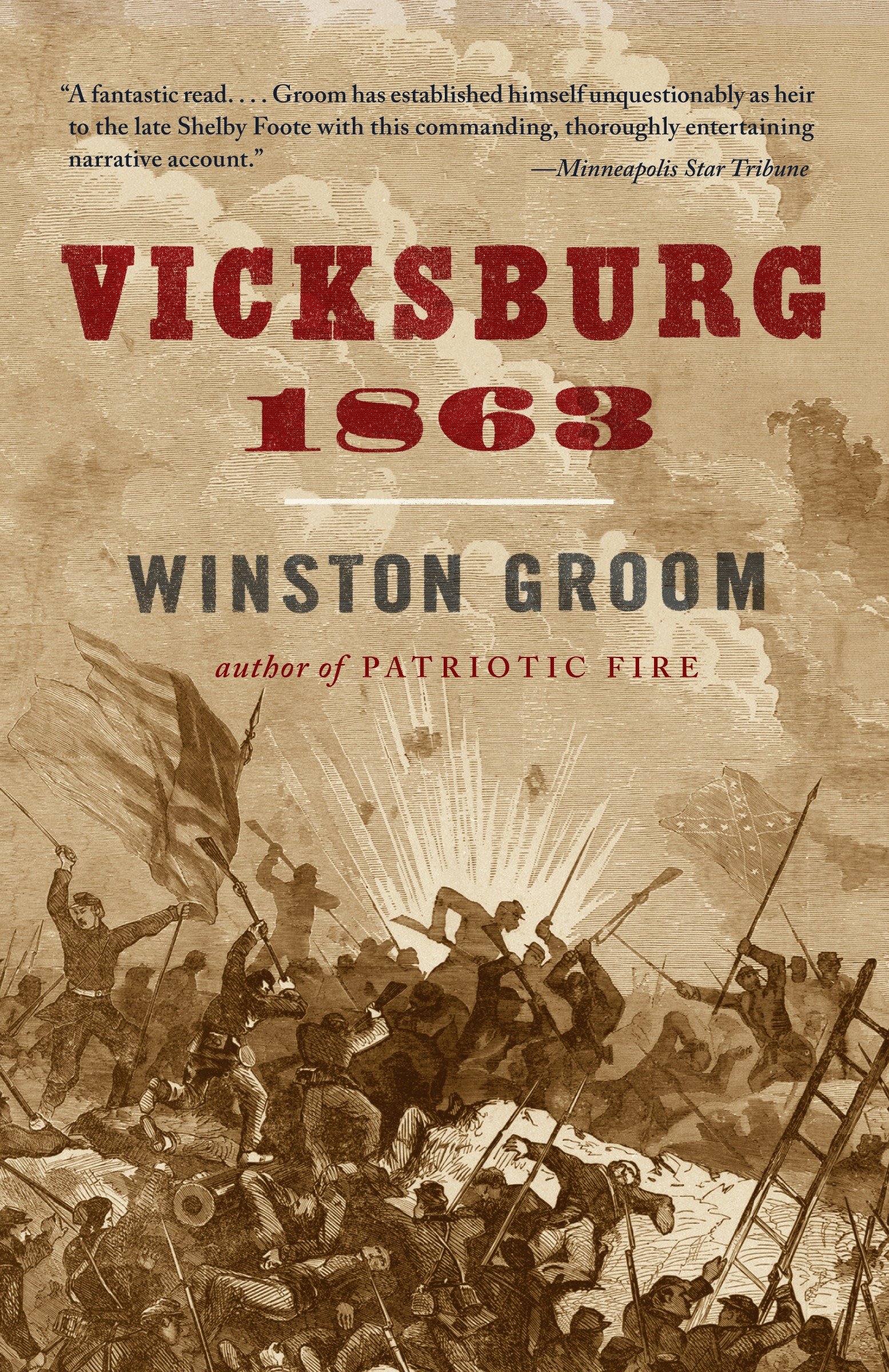
by Thomas J. DilorenzoCome here for: A dissenting take on Lincoln’s legacy, constitutional power, and civil libertiesExpect: An openly polemical argument against heroic portrayalsWhere it sits:Civil War EraPresidents & World LeadersPolitical LivesVicksburg, 1863
by Winston GroomCome here for: Vicksburg, 1863 focusExpect: Military history framingWhere it sits:Civil War EraCivil WarsU.S. Military HistoryLincoln’s Lady Spymaster
by Gerri WillisCome here for: Civil War espionage, with a historical hookExpect: Cultural-literate Civil War contextWhere it sits:Women's LivesIntelligence & EspionageCivil War EraA Year in the South: 1865
by Stephen V. AshCome here for: Civil War history seen from sharply different vantage pointsExpect: Vivid detail about fears, hopes, and frustrationsWhere it sits:Civil War EraBlack History19th-Century AmericaStony the Road
by Henry Louis Gates, Jr.Come here for: Civil War–era history with a sharp interpretive lensExpect: Historical sweep without drifting into archive fogWhere it sits:Black HistoryAfrican American StudiesCivil War EraOne Man Great Enough
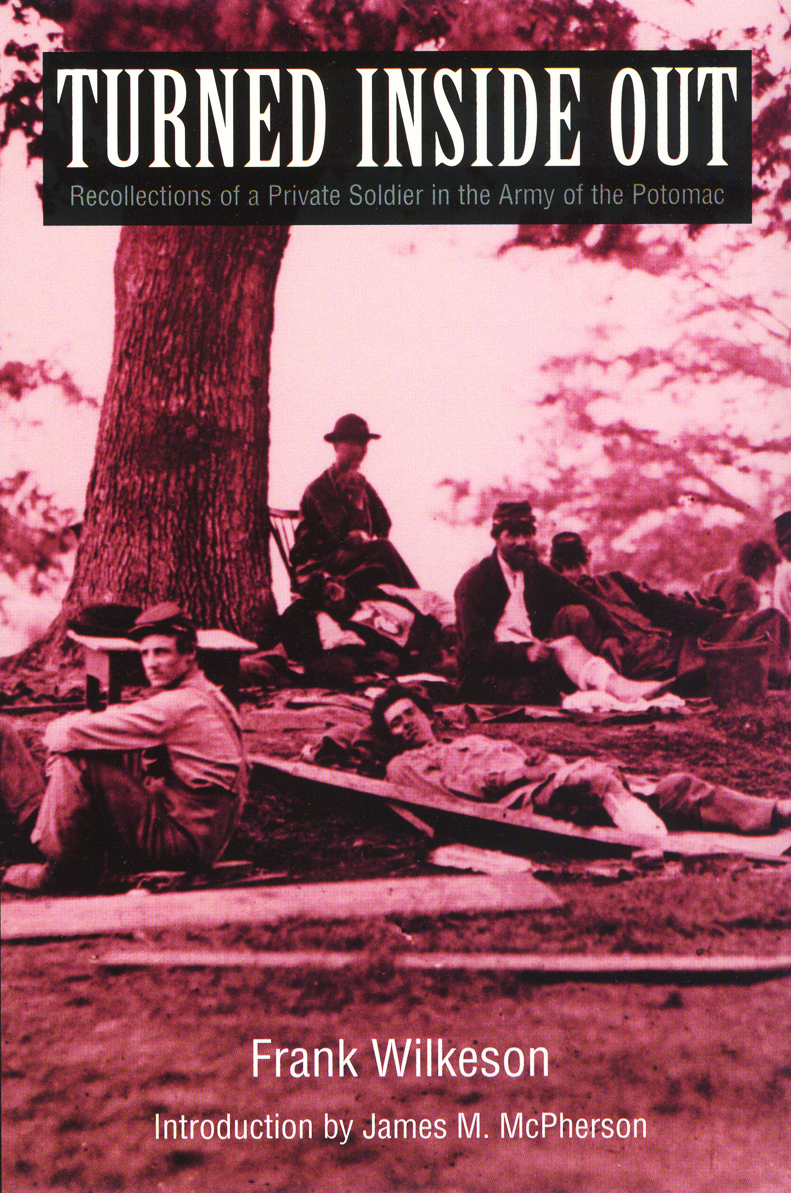
by John C. WaughWhere it sits:Civil War EraPresidents & World LeadersPolitical LivesTurned Inside Out
by Frank WilkesonWhere it sits:Military LivesCivil War EraCivil WarsThunder in the Mountains
by Daniel J. SharfsteinCome here for: The collision of Reconstruction ideals and westward expansionExpect: A sustained narrative grounded in survivors’ voicesWhere it sits:Civil War EraNative American History19th-Century AmericaCapital Dames
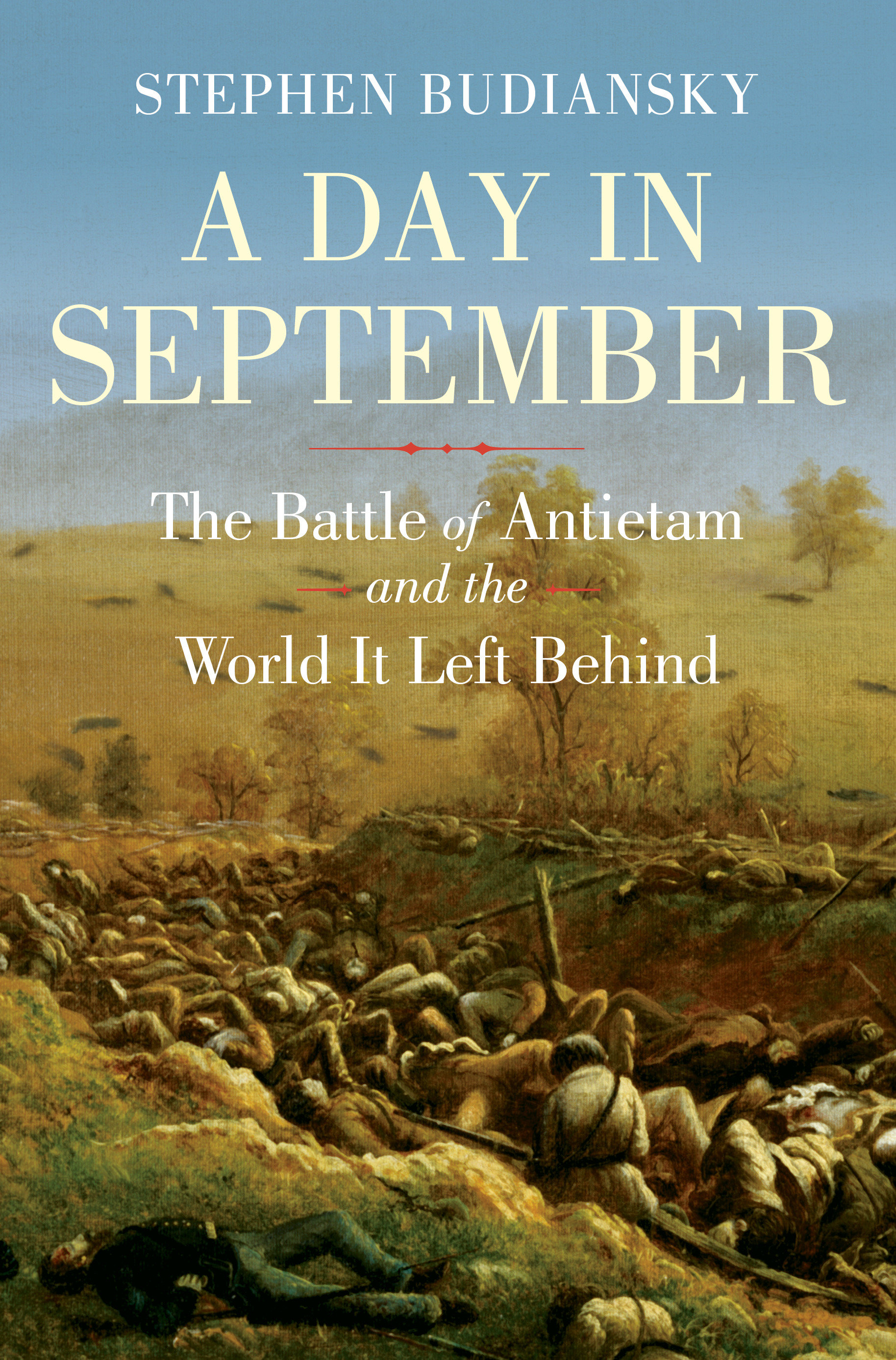
by Cokie RobertsCome here for: Washington-centered Civil War contextExpect: Steady narrative paceWhere it sits:Civil War EraWomen's HistoryWomen's LivesA Day in September
by Stephen BudianskyCome here for: Antietam, seen through consequence and afterlifeExpect: Insight over drumbeat heroicsWhere it sits:Civil War EraCivil Wars19th-Century AmericaTeam of Rivals
by Doris Kearns GoodwinCome here for: Political history centered on the art of understanding other peopleExpect: Lincoln’s rivals remain central to the storyWhere it sits:Presidents & World LeadersCivil War EraPolitical LivesAmerican Ulysses
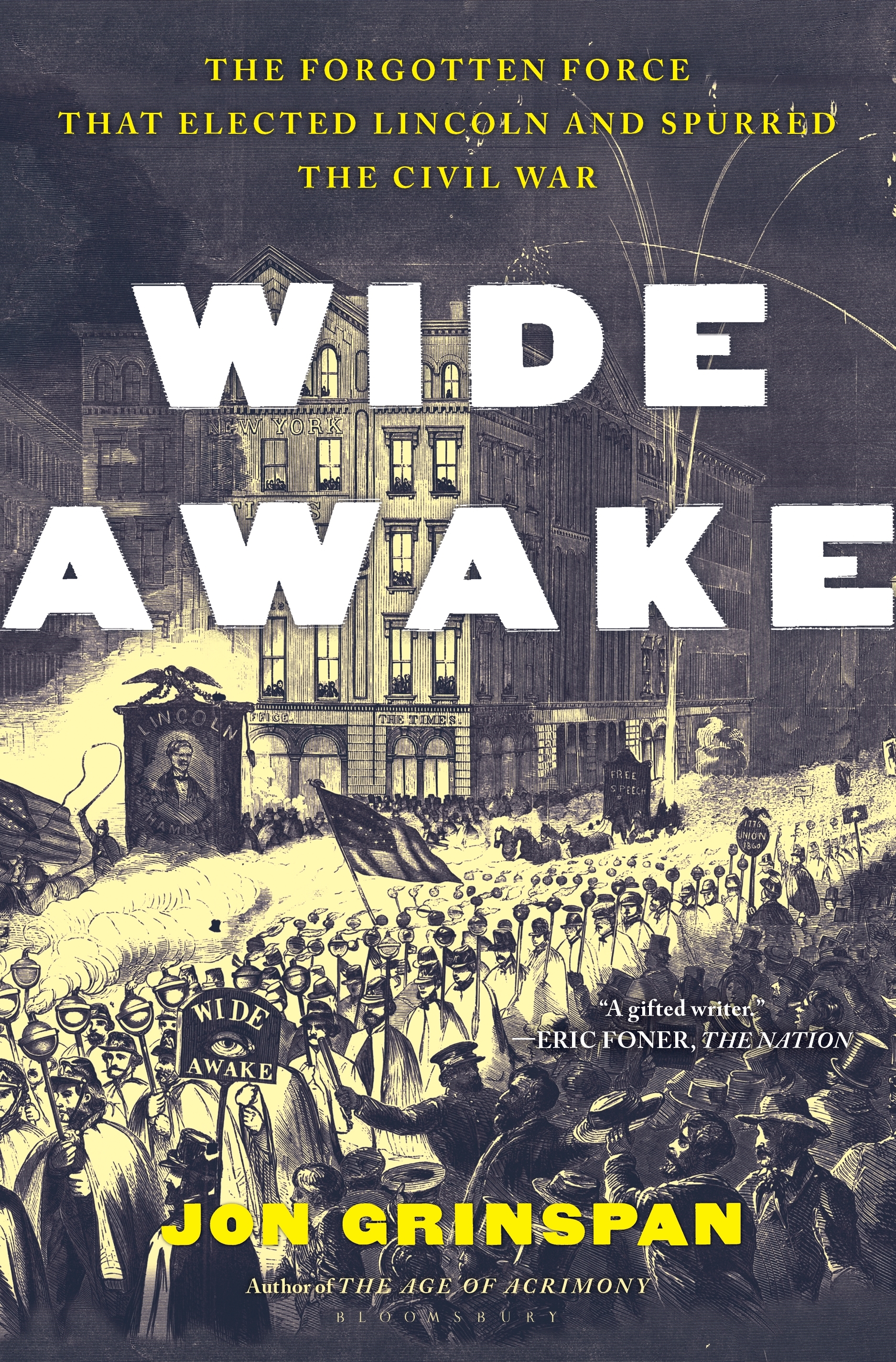
by Ronald C. WhiteCome here for: Biography with clear historical contextExpect: Sustained narrative readWhere it sits:Presidents & World LeadersCivil War EraMilitary LivesWide Awake
by Jon GrinspanCome here for: Political history, tightly drawnExpect: Lincoln-era contextWhere it sits:Civil War Era19th-Century AmericaCivil WarsSilent Cavalry
by Howell RainesCome here for: Alabama Unionists at the center of Civil War historyExpect: A blend of epic history, family saga, and scholarly detective storyWhere it sits:Civil War EraSouthern U.S. HistoryU.S. Military HistoryKlan War
by Fergus M. BordewichCome here for: Reconstruction-era history where federal power meets organized racial terrorExpect: A sweeping view across Southern communities and CongressWhere it sits:Civil War EraBlack HistoryPresidents & World LeadersThe Rest I Will Kill
by Brian McgintyCome here for: A little-known Civil War story of courage at seaExpect: A tense account of captivity, survival, and a perilous returnWhere it sits:Civil War EraMaritime History & PiracyBlack HistoryLincoln's Peace
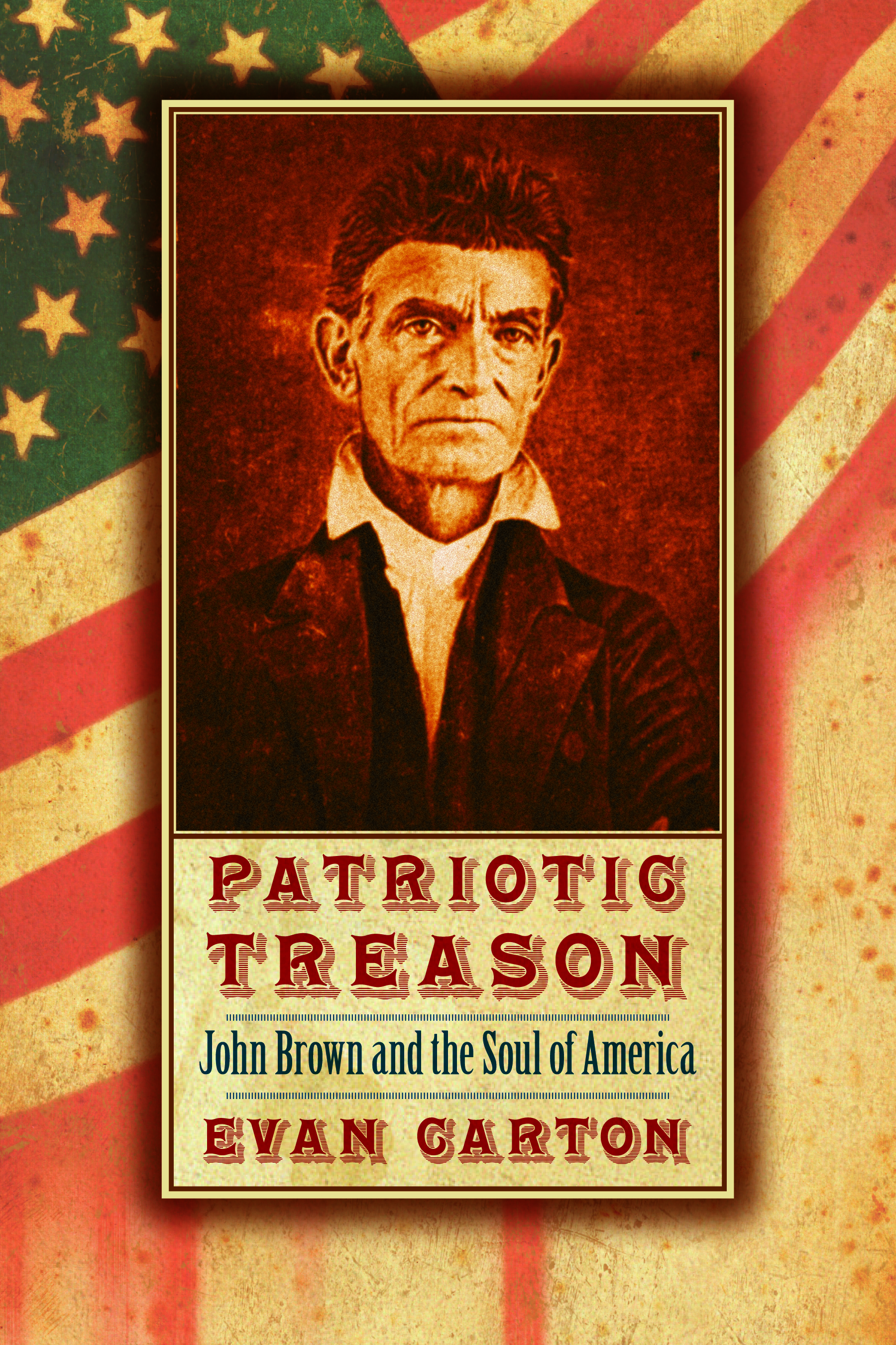
by Michael VorenbergCome here for: The unsettled question of when a civil war truly endsExpect: Several possible endings, examined beyond the familiar Appomattox storyWhere it sits:Civil War EraCivil WarsPresidents & World LeadersPatriotic Treason
by Evan CartonCome here for: A portrait of an abolitionist who lived alongside the people he fought forExpect: A biography set within the events leading to the Civil WarWhere it sits:Civil War EraBlack HistoryLives in HistoryThis Great Struggle
by Steven E. WoodworthWhere it sits:Civil War EraCivil Wars19th-Century AmericaOur Ancient Faith
by Allen C. GuelzoCome here for: Lincoln as a political thinker, not only a wartime leaderExpect: Historical interpretation focused on ideas as well as characterWhere it sits:DemocracyCivil War EraPresidents & World LeadersTo Rescue the Republic
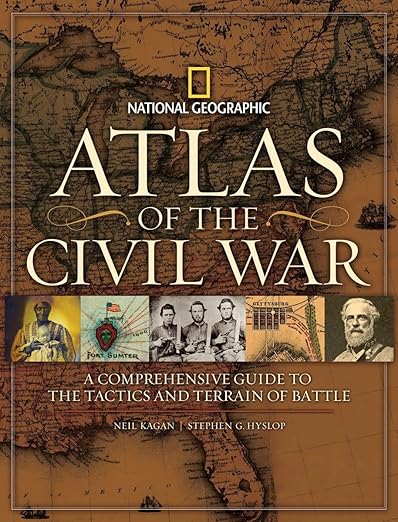
by Bret Baier, Catherine WhitneyCome here for: A sweeping account of war, presidential power, and national fractureExpect: Narrative history moving from battlefields to corridors of powerWhere it sits:Civil War EraPresidents & World LeadersPolitical LivesAtlas of the Civil War
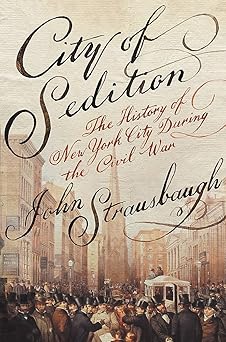
by Stephen G. HyslopWhere it sits:Atlases & MapsCivil War EraCivil WarsCity of Sedition
by John StrausbaughCome here for: Civil War New York, crisply framedExpect: Civil War-era urban historyWhere it sits:Civil War EraMiddle Atlantic History19th-Century AmericaFrederick Douglass
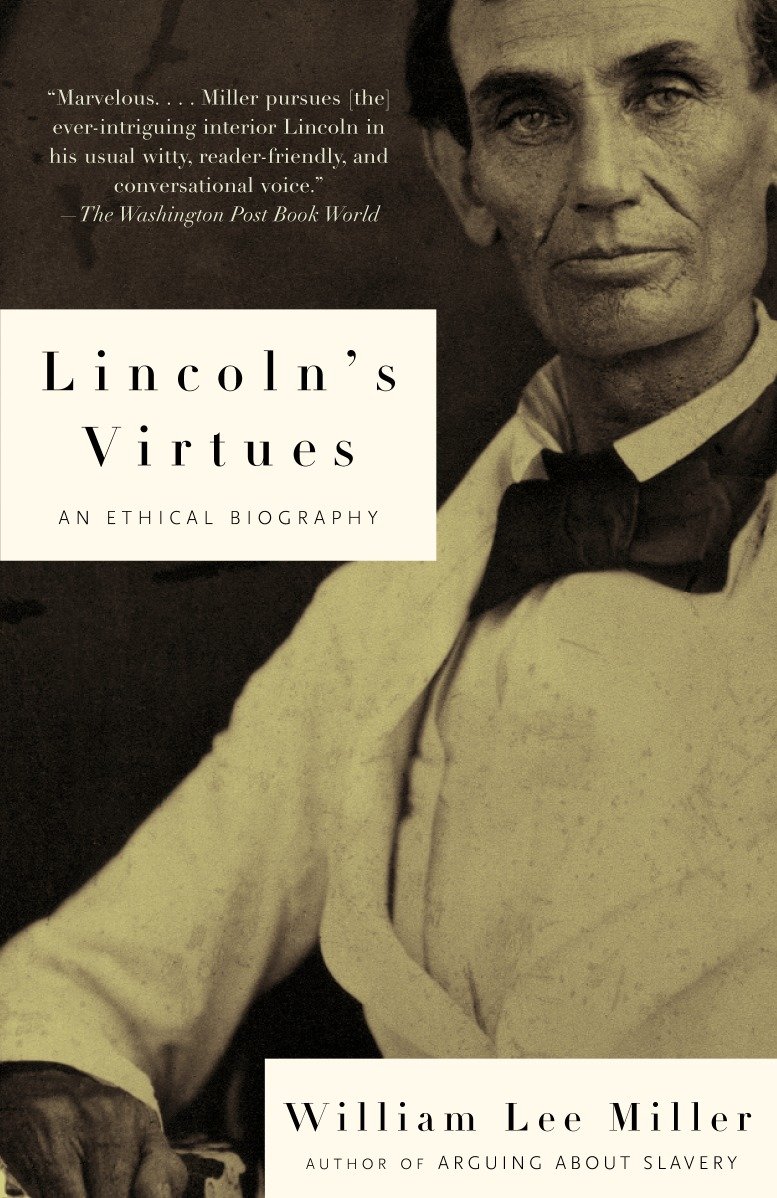
by David W. BlightCome here for: Civil War-era history with cultural weightExpect: Insight folded into narrativeWhere it sits:Black & African American LivesCivil War EraBlack HistoryLincoln's Virtues
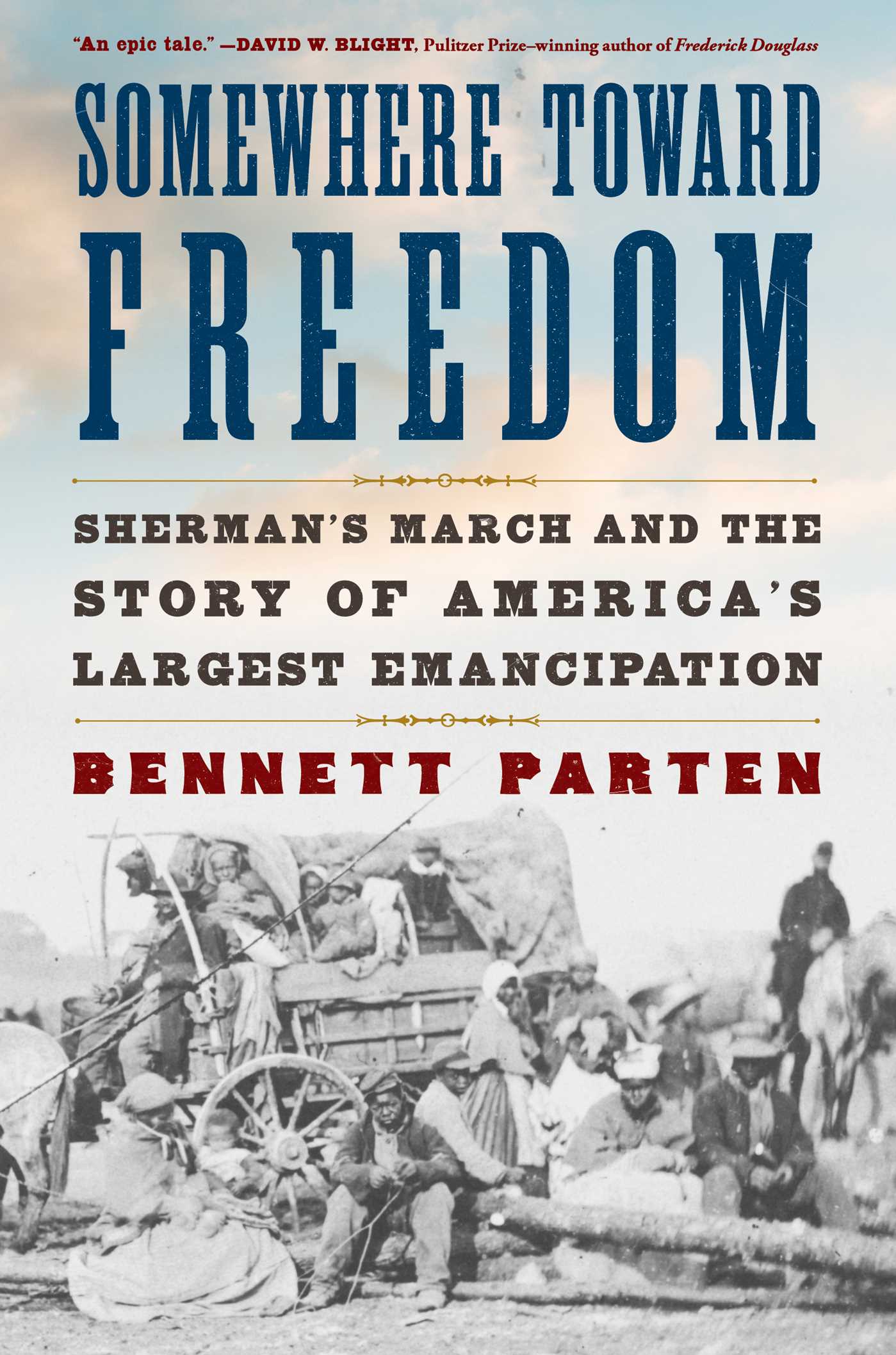
by William Lee MillerCome here for: An ethical lens on LincolnExpect: History shaped by virtueWhere it sits:Presidents & World LeadersPolitical LivesCivil War EraSomewhere Toward Freedom
by Bennett PartenCome here for: A Civil War campaign retold from the perspective of the enslavedExpect: A sustained account of hardship, self-emancipation, and contested freedomWhere it sits:Civil War EraBlack HistorySlavery StudiesSea of Gray
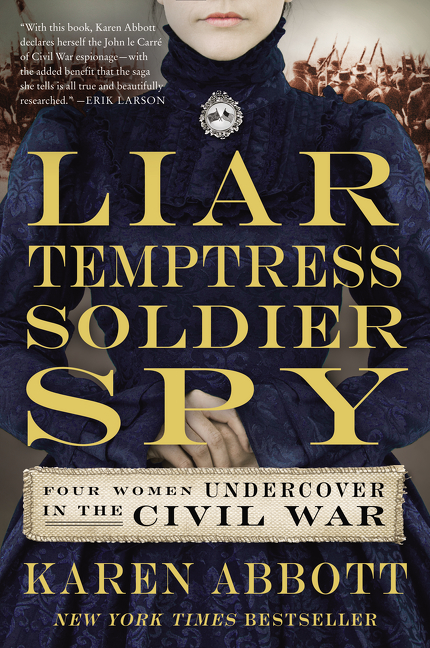
by Tom ChaffinCome here for: Naval history told through officers’ intimate shipboard journalsExpect: A 58,000-mile commerce-raiding voyage and its uneasy aftermathWhere it sits:Civil War EraMaritime History & PiracyNaval HistoryLiar, Temptress, Soldier, Spy
by Karen AbbottCome here for: Undercover Civil War intrigueExpect: 19th-century America, in motionWhere it sits:Civil War EraWomen's LivesIntelligence & EspionageThe Confederate and Neo-Confederate Reader
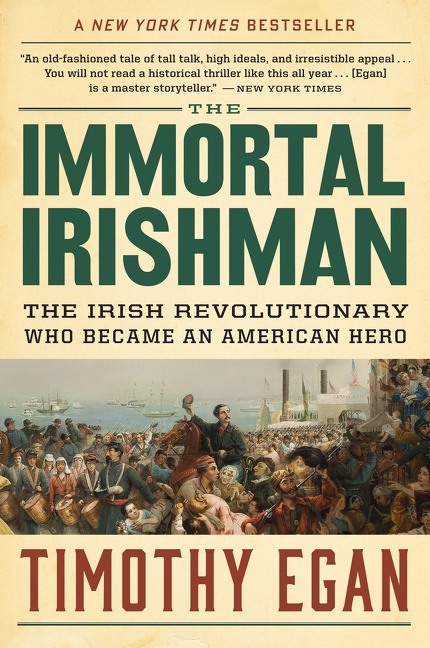
by James W. Loewen, Edward H. SebestaCome here for: Lost Cause framing, laid out plainlyExpect: Accessible proseWhere it sits:Civil War EraSlavery StudiesRace & Ethnic RelationsThe Immortal Irishman
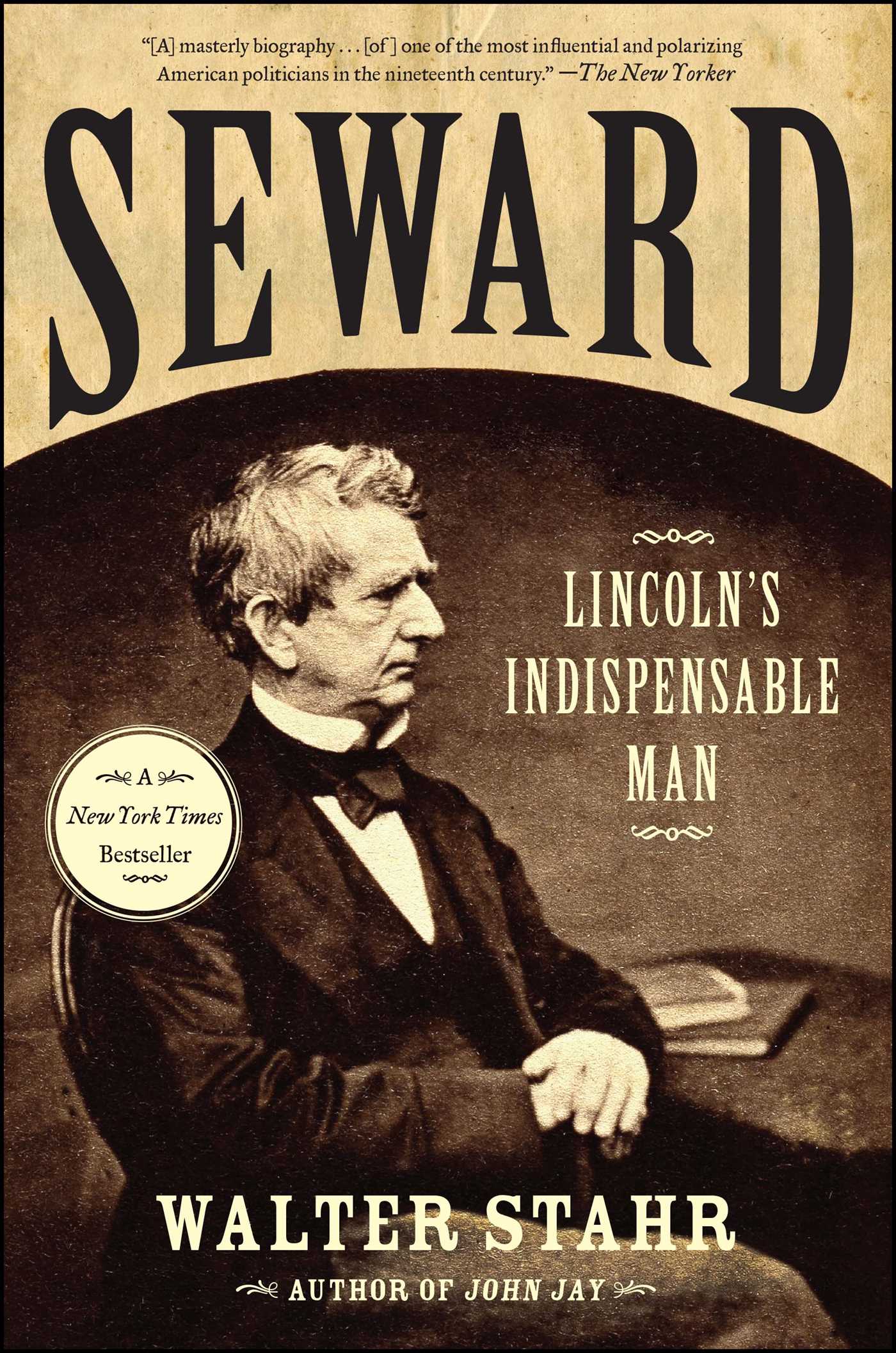
by Timothy EganCome here for: Irish-American history with a national sweepExpect: 19th-century AmericaWhere it sits:Irish HistoryCivil War EraLives in HistorySeward
by Walter StahrCome here for: A close look at power beside Lincoln, beyond the battlefieldExpect: A wide-ranging portrait of a central, complicated statesmanWhere it sits:Civil War EraPolitical Lives19th-Century AmericaEmbattled Freedom
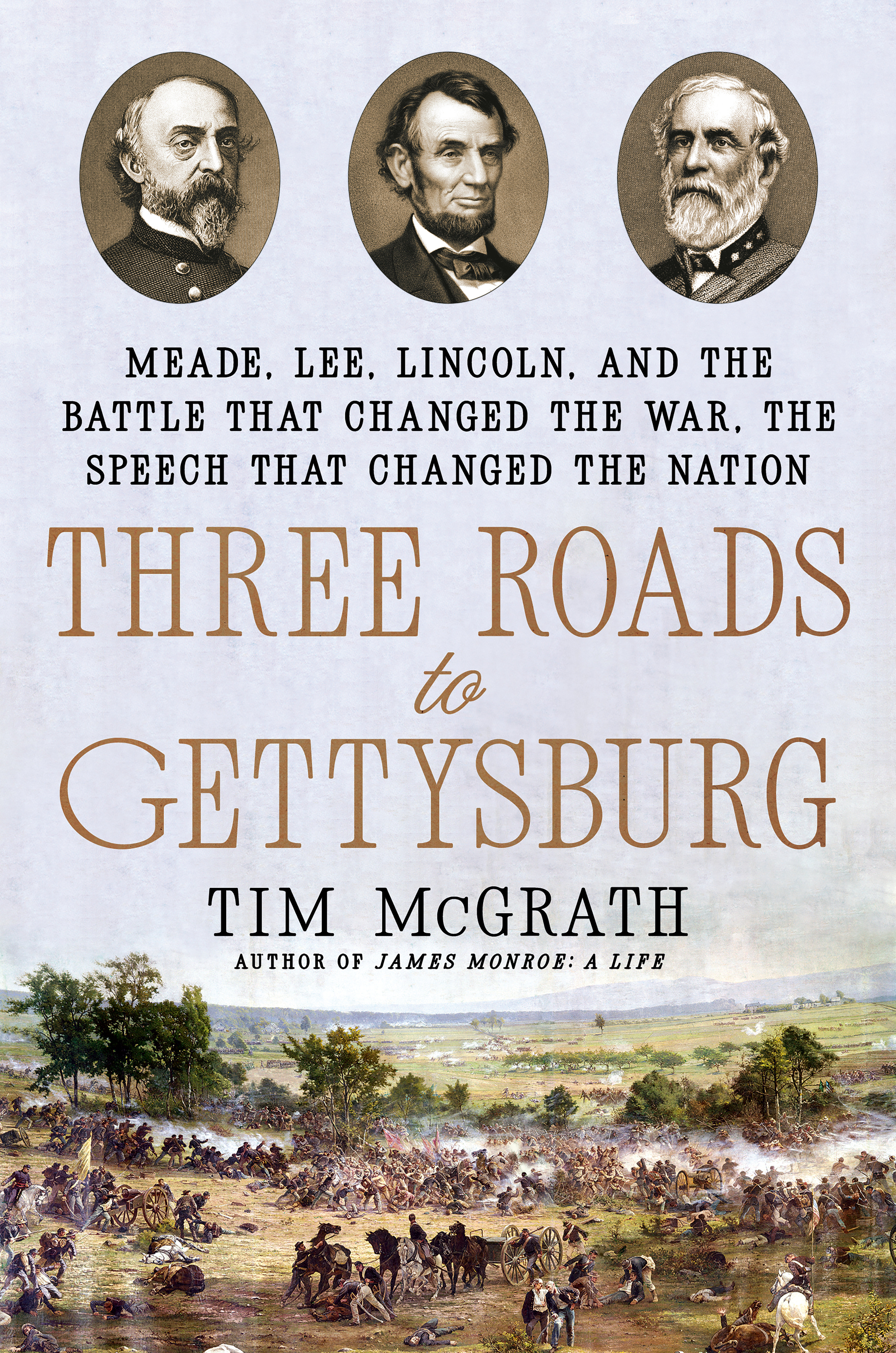
by Amy Murrell TaylorWhere it sits:Civil War EraBlack HistorySlavery StudiesThree Roads to Gettysburg
by Tim McGrathWhere it sits:Civil War EraPresidents & World LeadersCivil WarsWeird Civil War
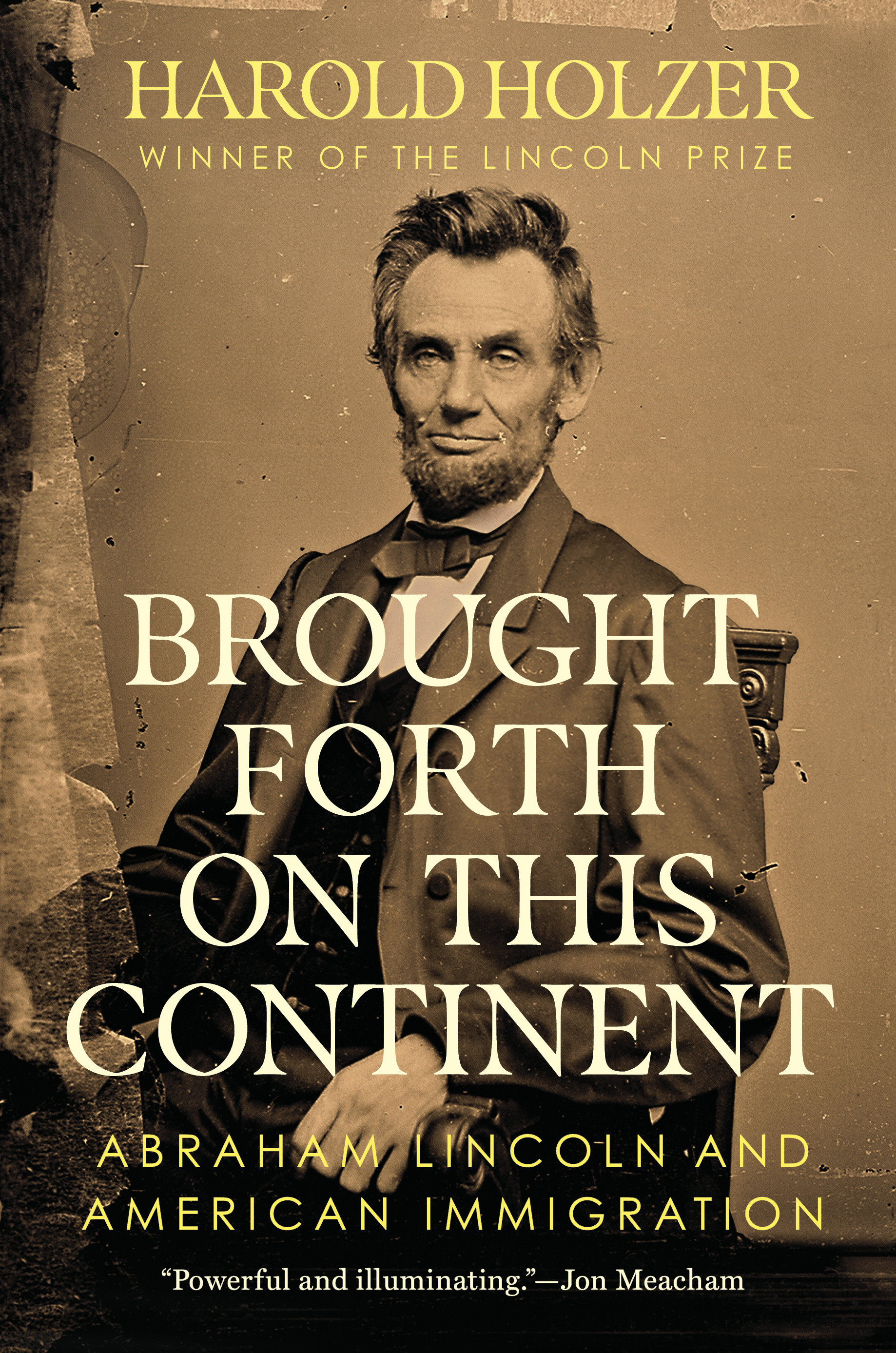
by Mark Sceurman, Mark MoranWhere it sits:Civil War Era19th-Century AmericaMind & SpiritBrought Forth on This Continent
by Harold HolzerCome here for: Lincoln and immigration, tightly braidedExpect: Historical argument, not a cradle-to-grave life storyGrant
by Ron ChernowCome here for: A portrait that challenges the familiar caricatures of GrantExpect: A broad, lucid account of reversals and reinventionWhere it sits:Presidents & World LeadersCivil War EraMilitary LivesBeyond Their Years
by Scotti CohnWhere it sits:Civil War EraCivil Wars