

Book
Thiefing Sugar
Eroticism Between Women in Caribbean Literature
Omise'eke Natasha Tinsley
Duke University Press · Print & ebook · August 18, 2010
Reading lane: Queer Literary Criticism
In Thiefing Sugar , Omise’eke Natasha Tinsley explores the poetry and prose of Caribbean women writers, revealing in their imagery a rich tradition of erotic relations between women.
At a Glance
Who It's For
Book Details
- Authors
- Omise'eke Natasha Tinsley
- Publisher
- Duke University Press
- Published
- August 18, 2010
- Format
- Print & ebook
- Theme
- Queer Literary Criticism · Caribbean & Latin American Criticism
- Reading lane
- Queer Literary Criticism
Affinity
Publisher Categories
Caribbean & Latin American Criticism
Queer Literary Criticism
Literary Theory
About This Book
In Thiefing Sugar , Omise’eke Natasha Tinsley explores the poetry and prose of Caribbean women writers, revealing in their imagery a rich tradition of erotic relations between women. She takes the book’s title from Dionne Brand’s novel In Another Place, Not Here , where eroticism between women is likened to the sweet and subversive act of cane cutters stealing sugar. The natural world is repeatedly reclaimed and reinterpreted to express love between women in the poetry and p...
Read full description
Similar Books
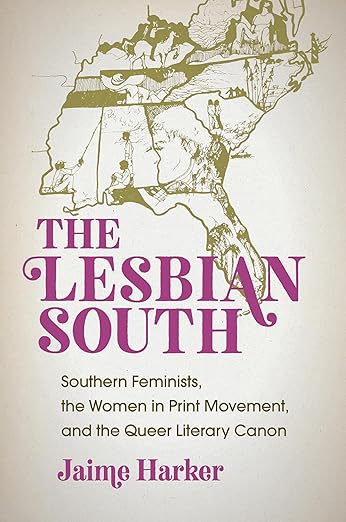
The Lesbian South
Jaime Harker · The University of North Carolina Press
Affinity signal
Queer Literary Criticism
Women Authors Criticism

Loving With a Vengeance
Tania Modleski · Taylor and Francis
Affinity signal
Women in Literature
Women Authors Criticism

Thong on Fire
Noire, Kim Johnson · Atria Books
Affinity signal
Black Erotica
Black Urban Fiction

Ties That Tether
Jane Igharo · Penguin Publishing Group
Affinity signal
Black Romance
Multicultural & Interracial Romance

Book Lovers
Shawna Kenney · Basic Books
Affinity signal
Romance Erotica
Romance Collections