
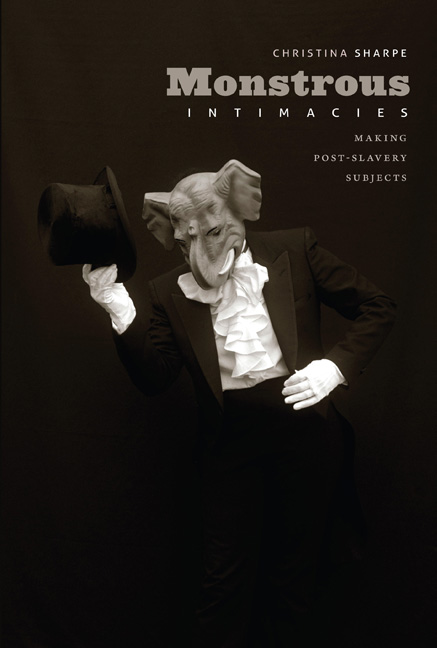
Book
Monstrous Intimacies
Making Post-slavery Subjects
Christina Sharpe
Duke University Press · Print & ebook · September 7, 2010
Reading lane: Black Lit Crit
Arguing that the fundamental, familiar, sexual violence of slavery and racialized subjugation have continued to shape black and white subjectivities into the present, Christina Sharpe interprets African diasporic and Black Atlantic visual and literary texts that address those “monstrous intimacies” and their repetition as constitutive of post-slavery subjectivity.
At a Glance
Who It's For
Book Details
- Authors
- Christina Sharpe
- Publisher
- Duke University Press
- Published
- September 7, 2010
- Format
- Print & ebook
- Theme
- Black Lit Crit · African Studies
- Reading lane
- Black Lit Crit
Affinity
Publisher Categories
Asian American Lit Crit
Literary Theory
Women's Studies
About This Book
Arguing that the fundamental, familiar, sexual violence of slavery and racialized subjugation have continued to shape black and white subjectivities into the present, Christina Sharpe interprets African diasporic and Black Atlantic visual and literary texts that address those “monstrous intimacies” and their repetition as constitutive of post-slavery subjectivity. Her illuminating readings juxtapose Frederick Douglass’s narrative of witnessing the brutal beating of his Aunt...
Read full description
Similar Books

Tales From the Haunted South
Tiya Miles · The University of North Carolina Press
Affinity signal
Southern U.S. History
Haunted Places & Mysteries
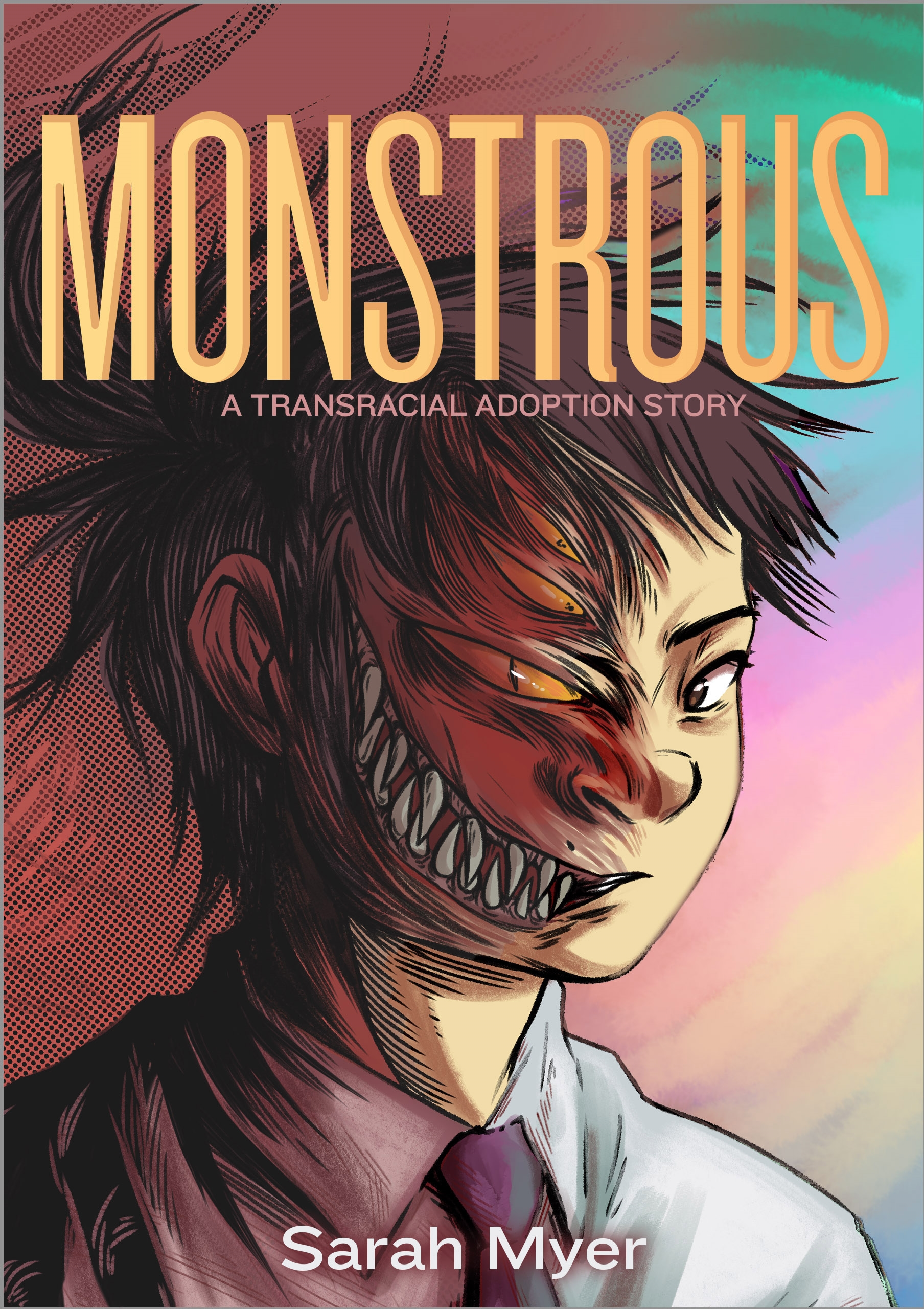
Monstrous
Sarah Myer · First Second
Affinity signal
Adoption
Asian American U.S. History for Teens
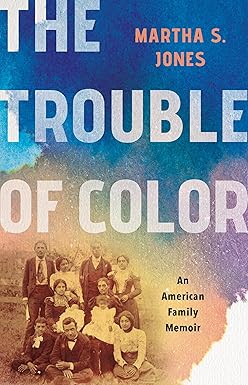
The Trouble of Color
Martha S. Jones · Basic Books
Affinity signal
Black & African American Lives
African American U.S. History for Teens

Unspeakable Violence
Nicole M. Guidotti-Hernández · Duke University Press
Affinity signal
Hispanic American Lit Crit
Caribbean & Latin American Criticism