The Colorado River Was Overdrawn Before Lake Mead and Lake Powell Hit Record Lows
The numbers arrive with a certain grim theater. Lake Mead and Lake Powell, the two largest reservoirs in the country, have dropped to levels not seen since they were still filling behind young dams in the 1950s.
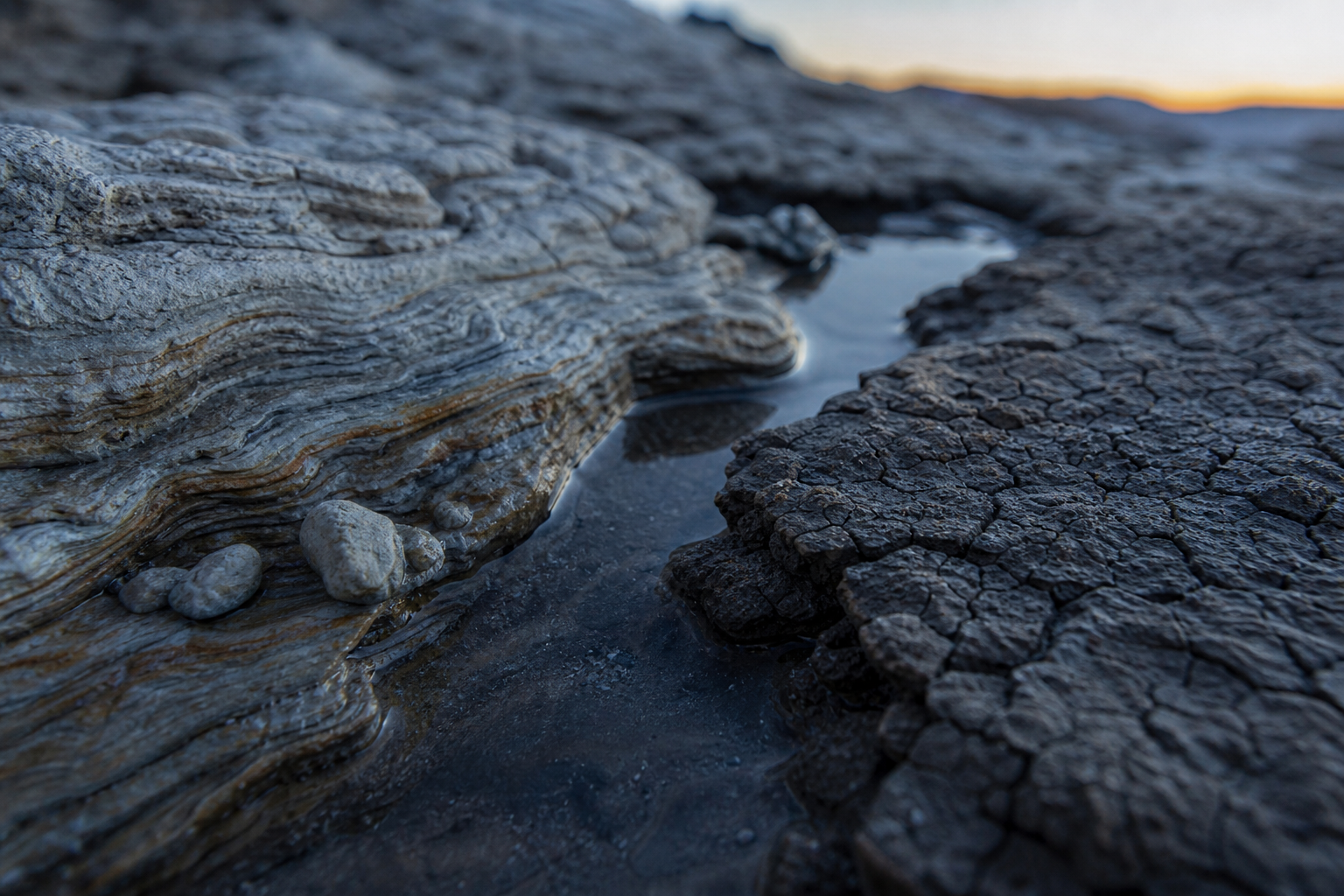
The numbers arrive with a certain grim theater. Lake Mead and Lake Powell, the two largest reservoirs in the country, have dropped to levels not seen since they were still filling behind young dams in the 1950s. The headlines do their job: historic lows, water and power for forty million people at risk, a pale ring of exposed rock climbing higher on the canyon walls each dry season. What the coverage skips is how that many people came to depend on a single overpromised river, and why draining the fountains at the Bellagio would fix almost nothing. The Colorado has been legally spent, accounted for, and re-accounted for down to acre-feet that no longer physically exist. That gap between the paper river and the wet one is the actual story, and it is older and stranger than any single drought.
Rewind to 1957. Lake Powell did not yet exist, Lake Mead sat behind a still-young dam, and the men dividing the Colorado were quietly working from a math error. The founding compact of 1922 split the river by assuming an annual flow that later measurements showed was too generous, handing out water that was never reliably there. Nobody wanted to reopen the deal, so the West built its cities and its alfalfa fields on the hopeful number. That single decision has governed every drought since. When you see the current lows framed as a sudden climate emergency, the honest picture is stranger. The shortage was structural before it was meteorological. The heat is real and worsening, but it landed on a system already built to overdraw its own account.
David Owen, a longtime New Yorker staff writer, spends "Where the Water Goes" following the Colorado from its snowmelt beginnings to the cracked delta near the Mexican border, where the river no longer reaches the sea. That terminus was once a green wetland the size of a small state. Today it is a million acres of dust. Owen wants you to understand the whole plumbing job in between, and he treats it as a reporting problem, not a morality play. The pleasure of the book is how physical it stays. He walks canals, tours the machinery inside Hoover and Glen Canyon dams, and stops at the fracking sites, ghost towns, ranches, and RV parks strung along the water's path.
You learn why the reservoirs are so vulnerable, which turns less on any single dry year than on how much surface area lies exposed to desert sun, cooking off the top like a forgotten glass of water on a summer windowsill. The legal material could have been a slog, and Owen mostly keeps it moving. Water rights on the Colorado run on seniority, so the oldest claim gets served first whether or not the use makes any sense. That is how you end up with hay grown in the desert and shipped overseas while cities meter their lawns.
He lays out the tangle of compacts, court rulings, and interstate deals with enough patience that the absurdities speak for themselves. Where I pushed back is on tone. Owen is so committed to complicating the easy answers, so eager to show that banning golf or pulling out almond trees would barely move the needle, that the book can start to feel allergic to conclusions. He is right that the obvious villains are mostly decoys. But there is a point where explaining why every fix falls short curdles into a shrug, and more than once I wanted him to name plainly what he thinks should give.
That reticence is, in fairness, the honest posture for the subject. The West's water is a slow pileup of reasonable-seeming choices that added up to impossible arithmetic, and no single lever undoes it. What Owen hands you instead is fluency. You come away able to read the current headlines about Powell and Mead and see the century-old bargain sitting underneath them, which is more than most coverage delivers.
When this comes up at dinner, you can skip the recap of how low the lakes have fallen. The sharper thing to say is that the shortage was written into the founding paperwork, and that the West has spent a century hoping the arithmetic would quietly sort itself out. Owen's book is good company for holding that longer view without losing the concrete detail, the walked canals and the cooking reservoirs. Pick it up if you want the headlines about Powell and Mead to stop feeling like a shock and start feeling like the latest page in something you can actually follow.
Why this book
The mechanics have shifted since 1957. The dams have aged, the population drawing on them has swelled past forty million, the climate models read darker, and the negotiations now proceed with a real sense that the river cannot cover its promises. The founding deal, though, is the constant. States still guard their allocations like family heirlooms. Seniority still rewards the earliest claim over the wisest one. The compact's original overestimate still shapes what everyone believes they are owed. Owen, writing a few years back, already saw the outline of this. Nothing in the 2026 numbers argues with him, which should unsettle you more than it comforts. Reading the book now is less about predicting the crisis than about hearing that the current alarm is the same argument the region has been having, at rising volume, for a hundred years.
Bridges by email
A news story and the book that goes with it, whenever we publish one.