African American Literary Criticism
Criticism that turns the canon's shadows into evidence, from Poe's pages to Byron's boot to Black women's political theory.
Optimized for books about african american.
African American literary criticism has never been a side conversation. It is where the hardest questions about American freedom, identity and art get argued out on the page. These books come at the field from different doors: Playing in the Dark turns the classics of Poe, Melville and Hemingway inside out, The Black Box traces how Black writers from Phillis Wheatley to Toni Morrison wrote a people into self-definition, and The Trembling Hand carries the inquiry across the Atlantic to the Romantic poets and the slave economy behind them. If you like finishing a book with a worn-down pencil and a fresh reading list, start here.
Our reading of each book:Come here forExpectWhere it sits
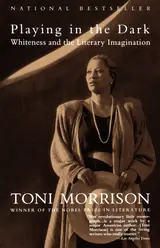
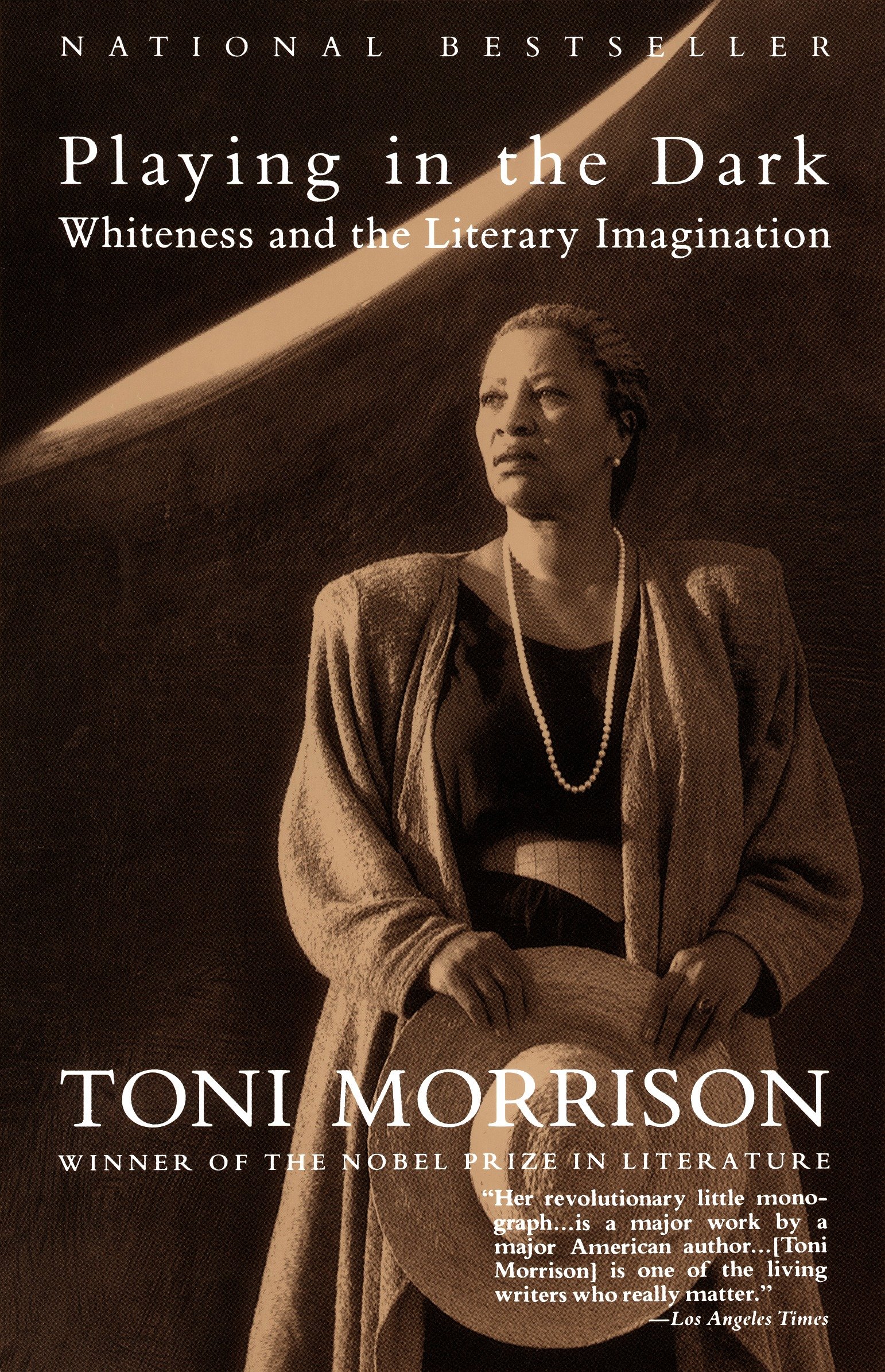
Playing in the Dark
by Toni MorrisonWhat did American freedom need in order to mean anything? Morrison's answer in Playing in the Dark is unsettling: a Black population held manifestly unfree, which white authors turned into a screen for their own fears and desires. She follows that "Africanist" presence through Poe, Melville, Cather and Hemingway, and the old ideals of individualism, manhood and innocence look very different once you see what was propping them up.
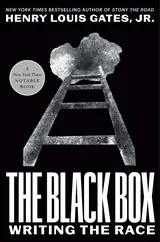
Come here for: Toni Morrison’s crisp, searching criticismExpect: Serious prose, not academic fogWhere it sits:Black Lit CritRace & DiscriminationAmerican Lit CritThe Black Box
by Henry Louis Gates, Jr.Distilled from Henry Louis Gates Jr.'s introductory Harvard course in African American studies, The Black Box tells the story of Black self-definition through the writers who led it: Wheatley and Douglass, Du Bois and Washington, Hurston and Wright, Baldwin and Morrison. Gates keeps the friction in view. These writers pushed back against racism's lies and often against one another, and he argues that the history of Black America can't be pulled apart from its literature.
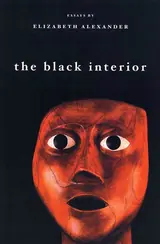
Come here for: Cultural literacy with literary heftExpect: Essay-driven argumentWhere it sits:Black Lit CritAfrican American StudiesBlack HistoryThe Black Interior
by Elizabeth AlexanderGwendolyn Brooks and Jet magazine. Basquiat and Denzel Washington. In The Black Interior, Elizabeth Alexander brings a poet's precision to all of it, weighing Langston Hughes and Rita Dove alongside newer voices, rethinking Basquiat's "afro-outré" painting, and reading Washington's career as a complex Black male icon. The collection also includes her essay on Rodney King, Emmett Till and the collective memory of racial violence. Ideal if you want criticism that moves freely between page, canvas and screen.
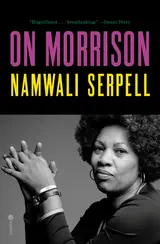
Where it sits:Black Lit CritBlack American ArtEssay CollectionsOn Morrison
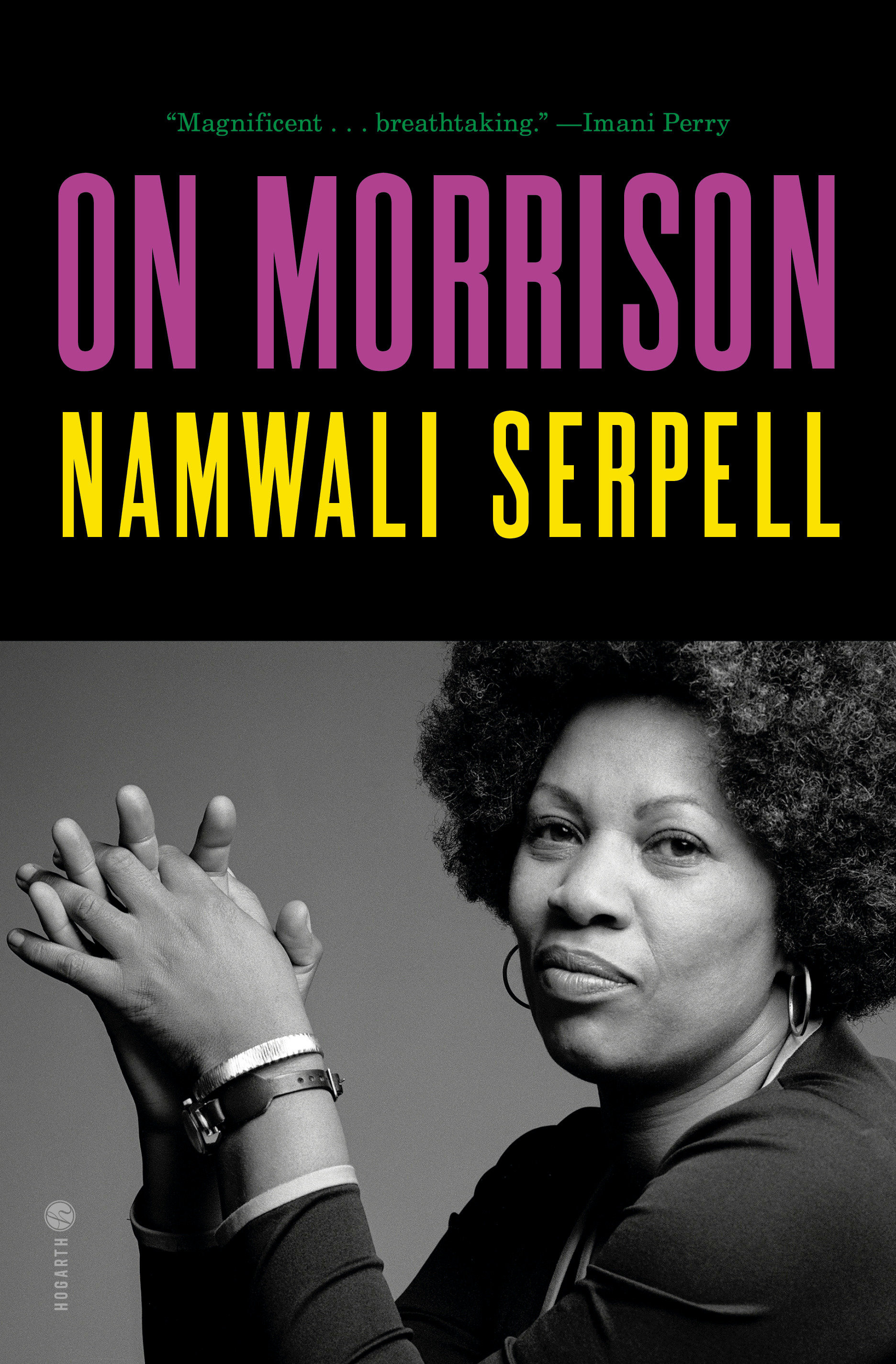
by Namwali SerpellToni Morrison's monumental public persona can overshadow the sheer complexity of what she actually wrote. On Morrison puts the focus back on the art. Namwali Serpell comes at it as both an award-winning novelist and a professor who teaches a course on Morrison, and that double vantage lets her make demanding work feel inviting without sanding down a single edge. This is Morrison the artist, not Morrison the monument.
Come here for: Fresh ways into Morrison’s experiments with literary formExpect: Contextual guidance alongside original readingsWhere it sits:Black Lit CritWriters' LivesWomen Authors CriticismThe Trembling Hand
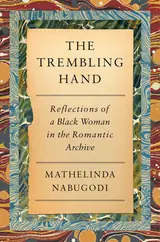
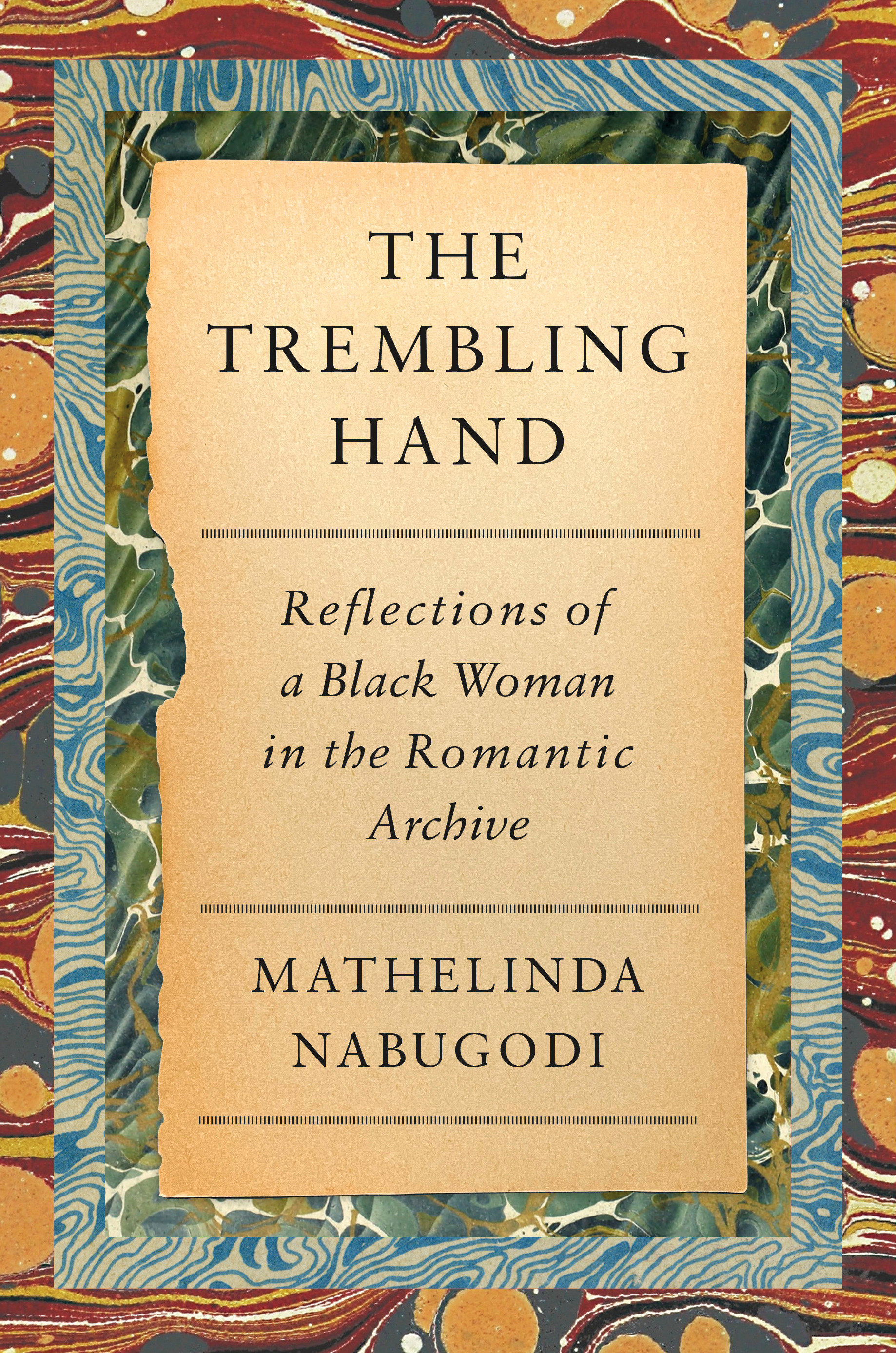
by Mathelinda NabugodiA scrap of Coleridge's handwriting. The sugar Wordsworth stirred into his teacup. Byron's silk-lined leather boot. In The Trembling Hand, Mathelinda Nabugodi uses objects like these to show how an age obsessed with freedom and liberty was bound up with the stolen labor of millions. Her prose is warm and intimate, threading her own story through the poets' world, and Keats, Shelley and company will never read quite the same way again.
The Black Feminist Reader
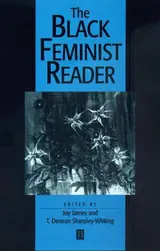
by Joy James, T. Denean Sharpley-WhitingTwo halves give The Black Feminist Reader its shape: one devoted to literary theory, the other to social and political theory. Across both, the essays take up community, identity and justice, and the ways African American and Caribbean women have been pushed to the margins of literature, society and political movements. It suits you best if you want the literary argument and the political one held together in a single volume.


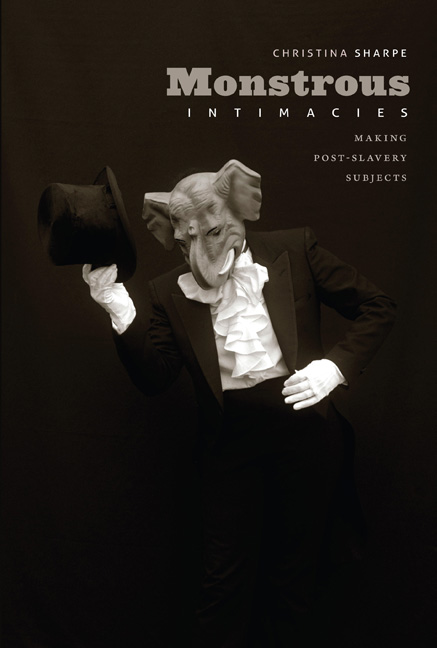
Monstrous Intimacies
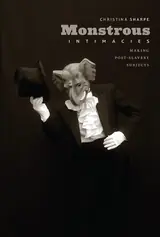
by Christina SharpeCome here for: Readings of Douglass and Essie Mae Washington-WilliamsExpect: Readings of Gayl Jones’s CorregidoraWhere it sits:Black Lit CritSlavery StudiesAfrican American StudiesDu Bois's Telegram
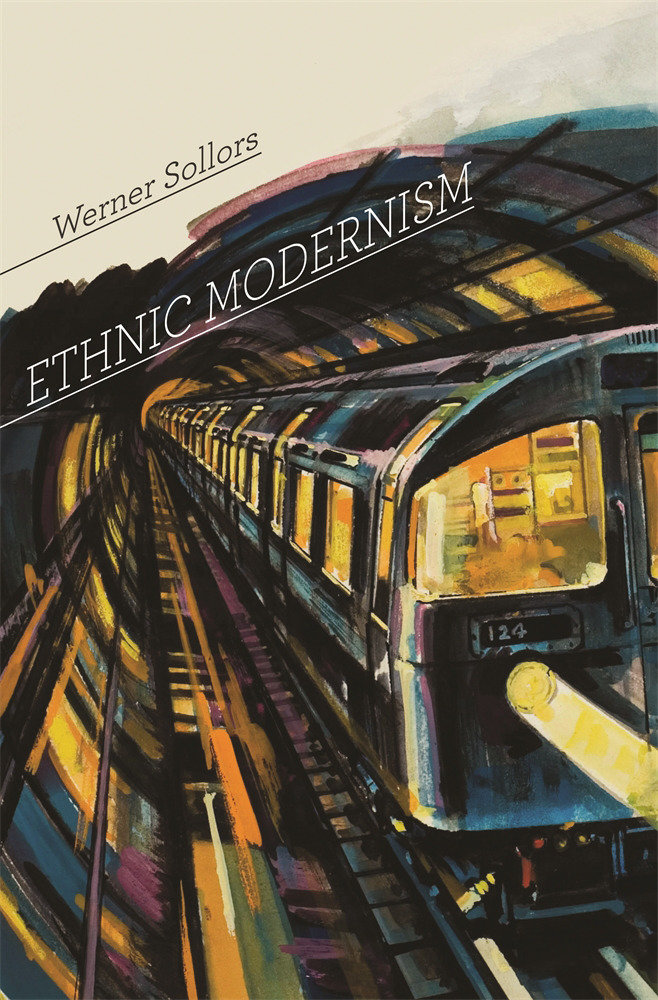
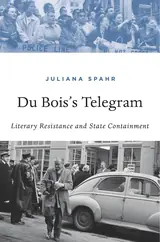
by Juliana SpahrCome here for: Three eras of writing that challenged political orthodoxiesExpect: Avant-garde modernism, social-movement writing, and multilingual English-language worksEthnic Modernism
by Werner SollorsCome here for: Close readings of major texts by African American and immigrant writersExpect: Single sentences and paragraphs as units of prose analysisAmerican Lazarus
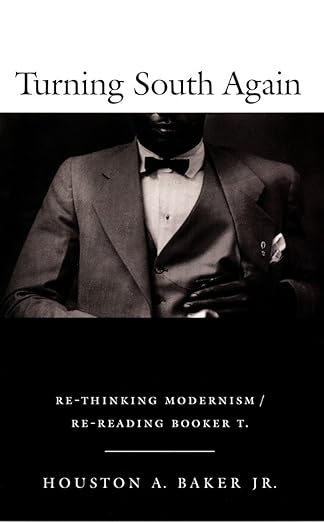
by Joanna BrooksCome here for: Early Black and Indian sermons, narratives, journals, and hymnsExpect: Attention to Samson Occom, Prince Hall, Richard Allen, Absalom Jones, and John MarrantWhere it sits:Indigenous Lit CritHistory of ReligionBlack Lit CritTurning South Again
by Houston A. BakerCome here for: A revisionist reading of Booker T. Washington and TuskegeeExpect: Historical considerations alongside psychoanalysis and whiteness studiesEverybody's Protest Novel
by James BaldwinCome here for: Sharp essays on protest and craftExpect: Layered, essay-by-essay readingWhere it sits:Black Lit CritEssay CollectionsAfrican American StudiesBeginning ethnic American literatures
by Helena Grice, Candida HepworthCome here for: Writers discussed in cultural and political contexts, alongside literary traditionsExpect: Coverage of African American, Asian American, Chicano/a, and Native American literatureThe African Imagination
by F. Abiola IreleCome here for: Critical readings of Achebe, Brathwaite, Hampâté Bâ, and KouroumaExpect: Readings of African and diasporic writersWhere it sits:African Lit CritBlack Lit CritComparative LiteratureGenius in Bondage
by Vincent Carretta, Philip GouldCome here for: How race and gender shifted in the early Black AtlanticExpect: Christianity and Enlightenment ideas about freedom and libertyThe Blues Detective
by Stephen SoitosCome here for: Altered detective personasExpect: Black vernaculars and hoodoo, treated as separate tropesWhere it sits:Mystery & Crime CritBlack Lit CritCultural Sites of Critical Insight
by Angela L. Cotten, Christa Davis AcamporaCome here for: Essays on art and beauty, truth, justice, community, and the good lifeExpect: Feminist and comparative readings of writers including Toni Morrison and Leslie SilkoWhere it sits:Indigenous Lit CritBlack Lit CritComparative LiteratureConstructing a Nervous System
by Margo JeffersonCome here for: Memoir braided with criticism and cultural memoryExpect: Family grief alongside jazz, art, literature, and public figuresLet the Poets Govern
by Camonghne FelixWhere it sits:Black Lit CritCivil RightsAfrican American PoetryColored Women Sittin' on High
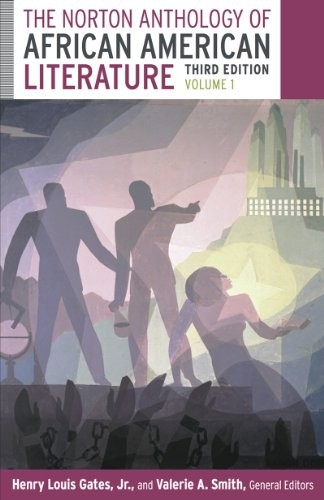
by Melanie R. HillCome here for: Literary readings including Zora Neale HurstonExpect: An argument about religious practice inside and outside the churchWhere it sits:PreachingBlack Lit CritLiberation TheologyThe Norton Anthology of African American Literature, Volume One
by W E B DuBois Professor of Humanities Chair of Afro-American Studies and Director of the W E B DuBois Institute for fo..., Dean of the College Woodrow Wilson Professor of Literature Valerie SmithCome here for: Classroom-friendly companion pieceExpect: Curriculum-shaped context'Membering Austin Clarke
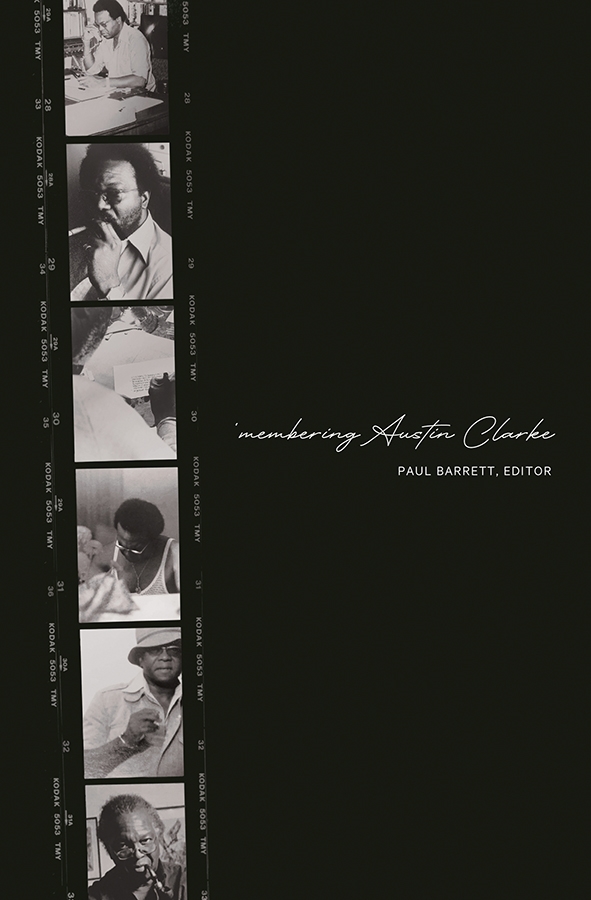
by Paul BarrettCome here for: Essays, interviews, and personal reflections on Clarke’s work and legacyExpect: Histories of the publication of Clarke’s worksWhere it sits:Canadian Lit CritWriters' LivesBlack Lit CritThe Ideological Origins of African American Literature
by Phillip M. RichardsCome here for: The religious and secular worldview formed from Puritan-Protestant cultureExpect: The transition from religious tradition toward a secularized Black middle classHow to Go Mad without Losing Your Mind
by La Marr Jurelle BruceWhere it sits:Black Lit CritBlack American ArtMental HealthThe Delectable Negro
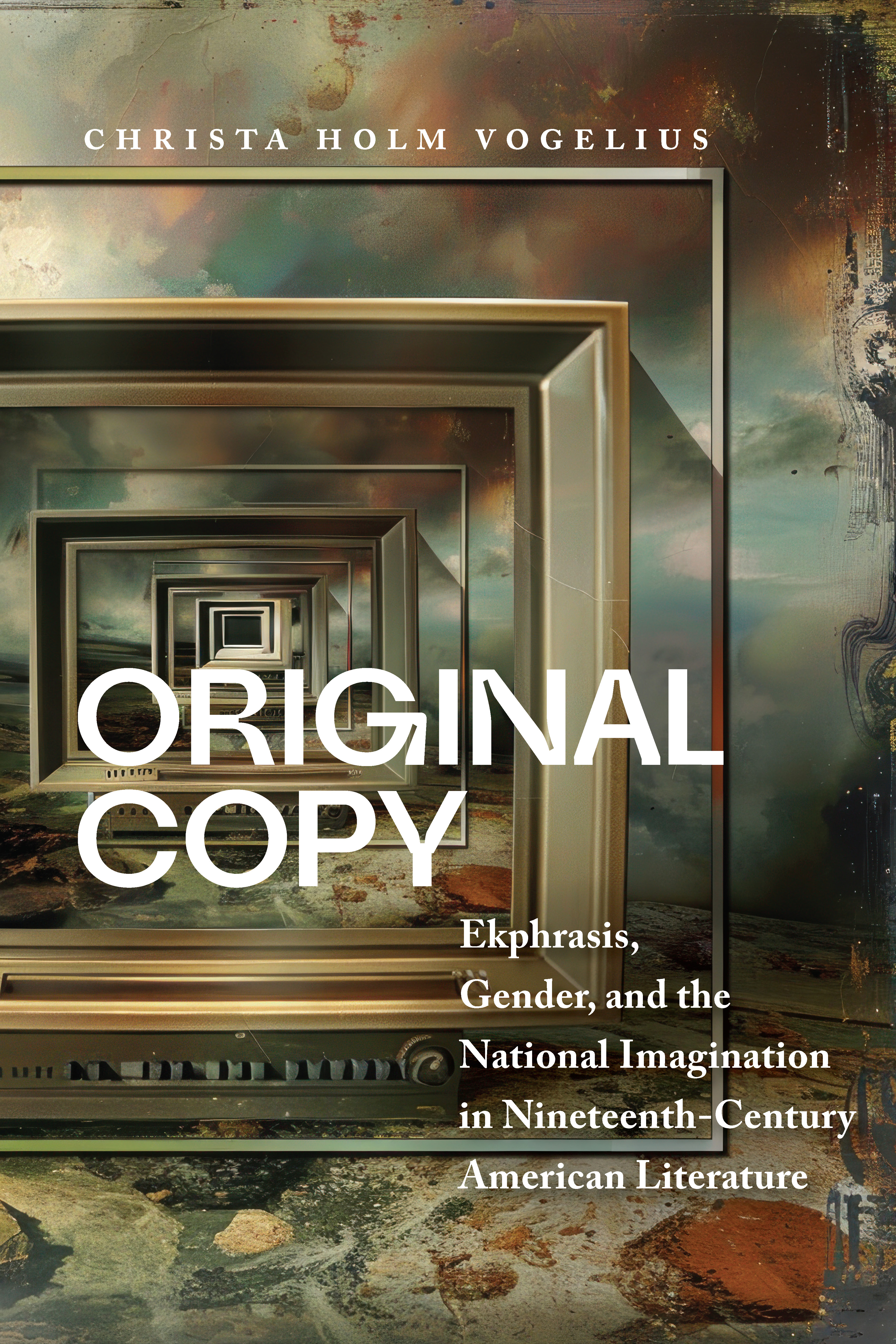
by Vincent Woodard, Dwight McBrideCome here for: Black critical theory with a charged, unsettling edgeExpect: Dense critical argumentWhere it sits:Slavery StudiesBlack Lit CritQueer Literary CriticismOriginal Copy
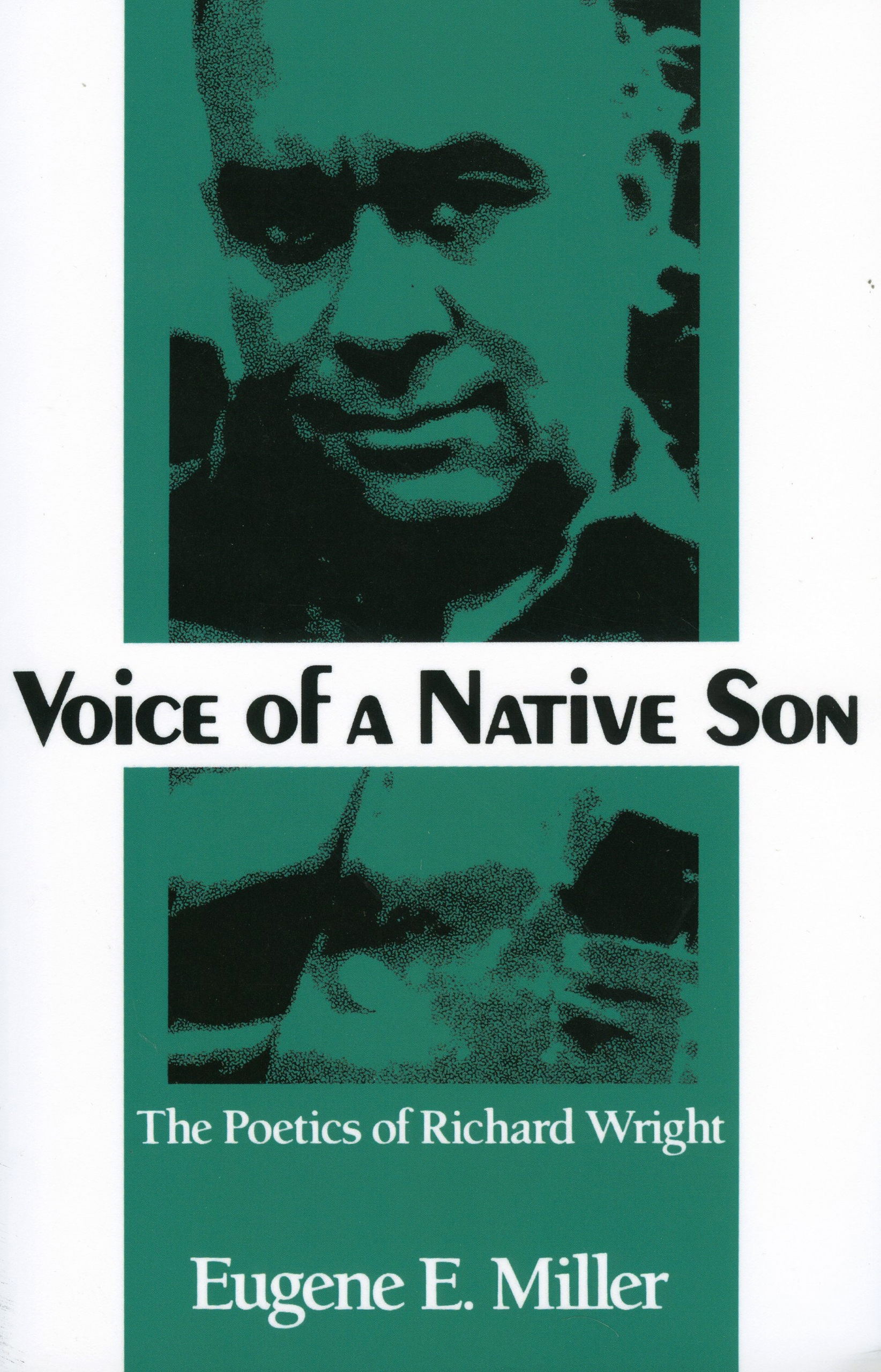
by Christa Holm VogeliusCome here for: Ekphrasis and literary imitation as forms of creative exchangeExpect: A study of antebellum writing and visual artVoice of a Native Son
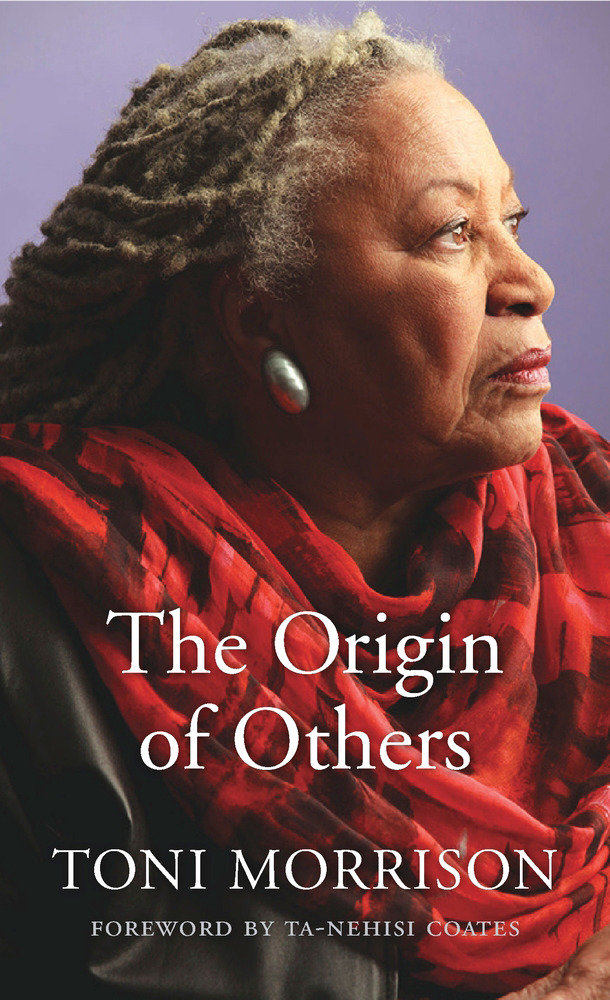
by Eugene E. MillerWhere it sits:Black Lit Crit20th-Century Literary CriticismOrigin of Others
by Toni MorrisonCome here for: Essays with critical biteExpect: Nonfiction essaysLanguage as Liberation
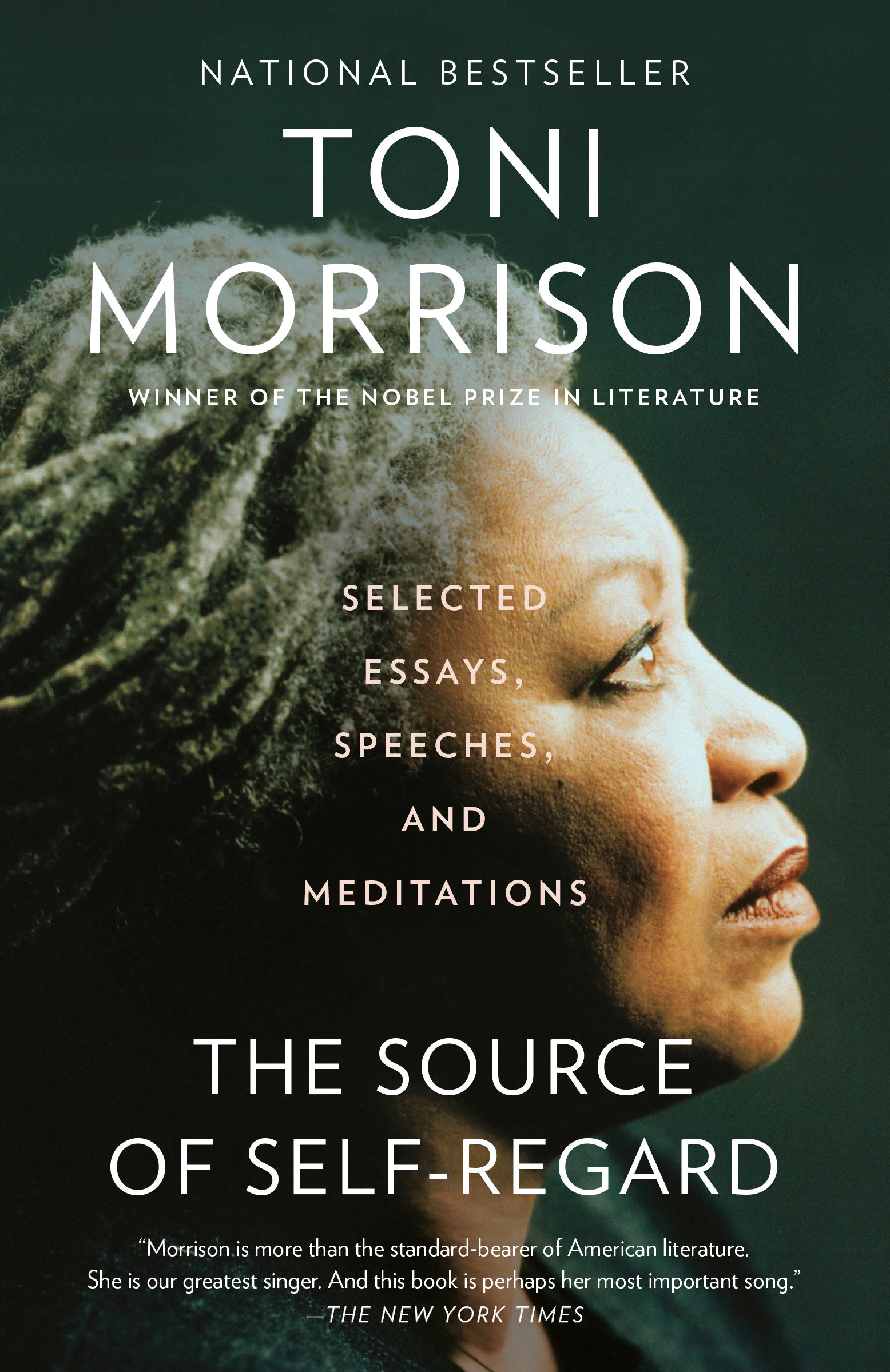
by Toni MorrisonCome here for: Close reading with a sharpened edgeExpect: Book-club discussion fuelThe Source of Self-Regard
by Toni MorrisonCome here for: Essays, speeches, meditationsExpect: Lyric proseWhere it sits:Essay CollectionsBlack Lit CritFeminist Lit Crit