Cancer
Surgeons, a scientist with his own brain tumor, and integrative healers each hand you something concrete to do about cancer.
Optimized for books about cancer.
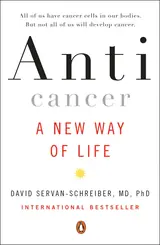
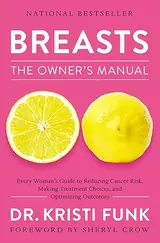
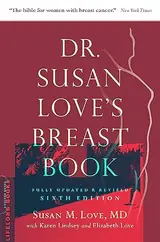
A cancer diagnosis, or the worry of one, sends you looking for solid ground. These six books offer it from different directions. Breast cancer surgeon Kristi Funk in Breasts: the Owner's Manual and Dr. Susan Love in Dr. Susan Love's Breast Book walk you through risk, treatment options and the questions worth asking. A neuroscientist who found a tumor in his own brain turns his research into a plan in Anticancer. And Eat to Beat Disease fills your plate with foods tied to the body's own defense systems. Whether you're facing a diagnosis or thinking about prevention, there's a practical guide here for the moment you're in.
Our reading of each book:Come here forExpectWhere it sits
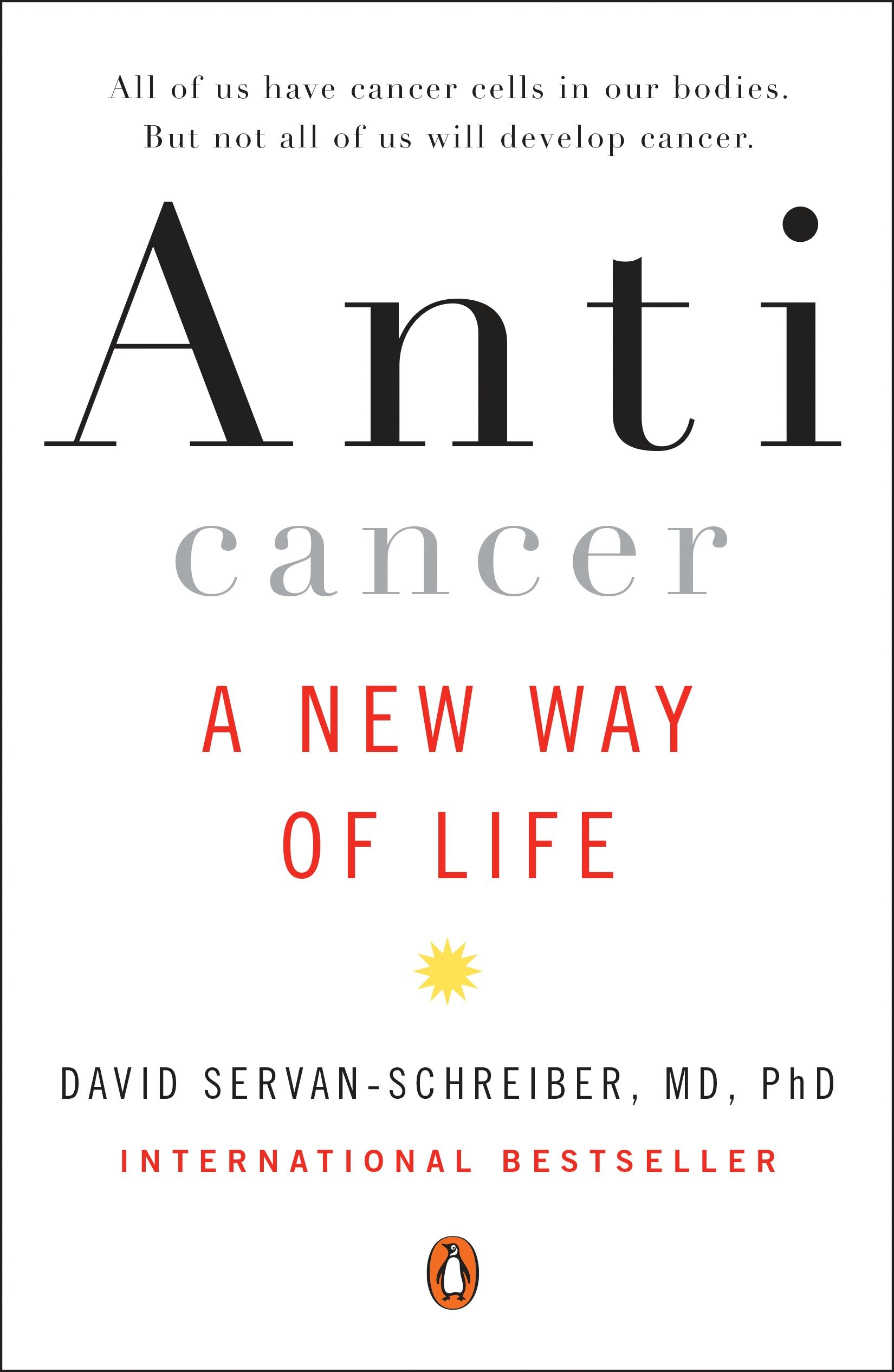
Anticancer
by David Servan-Schreiber, MD, PhDMidway through testing equipment in his own brain-imaging lab, David Servan-Schreiber found a walnut-sized tumor in his brain. Anticancer follows him through disease and relapse into the research, explaining what helps cancer cells thrive and what holds them back. From there, the integrative approach covers diet, exercise, yoga and meditation, plus the roles environment and trauma play. It suits you best if you want a scientist's personal story wrapped around the advice.
Come here for: Practical, list-friendly guidanceExpect: Instruction over theoryWhere it sits:CancerHealth & WellnessBreasts: The Owner's Manual
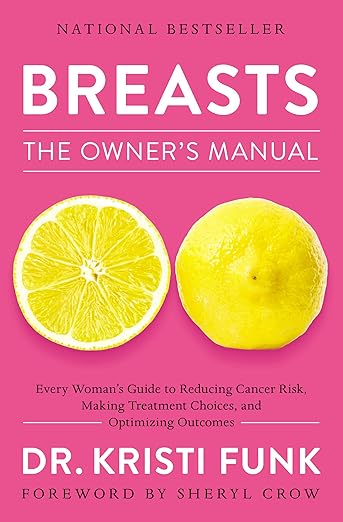
by Kristi FunkEighty-seven percent of women diagnosed with breast cancer have no first-degree relative with the disease. That single number anchors Breasts: the Owner's Manual, in which surgeon Kristi Funk separates the risk factors you can control from the ones you can't, and calls out the supposed causes that are flat-out false. Food and lifestyle changes for lowering risk and recurrence sit alongside your medical options if your risk is already elevated.
Come here for: Practical breast-health guidanceExpect: Straightforward instructionWhere it sits:Women's HealthBreast CancerCancerDr. Susan Love's Breast Book
by Susan M. LoveWhen breast cancer research feels vast, uneven and confusing, where do you even start? Dr. Susan Love's Breast Book, now in its sixth edition, has been a path through that thicket for more than two decades. Dr. Susan Love offers warm support while helping you ask the right questions and recognize when a second opinion might be wise. It's built for a woman facing a diagnosis who wants the options that fit her particular situation.
Come here for: A clear-eyed guide through breast cancer research and treatment optionsExpect: Coverage of targeted, hormonal, immunologic, and other treatmentsWhere it sits:Breast CancerWomen's HealthCancerThe Cancer Revolution
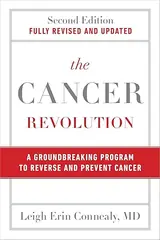
by Leigh Erin ConnealyLeigh Erin Connealy, MD, developed a whole-person approach to cancer through her Cancer Center for Healing, and The Cancer Revolution lays it out in a revised and updated edition. Rather than treating only the tumor, she aims at root causes, organizing her method into Seven Revolutionary Cancer Strategies and a plan for sustained wellness. The book suits you best if integrative medicine already interests you and you want a framework of achievable lifestyle choices.
Come here for: Science-backed healing talkExpect: Structured guidanceWhere it sits:CancerHealth & WellnessThe Gerson Therapy
by Charlotte Gerson, Morton Walker, DPMCharlotte Gerson and medical journalist Morton Walker present one of the first alternative cancer therapies, a program with more than sixty years of history and clinic locations around the country. The Gerson Therapy rests on changing body chemistry through nutrition, with special juicing techniques and Gerson-approved recipes, and extends the approach to conditions from arthritis to heart disease. It suits you best if you want this specific program explained in full, in its own advocates' words.
Come here for: A nutrition-centered alternative therapy with a long historyExpect: A practical focus on diet and healthEat to Beat Disease
by William W LiPlums, cinnamon, jasmine tea, San Marzano tomatoes: Eat to Beat Disease is less about cutting foods than adding them. Physician scientist William Li maps more than 200 foods to five health defense systems, from angiogenesis and regeneration to the microbiome, DNA protection and immunity. At a steady pace, the plan shows how to work foods you already love into any diet, with strategies and dosages aimed at cancer, dementia and other avoidable diseases.
Where it sits:Health & WellnessCancerAlzheimer's & Dementia


Chris Beat Cancer
by Chris WarkCome here for: Faith-forward health guidanceExpect: Accessible, practical framingThe Metabolic Approach to Cancer
by Nasha Winters, Jess Higgins KelleyCome here for: Nutrition-forward cancer care lensExpect: Structured, reference-friendly adviceWhere it sits:CancerDiet PlansRadical Remission
by Kelly A. Turner, PhDCome here for: Healing-focused guidanceExpect: Clear takeawaysAnticancer Living
by Lorenzo Cohen PhD, Alison Jefferies, MEdCome here for: Clear, practical health guidanceExpect: Insight over anecdoteWhere it sits:CancerHealth & WellnessThe Cancer Code
by Dr. Jason FungCome here for: A fresh lens on cancer’s biology and the conditions in which it developsExpect: A serious, accessible account that questions genetics-first thinkingWhere it sits:CancerHormones & MetabolismDiabetesTripping over the Truth
by Travis ChristoffersonCome here for: A history of cancer research reframed through the metabolic theoryExpect: A narrative journey through scientific detours and discoveriesWhere it sits:CancerHealth & WellnessThe Cancer Journals
by Audre LordeCome here for: A feminist account that joins private experience with public resistanceExpect: A layered blend of journal, memoir, and expositionWhere it sits:Lives in MedicineCancerLGBTQ+ LivesThe First Cell
by Azra RazaCome here for: Memoir-grounded scienceExpect: Early-stage thinkingWhere it sits:Lives in MedicineCancerLeukemia & LymphomaGetting Well Again
by O. Carl Simonton, M.D., James Creighton, Ph.D.Where it sits:CancerManaging StressMental HealthThe Cancer-Fighting Kitchen, Second Edition
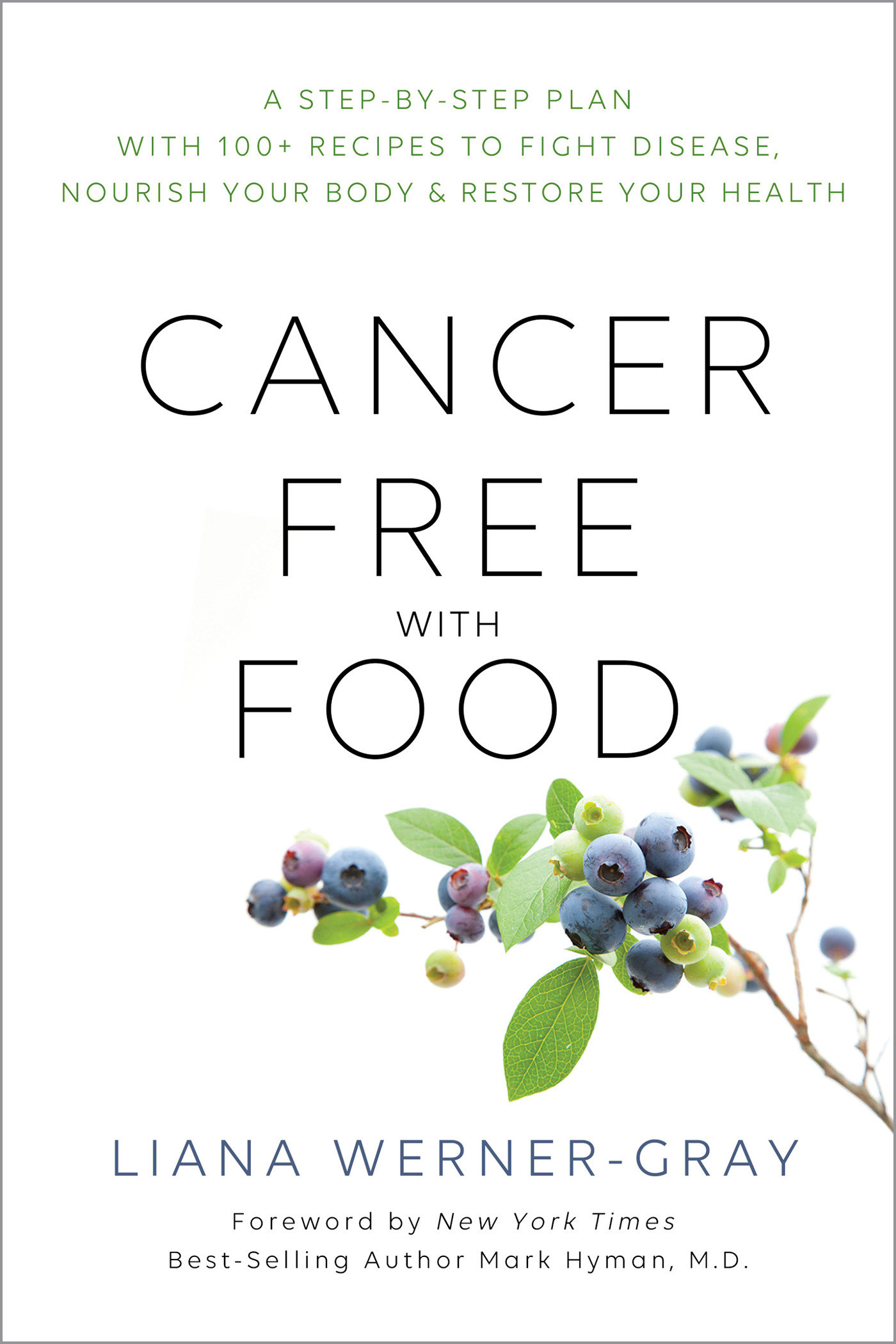
by Rebecca Katz, Mat EdelsonCome here for: Nourishing, big-flavor recipesExpect: Reference-minded recipesWhere it sits:Cooking for Cancer CareCancerHealth & WellnessCancer-Free with Food
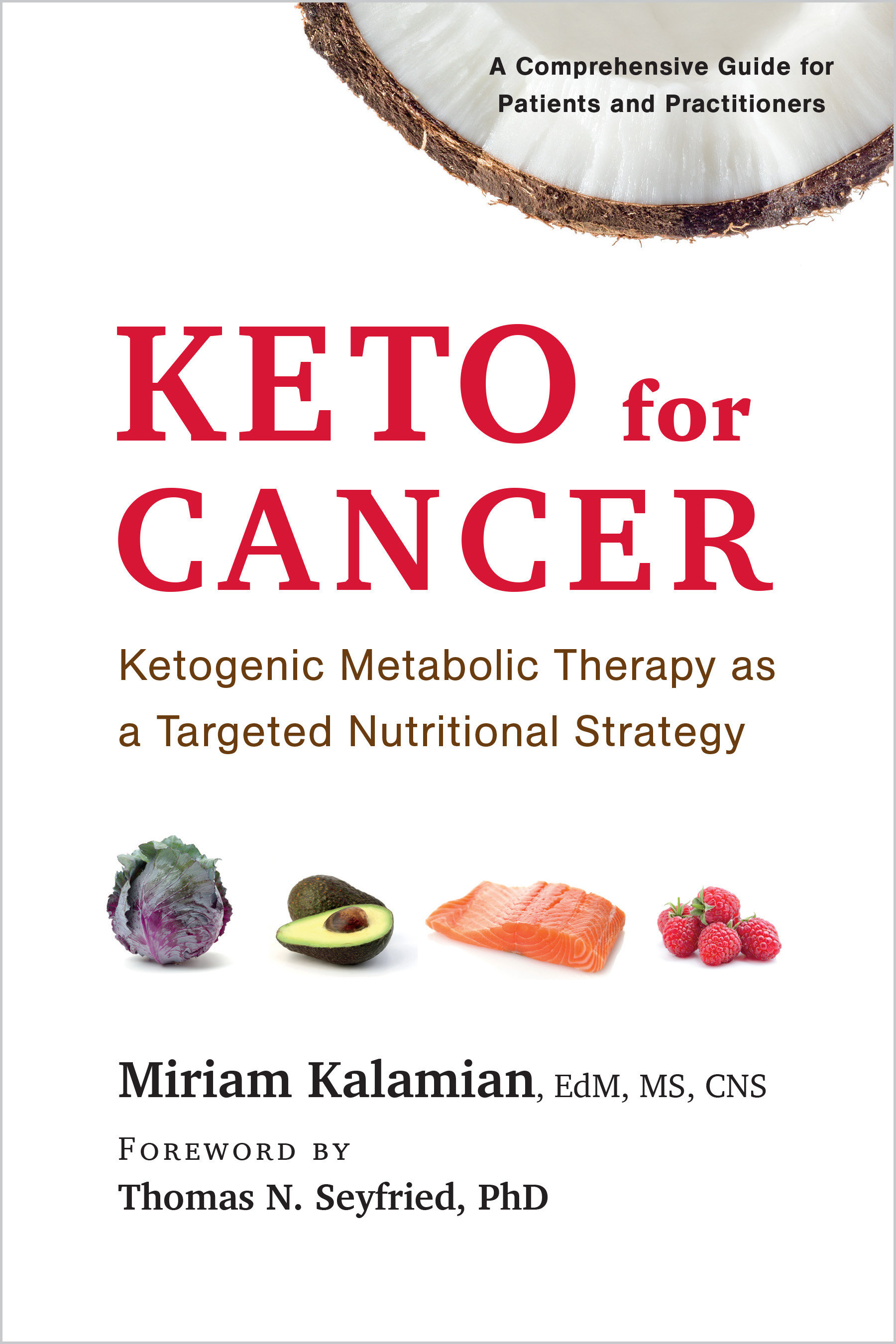
by Liana Werner-GrayWhere it sits:Cooking for Cancer CareCancerHealth & WellnessKeto for Cancer
by Miriam KalamianWhere it sits:CancerLow-Carb CookingDiet PlansThe Definitive Guide to Thriving After Cancer
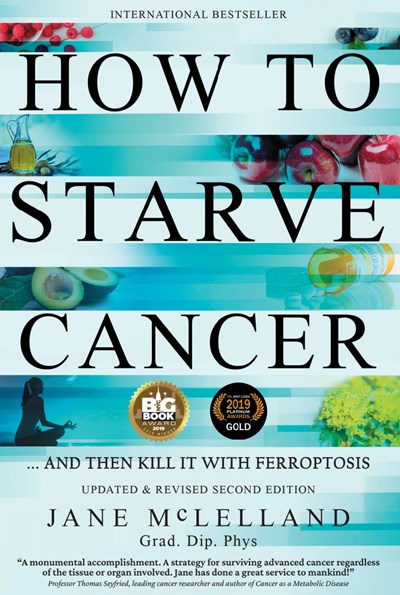
by Lise N. Alschuler, Karolyn A. GazellaCome here for: A five-step plan integrating conventional and alternative therapiesExpect: Conventional and natural cancer-prevention therapiesWhere it sits:CancerHealth & WellnessHow to Starve Cancer
by Jane McLellandCome here for: Ferroptosis as the central ideaExpect: Clear, directed guidanceWhere it sits:CancerLives in MedicineHealth & WellnessHelp Me Live, Revised
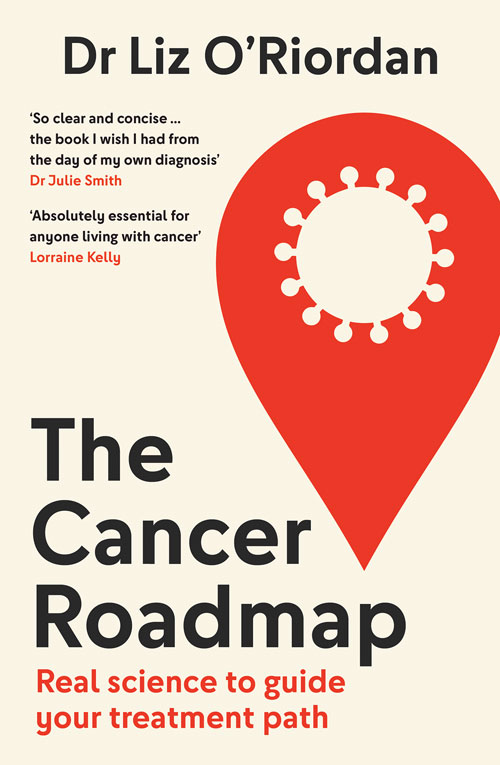
by Lori HopeWhere it sits:CancerCaregivingThe Cancer Roadmap: Real science to guide your treatment path
by Dr Liz O’RiordanCome here for: Clear answers about cancer causes and common mythsExpect: Evidence-based information to help guide treatment decisionsWhere it sits:CancerBreast CancerThe Philadelphia Chromosome
by Jessica WapnerCome here for: The careful unraveling of a genetic clueExpect: Clear explanations of cancer geneticsWhere it sits:Leukemia & LymphomaGenetics & GenomicsCancerSurviving Triple-Negative Breast Cancer
by Patricia Prijatel, Carol Scott-ConnerWhere it sits:Breast CancerCancerWomen's HealthSurvival Lessons
by Alice HoffmanWhere it sits:Personal GrowthPersonal MemoirsCancerCancer and the New Biology of Water
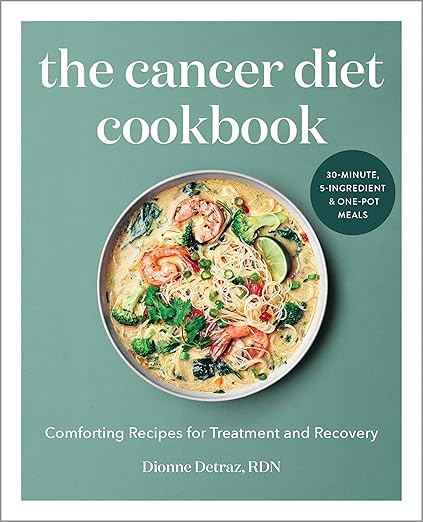
by Thomas CowanCome here for: A provocative rethink of cancer biology and the limits of the War on CancerExpect: An argument centered on metabolic dysfunction and structured waterWhere it sits:CancerCell BiologyAlternative & Complementary MedicineThe Cancer Diet Cookbook
by Dionne Detraz RDNCome here for: Recipes with options for 30 minutes or less, five ingredients, or one potExpect: Recipes and tips for patients and caregiversWhere it sits:Cooking for Cancer CareCancerHealth & WellnessThe Breast Cancer Book
by Kenneth D. Miller, Melissa CampCome here for: Risk factors and tests used to detect breast cancerExpect: Expert perspectives in genetics, radiation oncology, and breast reconstructionWhere it sits:Breast CancerWomen's HealthCancerOff Our Chests
by John Marshall, Liza MarshallWhere it sits:Lives in MedicineBreast CancerCancerDr. Patrick Walsh's Guide to Surviving Prostate Cancer
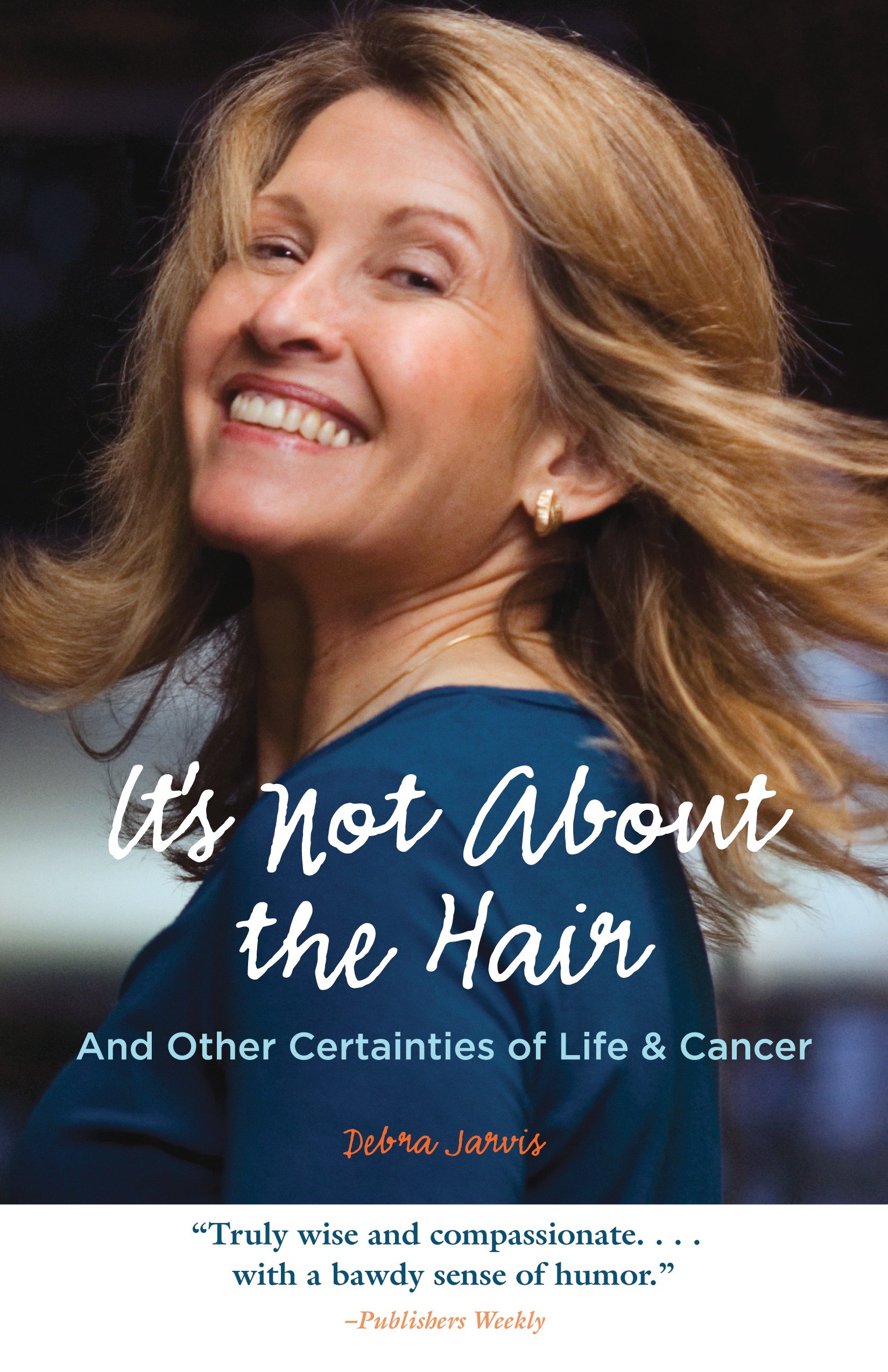
by Patrick C. Walsh, MD, Janet Farrar WorthingtonCome here for: Practical health guidanceExpect: Nonfiction, not narrativeWhere it sits:Prostate CancerMen's HealthCancerIt's Not About the Hair
by Debra JarvisCome here for: Frank humor alongside a chaplain’s perspective on illnessExpect: An intimate account balancing medical realities, vulnerability, and strengthWhere it sits:Breast CancerLives in MedicineCancerNo Longer Radical
by Rachel Brem, Christy TealWhere it sits:Breast CancerWomen's HealthCancerLet the Whole Thundering World Come Home
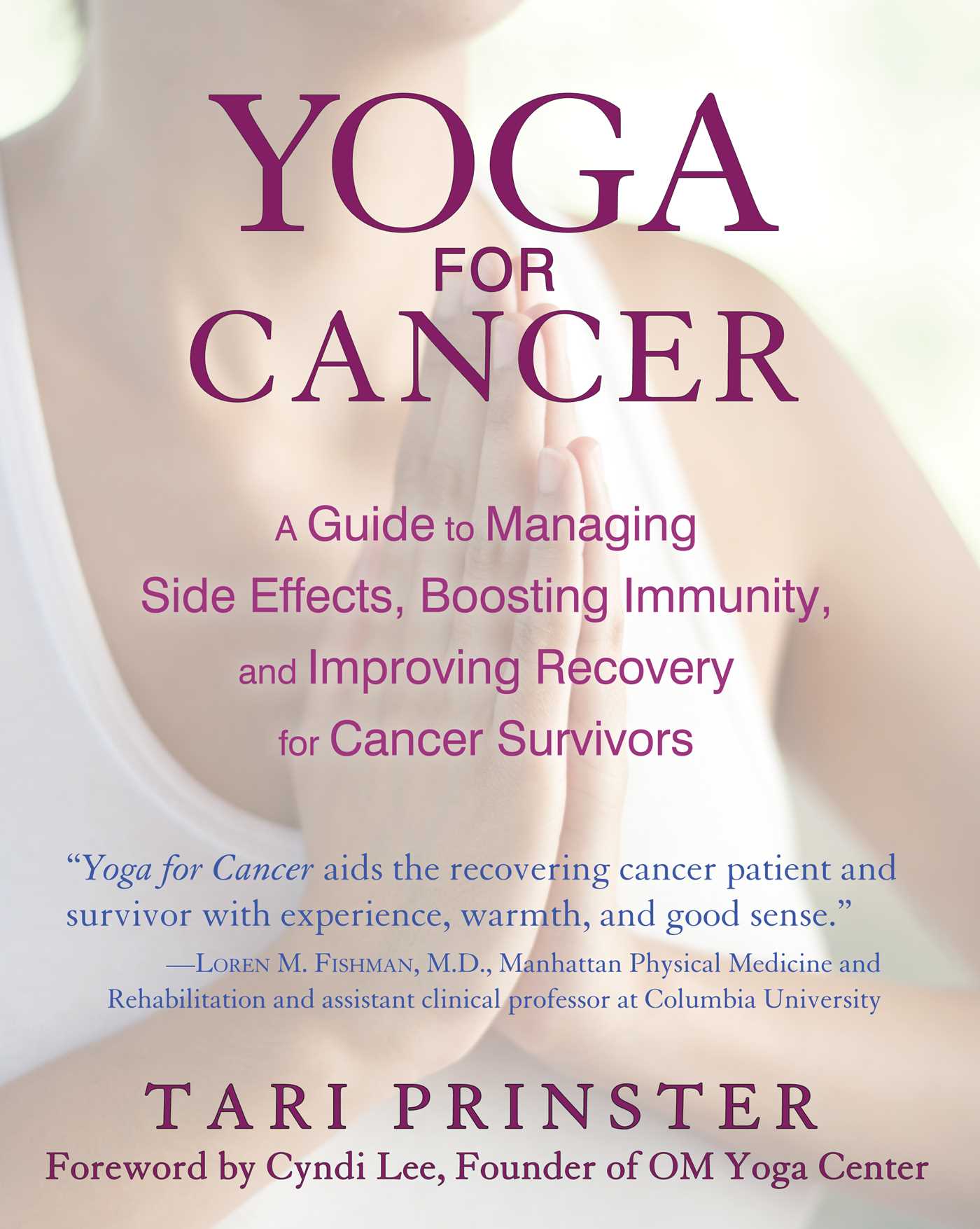
by Natalie GoldbergCome here for: Writing and painting as ways of staying close to lifeExpect: A direct, personal meditation on living with cancerWhere it sits:Personal MemoirsLives in MedicineCancerYoga for Cancer
by Tari PrinsterCome here for: Adapted yoga poses addressing cancer treatment challenges and physical needsExpect: Guidance for creating a safe home practiceWhere it sits:YogaCancerHealth & WellnessAfter Breast Cancer
by Sara LiyanageCome here for: Guidance from the final infusion through the five-year checkExpect: Lived experience alongside medical insightWhere it sits:Breast CancerWomen's HealthCancer50 Days of Hope
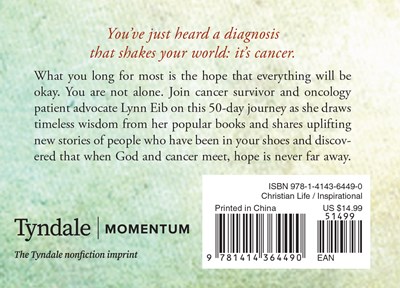
by Lynn EibCome here for: True stories of people finding hope amid cancerExpect: Daily doses of encouragement across 50 daysWhere it sits:CancerInspirational ReligionDevotionalsDying to Be Me
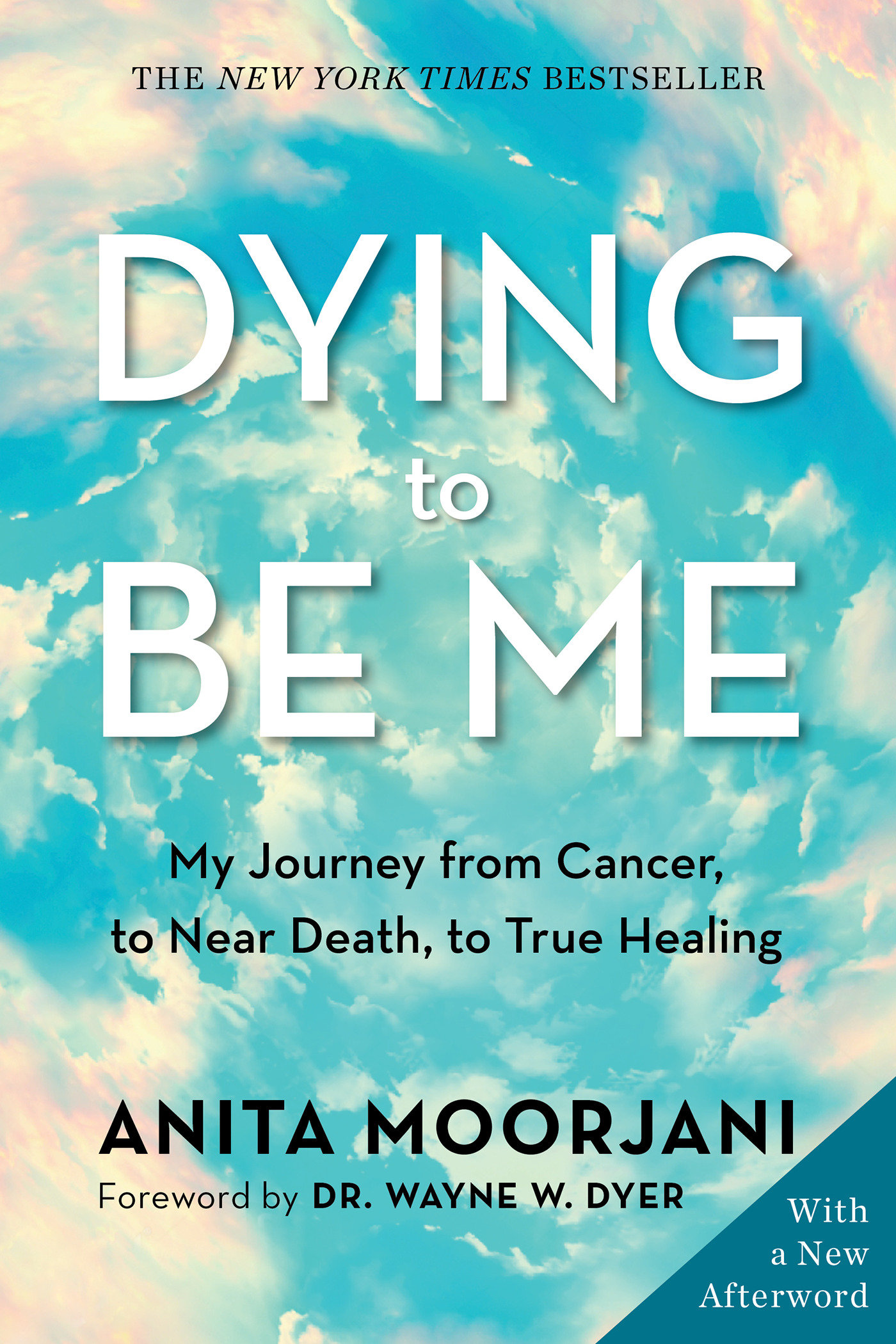
by Anita MoorjaniCome here for: A reflective account of illness, near-death, and healingExpect: Personal, faith-adjacent reflectionWhere it sits:CancerNear-Death ExperiencesLives in MedicineThe Breast Cancer Survival Manual, Seventh Edition
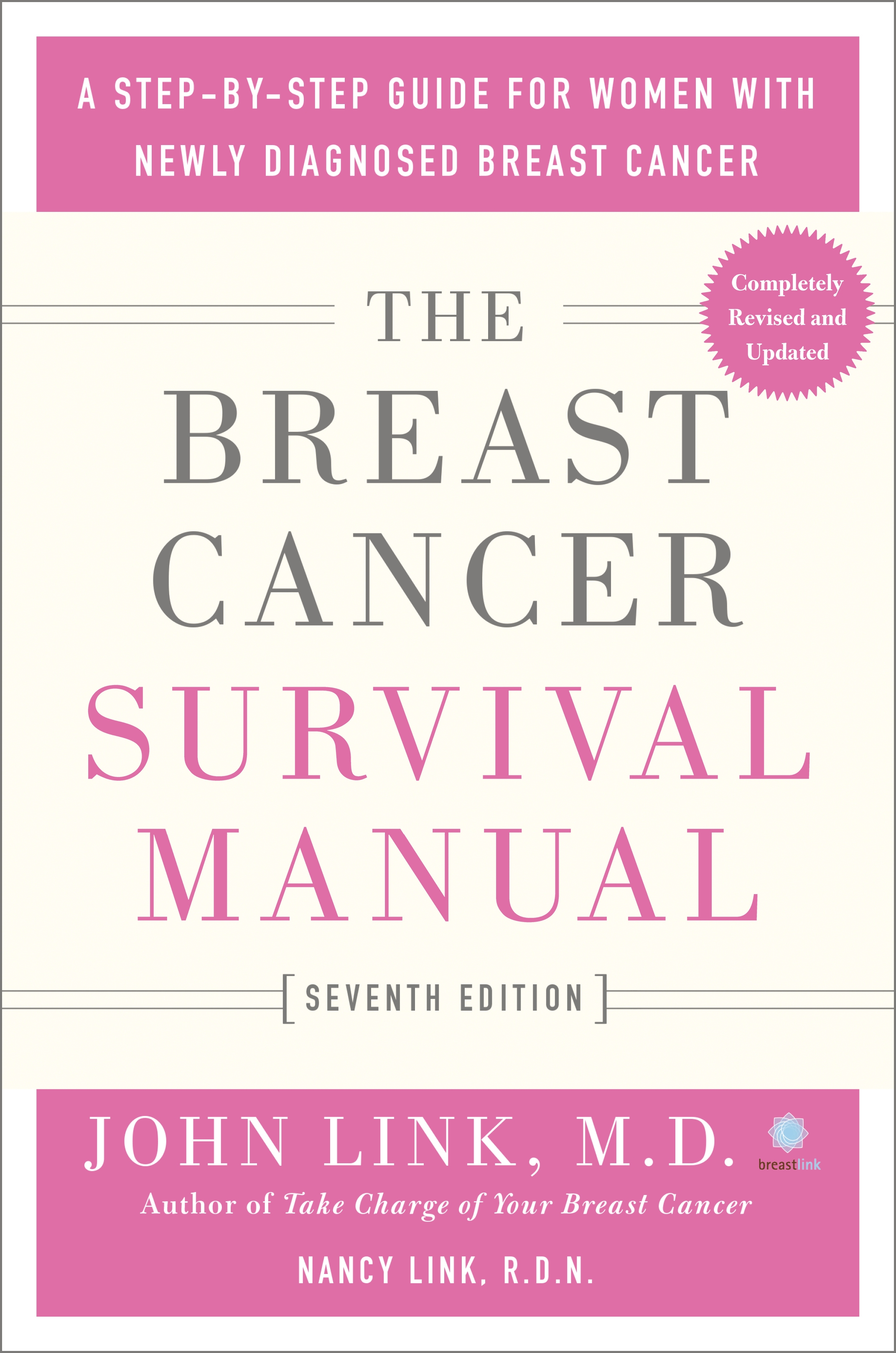
by John Link, M.D., Nancy Link, R.N.Come here for: Updates on genomic breast cancer types and treatment tailoringExpect: Treatment sequencing and blood tests for monitoring response and recurrenceWhere it sits:Breast CancerWomen's HealthCancerThe LDN Book
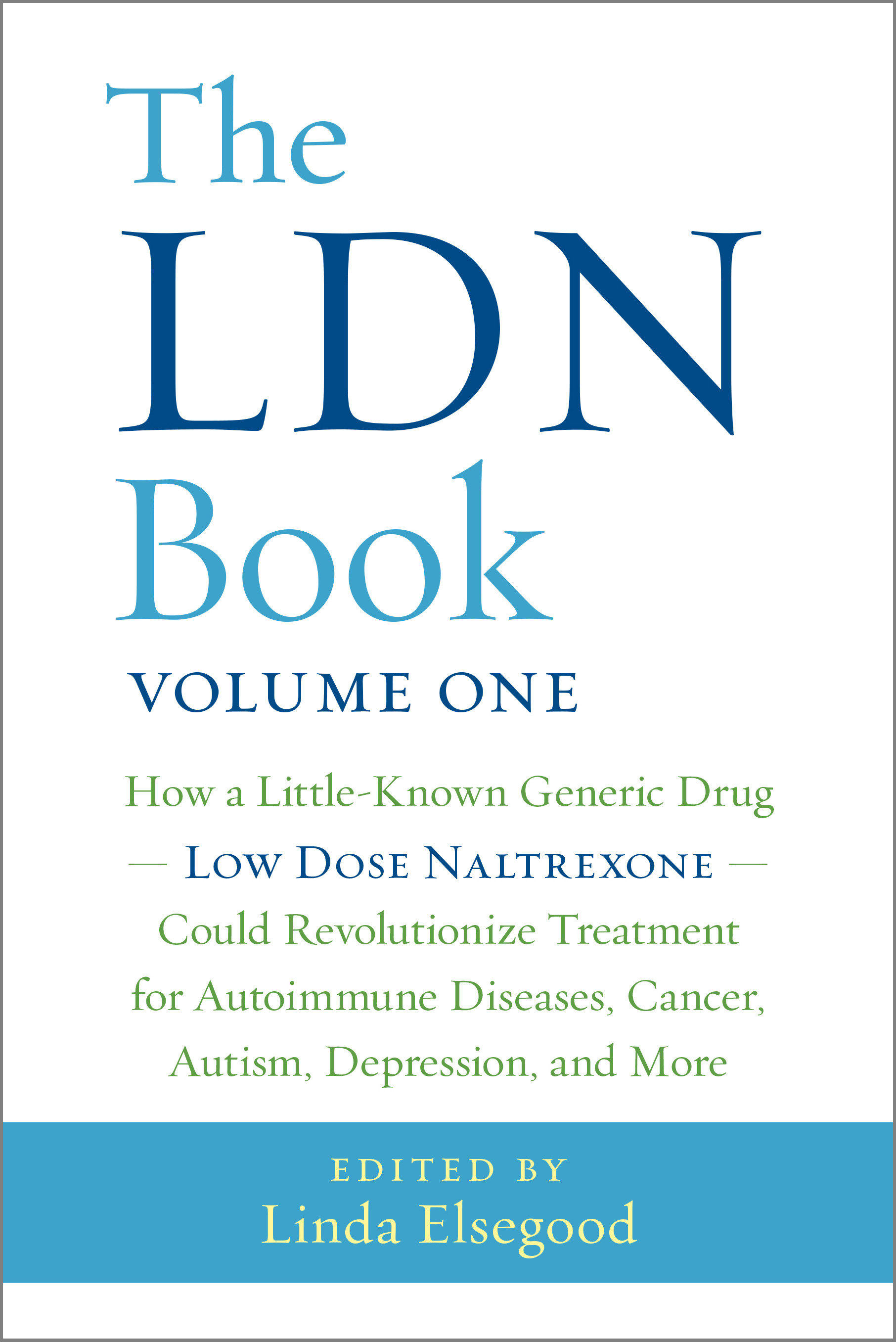
by Linda ElsegoodCome here for: Low-dose, high-curiosity medicineExpect: Clinical terrain, not bedside reassuranceWhere it sits:Immune System DisordersCancerChronic FatigueStraight Talk About Breast Cancer
by Margaret Block, Suzanne W. BraddockCome here for: Updated information and photos on breast reconstructionExpect: A complete list of resourcesWhere it sits:Breast CancerCancerWomen's Health12 Keys to a Healthier Cancer Patient
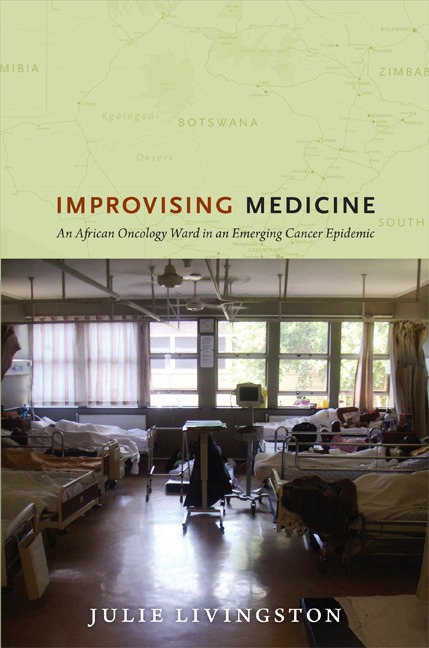
by Patrick QuillinCome here for: Guidance on nutrition and attitude during cancer treatmentExpect: A one-week recipe section with color photographsWhere it sits:CancerHealth & WellnessCooking for Cancer CareImprovising Medicine
by Julie LivingstonCome here for: A close view of illness as a deeply social experienceExpect: Patients, relatives, and ward staff in focusWhere it sits:CancerHow Cultures WorkHealth Care DeliveryMindfulness
by Trish BartleyCome here for: The standard eight-week MBCT course in a flexible formatExpect: Practices tailored to different phases of a cancer experienceWhere it sits:CancerCBTAlternative & Complementary MedicineDear Friend
by Gina L MulliganCome here for: Compassionate words from women who have faced health battlesExpect: Letters offering empathy, encouragement, and a little humorWhere it sits:Breast CancerGetting MotivatedCancerRavenous
by Sam AppleCome here for: Otto Warburg’s theory of cancer as a problem of metabolismExpect: A history of cancer scienceWhere it sits:Science & Tech PioneersCancerLives in MedicineThe HPV Vaccine On Trial
by Mary Holland, Kim Mack RosenbergWhere it sits:VaccinationsPharma & Biotech IndustryCancerThe Complete Guide to Breast Cancer
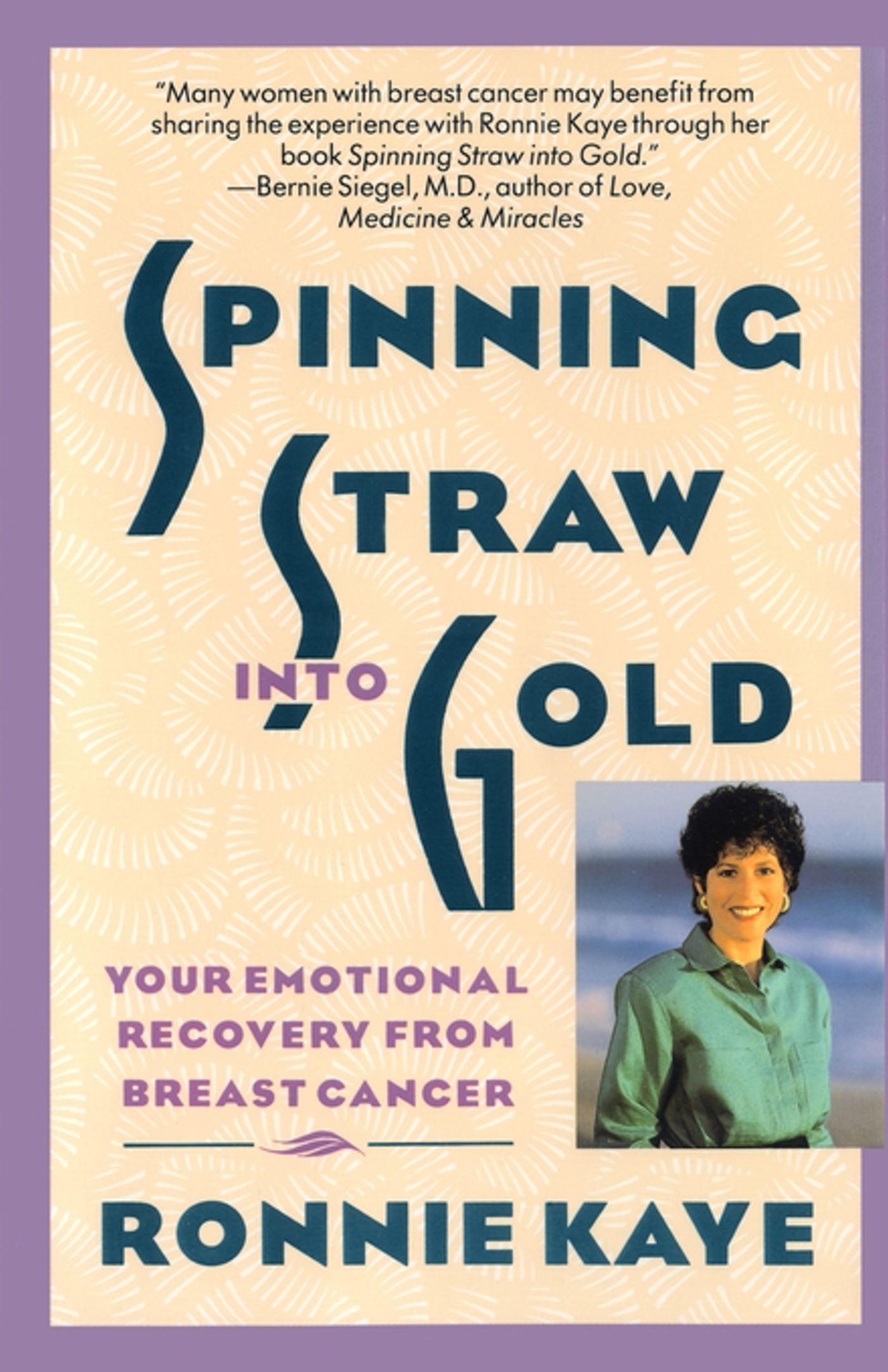
by Trisha Greenhalgh, Liz O'RiordanCome here for: Plain explanations of breast cancer treatmentsExpect: Coverage of fear of recurrenceWhere it sits:Breast CancerWomen's HealthCancerSpinning Straw Into Gold
by Ronnie KayeCome here for: Emotional recovery after breast cancerExpect: A compassionate guide to the emotional aftermath of illnessWhere it sits:Breast CancerWomen's HealthCancerThe Monsanto Papers
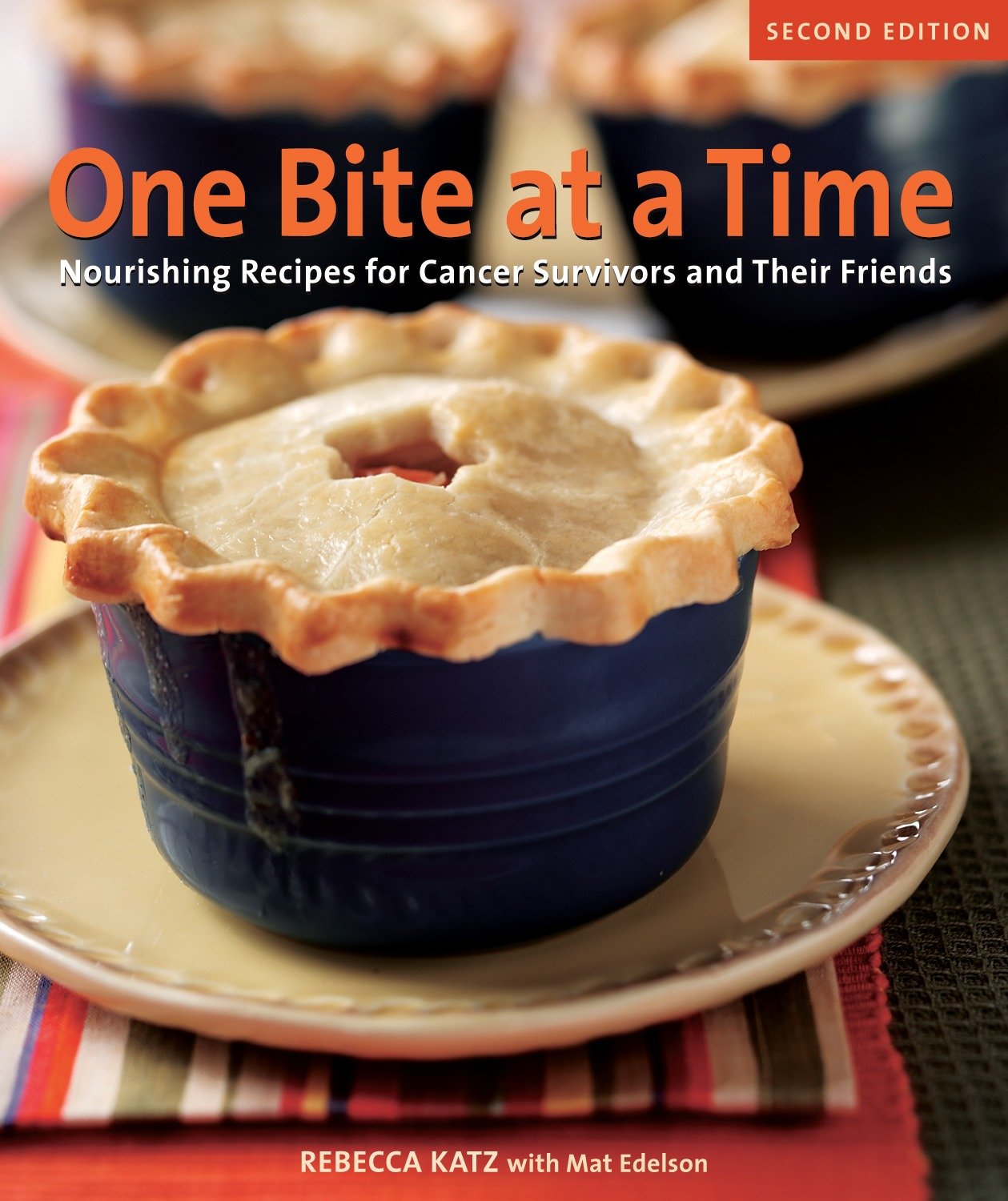
by Carey GillamCome here for: One man’s race against time inside a high-stakes lawsuitExpect: A behind-the-scenes view of a grueling legal battleWhere it sits:White-Collar CrimeCancerAgribusinessOne Bite at a Time, Revised
by Rebecca Katz, Mat EdelsonWhere it sits:Cooking for Cancer CareCancerFood as MedicineRadical Hope
by Kelly A. Turner, Ph.D., Tracy WhiteCome here for: Healing factors, plainly laid outExpect: Health-and-self-help framingWhere it sits:CancerHealing & RecoverySpiritual Healing