Explore Mythology Through Stories, Sacred Texts, and Art
Greek and Roman gods, world folklore, sacred writings, and painted creatures: find a book for browsing, storytelling, or close study.
Edited by Chris · updated 2026-11-20
For Greek myth centered on Achilles and Patroclus’s love, read The Song of Achilles; for a witty collection of Olympian tales, go with Mythos. Mythology (75th Anniversary Illustrated Edition) combines Greek, Roman, and Norse material for browsing and study, Illustrated Encyclopedia of Mythology of the World offers a world-spanning illustrated A–Z, and Classical Mythology: A Very Short Introduction explores how Greek and Roman myths are interpreted and reused. Turn to Hindu Myths for Hindu sacred sources, Encyclopaedia of Celtic Myth and Legend for Celtic tales and poems in translation, and Mythological Creatures for an artist’s view of Greek creatures.
Our reading of each book:Come here forExpectWhere it sits
Stories with love, mischief, and a sense of place
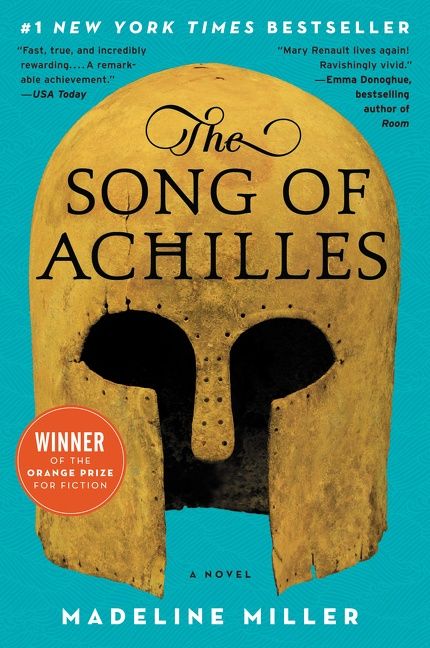
The Song of Achilles
Patroclus’s point of view brings Achilles and the Trojan War close enough to hurt. In The Song of Achilles, the Greek legend unfolds through love, heroism, and immortal fame, with gods and kings surrounding a deeply human bond. Come for a sustained retelling centered on Achilles and Patroclus, with a fast narrative sweep and a quietly tragic pull. Ancient-world atmosphere gives the romance its setting and weight; the emotional center stays with two men facing the demands of war and glory.
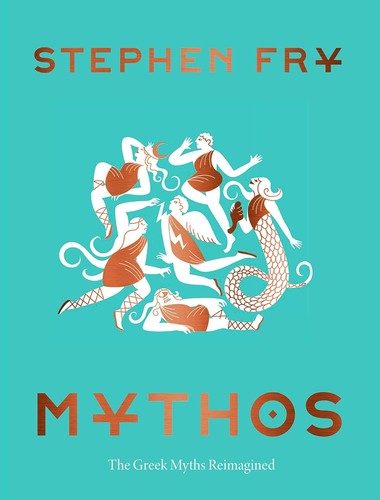
Mythos
Zeus and the Olympians have plenty of room for mischief in Mythos, where Stephen Fry retells Greek myths with wit, emotion, and a feel for their strangeness. Pandora’s box and Prometheus’s fire are part of a collection that welcomes a first encounter while giving longtime enthusiasts a fresh voice to enjoy. The storytelling stays playful without dropping the cultural context. Learned notes and classical artwork offer another way to linger over the gods’ adventures and the images they inspired.
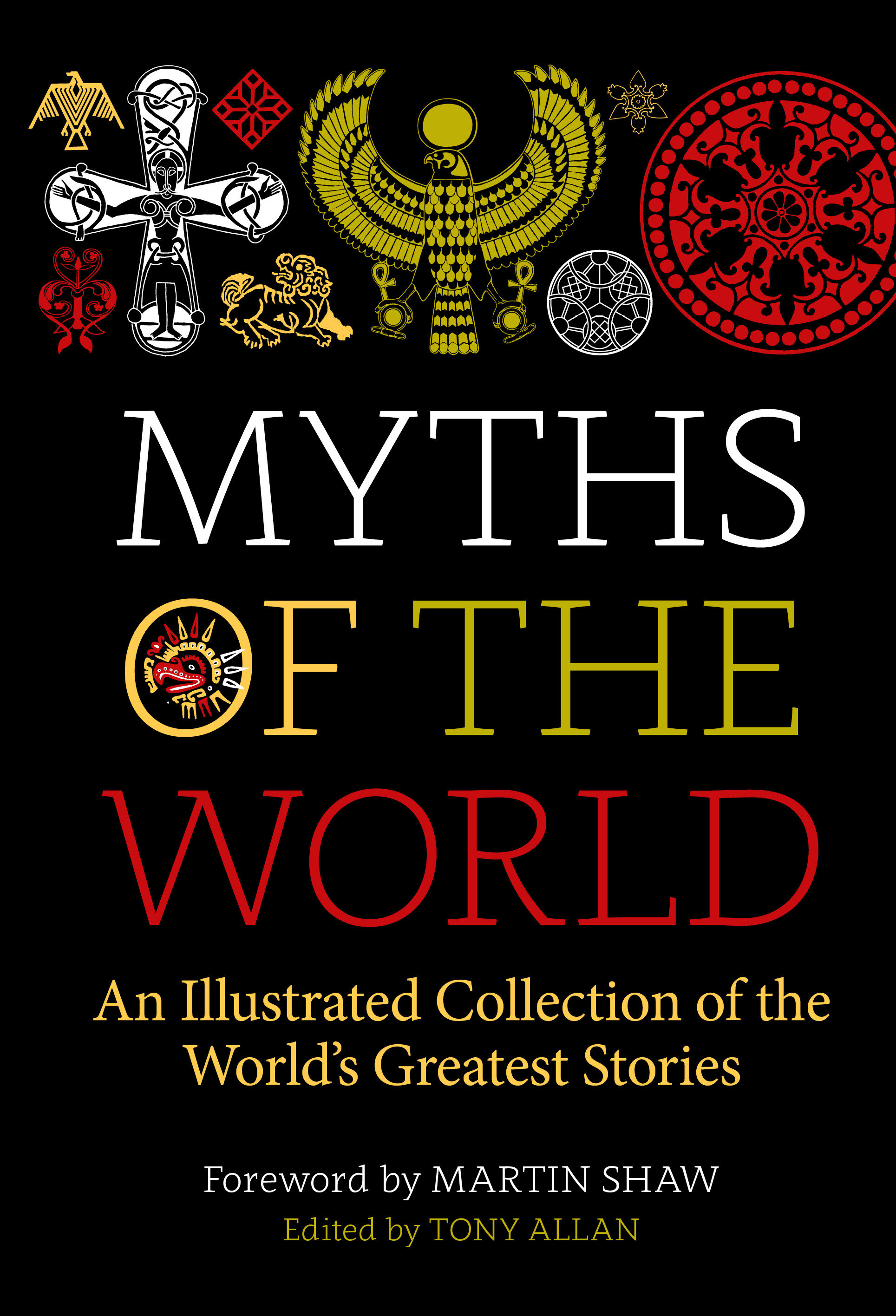
Myths of the World
More than 240 tales make Myths of the World a place to roam, moving from Egypt, Greece, and Rome to the Slavic East, Japan, China, and the Americas. The pleasure is in the range: gods, magicians, monsters, and animals with extraordinary powers populate a collection that runs from creation and the first humans to apocalyptic battles. Dip into a familiar tradition, then follow a tale from somewhere less familiar. Among the memorable episodes are Thor losing his hammer and Isis forcing the sun god to reveal his name.
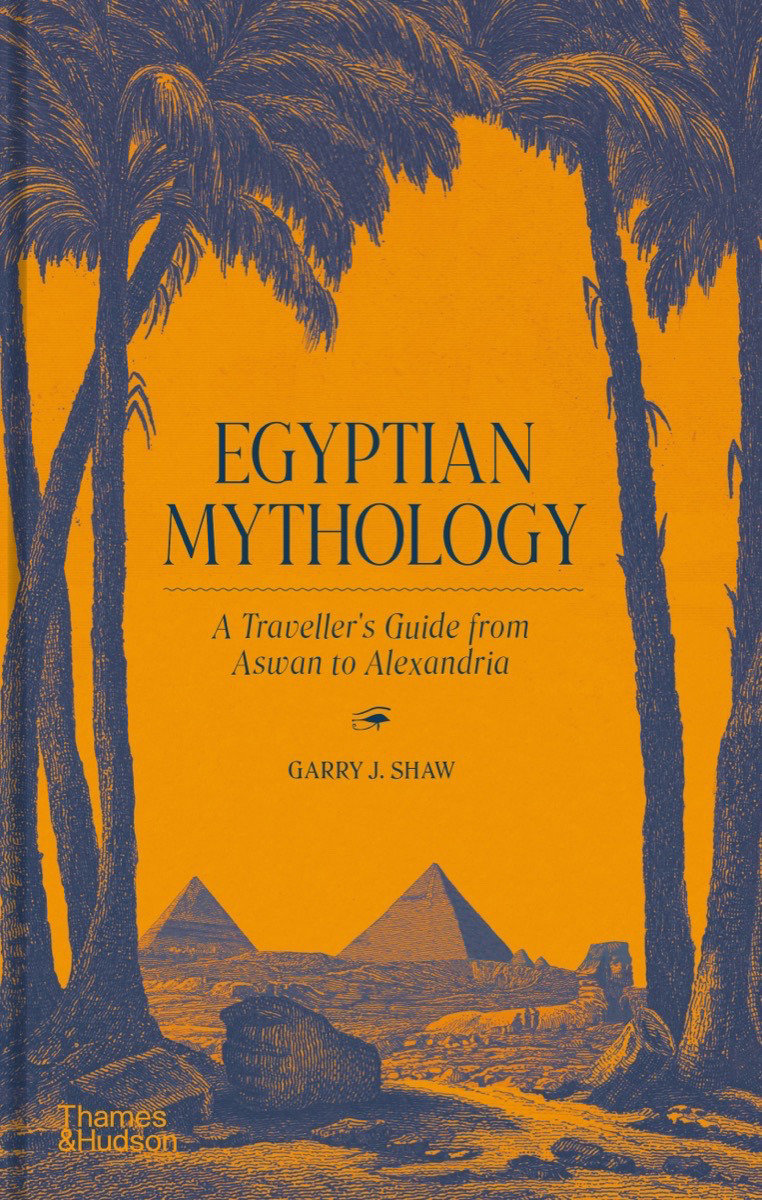
Egyptian Mythology
A trip up the Nile supplies the structure for Egyptian Mythology: each stop connects a place with the gods and stories associated with it. Garry J. Shaw retells tales of Horus, Isis, Osiris, and their allies and enemies with wit, linking them to temples, monuments, worship, and everyday ritual. Along the way, you encounter tales of vengeance, tragedy, and fantastic metamorphoses in the landscapes where their gods were worshiped. Chapters close with site histories and visiting tips for places including Dendera and Thebes.
Names, family lines, and worlds to look up
Keep the scope in mind: one volume joins Greek, Roman, and Norse material, one ranges around the world, and one explores many distinct Native American cultures.
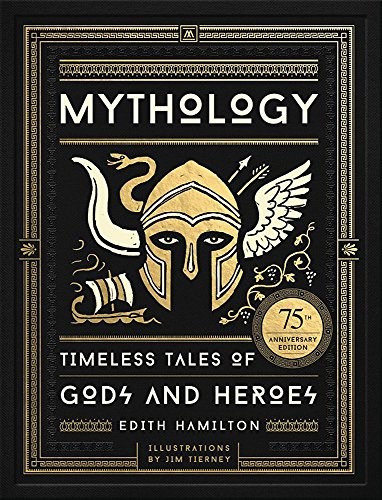
Mythology (75th Anniversary Illustrated Edition)
Greek, Roman, and Norse traditions share space in Mythology (75th Anniversary Illustrated Edition), an anthology with the steady, readable feel of a reference companion. Edith Hamilton’s range runs from Odysseus’s adventure-filled journey to Odin’s effort to postpone the final day of doom. The gods’ family lineages help you keep their connections in view during sustained study. The anniversary edition also has a keepsake quality: a hardcover format and gold-bordered pages give the collection a distinctive shelf presence.
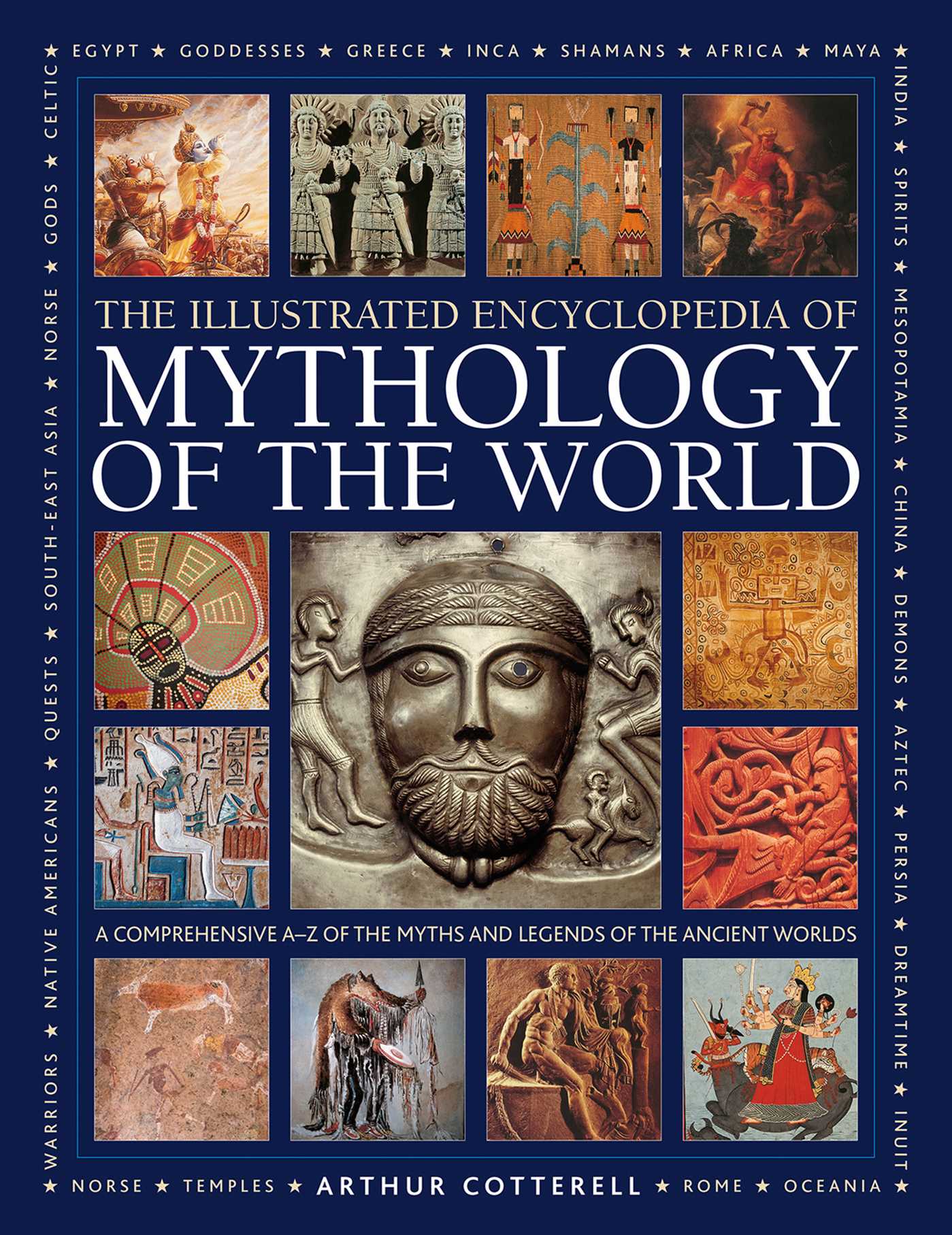
Illustrated Encyclopedia of Mythology of the World
An 800-page A–Z gives Illustrated Encyclopedia of Mythology of the World its lookup power, while thematic features connect individual figures and stories to larger questions. Creation, death, sacrifice, and prophecy become subjects to explore across traditions. The geographical sweep reaches from ancient Greece and the Aztecs to the Indigenous peoples of Oceania and North America. Keep it nearby when a name sends you searching: Arthur Cotterell and a team of authors bring together stories about the universe, the ordering of the world, and the forces of nature.
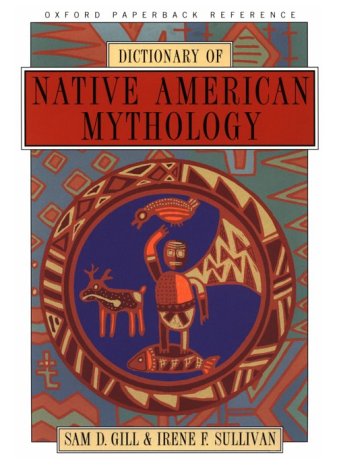
Dictionary of Native American Mythology
Over a thousand alphabetical entries open Dictionary of Native American Mythology onto more than a hundred Native American cultures. Names, phrases, symbols, motifs, and themes sit alongside essays on storytelling, Christian influence, and differences among traditions. Stories and rites are treated as foundations of community, health, family, and identity, giving a quick lookup cultural as well as mythic context. One striking example is Apotamkin, a frightening being whose story helps keep children away from thin ice in winter and unguarded beaches in summer.
Why these myths keep turning up
These guides ask how myths work and how people use them, with a choice between a world-cultures framework and a focus on ancient Greece and Rome.
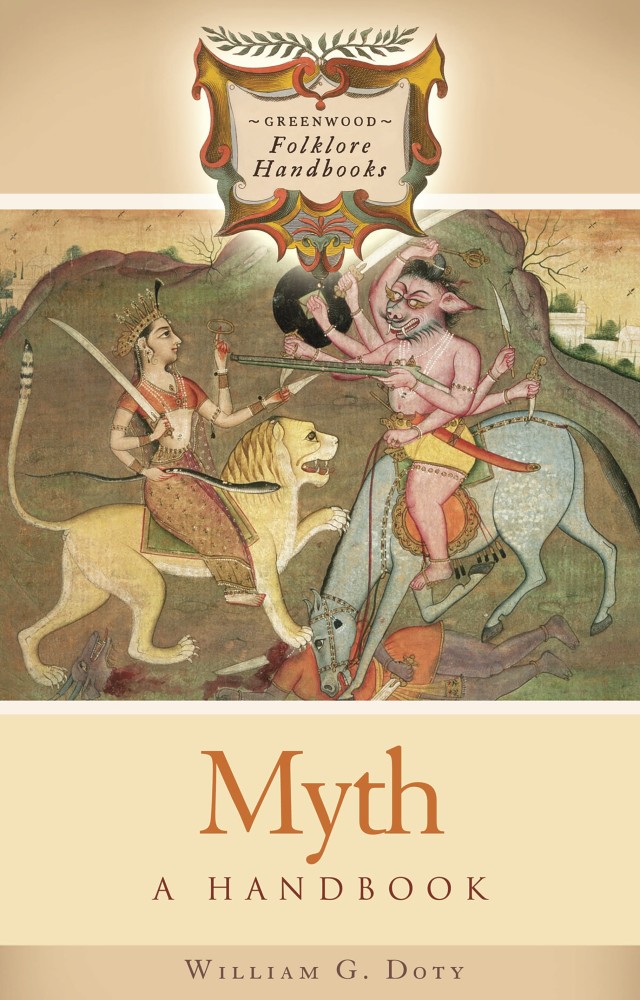
Myth
What counts as a myth, and what does it do inside a culture? Myth takes those questions seriously, defining and classifying myths, tracing the history of their study, and surveying ways to interpret them. This is useful company for a high school or college course, or for anyone curious about the ideas behind the stories. Examples connect myth with politics, religion, and popular culture, while a glossary and bibliography support further investigation of how societies pass on practical guidance and enduring truths.
Classical Mythology: A Very Short Introduction
Ancient temples and New York skyscrapers belong to the same inquiry in Classical Mythology: A Very Short Introduction: how Greek and Roman myths keep acquiring meaning. Its account follows their uses through Arabic poetry, Hollywood films, psychoanalysis, the Bible, and New Age spiritualism. Zeus and Europa appear alongside Diana, Pan, and Prometheus in an introduction that treats classical myth as cultural literacy. The emphasis falls on interpretation and endurance—how old stories become ways of thinking about origins, identity, and desire.
Sacred texts and Celtic tales in translation
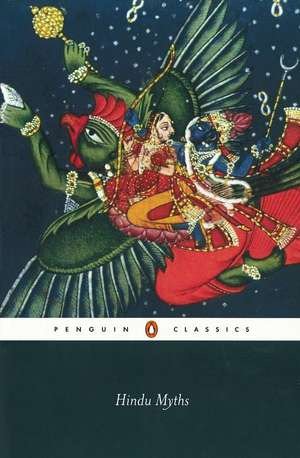
Hindu Myths
Seventy-five myths drawn from sacred Sanskrit texts give Hindu Myths the texture of a translated sourcebook. Vishnu’s many incarnations appear alongside the mischievous child Krishna, minor gods, demons, rivers, and animals. Approach it as a way into Hindu sacred literature, with religious, literary, and historical angles that reward returning to individual selections. Its variety reaches from the miracles of creation to the origins of Death, with boars, buffalo, serpents, and monkeys along the way.
Encyclopaedia of Celtic Myth and Legend
Battles, births, voyages, and visions fill Encyclopaedia of Celtic Myth and Legend, whose tales and poems are arranged by theme in keeping with bardic traditions. John and Caitlin Matthews pair translations with commentary, drawing on familiar Celtic material as well as neglected sources and archives. Encyclopedic in scope, the collection stays rooted in texts and voices: heroes and heroines, fairy folk, kings, and magicians. Anyone ready to spend time with Celtic lore can move among stories of love, vengeance, wisdom, and longing.
Creatures seen through an artist’s eyes
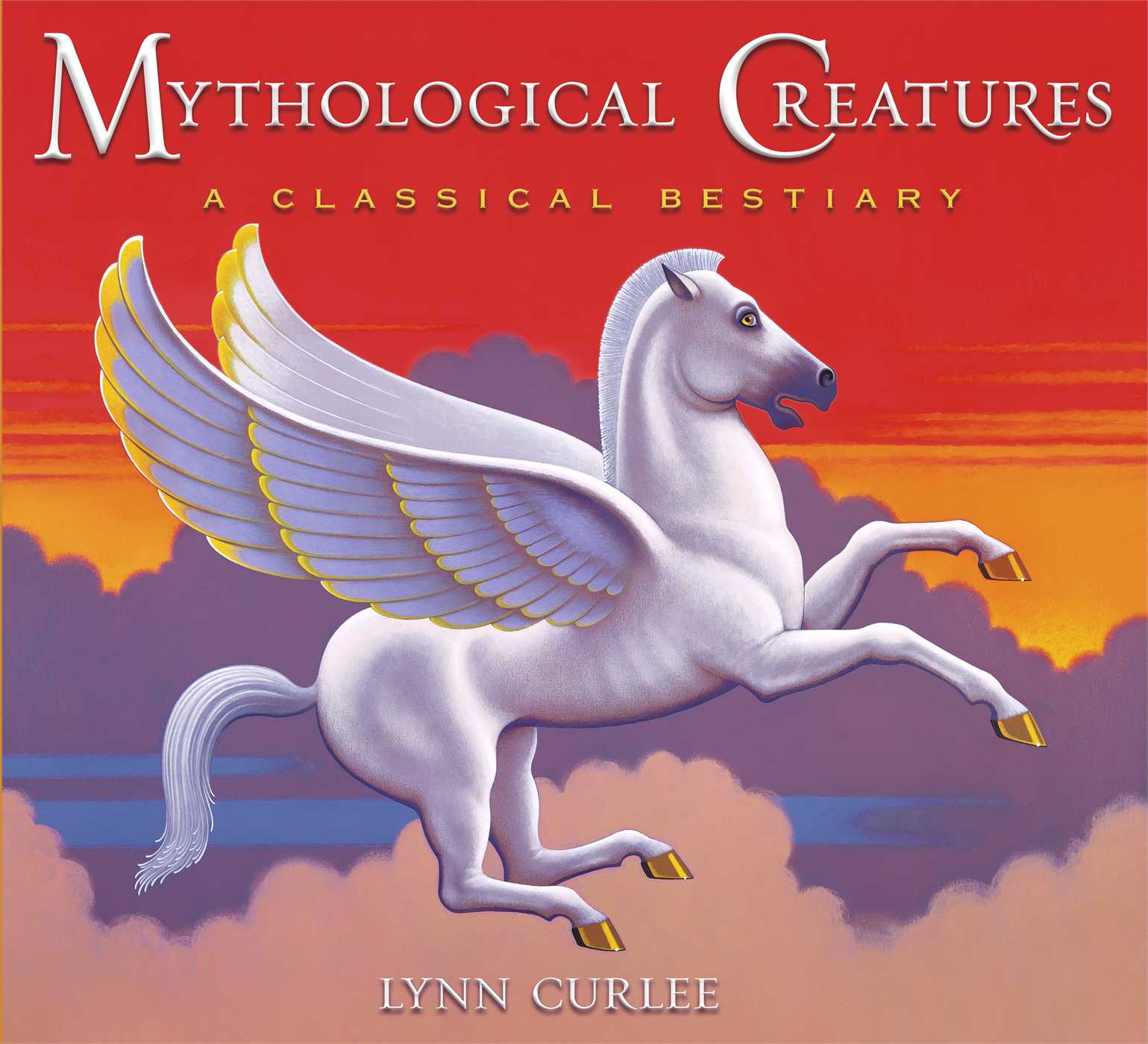
Mythological Creatures
A Chimera made of lion, goat, and serpent sets the tone for Mythological Creatures, where Greek creatures bring danger and wonder to the gods’ world. Lynn Curlee explores beings such as the Phoenix, which rises from its own ashes, and Cerberus, the three-headed watchdog of Hades, alongside legends of Jason and the Golden Fleece and Perseus and Medusa. Mortals may be favored or destroyed by the gods, and even kings and queens must bow to Zeus. Nymphs and centaurs roam to Pan’s flute, with a hungry Cyclops and the Minotaur lurking in the shadows.