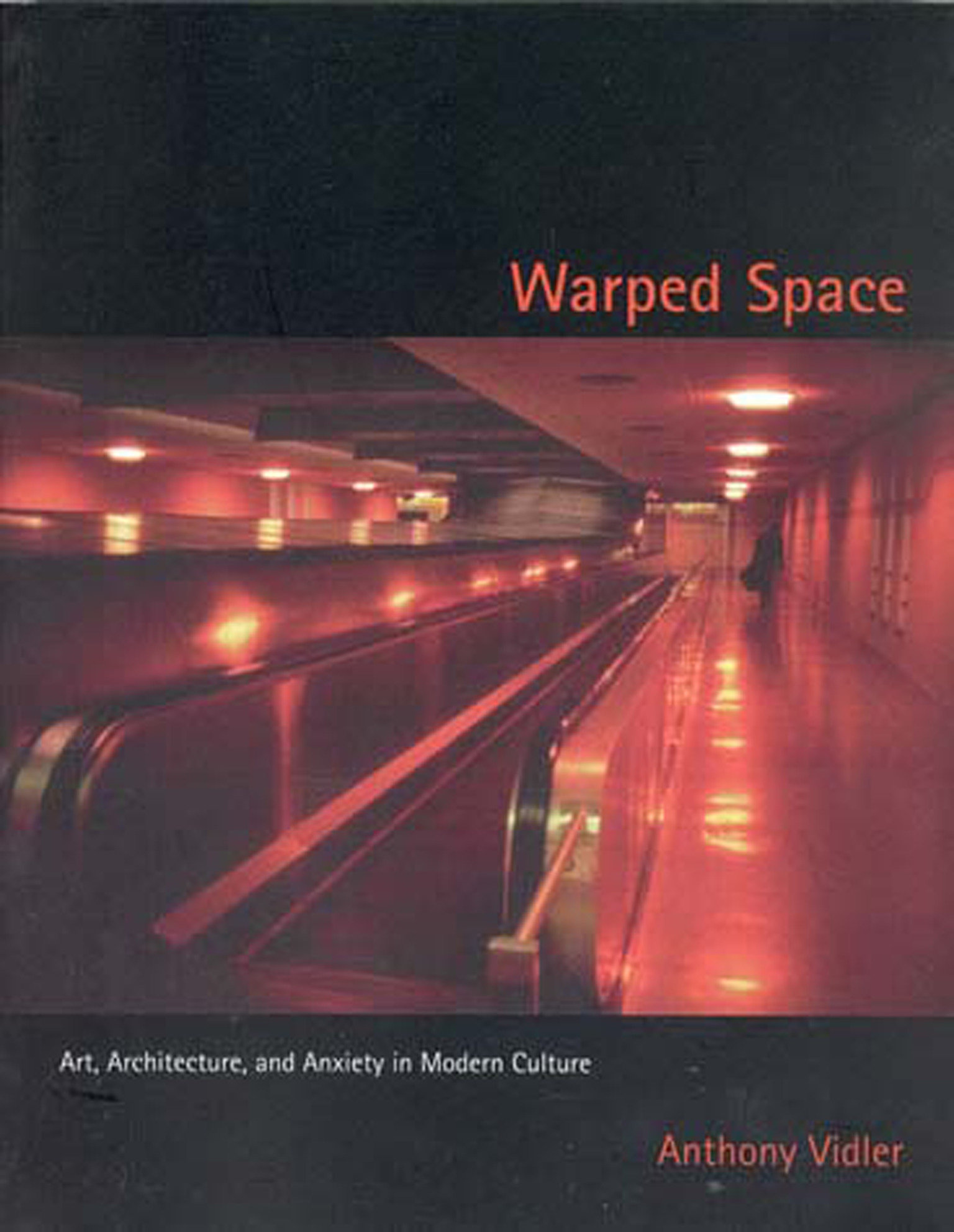
Warped Space
Art, Architecture, and Anxiety in Modern Culture
Anthony Vidler traces how anxiety and psychological ideas of space shaped modern art and architecture.
- Themes
- Psychology and space, Spatial alienation, Digital architecture
Anxiety and Space
Come here for
- Psychological ideas of space, from phobias to spatial alienation
- Architecture, urbanism, film, and art considered through anxiety
Expect
- A historical thread from Pascal and Freud to contemporary artists and architects
- Discussion of digital techniques and their effects on architectural space
Where it sits
How strongly BookFrontier reads the book as belonging to each subject.
Nearest books
Matched by our semantic model. Ordered by what its readers also loved. Most of these share its genre: Why Buildings Look That Way.
 TopophreniaRobert T. Tally, Jr.63% subject match
 Architecture and AbstractionPier Vittorio Aureli58% subject match
 Makers of Modern ArchitectureMartin Filler58% subject match
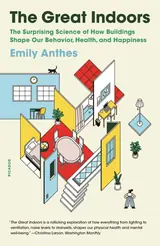 The Great IndoorsEmily Anthes57% subject match
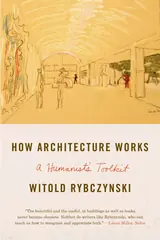 How Architecture WorksWitold Rybczynski57% subject match
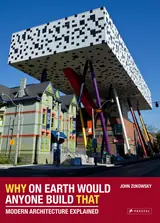 Why on Earth Would Anyone Build ThatJohn Zukowsky56% subject match
 From Bauhaus to Our HouseTom Wolfe56% subject match
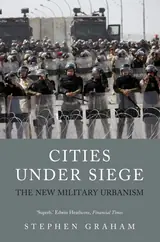 Cities Under SiegeStephen Graham56% subject match
For younger readers: If You Lived Here
Start with three books, and this one can be the first.
Members get a new edition every morning: a route out from their books to essays, research and talks, with the reason for each.
Sign upAbout this book
How psychological ideas of space have profoundly affected architectural and artistic expression in the twentieth century.
Beginning with agoraphobia and claustrophobia in the late nineteenth century, followed by shell shock and panic fear after World War I, phobias and anxiety came to be seen as the mental condition of modern life. They became incorporated into the media and arts, in particular the spatial arts of architecture, urbanism, and film.
Continue reading
This "spatial warping" is now being reshaped by digitalization and virtual reality. Anthony Vidler is concerned with two forms of warped space. The first, a psychological space, is the repository of neuroses and phobias. This space is not empty but full of disturbing forms, including those of architecture and the city. The second kind of warping is produced when artists break the boundaries of genre to depict space in new ways. Vidler traces the emergence of a psychological idea of space from Pascal and Freud to the identification of agoraphobia and claustrophobia in the nineteenth century to twentieth-century theories of spatial alienation and estrangement in the writings of Georg Simmel, Siegfried Kracauer, and Walter Benjamin. Focusing on current conditions of displacement and placelessness, he examines ways in which contemporary artists and architects have produced new forms of spatial warping. The discussion ranges from theorists such as Jacques Lacan and Gilles Deleuze to artists such as Vito Acconci, Mike Kelley, Martha Rosler, and Rachel Whiteread. Finally, Vidler looks at the architectural experiments of Frank Gehry, Coop Himmelblau, Daniel Libeskind, Greg Lynn, Morphosis, and Eric Owen Moss in the light of new digital techniques that, while relying on traditional perspective, have radically transformed the composition, production, and experience—perhaps even the subject itself—of architecture.
Publisher details
Publisher categories
- History of Architecture
- Contemporary Art History (1945-)
- The Creative Mind
- Authors
- Anthony Vidler
- Publisher
- MIT Press
- Published
- February 22, 2002
- Format
- Print & ebook
- Reading lane
- History of Architecture