
Makers of Modern Architecture
From Frank Lloyd Wright to Frank Gehry
- Themes
- Modern architecture, Architecture’s cultural influence, Urban design
Who it’s for
- Readers interested in modern architecture’s history and cultural influence
- Readers curious about influential architects and contemporary urban design
Where it sits
How strongly BookFrontier reads the book as belonging to each subject.
Nearest books
Matched by our semantic model. Ordered by what its readers also loved.
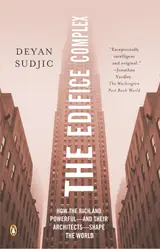 The Edifice ComplexDeyan Sudjic70% subject matchShares Why Buildings Look That Way
 From Bauhaus to Our HouseTom Wolfe74% subject matchShares Why Buildings Look That Way and Modern Architecture (to 1945)
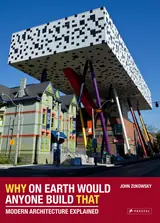 Why on Earth Would Anyone Build ThatJohn Zukowsky74% subject matchShares Why Buildings Look That Way
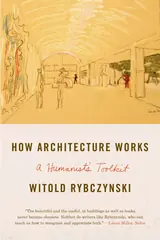 How Architecture WorksWitold Rybczynski73% subject matchShares Why Buildings Look That Way
 How Buildings LearnStewart Brand68% subject match
 100 Years, 100 BuildingsJohn Hill67% subject match
 The Iconic HouseDominic Bradbury, Richard Powers67% subject match
 ArchitectureJonathan Glancey65% subject match
For younger readers: Women of Steel and Stone, Mosque
Start with three books, and this one can be the first.
Members get a new edition every morning: a route out from their books to essays, research and talks, with the reason for each.
Sign upAbout this book
Everyone knows what modern architecture looks like, but few understand how this revolutionary new form of building emerged little more than a century ago or what its aesthetic, social, even spiritual aspirations were. Through illuminating studies of the leading men and women who forever changed our built environment, veteran architecture critic Martin Filler offers fresh insights into this unprecedented cultural transformation.
Continue reading
From Louis Sullivan, father of the skyscraper, to Frank Gehry, magician of post-millennial museum, Filler emphasizes how their force of personality has had a decisive effect on everything from how we inhabit our homes to how we shape our cities.
Why was the sudden shift in architectural fashion that wrecked the career of the Scottish designer Charles Rennie Mackintosh not enough to destroy the indomitable spirit of Frank Lloyd Wright, who rose from adversity to become America’s greatest architect? Why was Philip Johnson, “dean of American architecture” during the 1980s, so haunted by the superior talent of this less-fortunate contemporary Louis Kahn that he could barely utter his name even at the peak of his own success? How did Ludwig Mies van der Rohe’s dictum “Less is more” give way to Robert Venturi’s “Less is a bore”?
Surveying such current urban design sagas as the reconstruction of Ground Zero and the reunification of Berlin, Filler also trains his sharp eye on some of the biggest names in architecture today, puncturing more than one overinflated reputation while identifying the true masters who are now building for the ages.
Publisher details
Publisher categories
- Why Buildings Look That Way
- Modern Architecture (to 1945)
- Architectural Essays
- Authors
- Martin Filler
- Publisher
- New York Review Books
- Published
- July 17, 2007
- Format
- Print & ebook
- Reading lane
- Why Buildings Look That Way