
The Innocents of Florence
The Renaissance Discovery of Childhood
A compact way into Renaissance Florence, with childhood as the surprising lens.
A Fresh Angle
Come here for
- Renaissance childhood, seen through culture and art
- A clear, lively guide to a familiar period’s stranger corners
Expect
- Insight with a readable, narrative pace
- Art history that stays human-scale
Where it sits
How strongly BookFrontier reads the book as belonging to each subject.
Nearest books
Matched by our semantic model. Ordered by what its readers also loved.
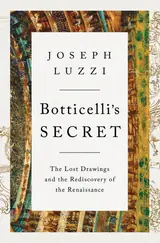 Botticelli's SecretJoseph Luzzi54% subject matchShares Renaissance History and Renaissance Art History
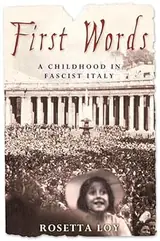 First WordsRosetta Loy59% subject matchShares Italian History
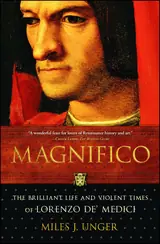 MagnificoMiles J. Unger55% subject matchShares Renaissance History and Italian History
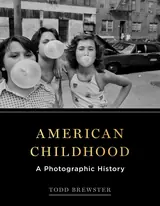 American ChildhoodTodd Brewster55% subject match
 Oil and MarbleStephanie Storey51% subject match
 Dark WaterRobert Clark50% subject matchShares Italian History
 The SwerveStephen Greenblatt50% subject matchShares Renaissance History
 Marvelous SolitudeLina Bolzoni50% subject matchShares Renaissance History
For younger readers: Leonardo's Shadow, The Apprentice, The Renaissance Artists
Start with three books, and this one can be the first.
Members get a new edition every morning: a route out from their books to essays, research and talks, with the reason for each.
Sign upAbout this book
One of The New Yorker's Best Books of 2025
How a Florentine orphanage rescued thousands of children and revolutionized childhood education amid the splendor of Renaissance art.
The story begins with the abandonment of the newborn Agata Smeralda on February 5, 1445, in Florence’s Hospital of the Innocents, the first—but certainly not the last—child to be left at its doors.
Continue reading
In an era when children were frequently abandoned, often trafficked or left to die on the streets, an orphanage devoted to their care and protection was a striking innovation. The Innocenti, as it has come to be called—the first orphanage in Europe devoted exclusively to unwanted children—would go on to care for nearly 400,000 young lives over the next five centuries.
Built by the Silk Weavers Guild at a time when the wealthy were expected to contribute to civic life, the Innocenti featured glorious arches designed by Filippo Brunelleschi and housed works by some of the greatest artists of the Renaissance, from the painter Domenico Ghirlandaio to the sculptor Luca della Robbia. Meanwhile, the new orphanage also redefined the idea of “childhood” itself, particularly in education, as boys were often taught not just Latin and basic numeracy, but also a well-rounded curriculum that included art, literature, and music. Girls learned viable trades such as weaving and silk manufacturing, and the Innocenti assisted them in securing suitable marriages to protect them from poverty or a life of prostitution. Over the centuries, the orphanage oversaw groundbreaking scientific discoveries—it was a birthplace of modern pediatrics—while struggling against rampant disease, constant financial crises, and the dramatic ups and downs of Florentine politics in the Medici era
Reflecting in a touching preface on the major caregivers in his own life, Joseph Luzzi narrates the fascinating history of this revolutionary orphanage, offering readers the first comprehensive “biography” of a groundbreaking humanitarian institution that recognized poor and abandoned children as worthy of nurture—and thereby shaped education and childcare for generations to come.
Publisher details
Publisher categories
- Renaissance Art History
- Italian History
- Renaissance History
- Authors
- Joseph Luzzi
- Publisher
- WW Norton
- Published
- November 11, 2025
- Format
- Print & ebook
- Reading lane
- Renaissance Art History