
Magnifico
The Brilliant Life and Violent Times of Lorenzo De' Medici
Series: An Italian Renaissance History
A clear-eyed look at power, family, and art in Renaissance Florence.
Power and Patronage
Come here for
- Renaissance life with political muscle
- Warm, layered historical explanation
Expect
- History that moves beyond dates
- A serious, readable tone
Where it sits
How strongly BookFrontier reads the book as belonging to each subject.
Nearest books
Matched by our semantic model. Ordered by what its readers also loved.
 Leonardo and the Last SupperRoss King59% subject matchShares Renaissance History
 The SwerveStephen Greenblatt55% subject matchShares Renaissance History
 The Greatest KnightThomas Asbridge46% subject match
 From Dawn to Decadence: 1500 to the PresentJacques Barzun45% subject match
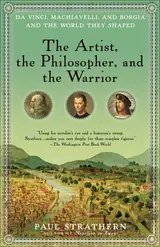 The Artist, the Philosopher, and the WarriorPaul Strathern66% subject matchShares Renaissance History and Italian History
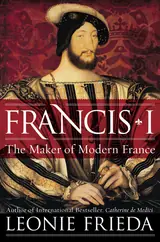 Francis ILeonie Frieda57% subject matchShares Renaissance History
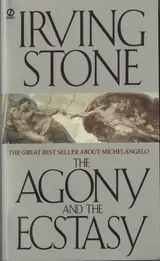 The Agony and the EcstasyIrving Stone59% subject match
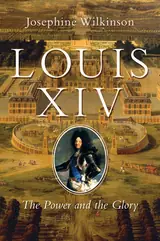 Louis XIVJosephine Wilkinson46% subject match
For younger readers: Leonardo's Shadow, Leonardo Da Vinci: The Renaissance Man, The Smile
Start with three books, and this one can be the first.
Members get a new edition every morning: a route out from their books to essays, research and talks, with the reason for each.
Sign upAbout this book
A vividly colorful portrait of one of the greatest and most fascinating figures of the Renaissance, Lorenzo de' Medici, focusing on his role as a brilliant—sometimes ruthless—statesman who was responsible for the artistic flowering of Florence, the city where the Renaissance first blossomed.
Lorenzo de' Medici—a leading statesman, the uncrowned ruler of Florence during its golden age, a true Renaissance man known to history as Il Magnifico (the Magnificent).
Continue reading
Lorenzo was not only the foremost patron of his day but also a renowned poet, equally adept at composing philosophical verses and obscene rhymes to be sung at Carnival. He befriended the greatest artists and writers of the time—Leonardo, Botticelli, Poliziano, and, especially, Michelangelo, whom he discovered as a young boy and invited to live at his palace—and, in the process, turned Florence into the cultural capital of Europe.
Though Lorenzo's grandfather Cosimo had converted the vast wealth of the family bank into political power, Lorenzo's position was precarious. Bitter rivalries among the leading Florentine families and competition among the squabbling Italian states meant that Lorenzo's life was under constant threat. Those who plotted his death included a pope, a king, and a duke, but Lorenzo used his legendary charm and diplomatic skill—as well as occasional acts of violence—to navigate the murderous labyrinth of Italian politics.
Florence in the age of Lorenzo was a city of contrasts, of unparalleled artistic brilliance and unimaginable squalor in the city's crowded tenements; of both pagan excess and the fire-and-brimstone sermons of the Dominican preacher Savonarola. Florence gave birth to both the otherworldly perfection of Botticelli's Primavera and the gritty realism of Machiavelli's The Prince. Nowhere was this world of contrasts more perfectly embodied than in the life and character of the man who ruled this most fascinating city.
Publisher details
Publisher categories
- Lives in History
- Italian History
- Renaissance History
- Authors
- Miles J. Unger
- Publisher
- Simon & Schuster
- Published
- May 5, 2009
- Format
- Print & ebook
- Reading lane
- Lives in History