
Book
Gothic Reflections
Narrative Force in Nineteenth-century Fiction
Peter Garrett
Cornell University Press · Print & ebook · September 30, 2003
Reading lane: Gothic & Romance Lit Crit
The Gothic has long been seen as offering a subversive challenge to the norms of realism.
At a Glance
Who It's For
Book Details
- Authors
- Peter Garrett
- Publisher
- Cornell University Press
- Published
- September 30, 2003
- Format
- Print & ebook
- Theme
- Gothic & Romance Lit Crit · British & Irish Literary Criticism
- Reading lane
- Gothic & Romance Lit Crit
Affinity
Publisher Categories
Gothic & Romance Lit Crit
Horror Lit Crit
About This Book
The Gothic has long been seen as offering a subversive challenge to the norms of realism. Locating both Gothic and mainstream Victorian fiction in a larger literary and cultural field, Peter K. Garrett argues that the oppositions usually posed between them are actually at work within both. He further shows how, by offering alternative versions of its stories, nineteenth-century Gothic fiction repeatedly reflects on narrative force, the power exerted by both writers and reade...
Read full description
Similar Books
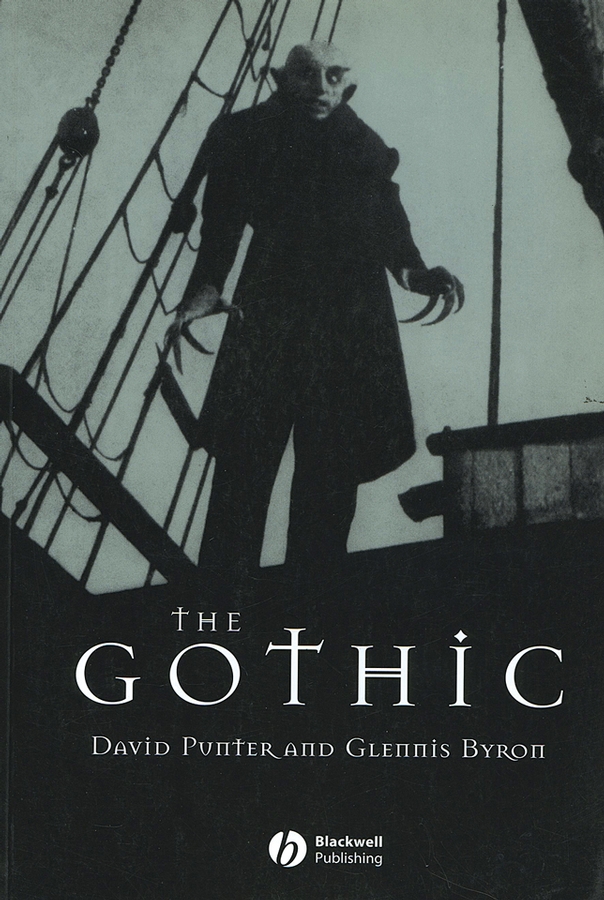
The Gothic
David Punter, Glennis Byron · Wiley
Affinity signal
Gothic & Romance Lit Crit
Gothic Romance

THE GOTHIC TEXT
Marshall Brown · Stanford University Press
Affinity signal
Gothic & Romance Lit Crit
British & Irish Literary Criticism

Gothicka
Victoria Nelson · WW Norton
Affinity signal
Gothic & Romance Lit Crit
Gothic Romance
Ecogothic
Andrew Smith, William Hughes · Manchester University Press
Affinity signal
Gothic & Romance Lit Crit
Nature in Literature
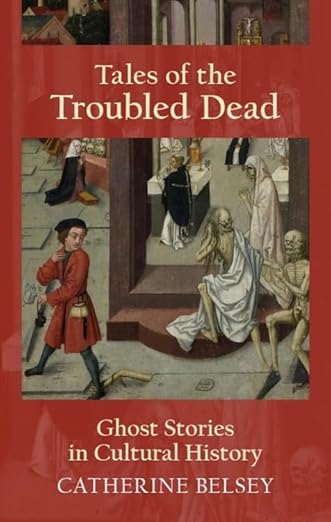
Tales of the Troubled Dead
Catherine Belsey · Edinburgh University Press
Affinity signal
Gothic & Romance Lit Crit
Haunted Places & Mysteries