How a 2013 Zelda Book Became the Best Prep for the Switch 2 Remake
The rumors held: Ocarina of Time is being fully remade for the Switch 2, out this year.
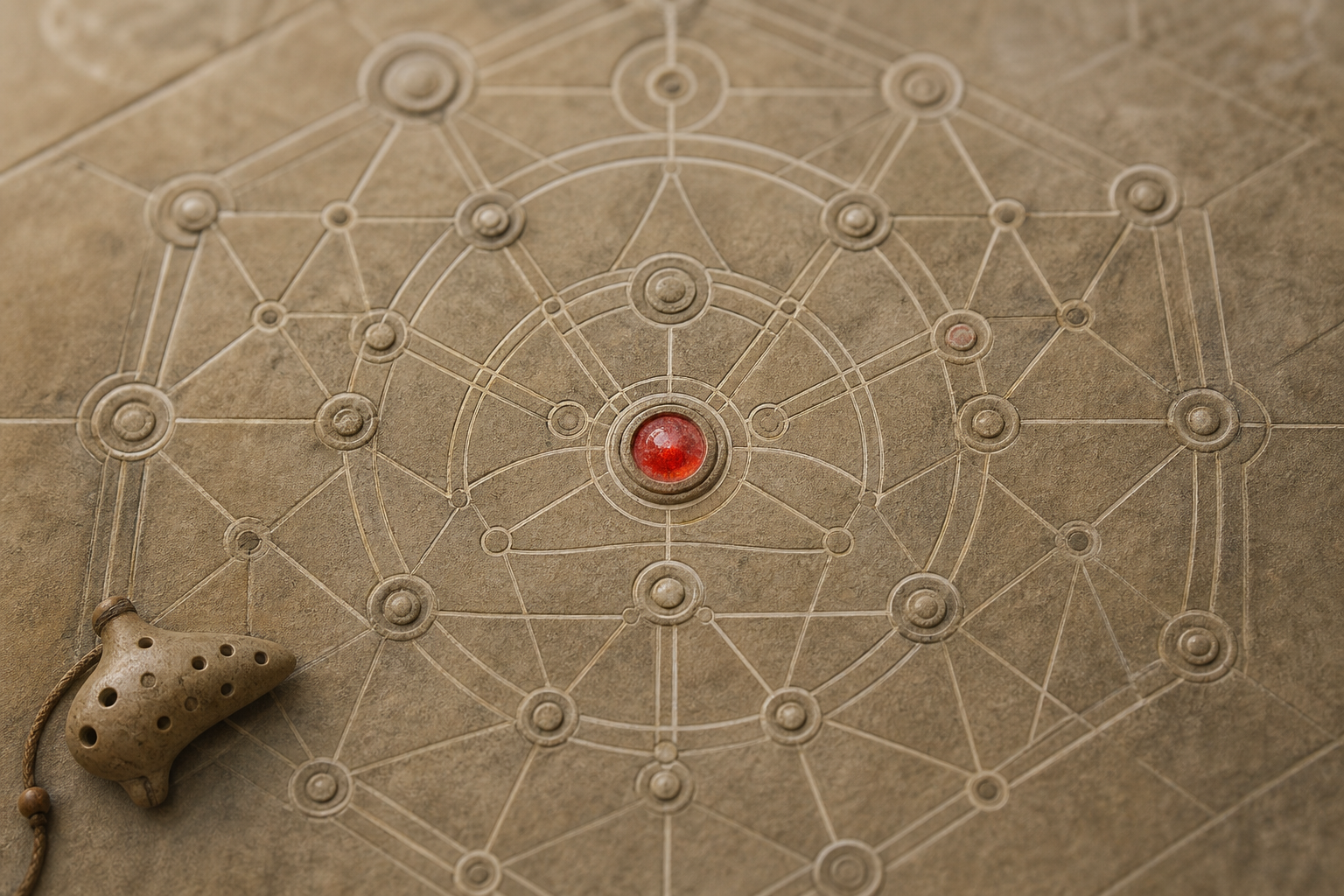
The rumors held: Ocarina of Time is being fully remade for the Switch 2, out this year. The headlines have done their job, which is to say they told you a thing exists and then hurried off to the next thing. What they skip is the stretch where a 1998 cartridge becomes a 2026 product, and what survives the trip. A remake is a quiet negotiation with the past, conducted by people deciding which memories matter and which were just hardware limits dressed up as design. If you want to follow that negotiation instead of cheering the announcement, you need a record of what the thing actually was. One exists, and it has been sitting on shelves since 2013 waiting for exactly this conversation.
Most coverage treats a remake as a verdict waiting to drop: faithful or ruined, fans pleased or betrayed. That framing skips the interesting work, which happens in the choices nobody bothers to announce. Why does the Water Temple sit where it does? How did a fishing pond and a desert thieves' fortress end up in the same game, and what got cut to make room? The trend hands you the conclusion before you have seen a shred of evidence. To judge a remake honestly, you want the original design intentions set down by the people who made them, not reconstructed from nostalgia years later. That material is scarce. Production documents rarely leave the studio, and when they do, they tend to arrive scrubbed of anything that would let you second-guess the official story. Which is what makes one particular volume worth pulling off the shelf.
The Legend of Zelda: Hyrule Historia, assembled by Dark Horse with Nintendo's cooperation and producer Eiji Aonuma, is the closest thing the series has to an official paper trail. It opens with an introduction from Shigeru Miyamoto, gathers concept art that mostly never left internal review, and prints production commentary tracing how Link's world changed from one entry to the next. The book treats Hyrule as a place with drafts. The useful part for anyone watching the Ocarina remake is the method on show. The book lays out an official chronology, the famously contested timeline that threads every game into one history with branching paths.
You can find this absurd. A children's adventure about a boy and a magic flute does not require a multiverse, and the timeline often reads like a retrofit stretched over decades of games that were never planned as a single story. Still, watching the studio build that scaffolding tells you how it thinks. The same instinct that produces a branching timeline produces a remake that frets over which details count as canon and which were accidents of the Nintendo 64. The geography section is where the book earns its price. A long run of maps and design notes traces Hyrule's regions, its temples, the placement of its characters, showing the visual and narrative threads that tie early titles to later ones.
When you see how Ocarina's spaces were drawn and justified, the questions about the remake sharpen. Will the redrawn world keep the strange empty stretches that gave the original its loneliness, or sand them into something more obliging? The concept art gives you a baseline to measure against. The book ships with a bonus comic by Akira Himekawa, the manga creators long tied to the franchise. It is a pleasant inclusion and roughly as essential as the toy in a cereal box: charming, beside the point. The reason to keep this volume near the Switch 2 is the reference material, not the fiction.
The book cannot talk back to the present. It was finished in 2013, well before this remake was even a rumor, so it has nothing to say about what the 2026 team chose to honor or abandon. That is its limit and its value. It freezes one version of the official story, and a remake is partly an argument with that frozen version. Read the book first and you get to hear both sides instead of only the loud new one.
So before the remake lands and the discourse hardens into faithful-versus-ruined, spend an evening with the original drafts. Open the geography section, look at how Ocarina's temples and overworld were first imagined and explained, and form your own picture of what the world was supposed to feel like. Then play the new one and notice where it agrees and where it quietly does not. You will come away with a sharper opinion than any launch-day take, and it will be yours. That beats refreshing the announcement page for the months between now and release.
Why this book
The transferable habit here has little to do with Zelda. Any time an old thing gets remade, restored, or rebooted, the marketing arrives with a tidy story about respect and fidelity. The way to test that story is to dig up the primary record from before the remake existed, made by people who had no stake in the current rollout. Then you compare. The gap between what they said they intended and what the new version chose to keep is where the real editorial decisions live. This works for film restorations, reissued albums, rewritten textbooks, renovated buildings. It works for Ocarina of Time. You do not need expertise, only enough stubbornness to want the source before the spin. A 2013 art book happens to be a clean source for one of the year's biggest gaming events, which is a slightly ridiculous and entirely real piece of luck.
Bridges by email
A news story and the book that goes with it, whenever we publish one.