Fantasy Collections & Anthologies
From Kafka's shadows to Lovecraft's cyclopean depths to Dunsany's Stone Age campfire, these pages refuse to stay inside any one genre.
Optimized for books about fantasy collections & anthologies.
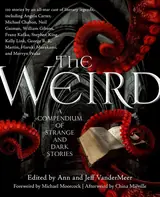
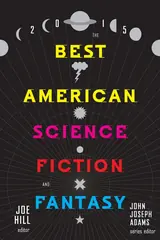
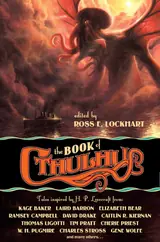
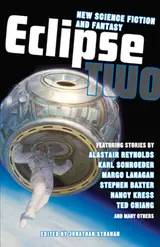
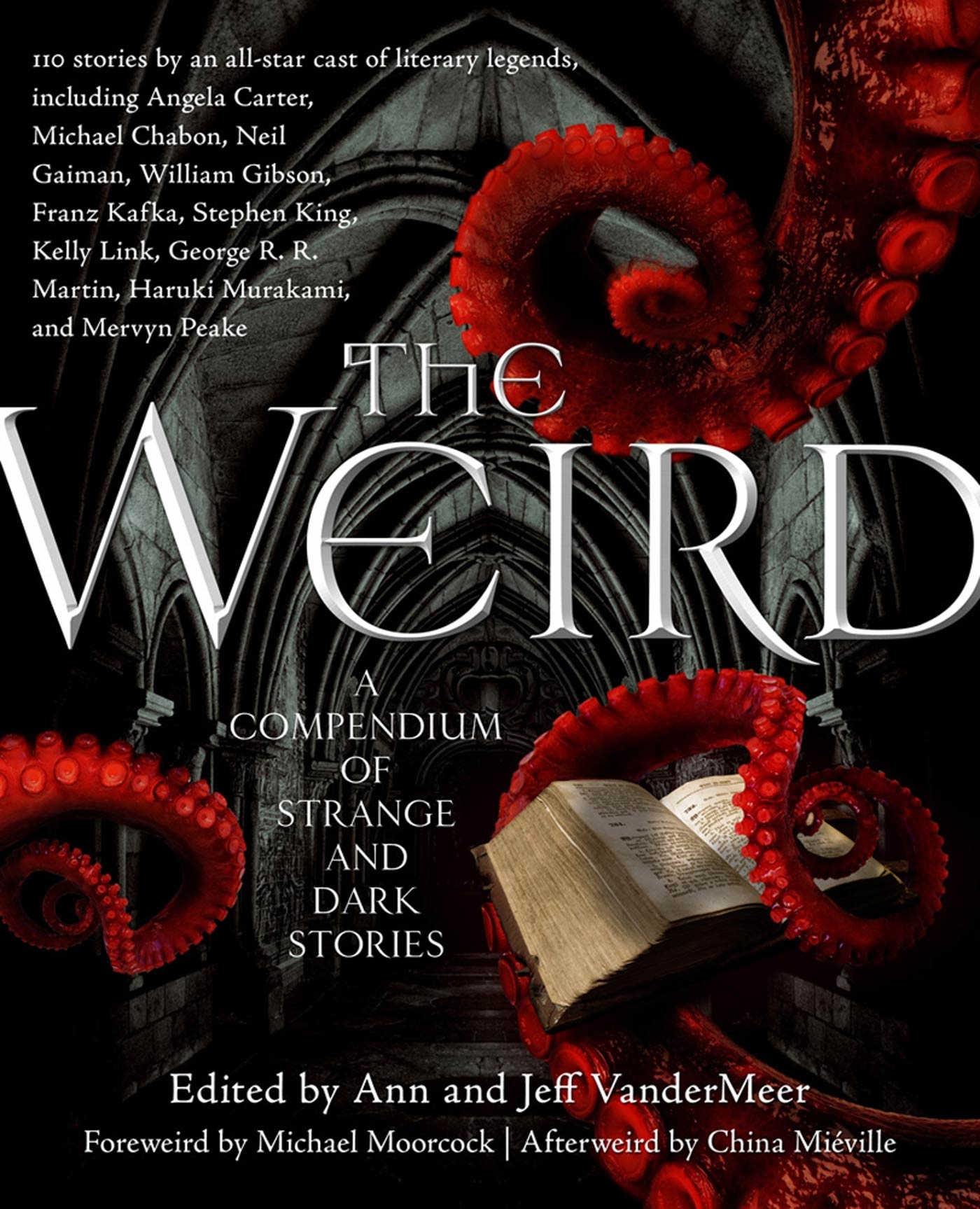
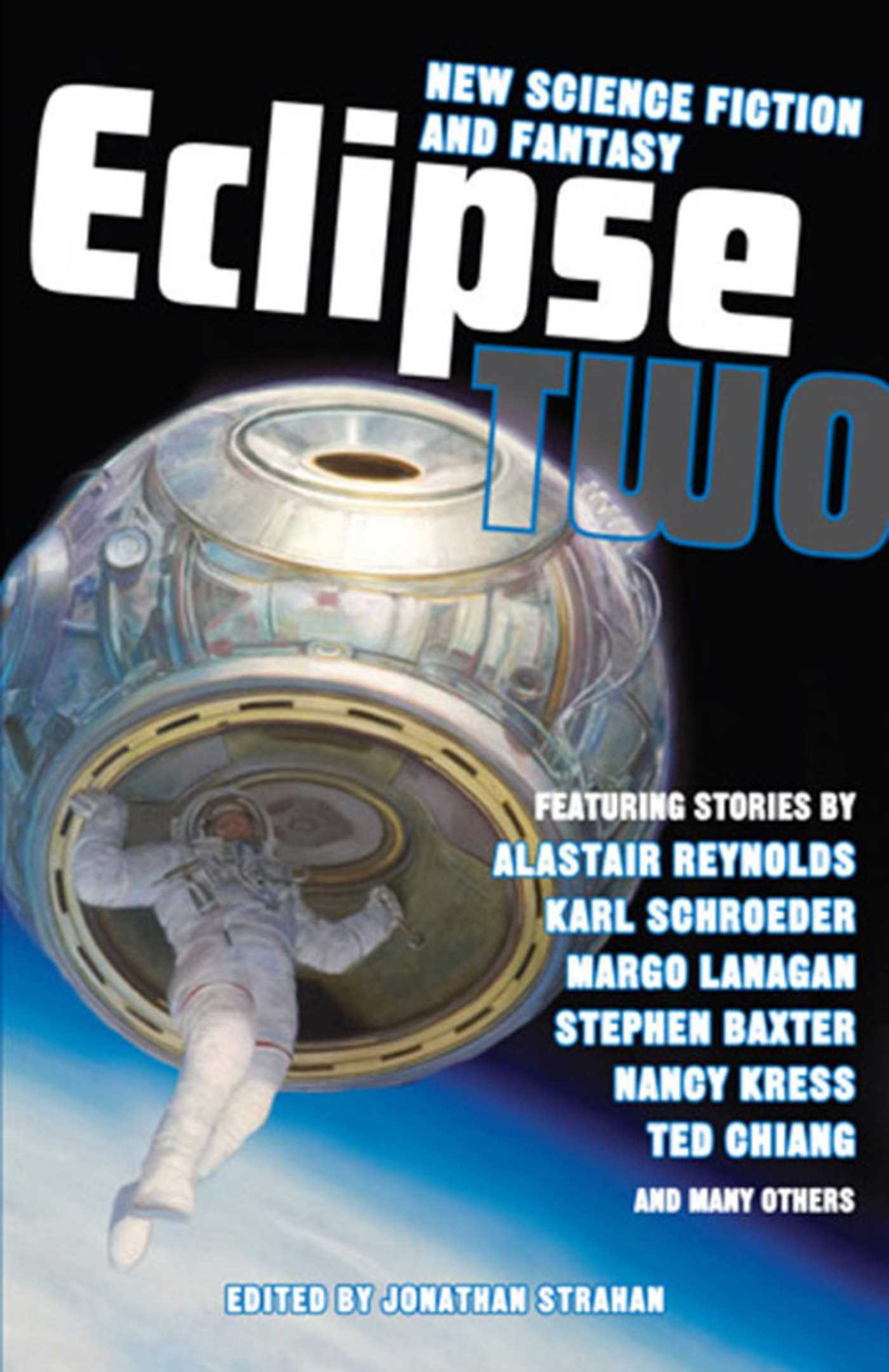
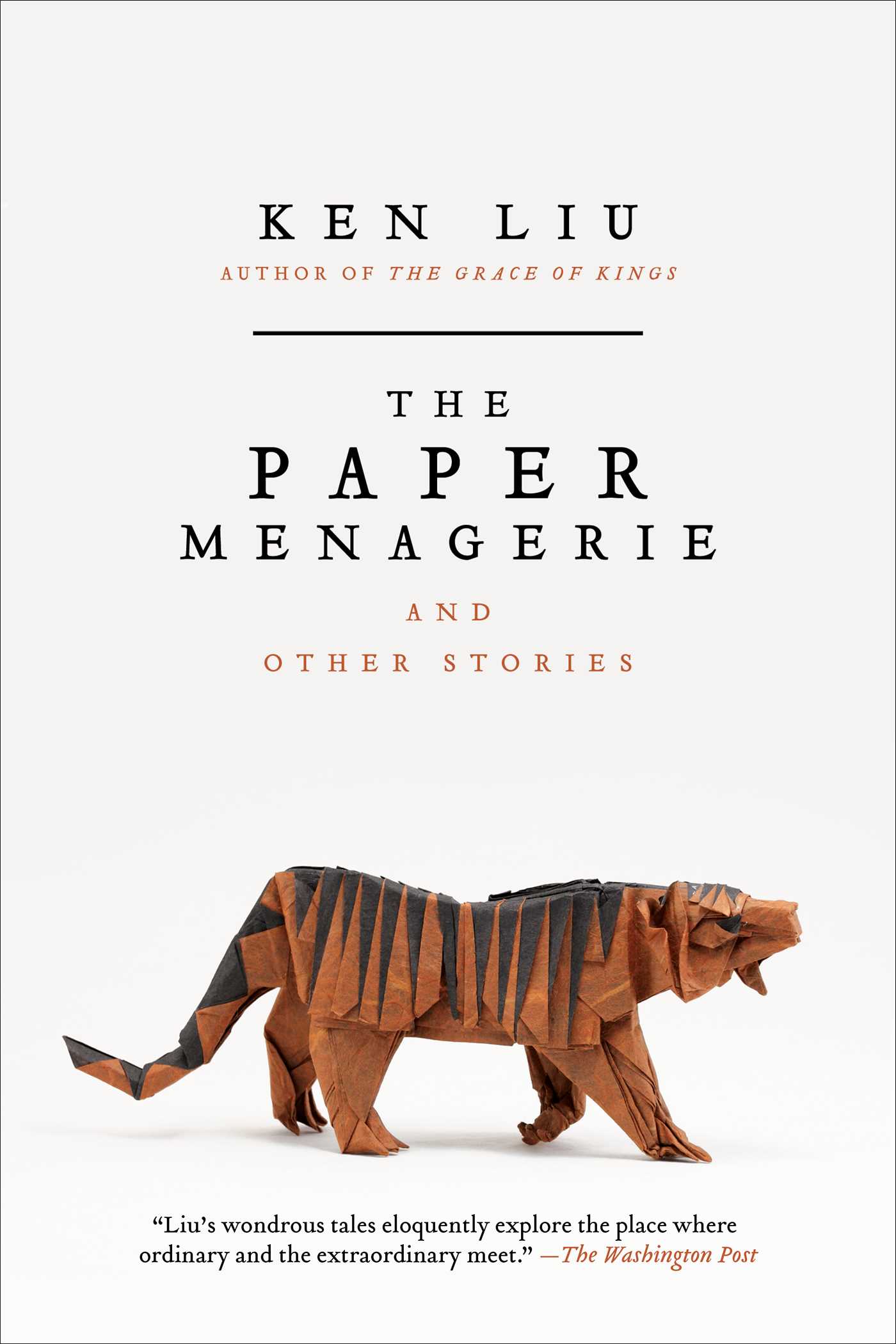
Short fiction is where fantasy gets to take risks, and the books opening this list take plenty. One story, one strange idea, one perfect turn, and then on to the next door. There are doorstops here like The Weird, which bundles 110 stories spanning a century of dark experimentation, and focused single-author collections like The Paper Menagerie and Other Stories, where history and betrayal press on every page. Eclipse 2 slips science fiction and fantasy into the same covers and lets them trade places. Whether you dip in for one tale at bedtime or binge a dozen on a rainy weekend, there is a book here built for your habit.
Our reading of each book:Come here forExpectWhere it sits
The Weird
by Jeff VanderMeer, Ann VanderMeerNo elves, no wizards: that is the one promise The Weird makes up front, and it keeps it across 110 stories. Kafka sits near M. R. James, Angela Carter near China Miéville, Murakami near Stephen King, so every few pages the ground shifts under you. Billed as the biggest Weird collection ever assembled, it gathers a full century of literary experimentation into one volume, with names you will want to chase further.
Come here for: Strange, dark story shapesExpect: Anthology pacing, not a single through-lineWhere it sits:Fantasy AnthologiesHorrorShort Story AnthologiesThe Best American Science Fiction And Fantasy 2015
by John Joseph AdamsWhat if? That question drives every story in The Best American Science Fiction and Fantasy 2015, and the answers come from two directions at once: writers raised deep inside science fiction and fantasy, and literary names like T. C. Boyle and Karen Russell bending realism toward the speculative. Guest editor Joe Hill, the mind behind Locke & Key, built the lineup with series editor John Joseph Adams, putting Kelly Link, Sofia Samatar, Jo Walton and Seanan McGuire side by side.
Come here for: Joe Hill’s curation instinctsExpect: Short-form surprisesThe Book of Cthulhu
by Ross LockhartH. P. Lovecraft and his circle of contemporaries built the Cthulhu Mythos, and The Book of Cthulhu tracks what happened once everyone else got hold of it. Ross Lockhart harvests the modern crop: tales that take that convoluted, cyclopean story cycle and keep growing it in new directions. This is the pick for anyone who already knows the name Cthulhu and wants proof that a 20th-century cultural meme still has teeth.
Come here for: Modern weird fiction rooted in Lovecraft’s sprawling literary legacyExpect: A varied collection of Mythos tales, not one continuous storyWhere it sits:HorrorShort Story AnthologiesFantasy AnthologiesEclipse 2
by Jonathan StrahanSomewhere in Eclipse 2, an argon-breathing scientist on an all-metal world turns the ultimate experiment on itself. That Ted Chiang story anchors an anthology with no theme beyond the strange: Alastair Reynolds delivers Imperial assassination and courtly intrigue across the stars, Stephen Baxter lets first contact with an alien AI carry real consequences, and Nancy Kress builds a claustrophobic fable of shared space. Jonathan Strahan modeled it on classics like Universe and Orbit.
Come here for: Science fiction and fantasy sharing one varied anthologyExpect: Stories ranging from cosmic intrigue to questions of memory and choiceThe Paper Menagerie and Other Stories
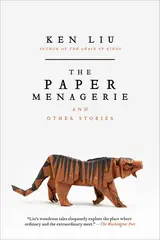
by Ken LiuOne story, three of the genre's biggest prizes: the title piece of The Paper Menagerie and Other Stories is the only story to win the Hugo, Nebula and World Fantasy awards. Ken Liu chose this lineup himself, ranging from 'Mono No Aware' to 'The Litigation Master and the Monkey King' to 'The Man Who Ended History: A Documentary,' plus a piece written just for this volume. History presses hard on these characters, and relationships fracture at the worst possible moments.
Come here for: Precise, layered storiesExpect: Short-form varietyA Dreamer's Tales
by Lord DunsanyA cold winter evening late in the Stone Age, a sky full of stars, and night creatures padding across the plains of Thold, until they spot a little flickering fire and snarl away from it. That is the register of A Dreamer's Tales: Lord Dunsany writes humanity's arrival as the uncanny thing, seen from the wild's side of the dark. The dread comes on as quietly as dusk does.
Come here for: Sensory prose and an eerie meeting of wilderness and human presenceExpect: A hushed, mythic atmosphere with a touch of menace



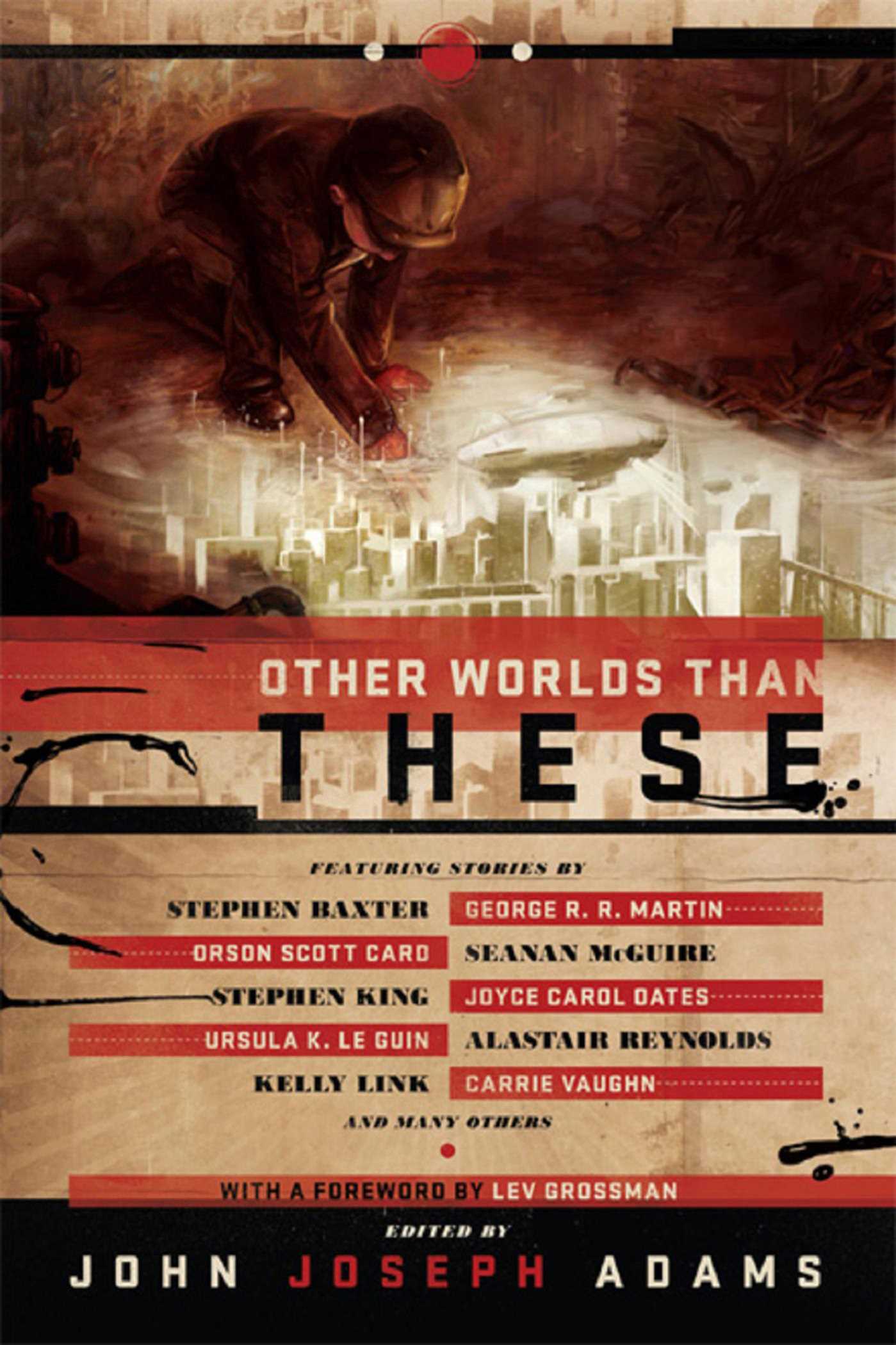
Other Worlds Than These
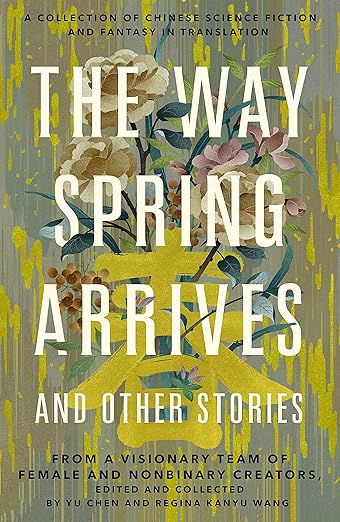
by John Joseph AdamsCome here for: Parallel worlds that differ by a hair—or by magic.Expect: A collection centered on journeys to possible worlds.The Way Spring Arrives and Other Stories
by Yu Chen, Regina Kanyu WangCome here for: Chinese sci-fi and fantasy in translationExpect: Standalone stories with distinct voicesBeyond the Woods
by Paula GuranCome here for: Fairy tales, retold with a modern edgeExpect: Women-centered perspectivesThose Who Fight Monsters
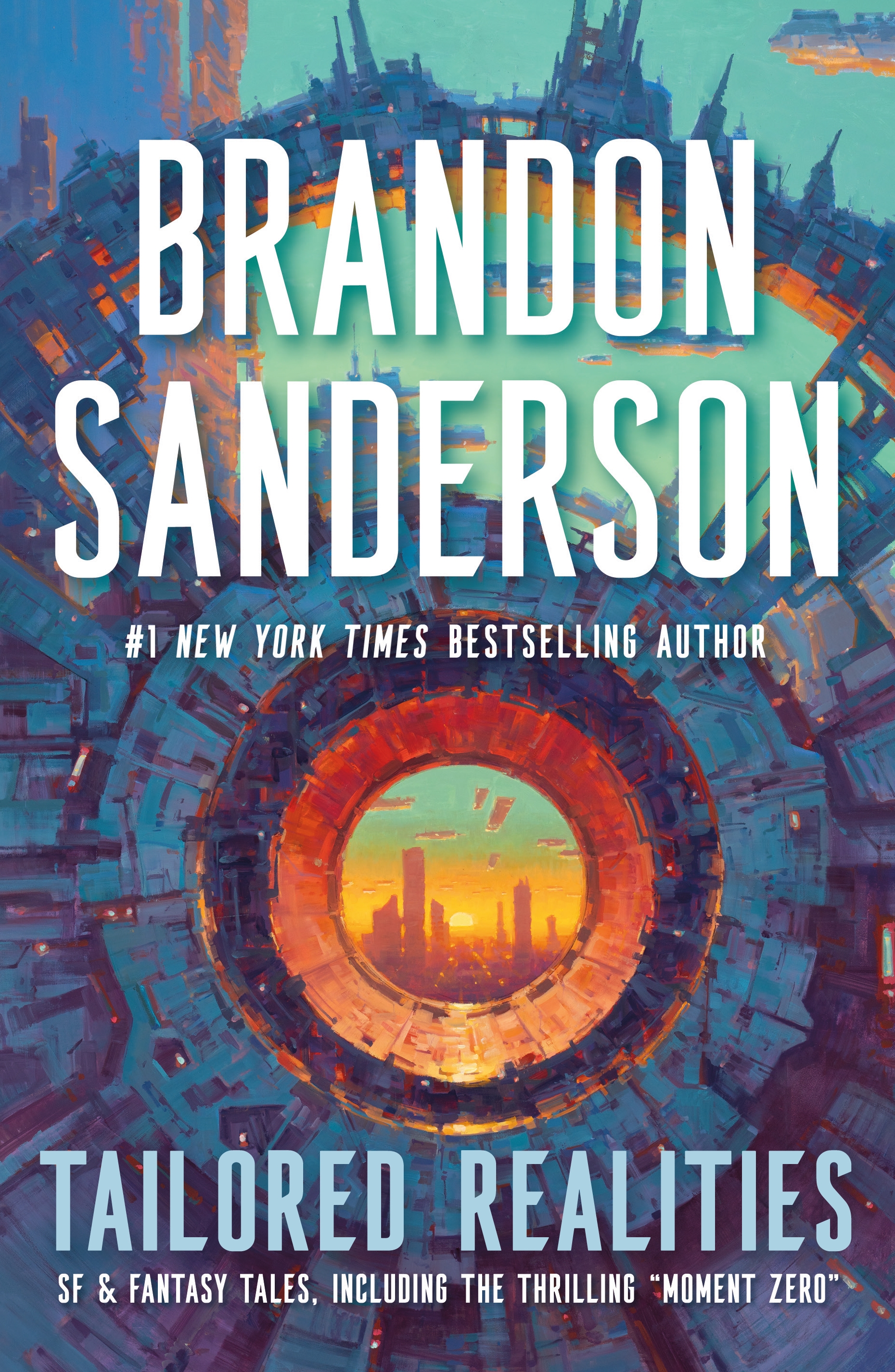
by Justin GustainisCome here for: Occult cases where deduction has company from the supernaturalExpect: A mix of urban fantasy and detective-story appealWhere it sits:Urban FantasyMystery AnthologiesFantasy AnthologiesTailored Realities
by Brandon SandersonCome here for: Genre-blending short-form worldsExpect: Short-story pacingClassic Tales of Science Fiction & Fantasy
by Jules Verne, H. G. WellsUrban Allies
by Joseph NassiseCome here for: Crossovers between familiar urban fantasy seriesExpect: Two series meet in each storyWhere it sits:Urban FantasyFantasy AnthologiesShort Story AnthologiesL. Ron Hubbard Presents Writers of the Future Volume 34
by L. Ron Hubbard, David FarlandCome here for: New sci-fi and fantasy shortsExpect: Short story rangeJapanese Tales
by Royall TylerCome here for: Saints, scoundrels, ghosts, healers, deities, and demonsExpect: A window into a long-vanished cultureTails of Wonder and Imagination
by Ellen DatlowCome here for: Fantasy and sci-fi in compact burstsExpect: Stories you can pick up and put downSympathy for the Devil
by Tim PrattCome here for: A wide-ranging gathering of Satanic short storiesExpect: Thirty-five distinct stories, not one continuous narrativeThe Melancholy Death of Oyster Boy
by Tim BurtonCome here for: Darkly playful tales with a tender streakExpect: A mix of sweetness, tragedy, and oddball witWhere it sits:HorrorShort Stories (Single Author)Fantasy AnthologiesBest-Loved Folktales of the World
by Joanna ColeCome here for: A wide-ranging mix of animal fables, ghost stories, humor, and enchantmentExpect: Stories arranged by geographic region, with a category indexThe Best of Gene Wolfe
by Gene WolfeCome here for: A single-author collection spanning science fiction and fantasyExpect: Short fiction by a writer celebrated across genre and literary fictionHellhounds of the Cosmos
by Clifford D. SimakCome here for: Cosmic horror with a newspaper’s clipped urgencyExpect: Headlines of strange devastation and mounting dreadWhere it sits:Sci-Fi Short StoriesHorrorFantasy AnthologiesIrish Folktales
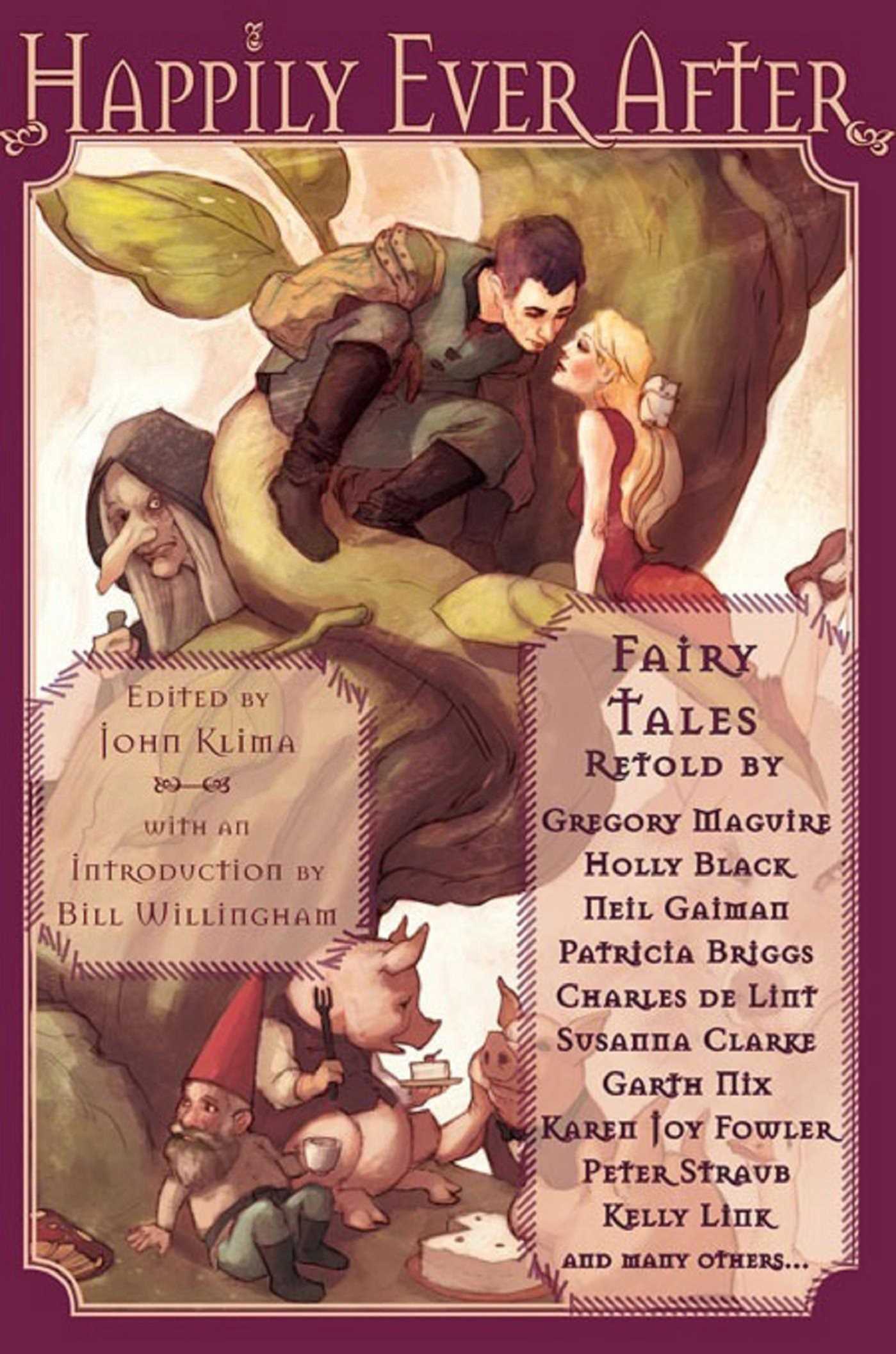
by Henry GlassieCome here for: Kings, ghosts, fairies, treasures, enchanted nature, and witchcraftExpect: A wide-ranging collection drawn from anthologies and journalsHappily Ever After
by John KlimaCome here for: Dark modern fantasy toneExpect: Fantasy anthology formatThe Wind's Twelve Quarters
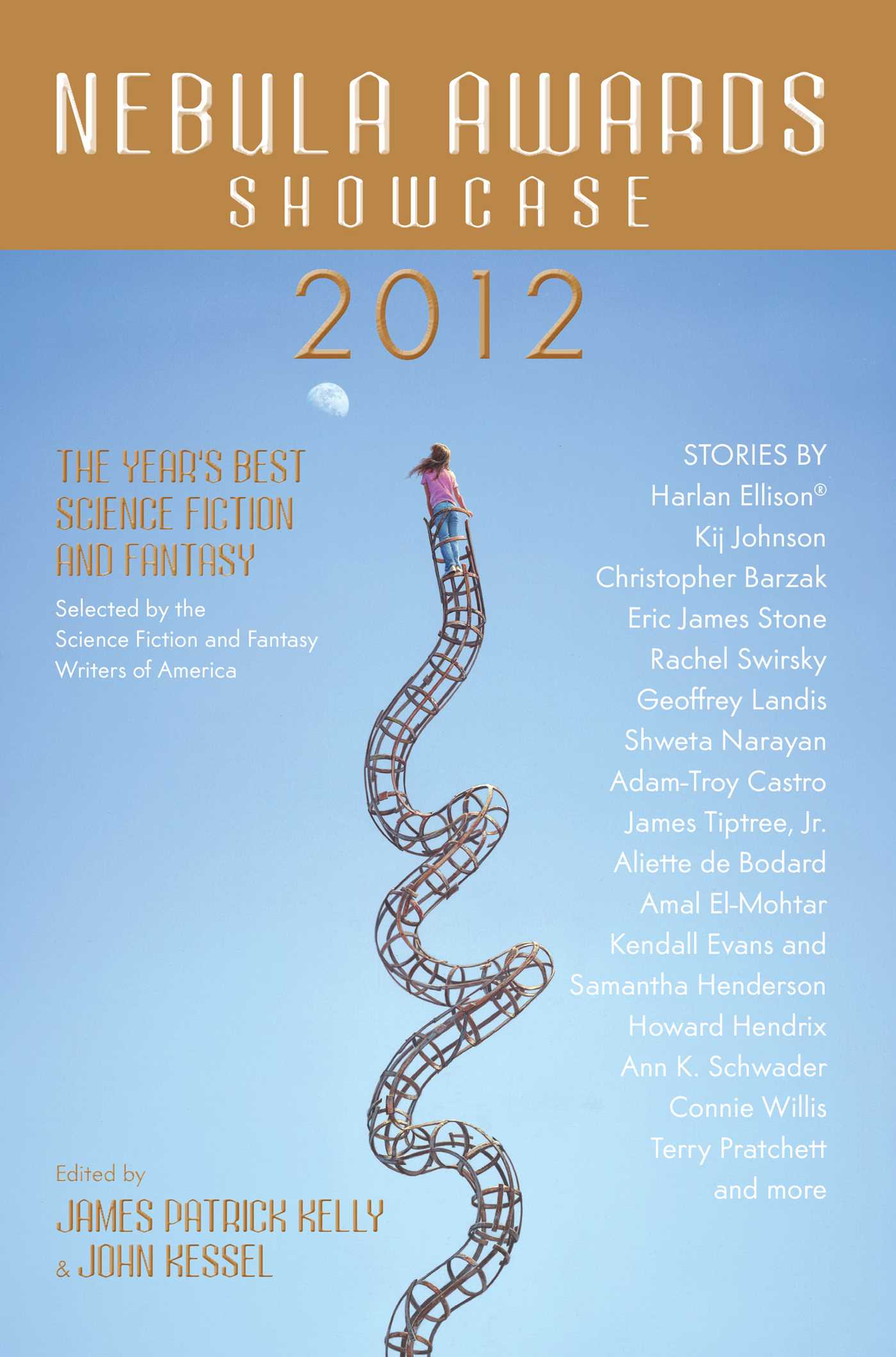
by Ursula K. Le GuinCome here for: Literary short fictionExpect: A collection-shaped reading rhythmNebula Awards Showcase 2012
by James Kelly PatrickCome here for: Award-winning short fictionExpect: Short-story varietyFritz Leiber
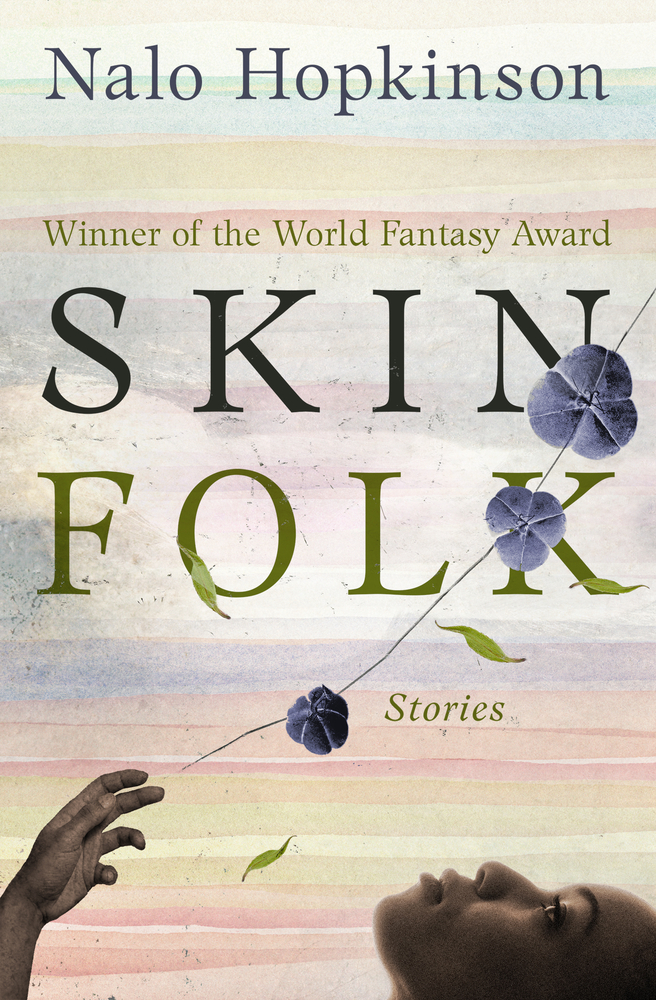
by Fritz LeiberSkin Folk
by Nalo HopkinsonCome here for: Dark, compact storiesExpect: Anthology rhythmsThe Mammoth Book of Vampire Stories by Women
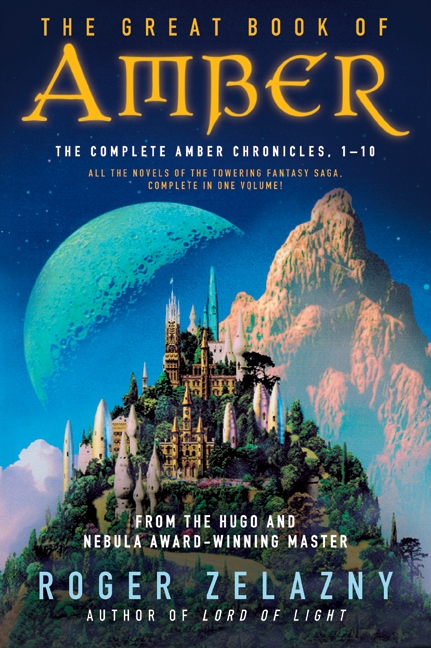
by Stephen JonesCome here for: Classic and modern blood-drinkers, from Edith Wharton to Caitlín R. KiernanExpect: An anthology of thirty-five uncanny, erotic vampire storiesWhere it sits:Fantasy AnthologiesShort Story AnthologiesHorrorThe Great Book of Amber
by Roger ZelaznyCome here for: Collected Amber chroniclesExpect: Epic-fantasy sweepWhere it sits:Epic FantasyUrban FantasyFantasy AnthologiesA Shadow of All Night Falling
by Glen CookCome here for: A darker, more expansive corner of fantasyExpect: Dark and epic fantasy appealWhere it sits:Dark FantasyEpic FantasyFantasy AnthologiesThe Collected Fantasies of Clark Ashton Smith: The Maze of the Enchanter
by Clark Ashton SmithCome here for: Fantasy stories ordered from 1933 to 1935.Expect: An introduction and extensive notes on each story.Where it sits:Fantasy AnthologiesShort Stories (Single Author)HorrorTales from High Hallack Volume Three
by Andre NortonCome here for: A single-author collection spanning high fantasy, science fiction, and coming of ageExpect: A mix of fantasy, space, myth, and magicAfrican Folktales
by Roger AbrahamsWhere it sits:Fairy Tales & MythsFantasy AnthologiesThe Complete Book of Oz
by L. Frank BaumCome here for: A long stretch of classic fantasy in one oversized volumeExpect: A collected edition spanning the complete Oz seriesWhere it sits:The ClassicsFantasy AnthologiesDown These Mean Streets
by Larry Correia, Kacey EzellWhere it sits:Sci-Fi Short StoriesNoir FictionFantasy AnthologiesThe Creatures That Time Forgot
by Ray BradburyCome here for: A hostile world and survival measured against an unforgiving clockExpect: A stark, high-pressure struggle for survivalWhere it sits:Sci-Fi Short StoriesFantasy AnthologiesThe Last Wish
by Andrzej SapkowskiCome here for: Illustrated edition charmExpect: Short-story formatNew Dreams for Old
by Mike ResnickWe Will Rise Again
by Malka Older, Annalee NewitzCome here for: Alternate worlds grounded in real struggles for social changeExpect: A layered mix of fiction, essays, and interviewsCeltic Tales
by Kate ForresterCome here for: Enchanted tales from four Celtic regionsExpect: Short-form storytellingMarion Zimmer Bradley Super Pack
by Marion Zimmer BradleyCome here for: “Falcons of Narabedla”Expect: Four novelsLiving Shadows
by John ShirleyCome here for: Terror and desireExpect: Stories shaped by Shirley’s personal experience with extreme people and mental statesWhere it sits:HorrorShort Stories (Single Author)Fantasy AnthologiesArthurian Myths & Legends
by J.K. Jackson, Prof Raluca RadulescuCome here for: Myths featuring Arthur’s knights of the Round TableExpect: Tales of Arthur’s knights, Queen Guinevere, and Sir LancelotWhere it sits:Arthurian FantasyFairy Tales & MythsFantasy AnthologiesThe Collected Fiction of William Hope Hodgson: The Dream Of X & Other Fantastic Visions
by William Hope HodgsonWhere it sits:HorrorShort Stories (Single Author)Fantasy AnthologiesThe Narrow Cage and Other Modern Fairy Tales
by Vasily EroshenkoCome here for: Modern fairy tales, not cozy onesExpect: Layered readingThe History Of Middle-Earth Boxed Set
by Christopher Tolkien, J.R.R. TolkienWhere it sits:Epic FantasyFairy Tales & MythsFantasy AnthologiesThe Best American Science Fiction and Fantasy 2023
by R. F. Kuang, John Joseph AdamsCome here for: Short-form genre hoppingExpect: Science fiction and fantasy selectionsThe Best Science Fiction and Fantasy of the Year
by Jonathan StrahanCome here for: Year-end SFF samplerExpect: Fantasy-leaning selectionBy Blood We Live
by John Joseph AdamsCome here for: Modern horror-framed storiesExpect: Short-story varietyWhere it sits:Fantasy AnthologiesVampire RomanceSupernatural HorrorThe Book of Wonder
by Lord DunsanyCome here for: Mythic creatures, ancient treasures, and a world beyond familiar LondonExpect: Lush, old-world language and grand fantasy imageryYear's Best Dark Fantasy & Horror
by Paula GuranWhere it sits:HorrorFantasy AnthologiesDark FantasyL. Ron Hubbard Presents Writers of the Future Volume 36
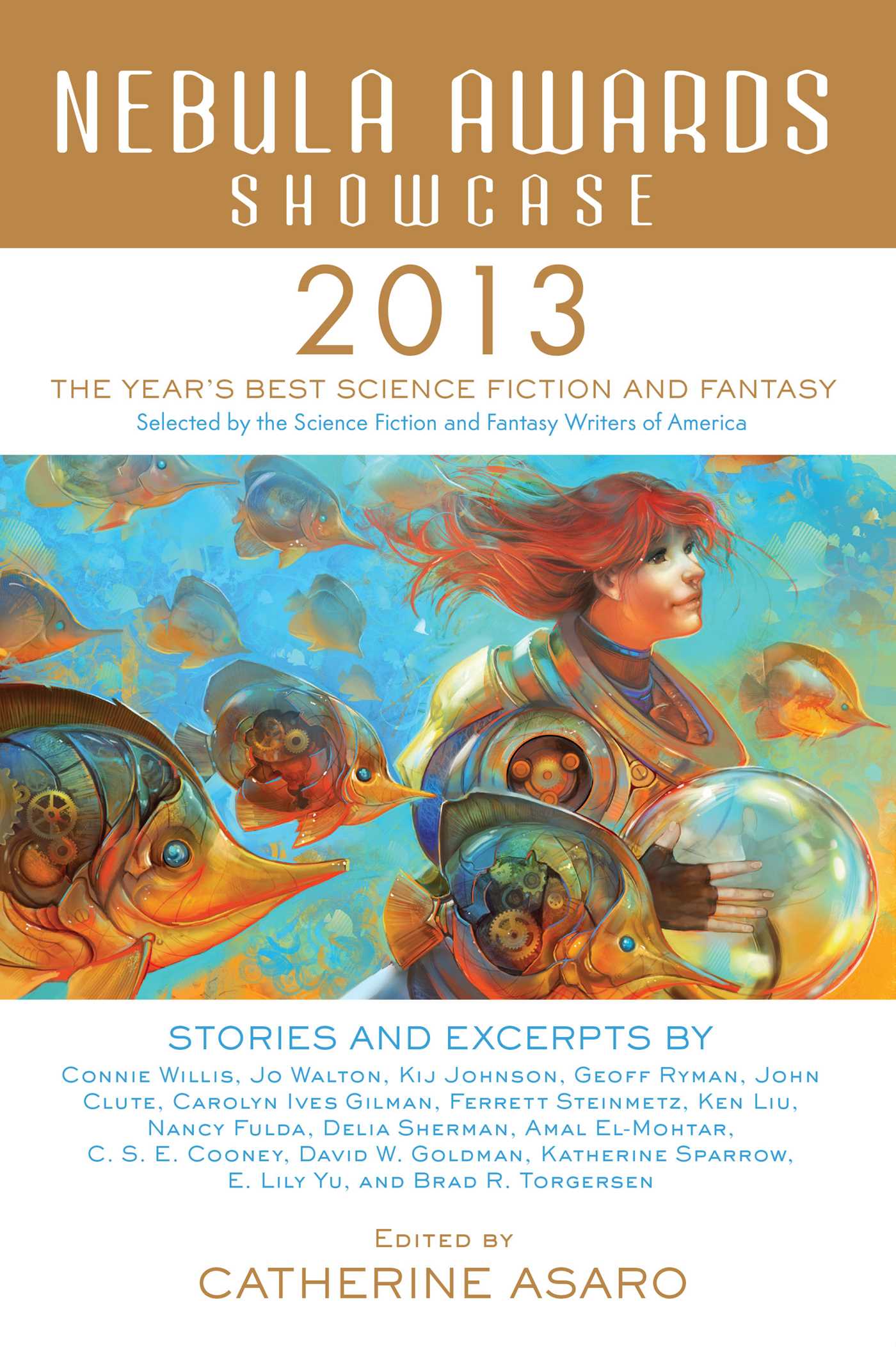
by L. Ron Hubbard, David FarlandCome here for: Dystopian politics, magical realism, dark fantasy, and stranger turnsExpect: A mix of imaginative short fiction and creative perspectivesNebula Awards Showcase 2013
by Catherine AsaroCome here for: Short-form science fiction and fantasy, gathered in one annual volume.Expect: Nebula-winning and nominated work selected for the 2013 showcase.The Collected Fantasies of Clark Ashton Smith: The Last Hieroglyph
by Clark Ashton SmithCome here for: Lush, old-school fantasy odditiesExpect: Anthology rhythm, not one long arcWhere it sits:Fantasy AnthologiesShort Stories (Single Author)HorrorAndre Norton Super Pack
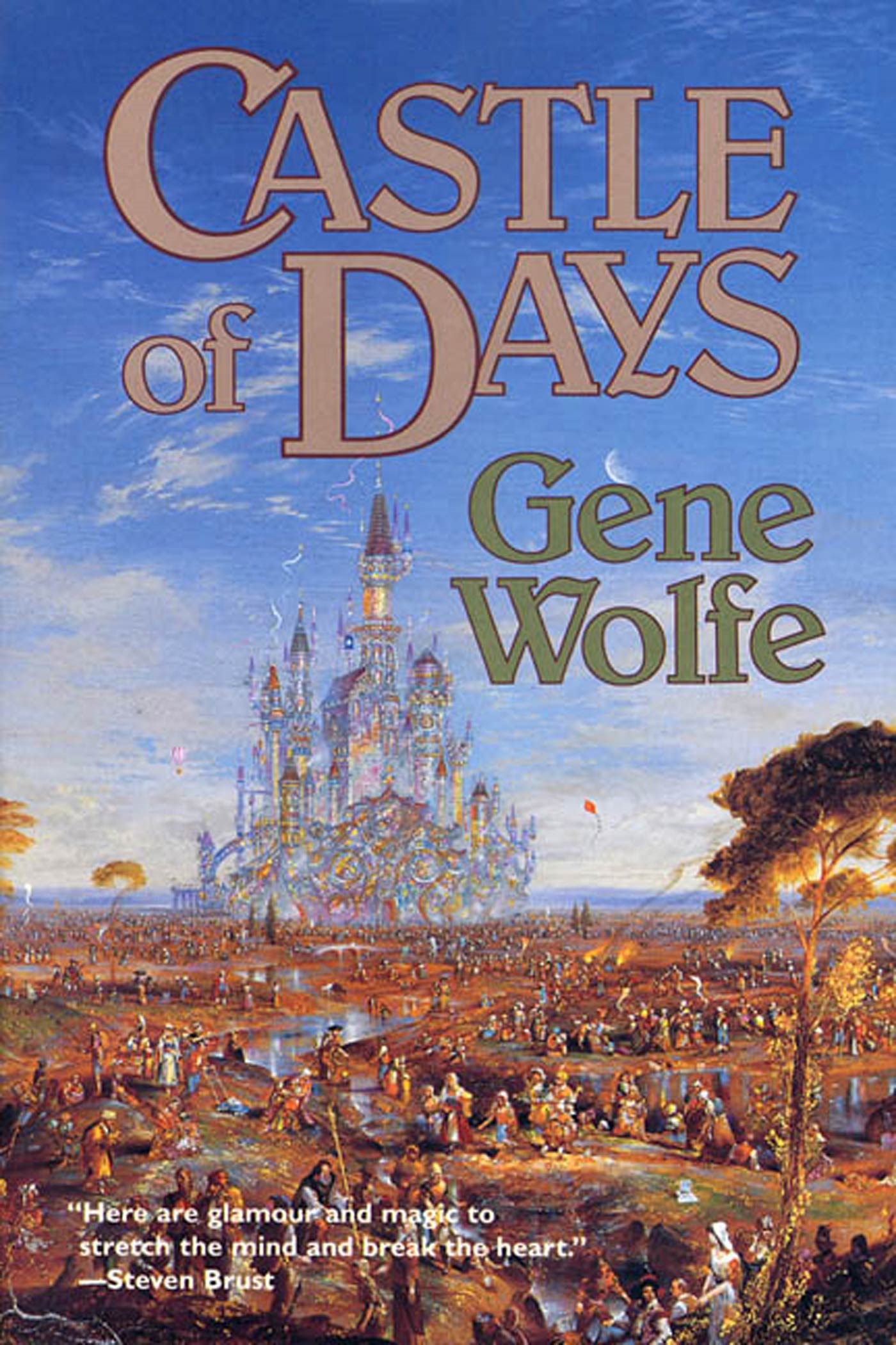
by Andre NortonCastle of Days
by Gene WolfeCome here for: A layered blend of short fiction and essaysExpect: Short fiction alongside essaysLittle Wizard Stories of Oz
by L. Frank BaumCome here for: More time with the Scarecrow, Tin Woodman, Cowardly Lion, and other familiar facesExpect: Six stories exploring Oz characters more deeplyWhere it sits:Fantasy AnthologiesFantasyBazaar of the Bizarre
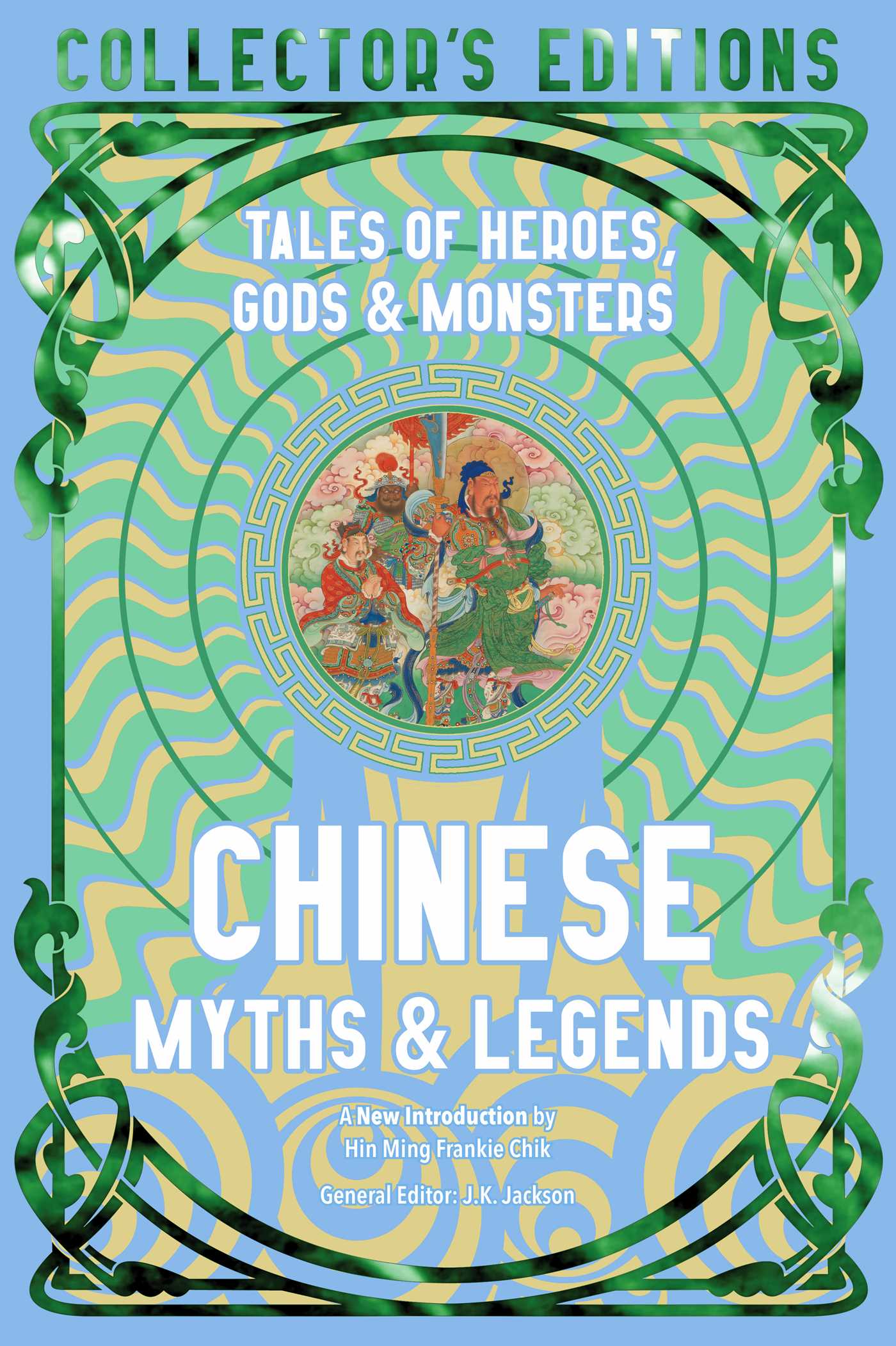
by Fritz LeiberCome here for: The Plaza of Dark Delights, seven blocks south of the Marsh GateExpect: Vendors of drugs, curiosa, and assignationsWhere it sits:Fantasy AnthologiesChinese Myths & Legends
by J.K. Jackson, Hin Ming Frankie ChikCome here for: Creation myths and tales of the Five EmperorsExpect: Myths of the waters and myths of fire