
Choosing a book on Tudor–Stuart conflict and the English Civil War
Choose a vivid close-up of the 1641–1642 crisis, an English, British-and-Irish, or European survey, or firsthand documents spanning 1485 through Queen Anne.
Edited by Chris · updated 2026-08-12
Start here
Which books should a reader choose for Tudor-Stuart political conflict and the English Civil War, with or without primary sources?
A sensible starting point is The Blood in Winter if you want a dramatic, vivid, and propulsive political narrative. It reconstructs five months from politically unstable 1641 into 1642 and the immediate prewar atmosphere; it neither follows the campaigns through 1651 nor supplies the Tudor opening. A different book is the better choice when your goal changes: choose The Century of Revolution for concise, information-dense analysis of Stuart-era England; The British Revolution, 1629-60 for the crisis across Scotland, Ireland, and England through restoration; The Civil Wars in Britain and Ireland for the 1638–1651 war years across England, Wales, Scotland, and Ireland; Fractured Europe for a continuous European narrative ending in 1721; The European World 1500–1800 for an introductory thematic framework with study aids and source extracts; or A Political History of Tudor and Stuart England for sustained comparison of firsthand voices from 1485 through Queen Anne.
[3][10][2][9][7][4][1][8][6][11][5]The books
Recommended books
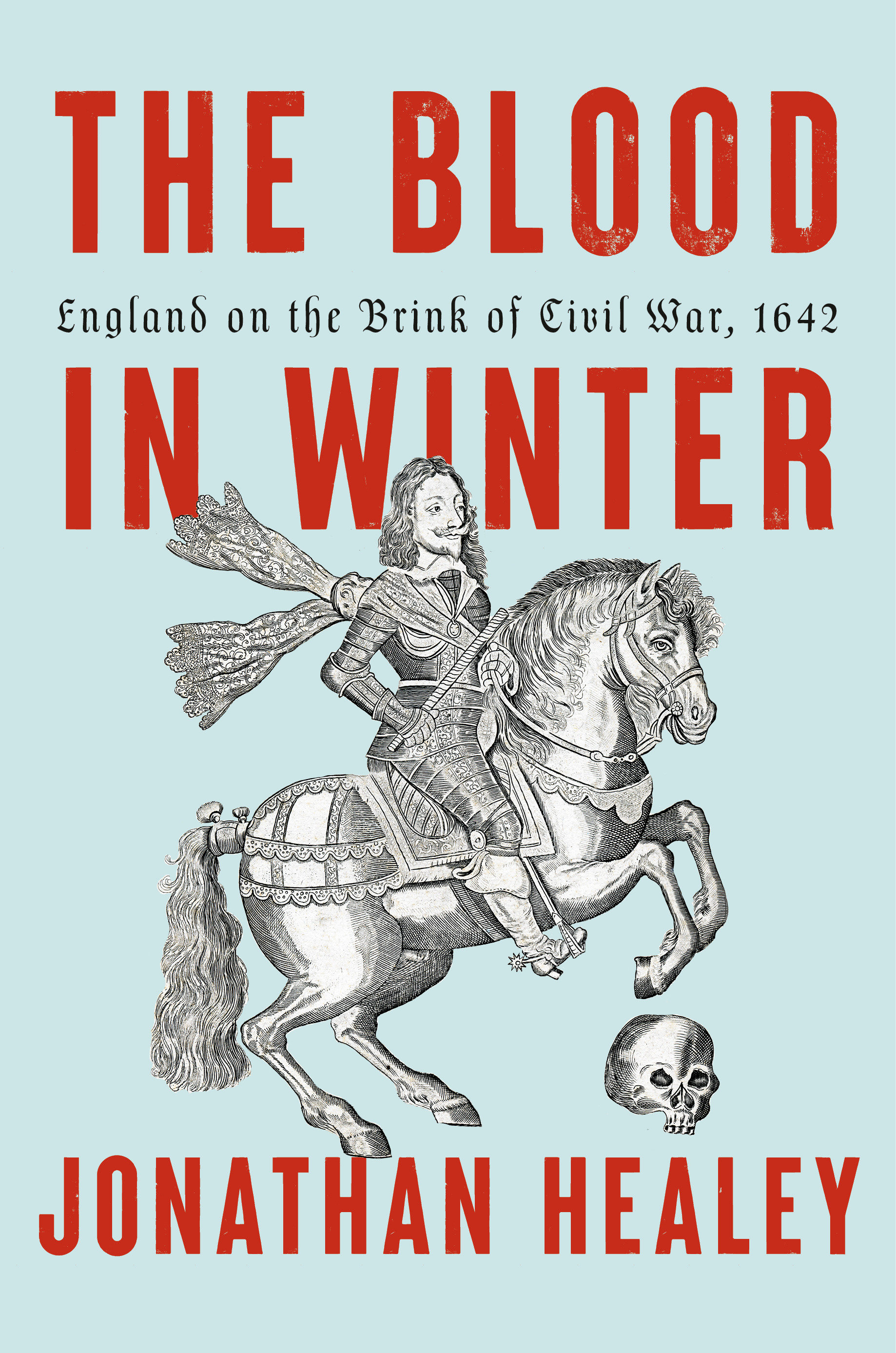
Propulsive close-focus narrative of the 1641–1642 prewar crisis
The Blood in Winter
The book uses archival social history to reconstruct five heated months in 1641–1642, combining high politics, radical religion, London crowds, Ireland, and everyday life. You are likely to get a vivid, propulsive narrative, with its narrow chronology as the practical trade-off.
- Best for
- You want a dramatic close-up of political escalation around Charles I's failed move against five MPs and the approach of war.
- Not for
- You want the complete Tudor-to-Civil-War arc or an account of the campaigns after hostilities begin.
Concise analytical secondary history of Stuart-era England
The Century of Revolution
This concise secondary history keeps ordinary men and women in view alongside kings and queens. Its macro-analytical approach gives you connections and interpretation across several domains rather than an uninterrupted sequence of events.
- Best for
- You are comfortable with an information-dense synthesis linking political conflict to economic, religious, intellectual, artistic, and social change.
- Not for
- You need a Tudor-era opening or a straightforward campaign-by-campaign account of the Civil War.
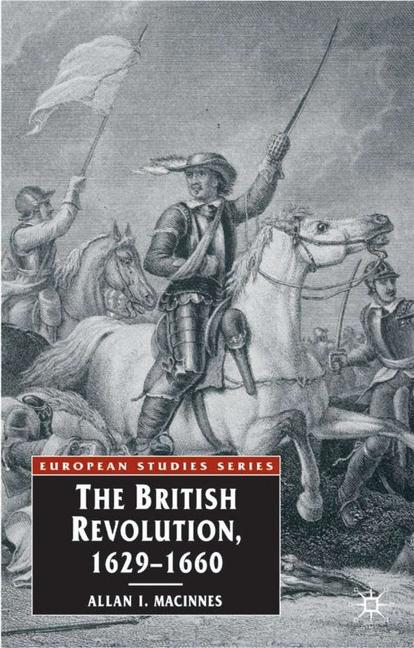
Comprehensive three-kingdom survey of 1629–1660
The British Revolution, 1629-60
The book surveys constitutional defiance, civil war, regicide, republicanism, and restoration. Its treatment draws together confessional allegiance, baronial politics, commercial networks, apocalyptic visions, representative images, and written texts, giving you a comprehensive, multi-lens account of the crisis.
- Best for
- You want the Stuart crisis interpreted across Scotland, Ireland, and England and carried through revolution and restoration.
- Not for
- You need Tudor consolidation, continental-European context, or a document-led encounter with firsthand sources.
Four-nation Civil Wars survey of 1638–1651
The Civil Wars in Britain and Ireland
The book uses the 1638–1651 war years to examine politics, societies, and culture within and between four nations. You gain geographic and social breadth within a firmly bounded chronology.
- Best for
- You want the mid-century struggle understood across England, Wales, Scotland, and Ireland rather than through England alone.
- Not for
- You need Tudor origins, developments after 1651, continental-European context, or sustained primary-source study.
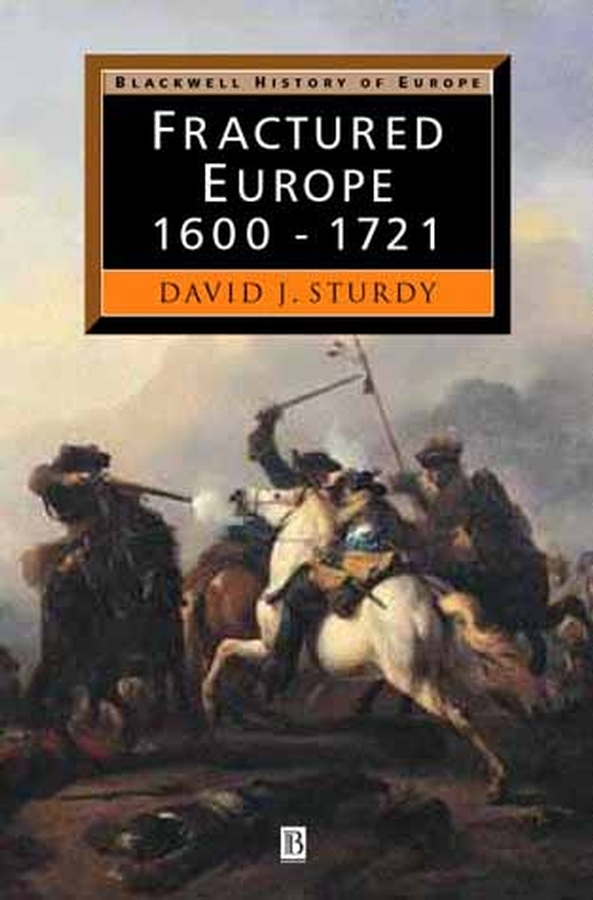
Overview-oriented European narrative from the late sixteenth century to 1721
Fractured Europe
The book narrates European history from the end of the sixteenth century to 1721. Its likely reading experience is overview-oriented, helping you place Britain and Ireland within a European chronology while leaving close English political detail outside its main purpose.
- Best for
- You prefer a continuous narrative of the European setting surrounding the Stuart era, including Britain and Ireland.
- Not for
- You need the Tudor consolidation beginning in 1485, a close account of English Civil War politics, or a primary-source collection.
Introductory thematic survey of Europe, 1500–1800
The European World 1500–1800
The survey covers political, social, economic, religious, and cultural development alongside government, warfare, and revolution. Source extracts, maps, prompts, further reading, a glossary, and chronology make it usable without specialist prior study; the trade-off is European breadth instead of close English specificity.
- Best for
- You are beginning early modern history and want a broad European framework, thematic chapters, and built-in study aids before concentrating on English conflict.
- Not for
- You want a tightly focused narrative of Tudor-Stuart politics or the English Civil War, or sustained immersion in primary documents.
Primary-source collection spanning 1485 through Queen Anne
A Political History of Tudor and Stuart England
The collection places Yorkist and Lancastrian, Protestant and Catholic, and Roundhead and Cavalier accounts side by side. It gives you a document-led path across the Tudor and Stuart periods, trading author-led synthesis for direct engagement with contrasting voices.
- Best for
- You are prepared to compare firsthand accounts of Tudor and Stuart institutions, divisions, and political events from 1485 through Queen Anne.
- Not for
- You first need a continuous secondary explanation or a survey placing England within continental Europe.
Choose by what matters to you
Chronological scope
Match the book to the years you actually want. The Blood in Winter concentrates on five months in 1641–1642. The Civil Wars in Britain and Ireland covers 1638–1651, while The British Revolution, 1629-60 follows the Stuart crisis through restoration. The Century of Revolution treats Stuart-era England. A Political History of Tudor and Stuart England runs from 1485 through Queen Anne as a sourcebook. For European context, Fractured Europe extends from the end of the sixteenth century to 1721, and The European World 1500–1800 covers a longer thematic period.
[3][4][7][2][5][1][6]Geographic scale
The Century of Revolution concentrates on England. The British Revolution, 1629-60 connects Scotland, Ireland, and England, while The Civil Wars in Britain and Ireland also places Wales within its four-nation account. Fractured Europe situates Britain and Ireland in a European narrative, and The European World 1500–1800 supplies a Europe-wide thematic framework.
[2][7][4][1][6]Firsthand sources or secondary explanation
Choose A Political History of Tudor and Stuart England for sustained comparison of firsthand political and religious voices. Choose The European World 1500–1800 if you want source extracts embedded within an introductory secondary survey rather than a book organized primarily around documents.
[5][6]Reading style
The Blood in Winter offers a likely dramatic, vivid, and propulsive experience. The Century of Revolution is more information-dense, connecting politics with economic, religious, intellectual, artistic, and social developments instead of proceeding as a simple event-by-event narrative. Fractured Europe is a continuous, overview-oriented narrative, while The European World 1500–1800 uses thematic chapters suited to modular reading and reference.
[3][10][2][9][1][8][6][11]Concentration and breadth
Use The Blood in Winter for a close reconstruction of one five-month political crisis. The British Revolution, 1629-60 surveys the Stuart crisis through numerous political, religious, commercial, and representational lenses. The Civil Wars in Britain and Ireland examines politics, societies, and culture within and between four nations during 1638–1651. The European World 1500–1800 provides broad orientation across political, social, economic, religious, and cultural development.
[3][7][4][6]Background and study support
The European World 1500–1800 is explicitly introductory and supports readers without specialist prior study through maps, prompts, further reading, a glossary, chronology, and other reference aids. A Political History of Tudor and Stuart England suits you if you are prepared to compare firsthand voices without relying on a continuous author-led synthesis.
[6][11][5]What to know before choosing
Useful context
- You can approach the subject through several distinct reading experiences. The Blood in Winter supplies close narrative; The Century of Revolution supplies secondary analysis of England; The British Revolution, 1629-60 and The Civil Wars in Britain and Ireland widen the view across British and Irish nations; Fractured Europe and The European World 1500–1800 provide European context; and A Political History of Tudor and Stuart England leads with documents. [3][2][7][4][1][6][5]
- The Blood in Winter reconstructs five months from unstable 1641 into 1642, including Charles I's attempt to arrest five MPs, revolt in Ireland, radical religious politics, and mobilization in London. Its likely reading experience is vivid and propulsive, with high politics and everyday society both visible. [3][10]
- The Century of Revolution is a concise secondary treatment of Stuart-era England that considers ordinary men and women as well as rulers. Expect information-dense analysis connecting political conflict with economics, religion, ideas, and the arts. [2][9]
- The British Revolution, 1629-60 examines constitutional defiance, civil war, regicide, republicanism, and restoration across Scotland, Ireland, and England. The Civil Wars in Britain and Ireland concentrates on 1638–1651 and adds Wales to its account of political, social, and cultural interaction among four nations. [7][4]
- Fractured Europe provides an overview-oriented European narrative from the end of the sixteenth century to 1721, including Britain and Ireland. The European World 1500–1800 instead organizes its introductory European survey thematically and supplies maps, source extracts, prompts, further reading, a glossary, and chronology. [1][8][6][11]
- A Political History of Tudor and Stuart England is organized as a source collection, placing opposing firsthand voices side by side from 1485 through Queen Anne. The European World 1500–1800 contains source extracts but remains an introductory contextual survey. [5][6]
Sources
- Fractured EuropeBookFrontier · checked 2026-08-12
- The Century of RevolutionBookFrontier · checked 2026-08-12
- The Blood in WinterBookFrontier · checked 2026-08-12
- The Civil Wars in Britain and IrelandBookFrontier · checked 2026-08-12
- A Political History of Tudor and Stuart EnglandBookFrontier · checked 2026-08-12
- The European World 1500–1800BookFrontier · checked 2026-08-12
- The British Revolution, 1629-60BookFrontier · checked 2026-08-12
- Reader perspectives on Fractured EuropeGoodreads reader reviews · checked 2026-03-02
- Reader perspectives on The Century of RevolutionGoodreads reader reviews · checked 2026-03-02
- Reader perspectives on The Blood in WinterGoodreads reader reviews · checked 2026-02-26
- Reader perspectives on The European World 1500–1800Goodreads reader reviews · checked 2026-03-02