
Choosing Books on Early Modern Monarchies, Revolutions, and Colonial Rule
Match your starting book to the dates, places, governing institutions, forms of conflict, and reading style you want to understand.
Edited by Chris · updated 2026-08-12
Start here
Which books best explain how monarchies, revolutions, and colonial governance reshaped the early modern state?
Start with The European World 1500–1800 if you need a concise framework spanning social, economic, religious, cultural, and political change, including government, warfare, and revolution. Its thematic organization and study aids support both sequential reading and selective consultation. Choose Europe 1600–1789 instead if your main question is how tensions among laboring people, ruling elites, and commercial and financial interests undercut monarchies. Choose The British Revolution, 1629–60 instead for one crisis across Scotland, Ireland, and England, or The Age of Revolutions in Global Context, C. 1760–1840 if you already know the period and want specialist chapters across world regions. For orientation to conquest, exploration, settlement, administration, and commerce across thirteen empires, The Age of Empires is the better fit than the starting survey.
[3][10][8][6][5][11][2][9]The books
Recommended books

Start here for a 1500–1800 survey
The European World 1500–1800
You get a 1500–1800 survey supported by primary-source extracts, maps, prompts, further reading, a glossary, chronology, and index. Its thematic organization works for a first pass, sequential reading, and later selective consultation. The trade-off is that the survey format does not confine the book to one institution, polity, or crisis.
- Best for
- Choose this if you need a concise orientation to early modern Europe across social, economic, religious, cultural, and political change, including government, warfare, and revolution.
- Not for
- Skip it if you want a book confined to one institution, polity, or crisis.
Compare sixteenth-century empires, monarchies, and city-republics
Europe in the Sixteenth Century
You get an account of how empires, monarchies, and city-republics functioned and related to one another, connected to urban and economic change. Its thematic, interrelated organization suits deliberate reading and reference, but it may feel fluent and digestible or dense and slow-going depending on the reader.
- Best for
- Choose this if you are concentrating on sixteenth-century Europe and want empires, monarchies, and city-republics treated as parts of an interconnected political order, alongside towns and the economic background of political change.
- Not for
- Skip it if you need coverage beyond the sixteenth century or strongly prefer a linear chronological organization.

Trace the pressures that undercut monarchy, 1600–1789
Europe 1600-1789
The book offers a coherent interpretation in which conflicts among social and economic interests made accommodation with traditional structures of authority irreconcilable and undercut European monarchies. You get those interests tied directly to the weakening of monarchy; the trade-off is a chronology bounded by 1600 and 1789.
- Best for
- Choose this if you want a 1600–1789 survey explaining how tensions among laboring people, ruling elites, and commercial and financial interests undercut traditional authority before the French Revolution.
- Not for
- Skip it if your central period is the sixteenth century or the revolutionary era after 1789.

Examine courts, patronage, image-making, and reform
Enlightenment at Court
The case studies span Spain, France, Russia, Scandinavia, Britain, and the Holy Roman Empire and are organized around relationships among rulers, courtiers, and Enlightenment figures. You get examinations of patronage, courts as audiences, image-making, and the role of court–writer interaction in formulating reform policies. The trade-off is organization around those relationships rather than a chronological survey of 1500–1800.
- Best for
- Choose this if you are interested in eighteenth-century monarchy as a courtly institution, especially patronage, court audiences, ruler and courtier image-making, intellectual careers, and reform policy.
- Not for
- Skip it if you want a chronological survey of the whole period from 1500 to 1800.
Follow the Stuart crisis across three kingdoms
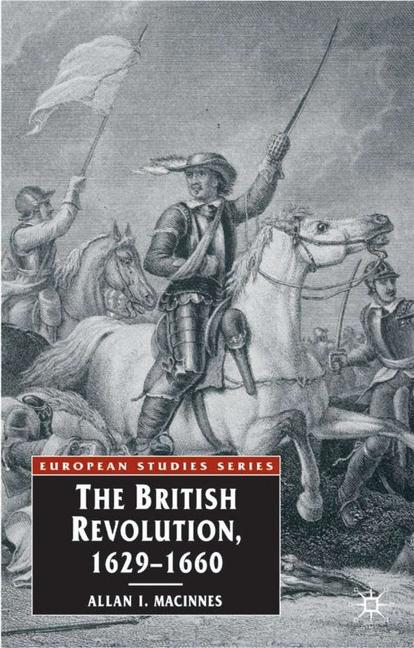
The British Revolution, 1629-60
The account follows a crisis across Scotland, Ireland, and England and treats opposition to the Stuarts as resistance to a dynasty ruling across the three kingdoms. Baronial politics, commercial networks, religious allegiances, images, and written texts place the political rupture in its surrounding contexts. The trade-off is a three-kingdom focus rather than cross-European or overseas colonial comparison.
- Best for
- Choose this if you want to follow how Stuart dynastic authority was contested across Scotland, Ireland, and England through constitutional defiance, civil war, regicide, republicanism, and restored monarchy.
- Not for
- Skip it if your principal goal is cross-European or overseas colonial comparison.
Study the revolutionary era across world regions, c.1760–1840
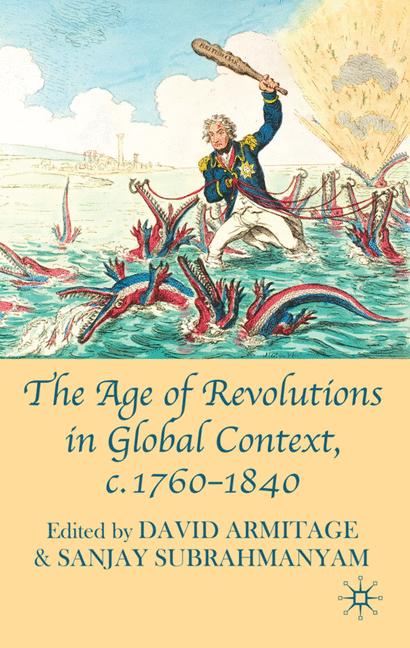
The Age of Revolutions in Global Context, C. 1760-1840
The multi-author collection examines the American, French, and Haitian revolutions, the breakup of the Iberian empires, and the Napoleonic Wars alongside change in the Americas, Caribbean, Europe, Africa, the Middle East, South and Southeast Asia, and China. Its cross-regional design supports study of revolutionary causes and consequences across those settings, but its specialist and historiographical discussions likely require prior familiarity.
- Best for
- Choose this if you already know the period and want specialist chapters on global and regional change from c.1760 to 1840, including Atlantic revolutions, the breakup of the Iberian empires, Napoleonic war, and African and Asian cases.
- Not for
- Skip it if you are a beginner seeking a continuous single-author chronological narrative or an account ending at 1800.
Survey conquest, administration, and commerce across thirteen empires
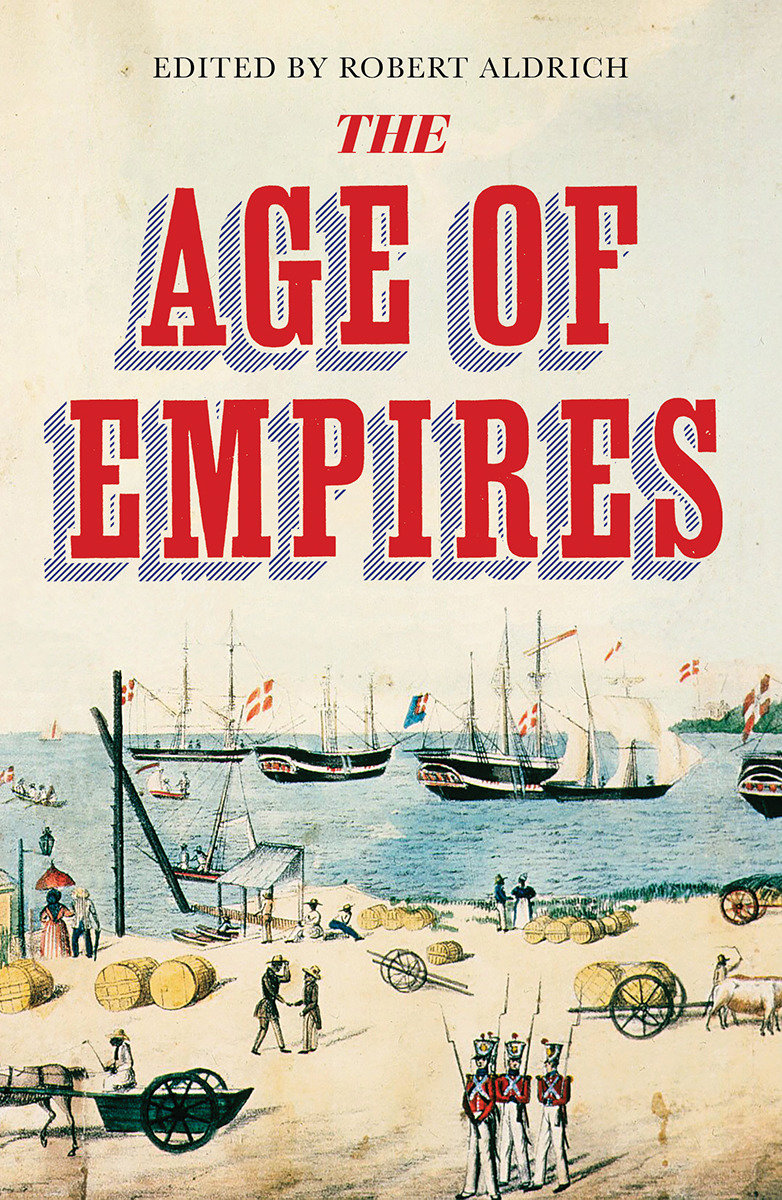
The Age of Empires
Maps of exploration, voyage chronologies, records of settlers and administrators, commercial accounts, and illustrations provide orientation and points of comparison across thirteen empires. The compressed essay or chapter treatments trade depth on each empire for coverage across more than five centuries.
- Best for
- Choose this if you prioritize imperial reach, colonial conquest, exploration, settlement, administration, and commerce across thirteen empires.
- Not for
- Skip it if you want exhaustive treatment of a single empire.
Choose by what matters to you
Match the dates first
The European World 1500–1800 covers 1500–1800; Europe in the Sixteenth Century concentrates on that century; Europe 1600–1789 covers the stated dates; Enlightenment at Court examines eighteenth-century courts; The British Revolution, 1629–60 focuses on 1629–60; The Age of Revolutions in Global Context covers c.1760–1840; and The Age of Empires crosses more than five centuries.
[3][7][8][4][6][5][2]Choose the part of government you want to examine
Choose Europe in the Sixteenth Century to examine how empires, monarchies, and city-republics functioned and related to one another. Choose Enlightenment at Court for royal and princely households, patronage, court audiences, image-making, and reform. Choose The British Revolution, 1629–60 to follow dynastic and constitutional conflict across Scotland, Ireland, and England.
[7][4][6]Decide what kind of revolutionary change interests you
The European World 1500–1800 includes revolution within a broad survey. Europe 1600–1789 treats it as the endpoint of pressures that undercut European monarchies. The British Revolution, 1629–60 follows a three-kingdom crisis through constitutional defiance, civil war, regicide, republicanism, and restored monarchy. The Age of Revolutions in Global Context studies a cross-regional era from c.1760 to 1840.
[3][8][6][5]Make colonial government concrete
Look for expansion over adjoining land or by sea, dynastic marriage, state-backed chartered companies, monarchies governing multiple territories, administration delegated to local authorities, co-optation, and extraction by force. The Age of Empires offers a compressed orientation to conquest, exploration, settlement, administration, and commerce across thirteen empires, using maps, voyage chronologies, records of settlers and administrators, commercial accounts, and illustrations. It is not exhaustive on any one empire.
[1][2][9]Pick the social forces and materials you want explained
The European World 1500–1800 surveys broad social and economic development. Europe in the Sixteenth Century brings in town life and the economic background of political change. Europe 1600–1789 examines tensions among laboring people, ruling elites, and commercial and financial interests. The British Revolution, 1629–60 places political rupture alongside baronial politics, commercial networks, religious allegiances, images, and written texts.
[3][7][8][6]Match the reading form to your background
The European World 1500–1800 is likely suitable for orientation and early university study and supports both sequential reading and selective consultation. Europe in the Sixteenth Century uses a thematic, interrelated structure that may feel fluent and digestible or dense and slow-going. Prior familiarity is likely helpful for the specialist, multi-author chapters in The Age of Revolutions in Global Context. The Age of Empires is a compressed multi-essay or multi-chapter overview suited to orientation and comparison.
[3][10][7][12][5][11][2][9]What to know before choosing
Useful context
- Early modern imperial government could operate through expansion over adjoining land or by sea, dynastic marriage, state-backed chartered companies, monarchies governing multiple territories, administration delegated to local authorities, co-opting local authorities, and taking labor or resources by force. [1]
- Life under empire varied with geography, economic and social position, religion, and gender. Authorities built differences into hierarchies and sometimes segregation, while forced labor, racial status, and different legal regimes shaped unequal colonial societies. [1]
- The books examine authority at different levels: Europe in the Sixteenth Century compares empires, monarchies, city-republics, and their relationships; The British Revolution, 1629–60 follows dynastic and constitutional conflict across three kingdoms; and Enlightenment at Court examines royal and princely households, patronage, image-making, and reform. [7][6][4]
- The books follow revolutionary change in different ways: The European World 1500–1800 treats revolution as a survey topic; Europe 1600–1789 presents it as the endpoint of pressures that undercut monarchies; The British Revolution, 1629–60 follows a three-kingdom political crisis; and The Age of Revolutions in Global Context examines a cross-regional era. [3][8][6][5]
Where accounts differ
Sources
- 3.2.1 Empire and Colonialism in Early Modern History ...Source · checked 2026-08-12
- The Age of EmpiresBookFrontier · checked 2026-08-12
- The European World 1500–1800BookFrontier · checked 2026-08-12
- Enlightenment at CourtBookFrontier · checked 2026-08-12
- The Age of Revolutions in Global Context, C. 1760-1840BookFrontier · checked 2026-08-12
- The British Revolution, 1629-60BookFrontier · checked 2026-08-12
- Europe in the Sixteenth CenturyBookFrontier · checked 2026-08-12
- Europe 1600-1789BookFrontier · checked 2026-08-12
- Reader perspectives on The Age of EmpiresGoodreads reader reviews · checked 2026-03-02
- Reader perspectives on The European World 1500–1800Goodreads reader reviews · checked 2026-03-02
- Reader perspectives on The Age of Revolutions in Global Context, C. 1760-1840Goodreads reader reviews · checked 2026-02-26
- Reader perspectives on Europe in the Sixteenth CenturyGoodreads reader reviews · checked 2026-02-22