Science Books for Kids, From Toddlers to Twelve
Find science books for shared toddler discoveries, early-school space adventures, and biographies and investigations that reward growing confidence at ten or twelve.
Edited by Chris · updated 2026-11-06
For confident ten- to twelve-year-olds, Hidden Figures Young Readers' Edition connects mathematics, NASA, and civil rights; around eight to ten, share The Boy Who Harnessed the Wind for an inventor's story grounded in practical problem-solving. The Magic School Bus Lost in the Solar System makes a lively shared space adventure around six to eight, while Solar System for Kids supports both listening and solo exploration. At four or five, What Do You Do with a Tail Like This? invites animal guessing games; for toddlers, Planting a Rainbow Board Book pairs plant growth with colors and Baby Loves Gravity! explores gravity through dropped food.
Our reading of each book:Come here forExpectWhere it sits
Toddlers: science starts with a dropped snack
Treat the ages as starting points, not deadlines. At the youngest end, you read the words while pictures and familiar experiences make the science concrete.
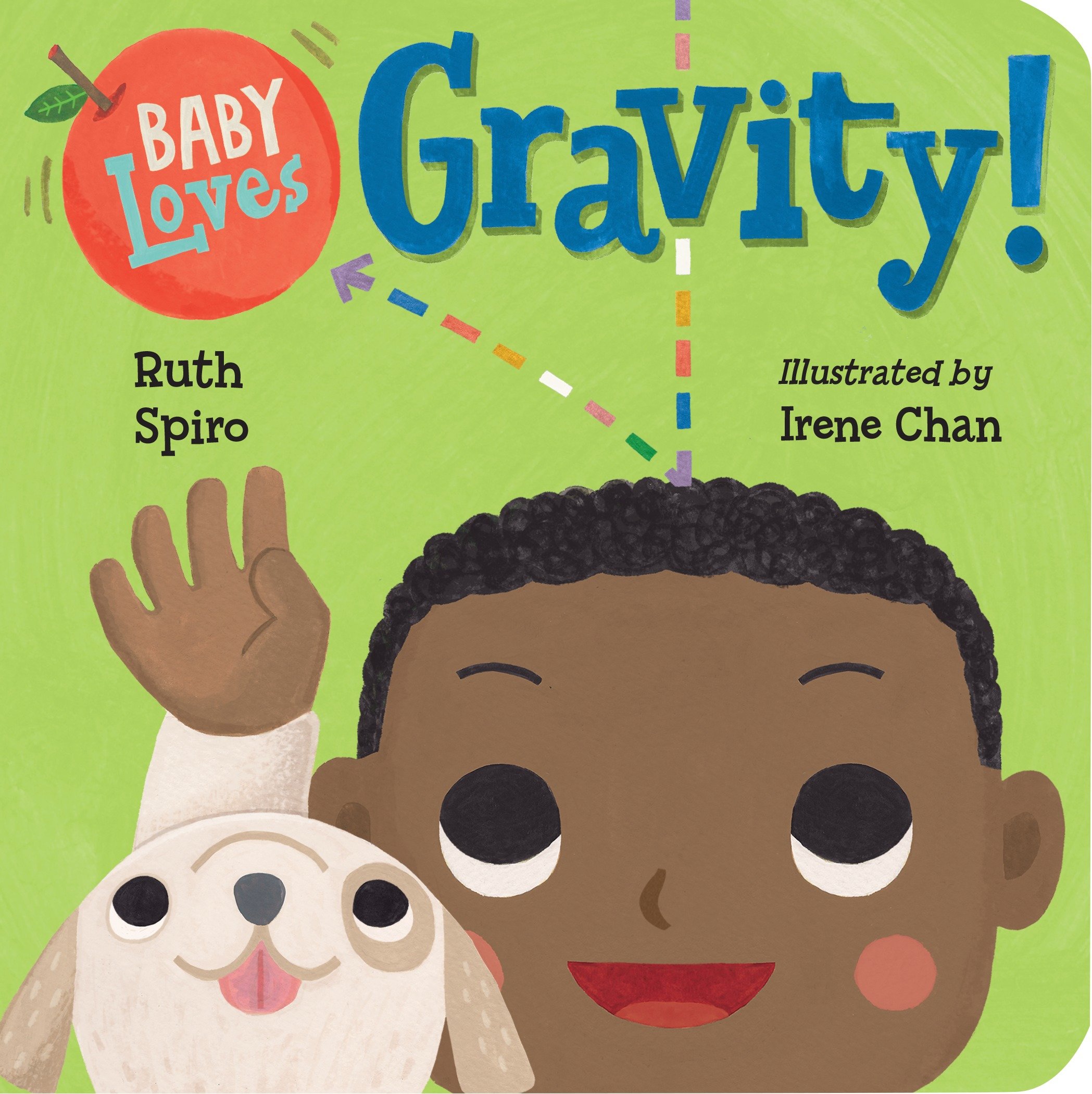
Baby Loves Gravity!
Food drops from a high chair, and a physics question lands with it. In Baby Loves Gravity!, gravity starts with something a toddler can recognize, then takes shape through visually stimulating illustrations and language built for little listeners. Read it aloud before a child is decoding words; the connection between an everyday action and a big idea does the work. The playful tone keeps the explanation companionable, with the ups and downs of falling food at its center.
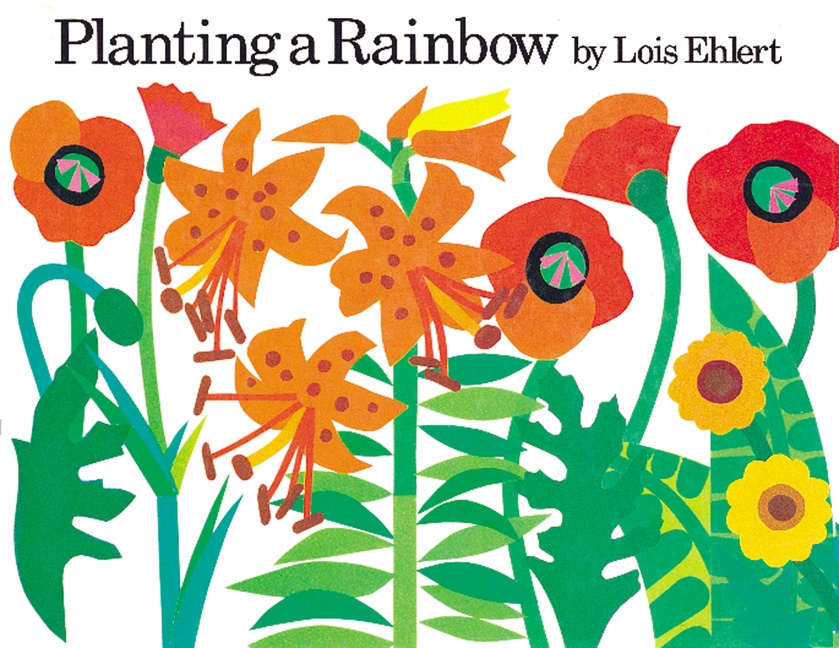
Planting a Rainbow Board Book
A mother and daughter plant bulbs, seeds, and seedlings, then tend the flowers that follow. Planting a Rainbow Board Book gives toddlers a concrete way into plant growth through vibrant, textured cut-paper collages. Sturdy board pages suit hands-on looking, and spotting rainbow colors offers a way to explore the pictures before following the whole gardening story. The gentle, steady progression links nurturing plants with watching them change, as a backyard garden grows into a display of flowers.
Preschool, ages 4–5: look, guess, talk
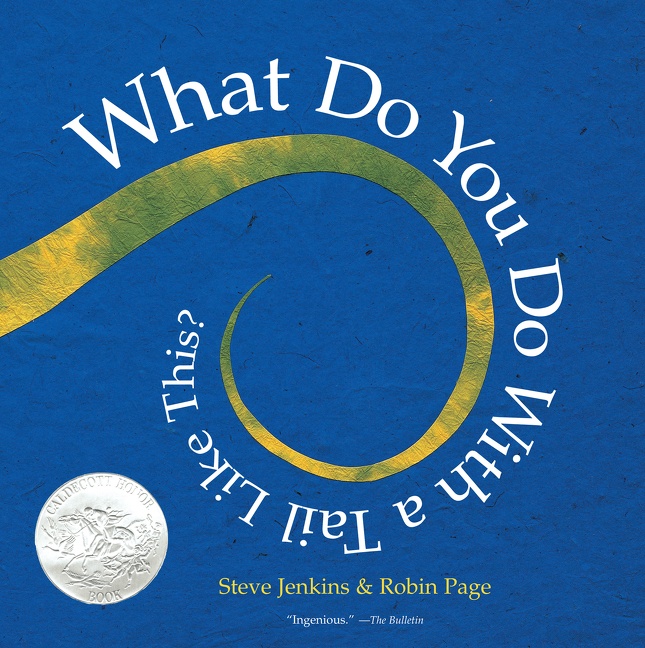
What Do You Do with a Tail Like This?
Which animal uses its ears to see? What Do You Do with a Tail Like This? builds its animal science around that sort of puzzle, turning the page into a reveal rather than a test of reading ability. Around four or five, a child can join in through looking and guessing, with unusual body parts as clues. Six cut-paper collage spreads range across animals from birds to arthropods, and an end glossary adds more facts. The surprises go beyond tails: noses dig, and some eyes squirt blood.
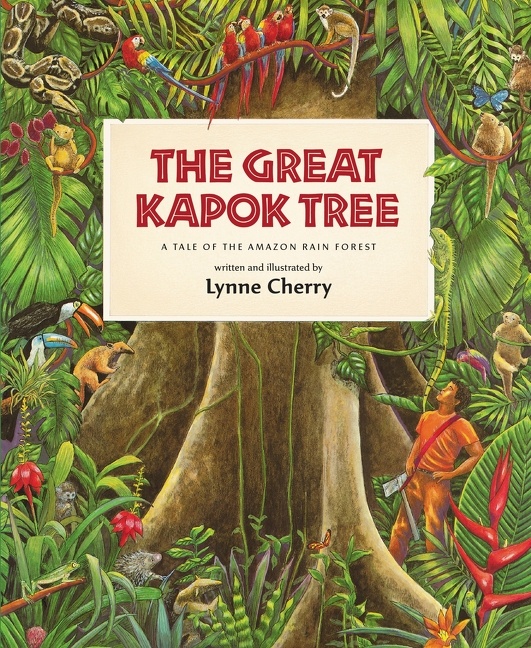
The Great Kapok Tree
A sleeping woodcutter hears the rainforest make its case through the voices of its inhabitants. The Great Kapok Tree offers a way into ecology around five for a child who can follow a fable: forest residents explain why they depend on a giant kapok tree. A child from the Yanomamo tribe joins those voices, making the tree's importance a human concern, too. Colored-pencil and watercolor animals invite close looking, while world maps bordered by rainforest creatures extend the setting beyond that one tree.
From 6–8, send those questions into space
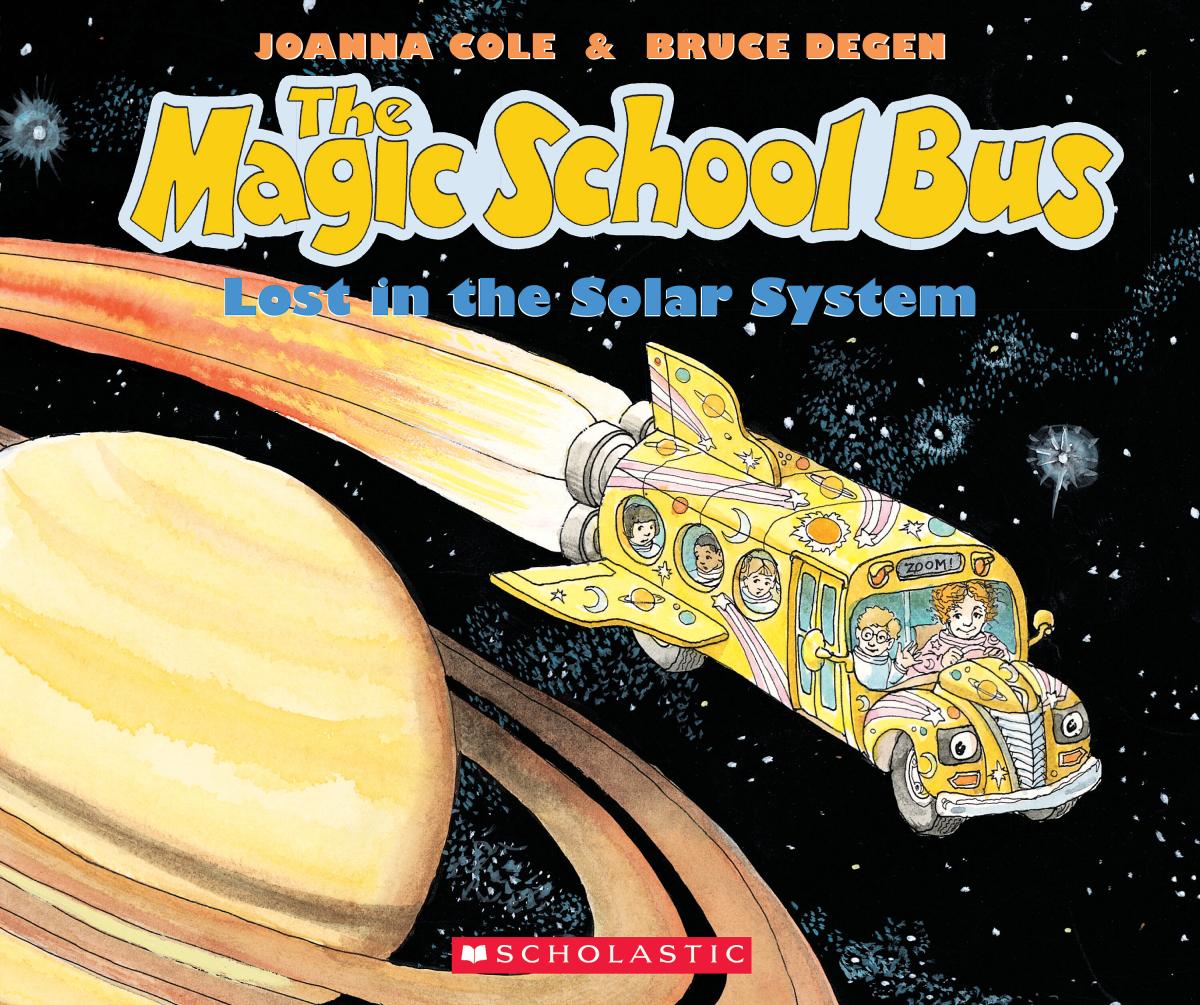
The Magic School Bus Lost in the Solar System
A closed planetarium sends Ms. Frizzle's class somewhere considerably farther away. In The Magic School Bus Lost in the Solar System, the bus becomes a spaceship, carrying the class through the atmosphere, to the Moon, and beyond. Around six to eight, that fast-moving field-trip plot suits kids who like their science woven into an adventure and can keep track of a class on the move. The journey combines a fantastical vehicle with factual astronomy, including solar-system information revised for this edition.
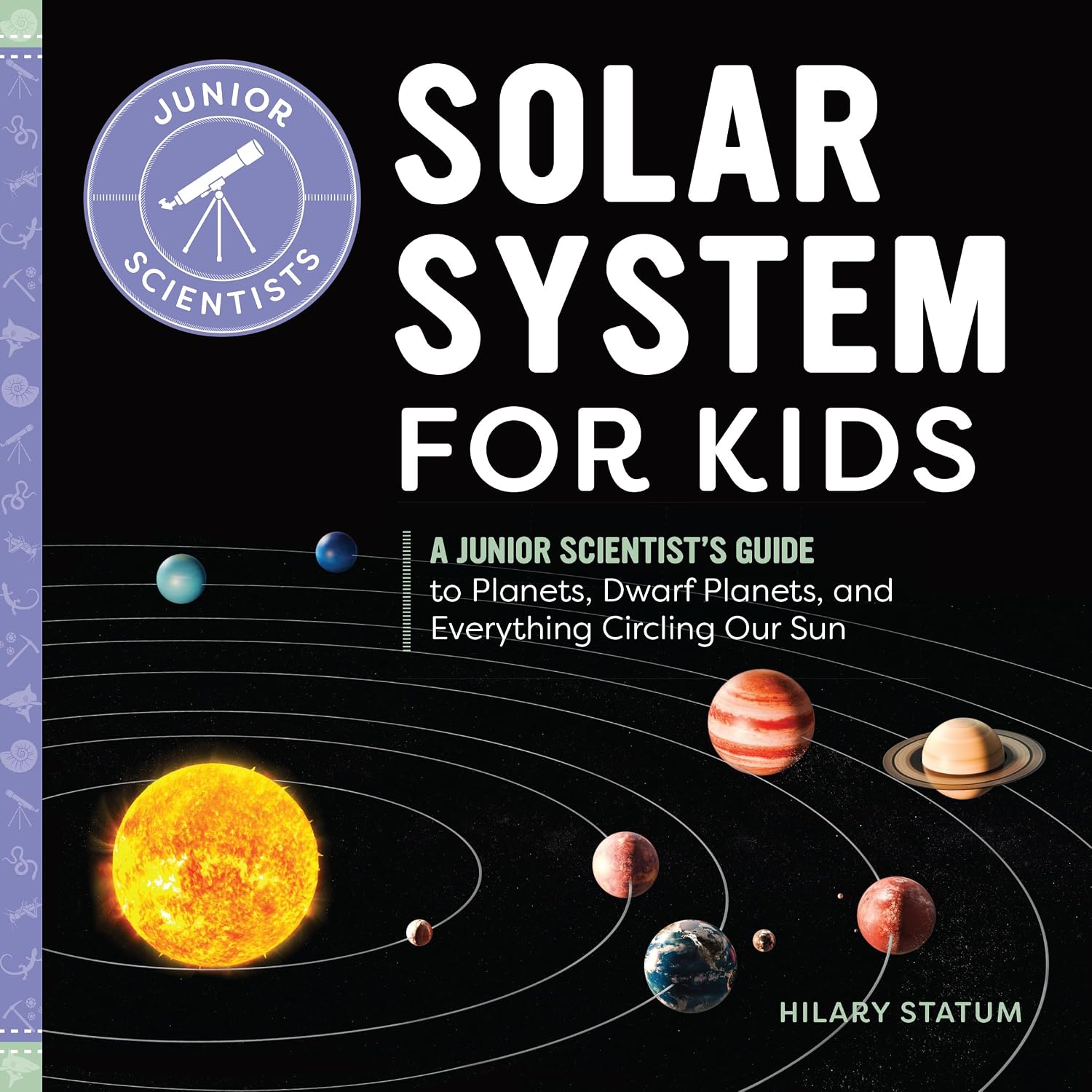
Solar System for Kids
Planets are only the beginning of Solar System for Kids, which also explores dwarf planets, moons, the asteroid belt, and black holes. For a six- to eight-year-old beginning to explore factual books, the section-by-section astronomy facts and illustrations leave plenty to investigate, while an extensive glossary supplies support for new terms. In-book activities and “deep thinking” sidebars invite a pause to work with the science. The range stretches from navigating the night sky to learning about objects billions of miles away.
Around 8–10, meet the people behind the ideas
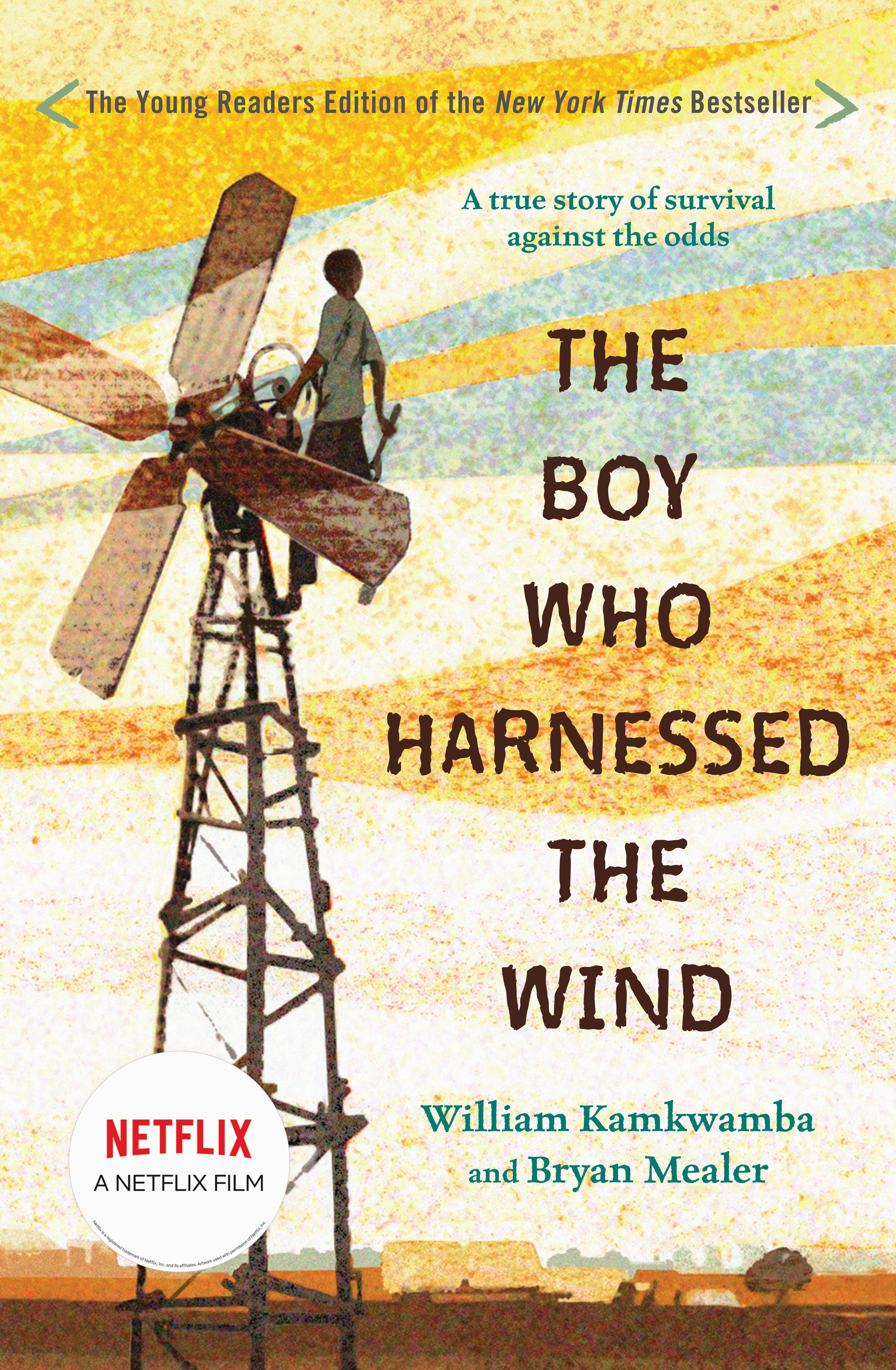
The Boy Who Harnessed the Wind
Scrap metal and old bicycle parts become a windmill when William Kamkwamba needs a way to help his family. The Boy Who Harnessed the Wind gives practical science real stakes for kids around eight to ten who are ready to follow a memoir through hunger and survival. This younger-audience retelling follows drought in Malawi, lost crops, and science books in the village library that help him find a solution. Photographs, illustrations, and an updating epilogue accompany the account of a windmill that brings electricity home and helps pump water for farming.
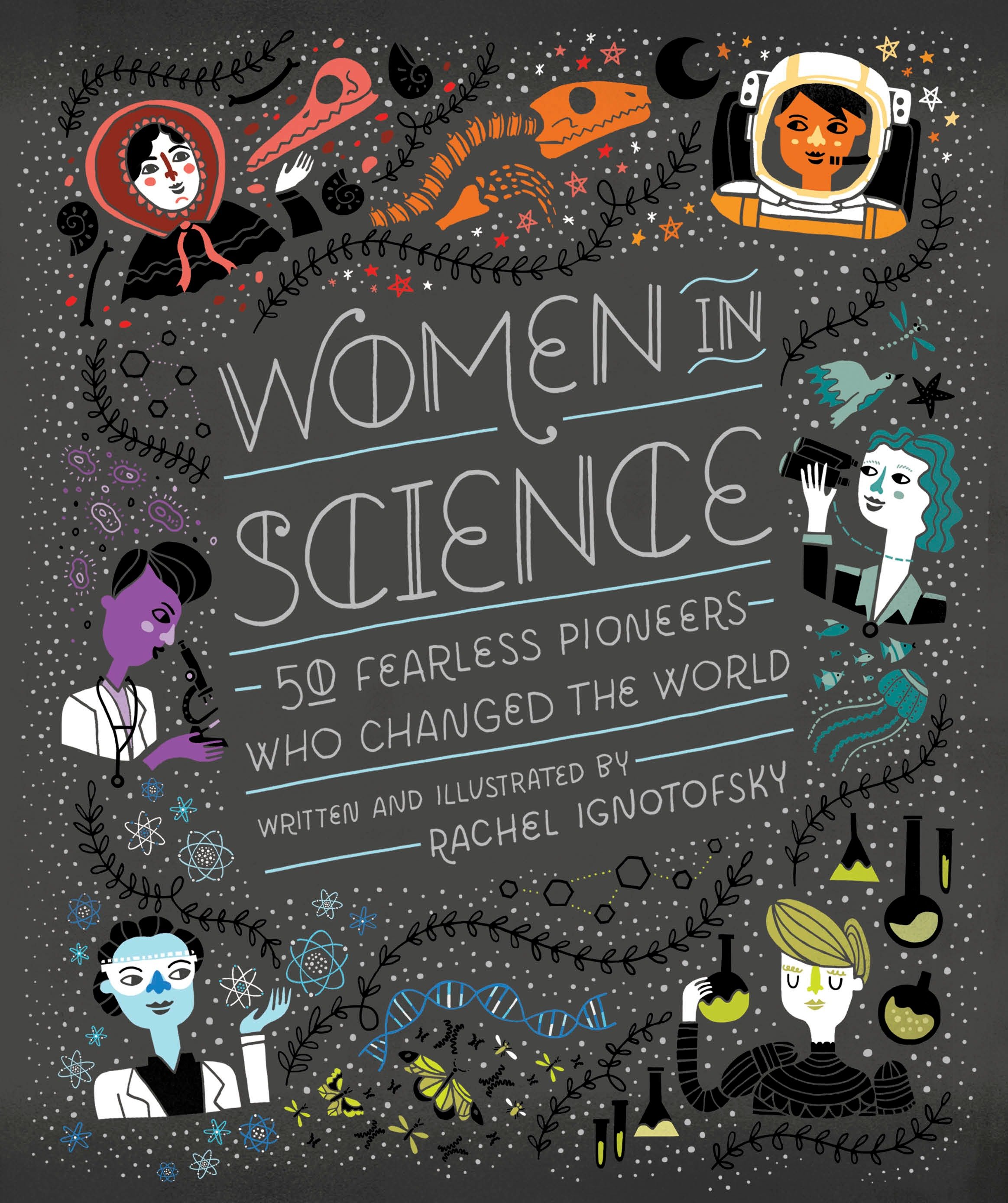
Women in Science
Fifty illustrated portraits make Women in Science a book to explore one life at a time. For roughly eight to ten, that profile-based structure offers manageable stops for a child building confidence with nonfiction, with an adult nearby for unfamiliar scientific ideas. The women span the ancient world to the modern era, including Jane Goodall and Katherine Johnson. Infographics on laboratory equipment and women working in STEM, plus an illustrated scientific glossary, give the portraits a useful second layer of scientific vocabulary and context.
For 10–12, connect the facts—and test them
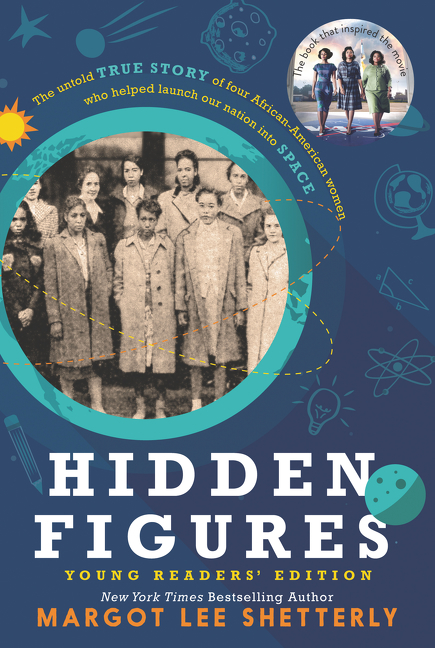
Hidden Figures Young Readers' Edition
Pencils, slide rules, and adding machines help send astronauts into space in Hidden Figures Young Readers' Edition. The layered account suits a confident ten- to twelve-year-old who can follow four working lives alongside the Space Race, civil rights, and gender equality. The Cold War adds another strand to the story of the women known as “human computers.” Dorothy Vaughan, Mary Jackson, Katherine Johnson, and Christine Darden are the African-American mathematicians whose calculations helped change NASA and the country.
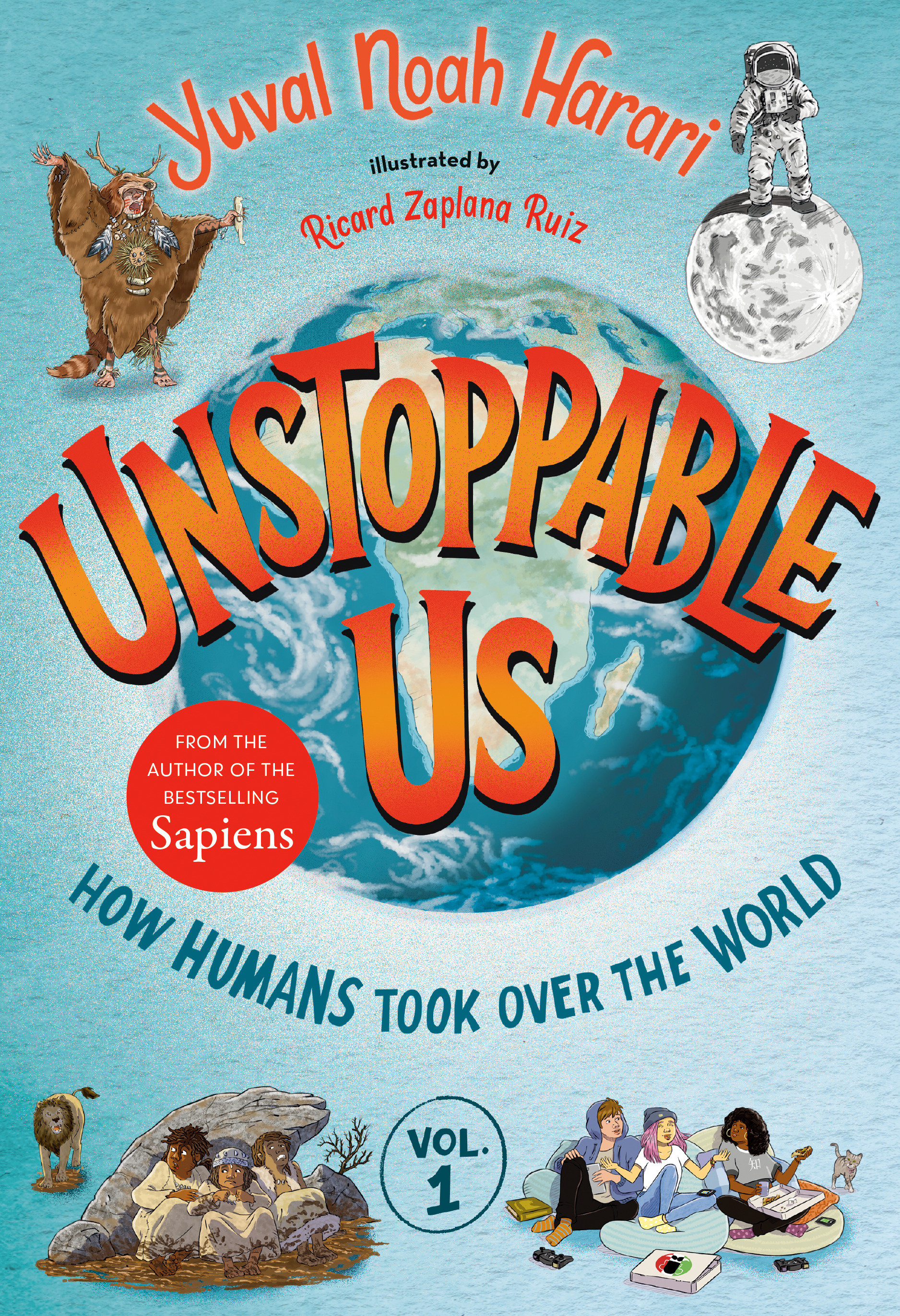
Unstoppable Us, Volume 1: How Humans Took Over the World
Humans cannot outrun a lion, yet they became the planet's dominant species. Unstoppable Us, Volume 1: How Humans Took Over the World turns that puzzle into a fast-moving account of evolution, survival, and invention. Its middle-school audience makes it a natural suggestion around ten to twelve, especially once a child can follow an argument across vast stretches of time. Maps, a timeline, and full-color illustrations provide orientation without replacing the big ideas. The sweep connects making fire and using stars as guides with cooking in microwaves and landing on the Moon.
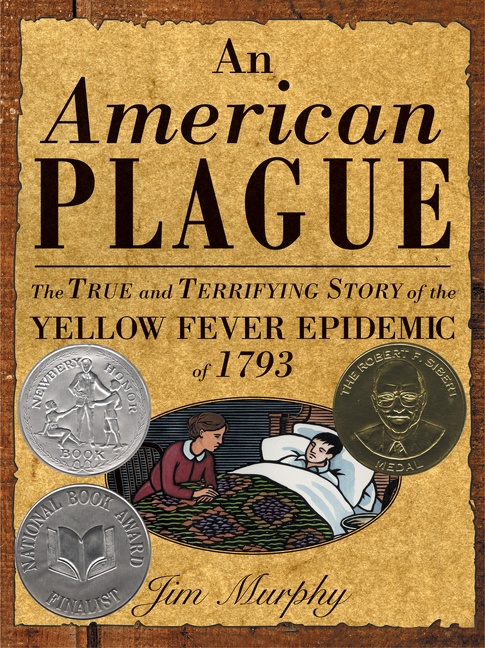
An American Plague
Philadelphia empties as yellow fever disrupts both daily life and the federal government in An American Plague. This is a demanding suggestion for a mature child around eleven or twelve who can handle accounts of death, panic, and bloodletting, and follow medicine alongside politics and social history. Archival prints, photographs, and firsthand accounts make the crisis immediate; free Black nurses' care for the sick is followed by condemnation. Newspaper clippings and death lists deepen the account, while the final chapter examines epidemic causes and their relevance today.
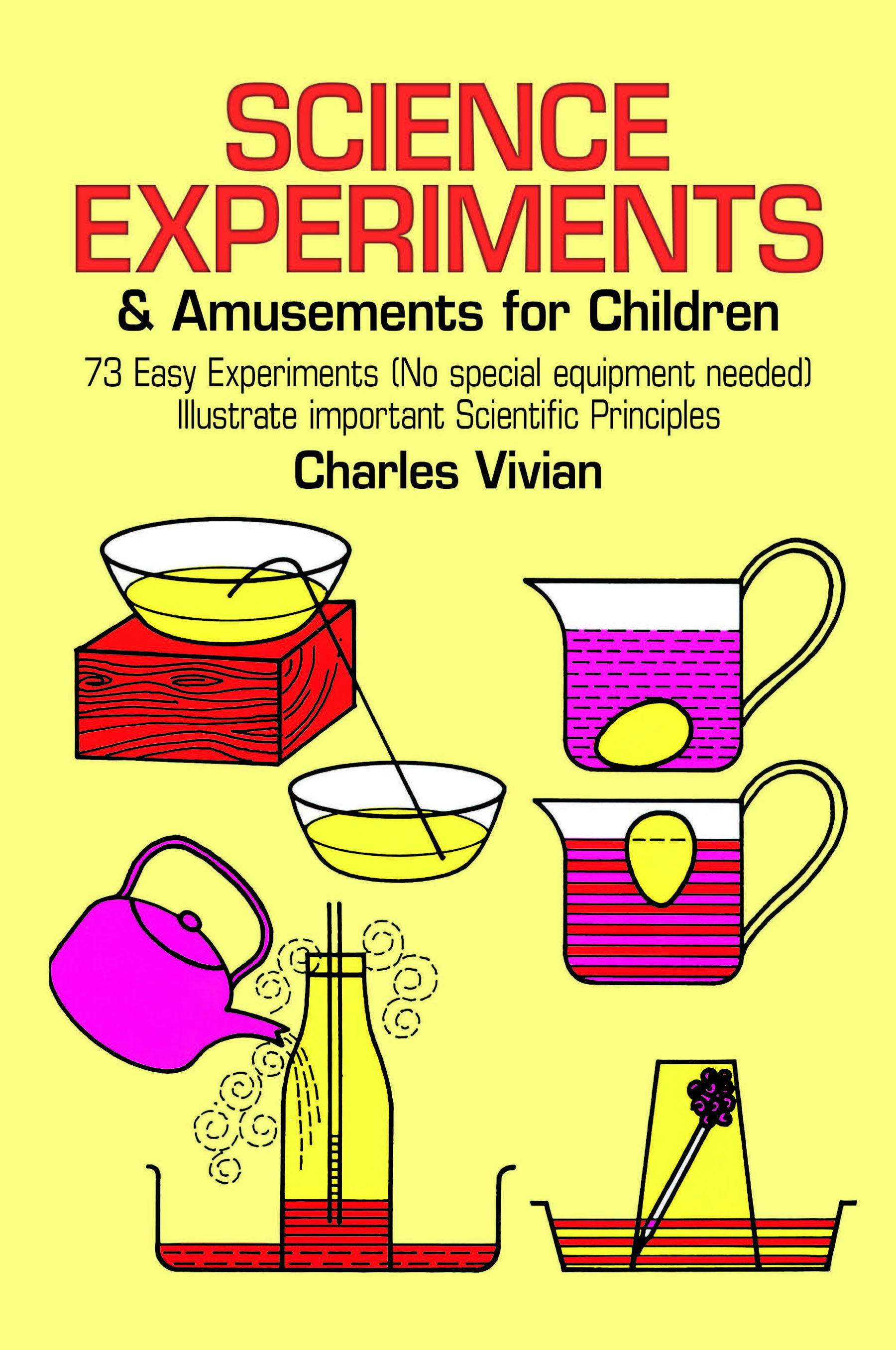
Science Experiments and Amusements for Children
Seventy-three experiments give a child plenty of directions to put into practice in Science Experiments and Amusements for Children. For around ten to twelve, the useful readiness test is being able to follow each step carefully and connect an outcome with its explanation. Household materials become tools for making a pinhole camera, a compass, or a simple electric motor, with photographs and line drawings showing setups and results. Let the child lead the reading and planning, while you check materials and supervise any flame-related work. Each experiment includes background and an explanation of why it works.