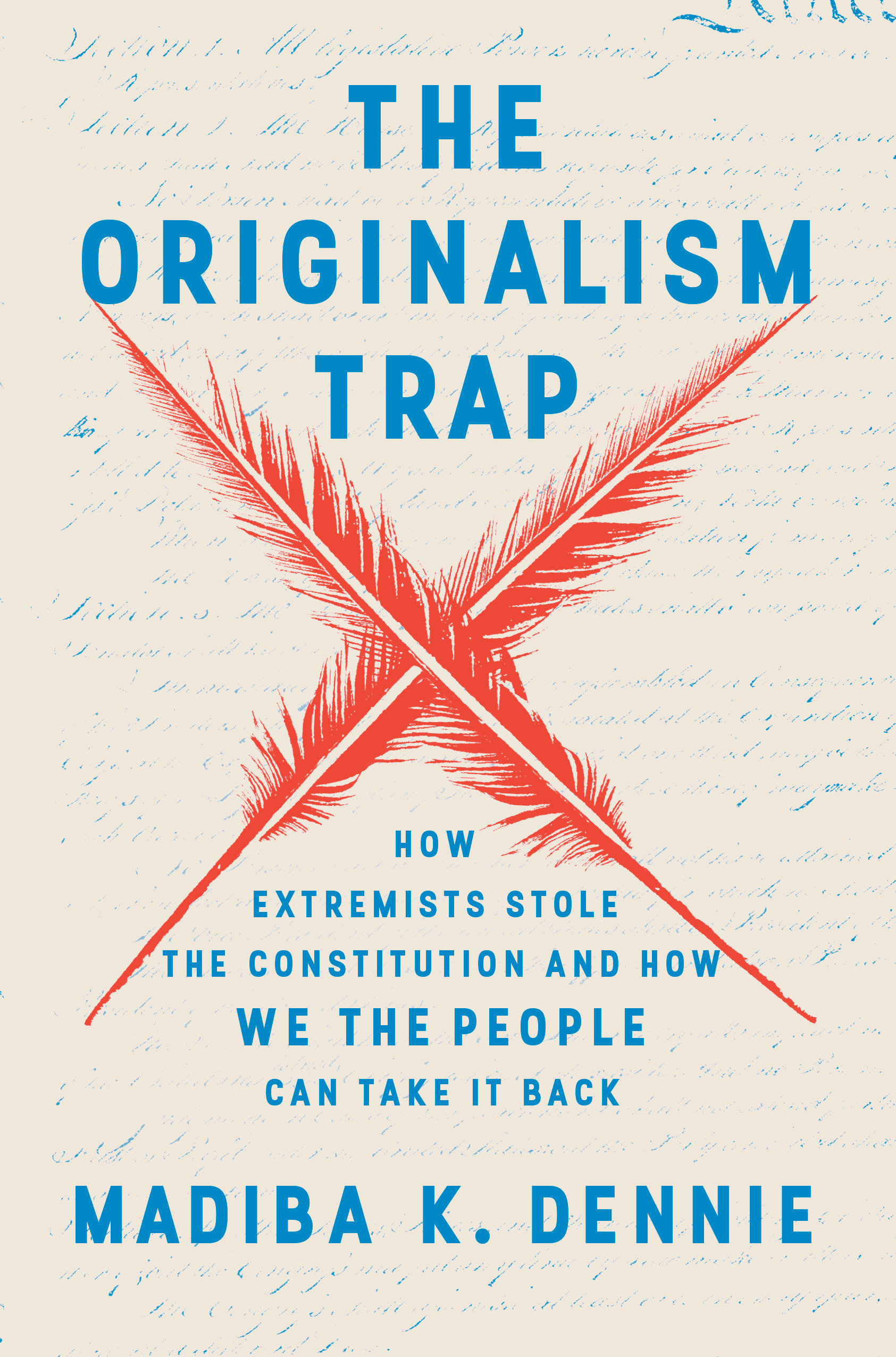
The Originalism Trap
How Extremists Stole the Constitution and How We the People Can Take It Back
A pointed, lively case for rethinking constitutional interpretation and who gets to claim its promises.
- Themes
- Constitutional interpretation, Social justice, Civil rights
Constitutional Possibilities
Come here for
- A clear-eyed challenge to originalism
- Constitutional debate tied to equal membership and civil rights
Expect
- Scholarship with sass, written for law people and laypeople
- A vision of inclusive constitutionalism and rights in practice
Where it sits
How strongly BookFrontier reads the book as belonging to each subject.
Nearest books
Matched by our semantic model. Ordered by what its readers also loved. Most of these share its genre: Constitutional Law.
 Reading the ConstitutionStephen Breyer61% subject match
 The Longest ConJoe Conason55% subject match
 Vigilante NationJon Michaels, David Noll57% subject match
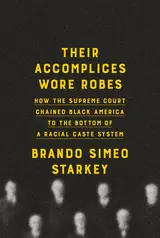 Their Accomplices Wore RobesBrando Simeo Starkey57% subject matchAlso shares Civil Rights
 HarbingersTimothy J. Heaphy51% subject match
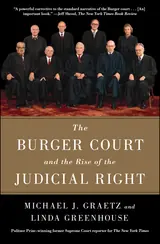 The Burger Court and the Rise of the Judicial RightMichael J. Graetz, Linda Greenhouse53% subject match
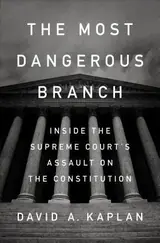 The Most Dangerous BranchDavid A. Kaplan61% subject match
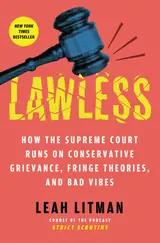 LawlessLeah Litman60% subject match
For younger readers: Fault Lines in the Constitution, What Is the Constitution?, You Call This Democracy?
Start with three books, and this one can be the first.
Members get a new edition every morning: a route out from their books to essays, research and talks, with the reason for each.
Sign upAbout this book
A rallying cry for a more just approach to the law that bolsters social justice movements by throwing out originalism—the theory that judges should interpret the Constitution exactly as conservatives say the Founders meant it
“The greatest trick conservatives ever pulled was convincing the world that originalism exists. This book is vital for understanding why the world sucks right now.”—Elie Mystal, author of Allow Me to Retort
Continue reading
There is no one true way to interpret the Constitution, but that’s not what originalists want you to think. They’d rather we be held hostage to their “objective” theory that our rights and liberties are bound by history—an idea that was once confined to the fringes of academia. Americans saw just how subjective originalism can be when the Supreme Court cherry-picked the past to deny bodily autonomy to millions of Americans in Dobbs v. Jackson Women’s Health. Though originalism is supposed to be a serious intellectual theory, a closer look reveals its many inherent faults, as it deliberately over-emphasizes a version of history that treats civil rights gains as categorically suspect. According to Madiba K. Dennie, it’s time to let it go.
Dennie discards originalism in favor of a new approach that serves everyone: inclusive constitutionalism. She disentangles the Constitution’s ideals from originalist ideology and underscores the ambition of the Reconstruction Amendments, which were adopted in the wake of the Civil War and sought to build a democracy with equal membership for marginalized persons. The Originalism Trap argues that the law must serve to make that promise of democracy real.
Seamlessly blending scholarship with sass and written for law people and laypeople alike, The Originalism Trap shows readers that the Constitution belongs to them and how, by understanding its possibilities, they can use it to fight for their rights. As courts—and the Constitution—increasingly become political battlegrounds, The Originalism Trap is a necessary guide to what’s at stake and a vision for a more just future.
Publisher details
Publisher categories
- Constitutional Law
- Constitutional Theory
- Courts & the Judiciary
- Authors
- Madiba K. Dennie
- Publisher
- Random House Publishing Group
- Published
- June 4, 2024
- Format
- Print & ebook
- Reading lane
- Constitutional Law