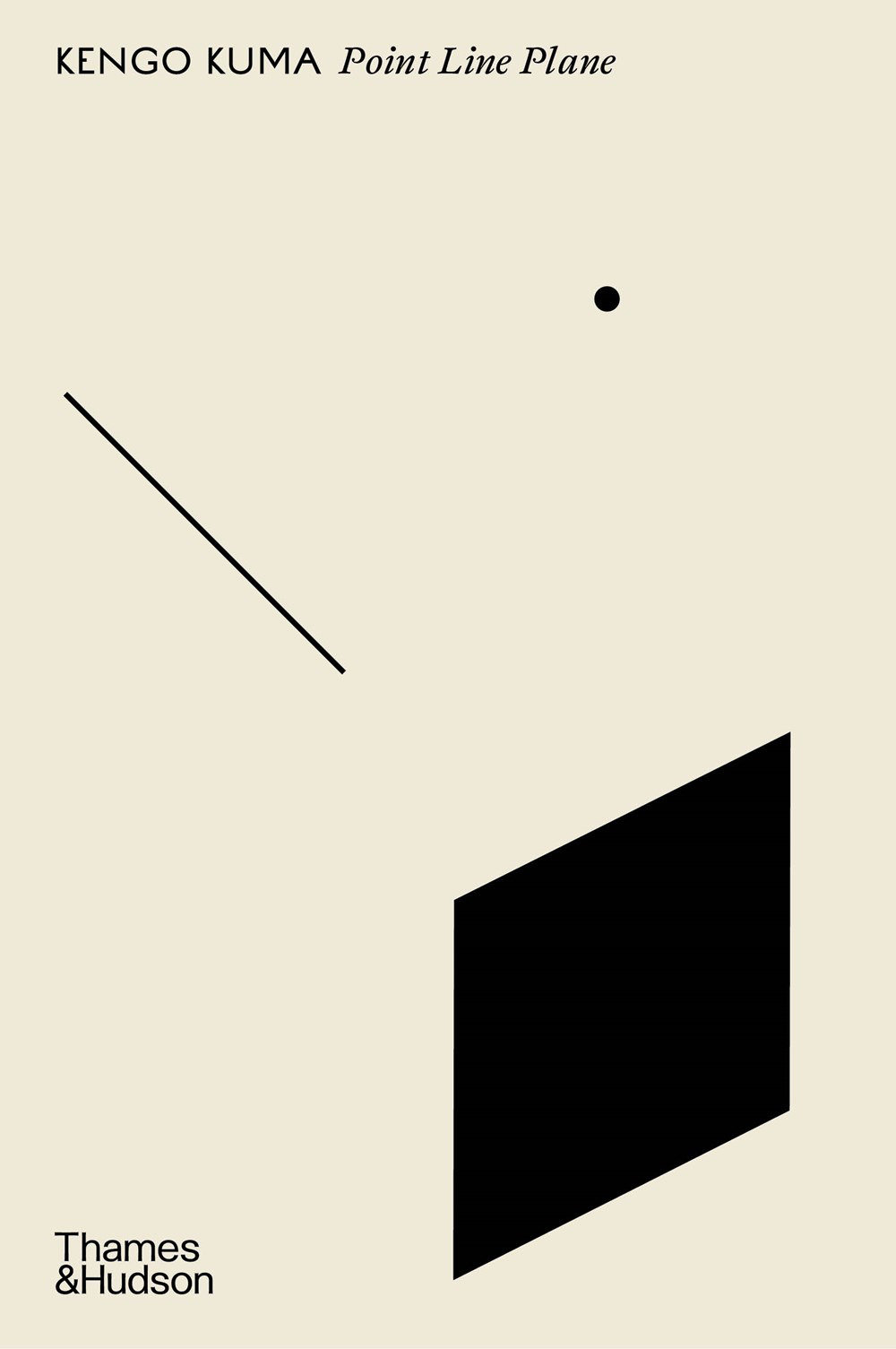
Point Line Plane
Kuma’s mini essays question monumental architecture and imagine buildings that touch the earth lightly.
- Themes
- Architectural theory, Critique of contemporary architecture, Light-touch, adaptable architecture
- Pacing
- Reflective
Architecture Without Mass
Come here for
- Architectural theory told through narrative and historical vignettes
- A critique of twentieth-century architecture’s volume and mass
Expect
- Seventy-two related essays across four sections
- An argument for adaptable buildings that can be disassembled
Where it sits
How strongly BookFrontier reads the book as belonging to each subject.
Nearest books
Matched by our semantic model. Ordered by what its readers also loved. Most of these share its genre: Why Buildings Look That Way.
 Why on Earth Would Anyone Build ThatJohn Zukowsky58% subject match
 How Architecture WorksWitold Rybczynski58% subject match
 Makers of Modern ArchitectureMartin Filler58% subject matchAlso shares Architectural Essays
 In Praise of ShadowsJunichiro Tanizaki57% subject match
 From Bauhaus to Our HouseTom Wolfe54% subject match
 Rewriting AlbertiPeter Eisenman53% subject match
 The Edifice ComplexDeyan Sudjic53% subject match
 Architecture and AbstractionPier Vittorio Aureli53% subject match
Start with three books, and this one can be the first.
Members get a new edition every morning: a route out from their books to essays, research and talks, with the reason for each.
Sign upAbout this book
Ostensibly a collection of writing that sets out Kengo Kuma's theories of architecture, but also an antivolume, antimegastructure, and in some sense anticapitalist, left-field critique of where the architecture world finds itself today.
Point Line Plane is architectural theory, but written as narrative, full of intriguing vignettes, such as the fact that in Ancient Rome windows were fitted with slices of marble because glass was so expensive.
Continue reading
It's written in a very Japanese form: a series of mini essays that circle around a theme and is aimed at a highly literate audience.
Seventy-two related essays across four sections set out Kuma's rejection of the architecture of volume and mass that categorized the twentieth century in favor of a more ad hoc architecture that can be easily disassembled and, by drawing on tried and tested practices of the past, touch the earth more lightly.
Publisher details
Publisher categories
- Why Buildings Look That Way
- History of Architecture
- Architectural Essays
- Authors
- Kengo Kuma
- Publisher
- WW Norton
- Published
- October 8, 2024
- Format
- Hardcover
- Reading lane
- Why Buildings Look That Way