
More than Real
A History of the Imagination in South India
Explore how South Indian thought made imagination a force that shapes reality.
South India’s Imagination
Come here for
- A history spanning the fifteenth to eighteenth centuries
- Comparisons with Greek, Islamic, and European theories of mind
Expect
- Literary works translated from Sanskrit, Tamil, Telugu, and Malayalam
- An account of classical southern languages interwoven with Sanskrit
Where it sits
How strongly BookFrontier reads the book as belonging to each subject.
Nearest books
Matched by our semantic model. Ordered by what its readers also loved.
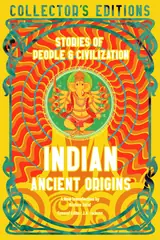 Indian Ancient OriginsJ.K. Jackson, Roshen Dalal61% subject matchShares History of India
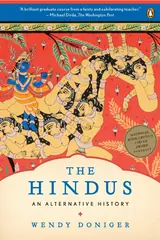 The HindusWendy Doniger56% subject matchShares History of India
 IndiaJohn Keay55% subject matchShares History of India
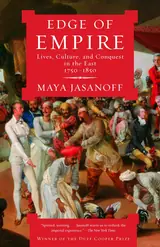 Edge of EmpireMaya Jasanoff53% subject match
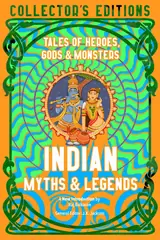 Indian Myths & LegendsJ.K. Jackson, Dr. Raj Balkaran53% subject match
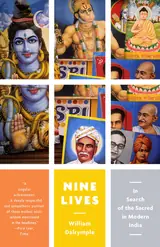 Nine LivesWilliam Dalrymple53% subject match
For younger readers: Ancient India, Seasons of Splendour, Indio
Start with three books, and this one can be the first.
Members get a new edition every morning: a route out from their books to essays, research and talks, with the reason for each.
Sign upAbout this book
From the fifteenth to the eighteenth centuries, the major cultures of southern India underwent a revolution in sensibility reminiscent of what had occurred in Renaissance Italy. During this time, the imagination came to be recognized as the defining feature of human beings. More than Real draws our attention to a period in Indian history that signified major civilizational change and the emergence of a new, proto-modern vision.
Continue reading
In general, India conceived of the imagination as a causative agent: things we perceive are real because we imagine them. David Shulman illuminates this distinctiveness and shows how it differed radically from Western notions of reality and models of the mind. Shulman's explication offers insightful points of comparison with ancient Greek, medieval Islamic, and early modern European theories of mind, and returns Indology to its rightful position of intellectual relevance in the humanities.
At a time when contemporary ideologies and language wars threaten to segregate the study of pre-modern India into linguistic silos, Shulman demonstrates through his virtuoso readings of important literary works—works translated lyrically by the author from Sanskrit, Tamil, Telugu, and Malayalam—that Sanskrit and the classical languages of southern India have been intimately interwoven for centuries.
Publisher details
Publisher categories
- Indian & South Asian History
- Modern History
- Indic Literary Criticism
- Authors
- David Shulman
- Publisher
- WW Norton
- Published
- April 10, 2012
- Format
- Print & ebook
- Reading lane
- Indian & South Asian History