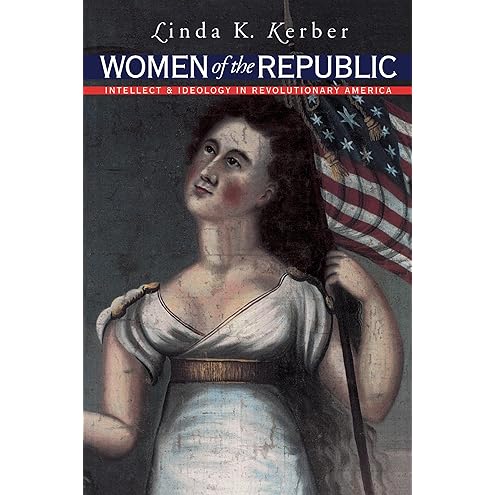
Learning to Stand and Speak
Women, Education, and Public Life in America's Republic
Mary Kelley traces how women’s education reshaped identities and helped open paths into public life.
- Themes
- Women's education, Women entering public life, Education and citizenship
Women’s Education
Come here for
- Female academies and seminaries
- Women’s writing, oration, and reasoning skills
Expect
- Education’s role in women’s public lives
- Connections to literary societies, reform, and activism
Where it sits
How strongly BookFrontier reads the book as belonging to each subject.
Nearest books
Matched by our semantic model. Ordered by what its readers also loved.
 Cynical TheoriesHelen Pluckrose, James Lindsay46% subject match
 The Second FoundingEric Foner48% subject match
 American CreationJoseph J. Ellis46% subject match
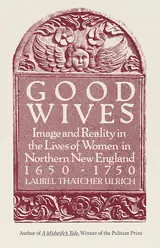 Good WivesLaurel Thatcher Ulrich58% subject matchShares Women's History
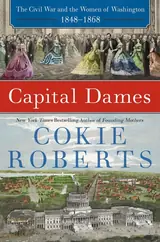 Capital DamesCokie Roberts56% subject matchShares Women's History
For younger readers: Abigail Adams, Women of Colonial America, Women Heroes of the American Revolution
Start with three books, and this one can be the first.
Members get a new edition every morning: a route out from their books to essays, research and talks, with the reason for each.
Sign upAbout this book
Education was decisive in recasting women’s subjectivity and the lived reality of their collective experience in post-Revolutionary and antebellum America. Asking how and why women shaped their lives anew through education, Mary Kelley measures the significant transformation in individual and social identities fostered by female academies and seminaries.
Continue reading
Constituted in a curriculum that matched the course of study at male colleges, women’s liberal learning, Kelley argues, played a key role in one of the most profound changes in gender relations in the nation’s history: the movement of women into public life.
By the 1850s, the large majority of women deeply engaged in public life as educators, writers, editors, and reformers had been schooled at female academies and seminaries. Although most women did not enter these professions, many participated in networks of readers, literary societies, or voluntary associations that became the basis for benevolent societies, reform movements, and activism in the antebellum period. Kelley’s analysis demonstrates that female academies and seminaries taught women crucial writing, oration, and reasoning skills that prepared them to claim the rights and obligations of citizenship.
Publisher details
Publisher categories
- History of Education
- Revolutionary America (1775-1800)
- Women's Studies
- Authors
- Mary Kelley
- Publisher
- Omohundro Institute and UNC Press
- Published
- September 1, 2008
- Format
- Print & ebook
- Reading lane
- History of Education