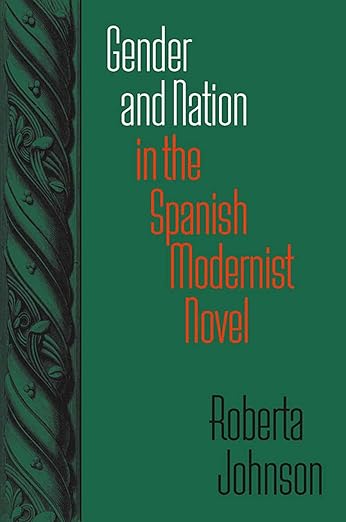
Gender and Nation in the Spanish Modernist Novel
Vanderbilt University Press · Hardcover · December 12, 2003
Offering a fresh, revisionist analysis of Spanish fiction from 1900 to 1940, this study examines the work of both men and women writers and how they practiced differing forms of modernism.
We earn from qualifying purchases.
- Who it’s for
- A study of Spanish fiction's competing modernisms, gender debates, and national identity.
- Genres
- Iberian Lit Crit, Feminist Lit Crit, Gender Studies
- Published
- Vanderbilt University Press, December 12, 2003
Nearest books
Matched by what the books are about, then ordered by what their readers also loved.
 The Twentieth-century Spanish American NovelRaymond Leslie Williams, Raymond L. Williams72% match
 Incomparable EmpiresGayle Rogers68% matchShares Iberian Lit Crit
 Modernismo, Modernity and the Development of Spanish American LiteratureCathy L. Jrade67% match
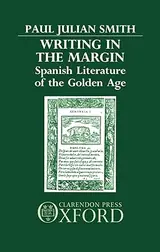 Writing in the MarginPaul Julian Smith65% matchShares Iberian Lit Crit
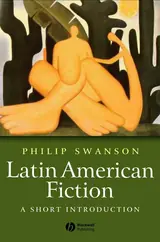 Latin American FictionPhillip Swanson64% match
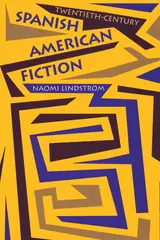 Twentieth-century Spanish American FictionNaomi Lindstrom63% match
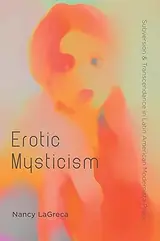 Erotic MysticismNancy LaGreca63% match
 Spanish Modernism and the Poetics of YouthLeslie J. Harkema63% matchShares Iberian Lit Crit
Start with three books, and this one can be the first.
Members get a new edition every morning: a route out from their books to essays, research and talks, with the reason for each.
Join the waitlistAbout this book
Offering a fresh, revisionist analysis of Spanish fiction from 1900 to 1940, this study examines the work of both men and women writers and how they practiced differing forms of modernism. As Roberta Johnson notes, Spanish male novelists emphasized technical and verbal innovation in representing the contents of an individual consciousness and thus were more modernist in the usual understanding of the term.
Continue reading
Female writers, on the other hand, were less aesthetically innovative but engaged in a social modernism that focused on domestic issues, gender roles, and relations between the sexes. Compared to the more conventional--even reactionary--ways their male counterparts treated such matters, Spanish women's fiction in the first half of the twentieth century was often revolutionary. The book begins by tracing the history of public discourse on gender from the 1890s through the 1930s, a discourse that included the rise of feminism. Each chapter then analyzes works by female and male novelists that address key issues related to gender and nationalism: the concept of intrahistoria, or an essential Spanish soul; modernist uses of figures from the Spanish literary tradition, notably Don Quixote and Don Juan; biological theories of gender prevalent in the 1920s and 1930s; and the growth of an organized feminist movement that coincided with the burgeoning Republican movement. This is the first book dealing with this period of Spanish literature to consider women novelists, such as Maria Martinez Sierra, Carmen de Burgos, and Concha Espina, alongside canonical male novelists, including Miguel de Unamuno, Ramon del Valle-Inclan, and Pio Baroja. With its contrasting conceptions of modernism, Johnson's work provides a compelling new model for bridging the gender divide in the study of Spanish fiction.
Gendered Modernisms
A study of Spanish fiction's competing modernisms, gender debates, and national identity.
Come here for
- Women and men novelists considered side by side
- Contrasting forms of aesthetic and social modernism
Expect
- Public gender discourse from the 1890s through the 1930s
- Analyses of fiction addressing gender and nationalism
Where it sits
| Iberian Lit Crit | 71% |
|---|---|
| Feminist Lit Crit | 48% |
| Gender Studies | 31% |
Percentages are BookFrontier’s reading of the book.
Publisher categories
- Iberian Lit Crit
- Authors
- Roberta Johnson
- Publisher
- Vanderbilt University Press
- Published
- December 12, 2003
- Format
- Hardcover
- Reading lane
- Iberian Lit Crit