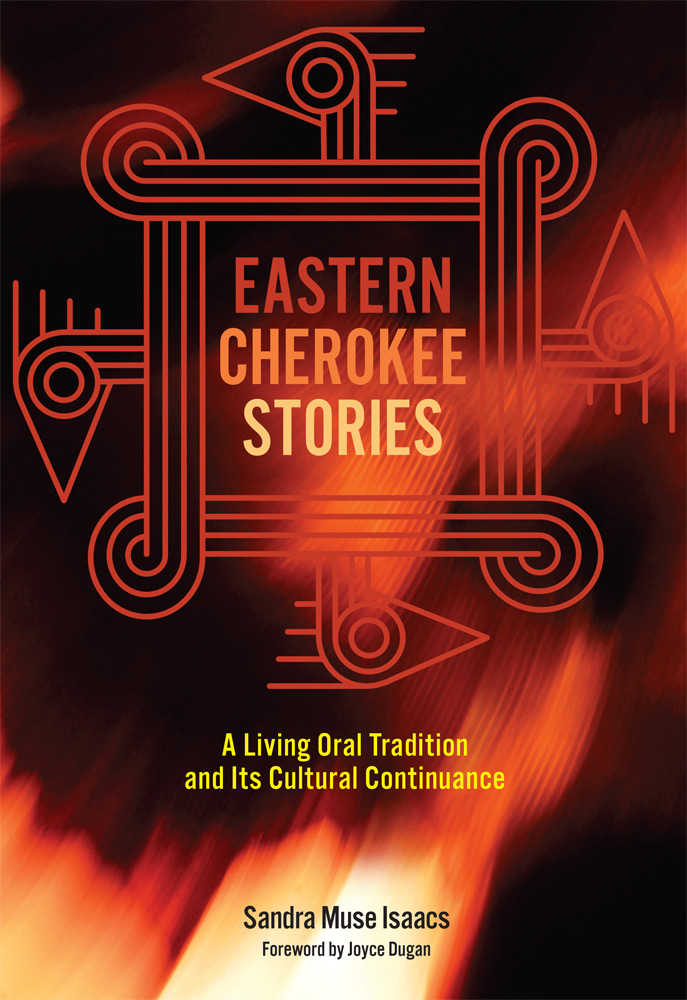
Eastern Cherokee Stories
A Living Oral Tradition and Its Cultural Continuance
Sandra Muse Isaacs examines how Eastern Cherokee storytelling carries culture, history, and contemporary concerns.
- Themes
- Eastern Cherokee oral tradition, Storytelling as survival and resistance, Cultural and language revitalization
Eastern Cherokee Storytelling
Come here for
- Cherokee creation and origins tales
- Post-Removal stories that use Native humor
Expect
- Gadugi and Duyvkta as concepts within Cherokee oral tradition
- Storytelling’s role in sovereignty, language revitalization, and cultural regeneration
Where it sits
How strongly BookFrontier reads the book as belonging to each subject.
Nearest books
Matched by our semantic model. Ordered by what its readers also loved. Most of these share its genre: Native American Studies.
 Trail of TearsJohn Ehle64% subject match
 Medicine of the CherokeeJ. T. Garrett, Michael Tlanusta Garrett58% subject match
 SurvivanceGerald Vizenor57% subject matchAlso shares Indigenous Lit Crit
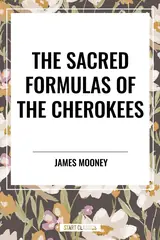 Sacred Formulas of the CherokeesJames Mooney55% subject match
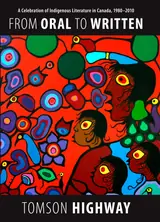 From Oral to WrittenTomson Highway, Jordan Abel53% subject matchAlso shares Indigenous Lit Crit
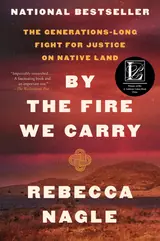 By the Fire We CarryRebecca Nagle53% subject match
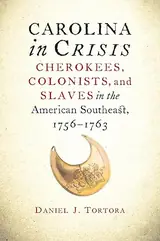 Carolina in CrisisDaniel J. Tortora53% subject match
 The Common PotLisa Brooks53% subject matchAlso shares Indigenous Lit Crit
For younger readers: We Are Grateful: Otsaliheliga, The Grandfathers Speak, All Our Relatives
Start with three books, and this one can be the first.
Members get a new edition every morning: a route out from their books to essays, research and talks, with the reason for each.
Sign upAbout this book
“Throughout our Cherokee history,” writes Joyce Dugan, former principal chief of the Eastern Band of Cherokee Indians, “our ancient stories have been the essence of who we are.”
These traditional stories embody the Cherokee concepts of Gadugi, working together for the good of all, and Duyvkta, walking the right path, and teach listeners how to understand and live in the world with reverence for all living things.
Continue reading
In Eastern Cherokee Stories, Sandra Muse Isaacs uses the concepts of Gadugi and Duyvkta to explore the Eastern Cherokee oral tradition, and to explain how storytelling in this tradition—as both an ancient and a contemporary literary form—is instrumental in the perpetuation of Cherokee identity and culture.
Muse Isaacs worked among the Eastern Cherokees of North Carolina, recording stories and documenting storytelling practices and examining the Eastern Cherokee oral tradition as both an ancient and contemporary literary form. For the descendants of those Cherokees who evaded forced removal by the U.S. government in the 1830s, storytelling has been a vital tool of survival and resistance—and as Muse Isaacs shows us, this remains true today, as storytelling plays a powerful role in motivating and educating tribal members and others about contemporary issues such as land reclamation, cultural regeneration, and language revitalization. The stories collected and analyzed in this volume range from tales of creation and origins that tell about the natural world around the homeland, to post-Removal stories that often employ Native humor to present the Cherokee side of history to Cherokee and non-Cherokee alike. The persistence of this living oral tradition as a means to promote nationhood and tribal sovereignty, to revitalize culture and language, and to present the Indigenous view of history and the land bears testimony to the tenacity and resilience of the Cherokee people, the Ani-Giduwah.
Publisher details
Publisher categories
- Native American History
- Historical Linguistics
- Indigenous Lit Crit
- Cultural Anthropology
Show all 5 publisher categories
- Native American Studies
- Authors
- Sandra Muse Isaacs
- Publisher
- University of Oklahoma Press
- Published
- January 25, 2022
- Format
- Print & ebook
- Reading lane
- Native American History