
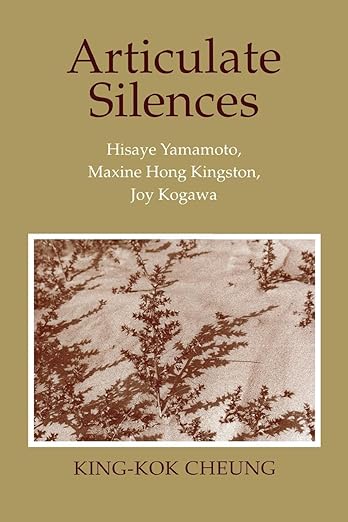
Book
Articulate Silences
Hisaye Yamamoto, Maxine Hong Kingston, and Joy Kogewa
King-Kok Cheung
Cornell University Press · Print & ebook · July 8, 1993
Reading lane: Asian American Lit Crit
In this pathbreaking book, King-Kok Cheung sheds new light on the thematic and rhetoncal uses of silence in fiction by three Asian American women: Hisaye Yamamoto, Maxine Hong Kingston, and JoyKogawa.
At a Glance
Who It's For
Book Details
- Authors
- King-Kok Cheung
- Publisher
- Cornell University Press
- Published
- July 8, 1993
- Format
- Print & ebook
- Theme
- Asian American Lit Crit · Japanese Literary Criticism
- Reading lane
- Asian American Lit Crit
Affinity
Publisher Categories
Asian American Lit Crit
Asian American Studies
About This Book
In this pathbreaking book, King-Kok Cheung sheds new light on the thematic and rhetoncal uses of silence in fiction by three Asian American women: Hisaye Yamamoto, Maxine Hong Kingston, and JoyKogawa. Boldly articulating the unspeakable, these writers break the silence imposed by families or ethnic communities and defy the dominant culture that suppresses the voicing of minority experiences. Yet at the same time, they demonstrate how silences?voiceless gestures, textual elli...
Read full description
Similar Books

Maxine Hong Kingston's the Woman Warrior
Say-ling Cynthia Wong · Oxford University Press
Affinity signal
Asian American Lit Crit
Chinese Literary Criticism
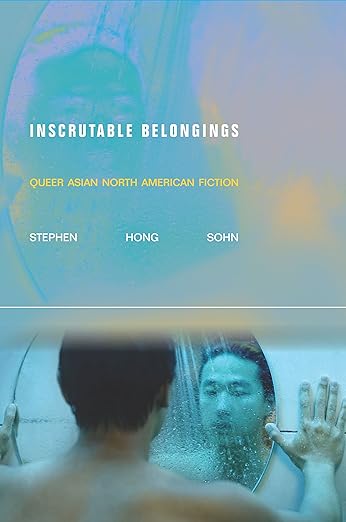
Inscrutable Belongings
Stephen Hong Sohn · Stanford University Press
Affinity signal
Asian American Lit Crit
Queer Literary Criticism

Transpacific Imaginations
Yunte Huang · WW Norton
Affinity signal
Asian American Lit Crit
Chinese Literary Criticism

Sound and Silence
Lianke Yan · Duke University Press
Affinity signal
Chinese Literary Criticism
Chinese Literary Collections
Asian American Literature
Jinqi Ling · Bloomsbury Academic
Affinity signal
Creative Writing
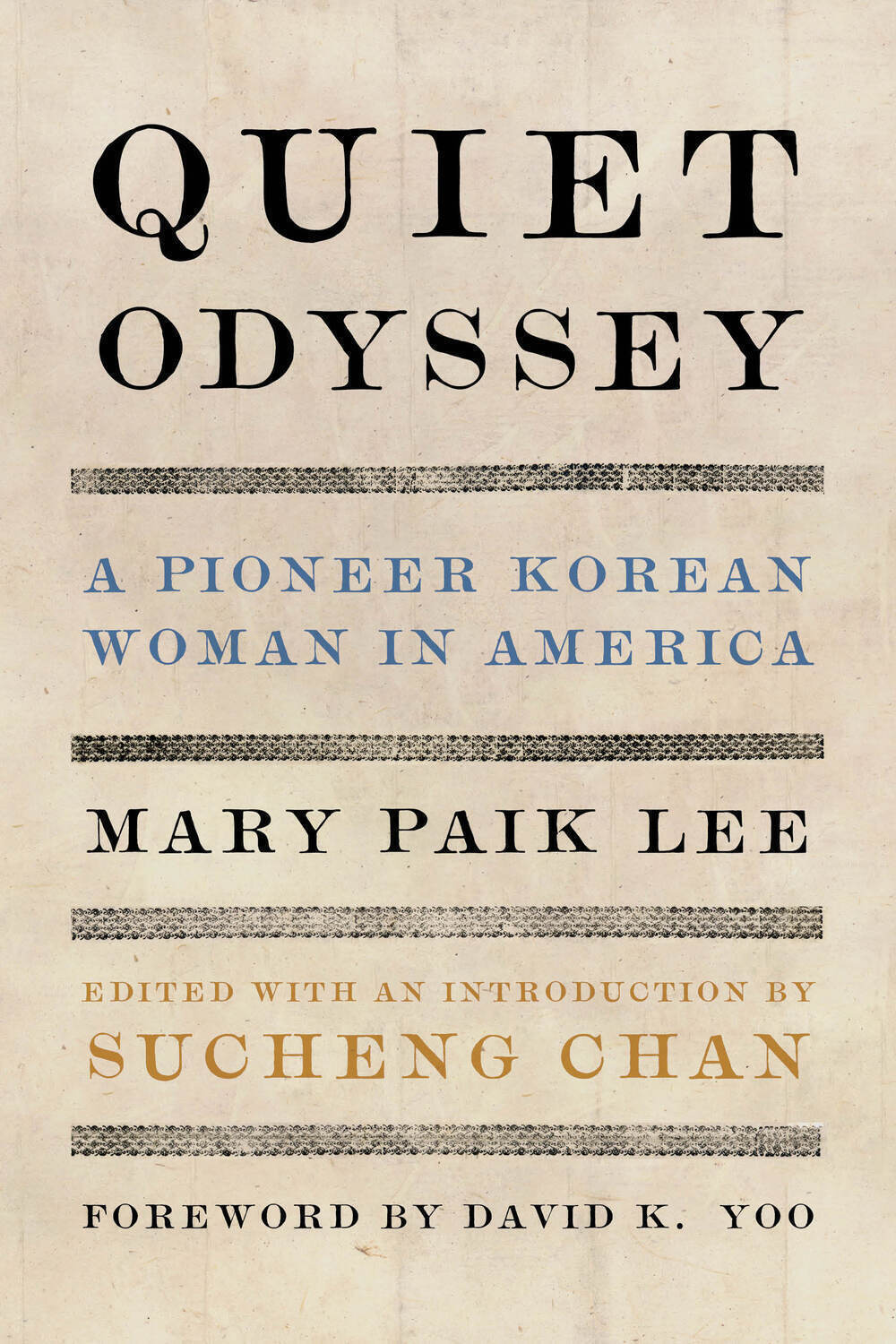
Quiet Odyssey
Mary Paik Lee, Sucheng Chan · University of Washington Press
Affinity signal
Asian & Asian American Lives
Asian American Lit Crit

Inhuman Citizenship
Juliana Chang · University of Minnesota Press
Affinity signal
Asian American Lit Crit
Race & Culture in Literature
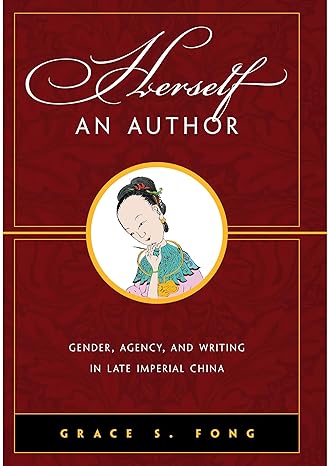
Herself an Author
Grace S. Fong · University of Hawaii Press
Affinity signal
Chinese Literary Criticism
Women Authors Criticism