

Book
Inhuman Citizenship
Traumatic Enjoyment and Asian American Literature
Juliana Chang
University of Minnesota Press · Print & ebook · October 16, 2012
Reading lane: Asian American Lit Crit
In Inhuman Citizenship , Juliana Chang claims that literary representations of Asian American domesticity may be understood as symptoms of America’s relationship to its national fantasies and to the “jouissance”—a Lacanian term signifying a violent yet euphoric shattering of the self—that both overhangs and underlies those fantasies.
At a Glance
Who It's For
Book Details
- Authors
- Juliana Chang
- Publisher
- University of Minnesota Press
- Published
- October 16, 2012
- Format
- Print & ebook
- Theme
- Asian American Lit Crit · Race & Culture in Literature
- Reading lane
- Asian American Lit Crit
Affinity
Publisher Categories
Asian American Lit Crit
Asian American Studies
About This Book
In Inhuman Citizenship , Juliana Chang claims that literary representations of Asian American domesticity may be understood as symptoms of America’s relationship to its national fantasies and to the “jouissance”—a Lacanian term signifying a violent yet euphoric shattering of the self—that both overhangs and underlies those fantasies. In the national imaginary, according to Chang, racial subjects are often perceived as the source of jouissance, which they supposedly embody th...
Read full description
Similar Books

Inscrutable Belongings
Stephen Hong Sohn · Stanford University Press
Affinity signal
Asian American Lit Crit
Queer Literary Criticism

National Abjection
Karen Shimakawa · Duke University Press
Affinity signal
Asian American Lit Crit
Theater History & Criticism
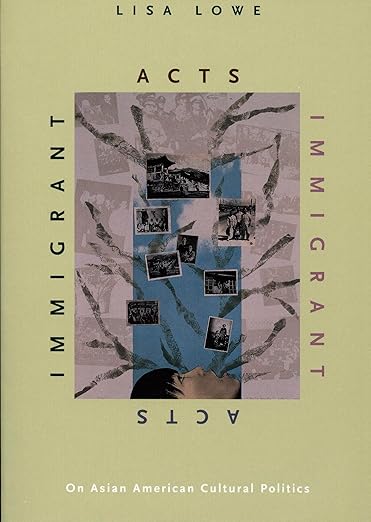
Immigrant Acts
Lisa Lowe · Duke University Press
Affinity signal
Asian American Lit Crit
Race & Culture in Literature

Transpacific Imaginations
Yunte Huang · WW Norton
Affinity signal
Asian American Lit Crit
Chinese Literary Criticism
Asian American Literature
Jinqi Ling · Bloomsbury Academic
Affinity signal
Creative Writing
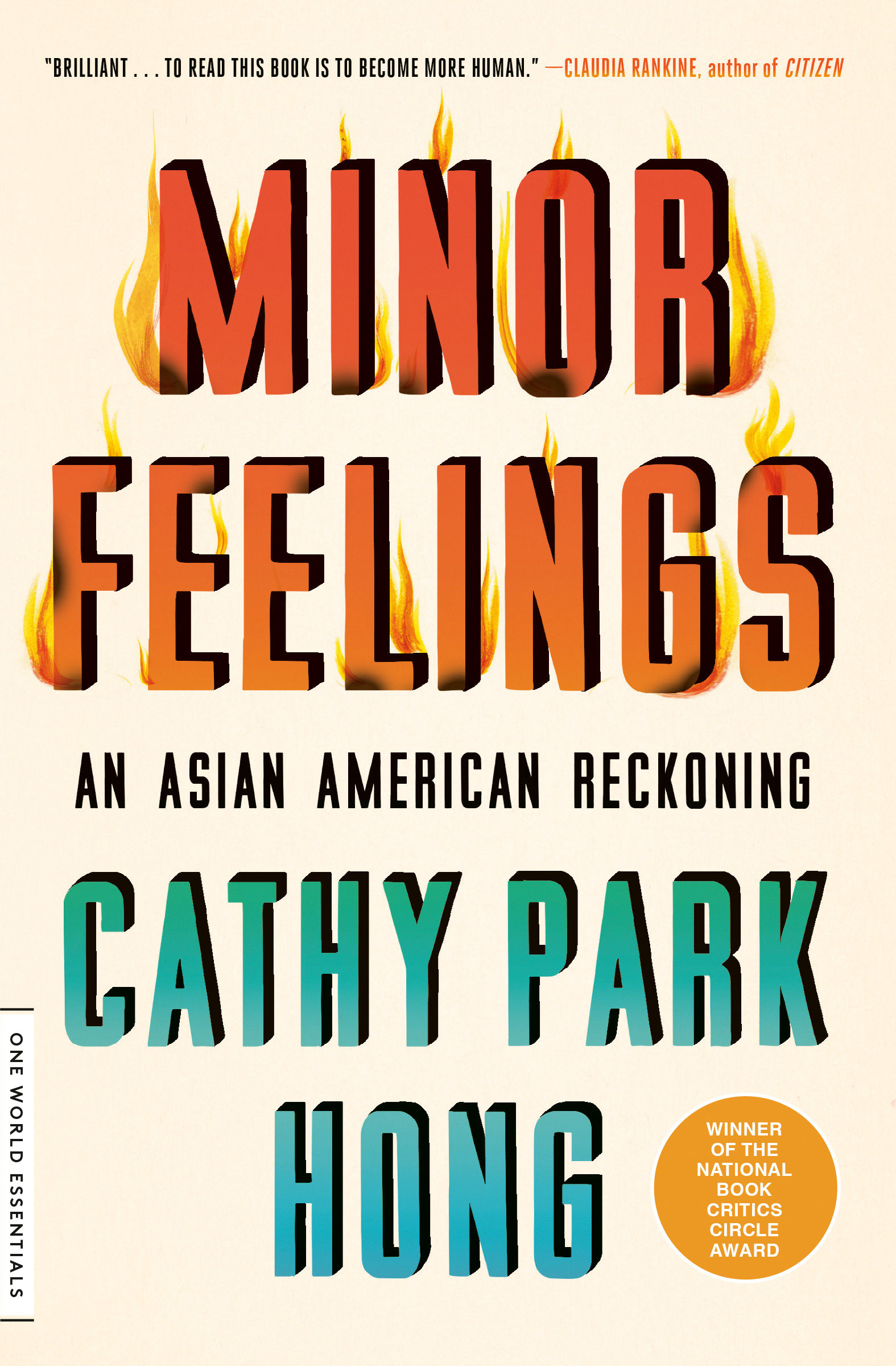
Minor Feelings
Cathy Park Hong · Random House Publishing Group
Affinity signal
Asian & Asian American Lives
Asian American Lit Crit

An Ethics of Betrayal
Crystal Parikh · Fordham University Press
Affinity signal
Asian American Lit Crit
Race & Culture in Literature
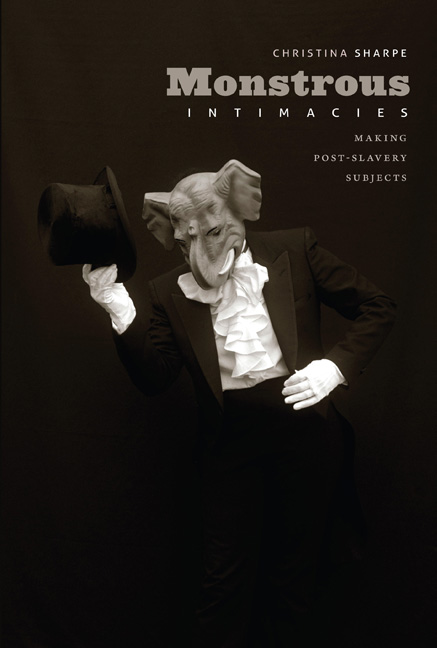
Monstrous Intimacies
Christina Sharpe · Duke University Press
Affinity signal
Black Lit Crit
African Studies