

Book
Transpacific Imaginations
History, Literature, Counterpoetics
Yunte Huang
WW Norton · Print & ebook · March 4, 2008
Reading lane: Asian American Lit Crit
At a Glance
Who It's For
Book Details
- Authors
- Yunte Huang
- Publisher
- WW Norton
- Published
- March 4, 2008
- Format
- Print & ebook
- Theme
- Asian American Lit Crit · Chinese Literary Criticism
- Reading lane
- Asian American Lit Crit
Affinity
Publisher Categories
Asian American Lit Crit
Pop Culture Studies
Asian American Studies
About This Book
Transpacific Imaginations is a study of how American literature is enmeshed with the literatures of Asia. The book begins with Western encounters with the Pacific: Yunte Huang reads Moby Dick as a Pacific work, looks at Henry Adams’s not talking about his travels in Japan and the Pacific basin in his autobiography, and compares Mark Twain to Liang Qichao. Huang then turns to Asian American encounters with the Pacific, concentrating on the "Angel Island" poems and on works by...
Read full description
Similar Books

Translingual Practice
Lydia Liu, Lydia H. Liu · Stanford University Press
Affinity signal
Chinese Literary Criticism
Chinese Literary Collections
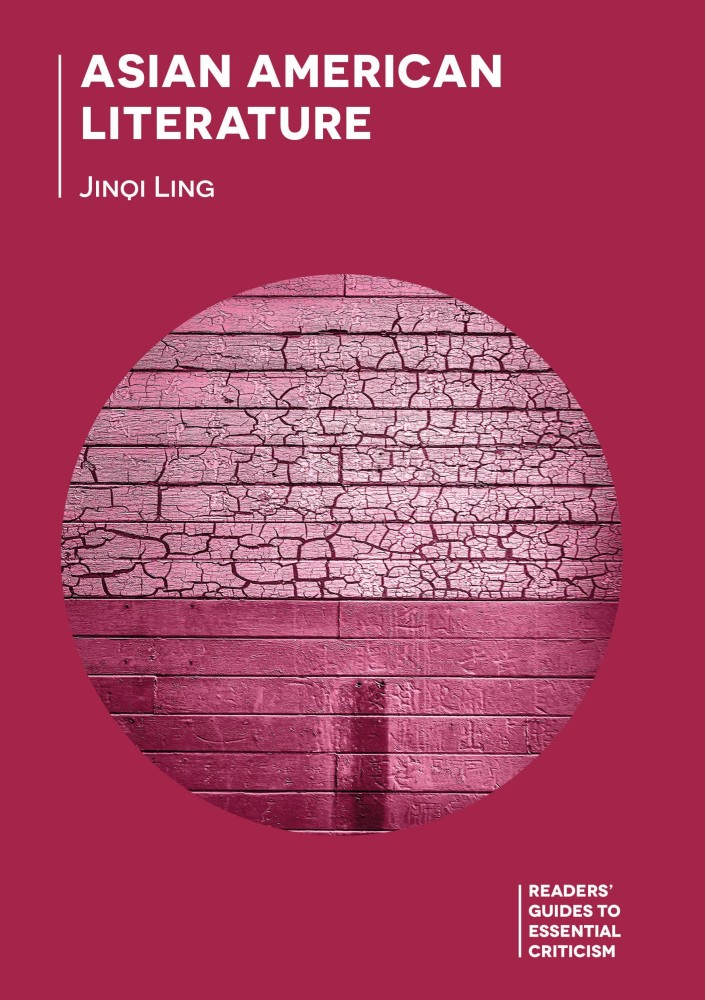
Asian American Literature
Jinqi Ling · Bloomsbury Academic
Affinity signal
Creative Writing
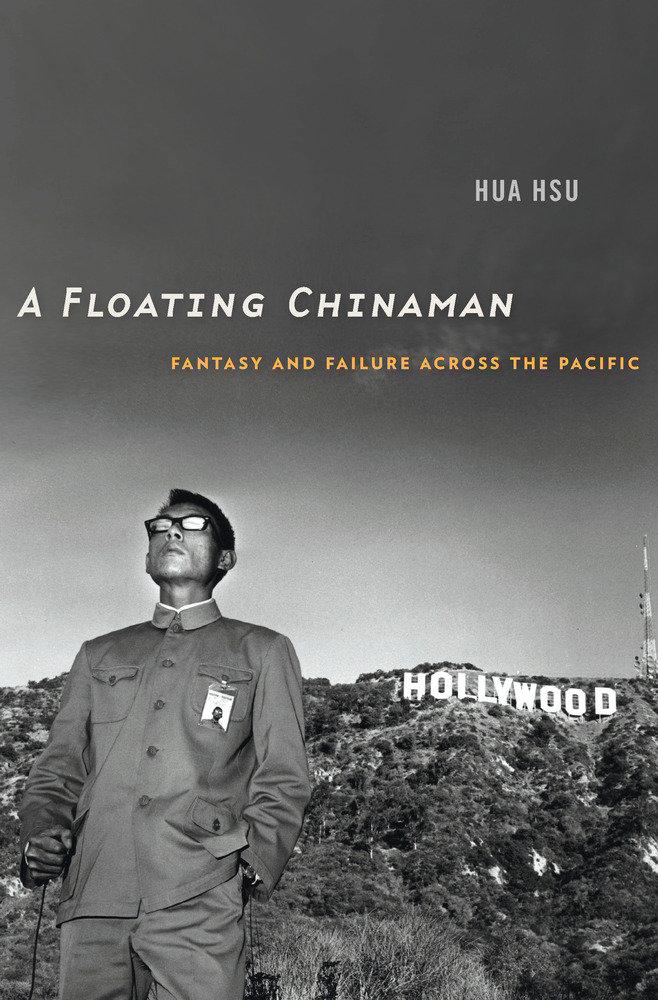
Floating Chinaman
Hua Hsu · WW Norton
Affinity signal
Chinese Literary Collections
Asian American Lit Crit
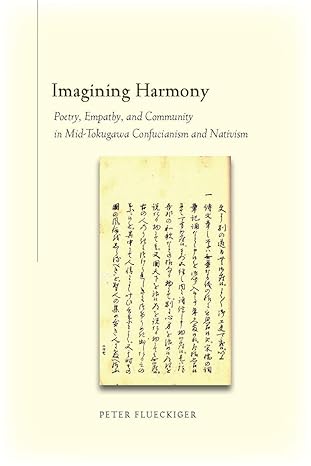
Imagining Harmony
Peter Flueckiger · Stanford University Press
Affinity signal
Japanese Literary Criticism
Japanese Literary Collections
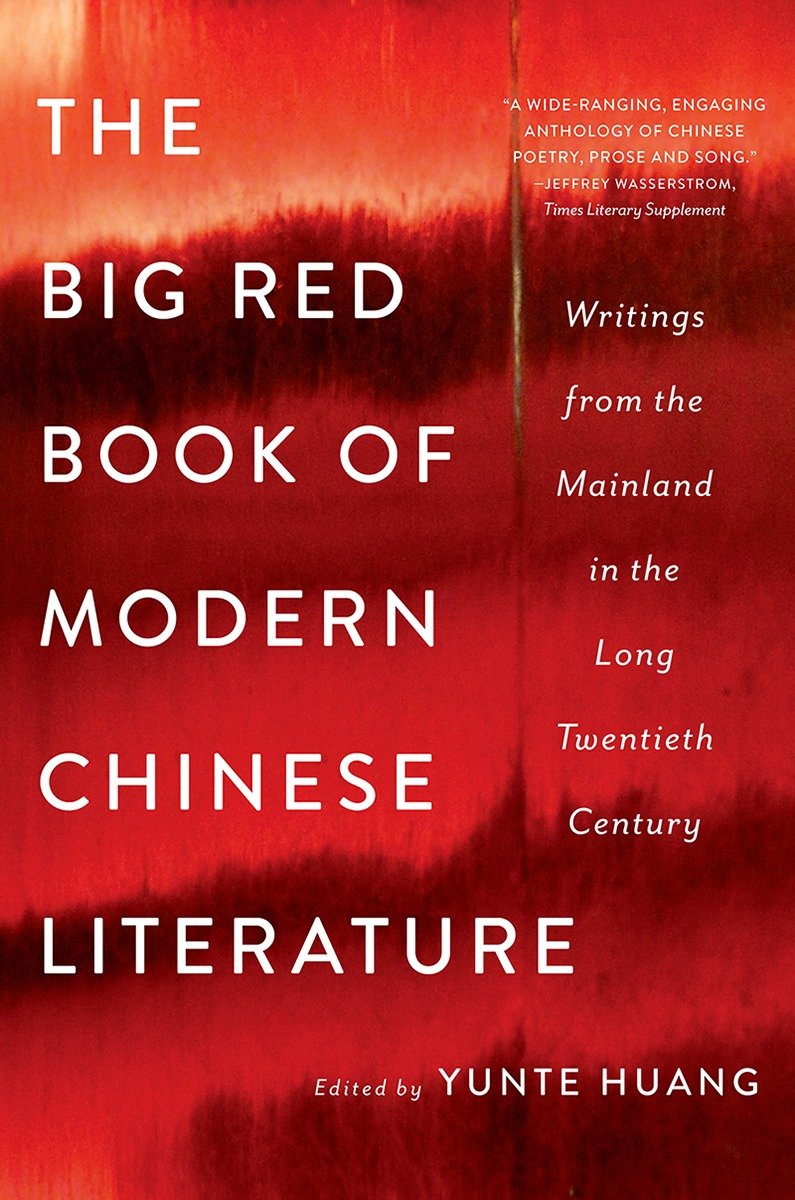
The Big Red Book of Modern Chinese Literature
Yunte Huang · WW Norton
Affinity signal
Chinese Literary Collections
Chinese Literary Criticism
China in a Polycentric World
Yingjin Zhang · Stanford University Press
Affinity signal
Essay Collections
Inscrutable Belongings
Stephen Hong Sohn · Stanford University Press
Affinity signal
Asian American Lit Crit
Queer Literary Criticism
The Rise of Pacific Literature
Matthew Hayward, Maebh Long · Columbia University Press
Affinity signal
Race & Culture in Literature
Australian & Pacific Lit Crit