About This Book
Coming to PBS Masterpiece Classic soon! Gorgeous, profound, delightful, useful, original, this fully illustrated, informative volume combines Jane Austen's Sanditon novel and Janet Todd's ground-breaking essay. “I so enjoyed Janet Todd's beautifully produced book.” Andrew Davies, screenwriter. Sanditon is Jane Austen’s last novel, left unfinished when she died. A comedy, it continues the strain of burlesque and caricature she wrote as a teenager and in private throughout her...
Read full description
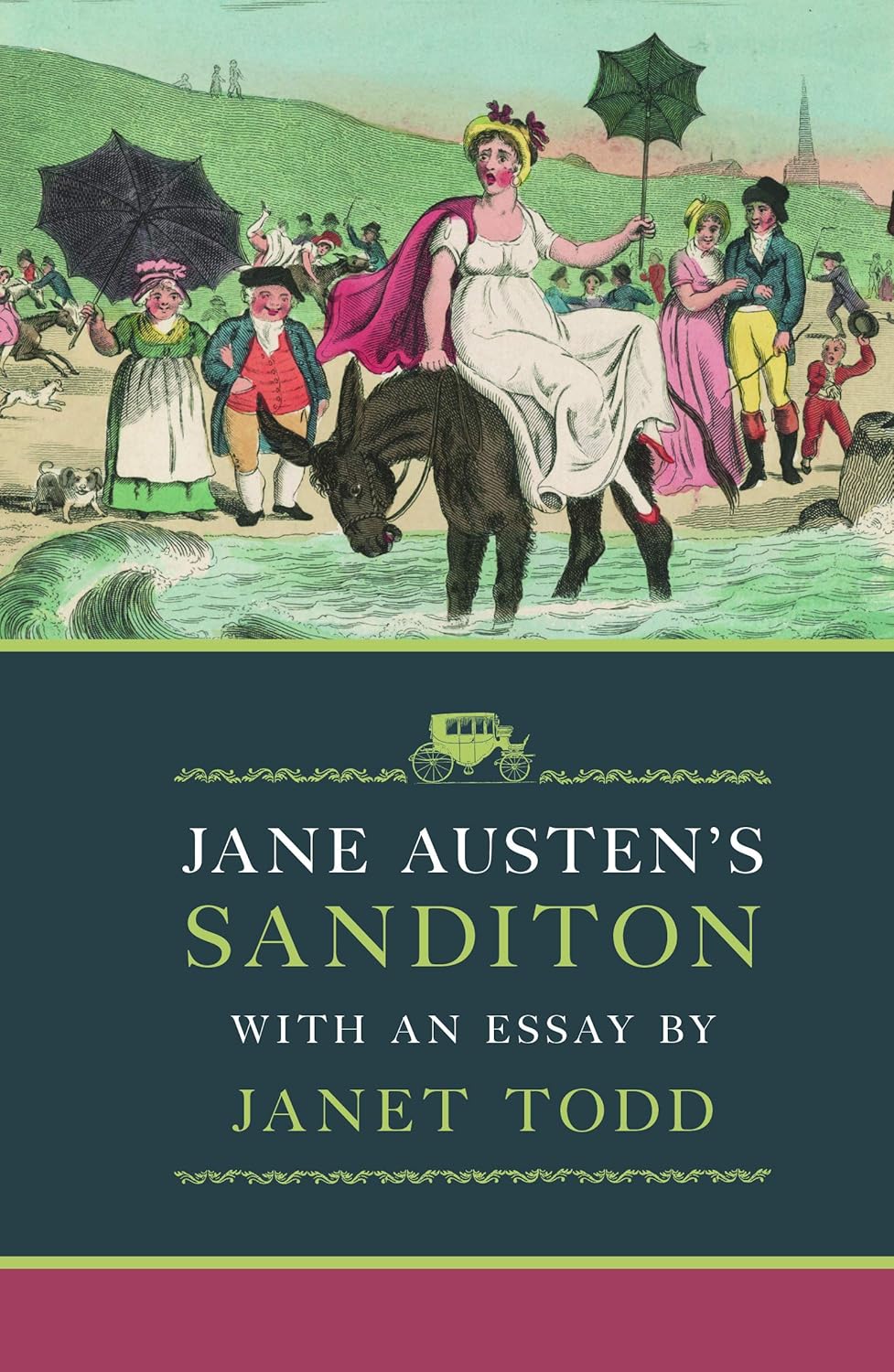
Coming to PBS Masterpiece Classic soon! Gorgeous, profound, delightful, useful, original, this fully illustrated, informative volume combines Jane Austen's Sanditon novel and Janet Todd's ground-breaking essay.
“I so enjoyed Janet Todd's beautifully produced book.” Andrew Davies, screenwriter.
Sanditon is Jane Austen’s last novel, left unfinished when she died. A comedy, it continues the strain of burlesque and caricature she wrote as a teenager and in private throughout her life. This beautifully illustrated volume combines the full novel and Todd’s ground-breaking essay, where she contextualizes Austen’s life and work, Sanditon’s connection with Northanger Abbey (1818) and the Austen family’s speculation in England and the West Indies. She examines the moral and social problems of capitalism, entrepreneurship, and whether wealth trickles down to benefit the place it is made. In explaining the early nineteenth-century culture of self: the exploitation of hypochondria, health fads, seaside resorts, cures, she contends that Sanditon is an innovative, ebullient study of human beings’ vagaries - rather than using common sense, Sanditon’s characters follow intuition and bodily signs believing that desire can be translated into physical facts and speech can transform fantasy into reality. Todd shows Austen’s themes to be akin to contemporary concerns: the mistakes of the self-deluded reveal the inevitable, ridiculous gap between how we think of ourselves and how we appear and sound to others.