
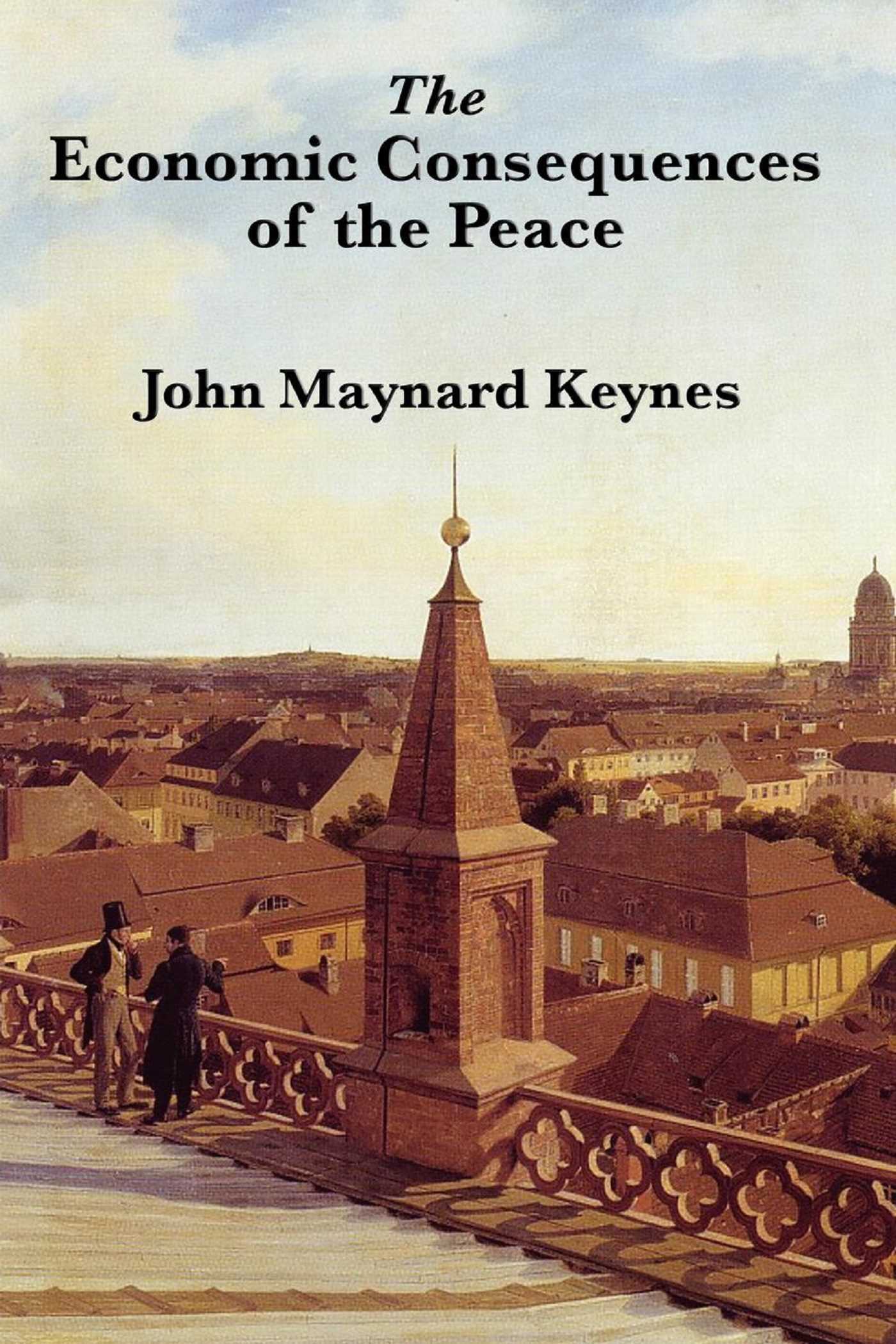
Book
The Economic Consequences of Peace
John Maynard Keynes
Start Publishing LLC · Print & ebook · March 27, 2014
Reading lane: Economic Theory
A Economics pick for readers exploring The Economic Consequences of Peace.
At a Glance
Why This Clicks
Peace, with Consequences
Keynes’s argument over the postwar settlement connects economic ideas to the politics that followed.
Come here for
- A close look at economics shaping public opinion and international affairs
- The roots of Keynes’s later thinking on postwar cooperation
Expect
- A historically grounded argument, not a neutral account of Versailles
- Ideas whose influence reached well beyond the peace conference
Book Details
- Authors
- John Maynard Keynes
- Publisher
- Start Publishing LLC
- Published
- March 27, 2014
- Format
- Print & ebook
- Theme
- Economic Theory · International Economics
- Reading lane
- Economic Theory
Affinity
Publisher Categories
Economic Trends
Economic History
International Economics
Economic Theory
Show all 5 publisher categories
Globalization
About This Book
The Economic Consequences of the Peace was written and published by John Maynard Keynes. After World War I, Keynes attended the Versailles Conference as a delegate of the British Treasury and argued for a much more generous peace. It was a best seller throughout the world and was critical in establishing a general opinion that the Versailles Treaty was a "Carthaginian peace." It helped to consolidate American public opinion against the treaty and involvement in the League of...
Read full description
Similar Books
The General Theory of Employment, Interest, and Money
John Maynard Keynes · HarperCollins
Affinity signal
Economic Theory
Comparative Economics

The War That Ended Peace
Margaret MacMillan · Random House Publishing Group
Affinity signal
World War I History
World War II: European Theater

Negotiating the World Economy
John S. Odell · Cornell University Press
Affinity signal
Trade & Tariffs
International Economics
How Economics Explains the World
Andrew Leigh · HarperCollins
Affinity signal
Economic Theory
Comparative Economics
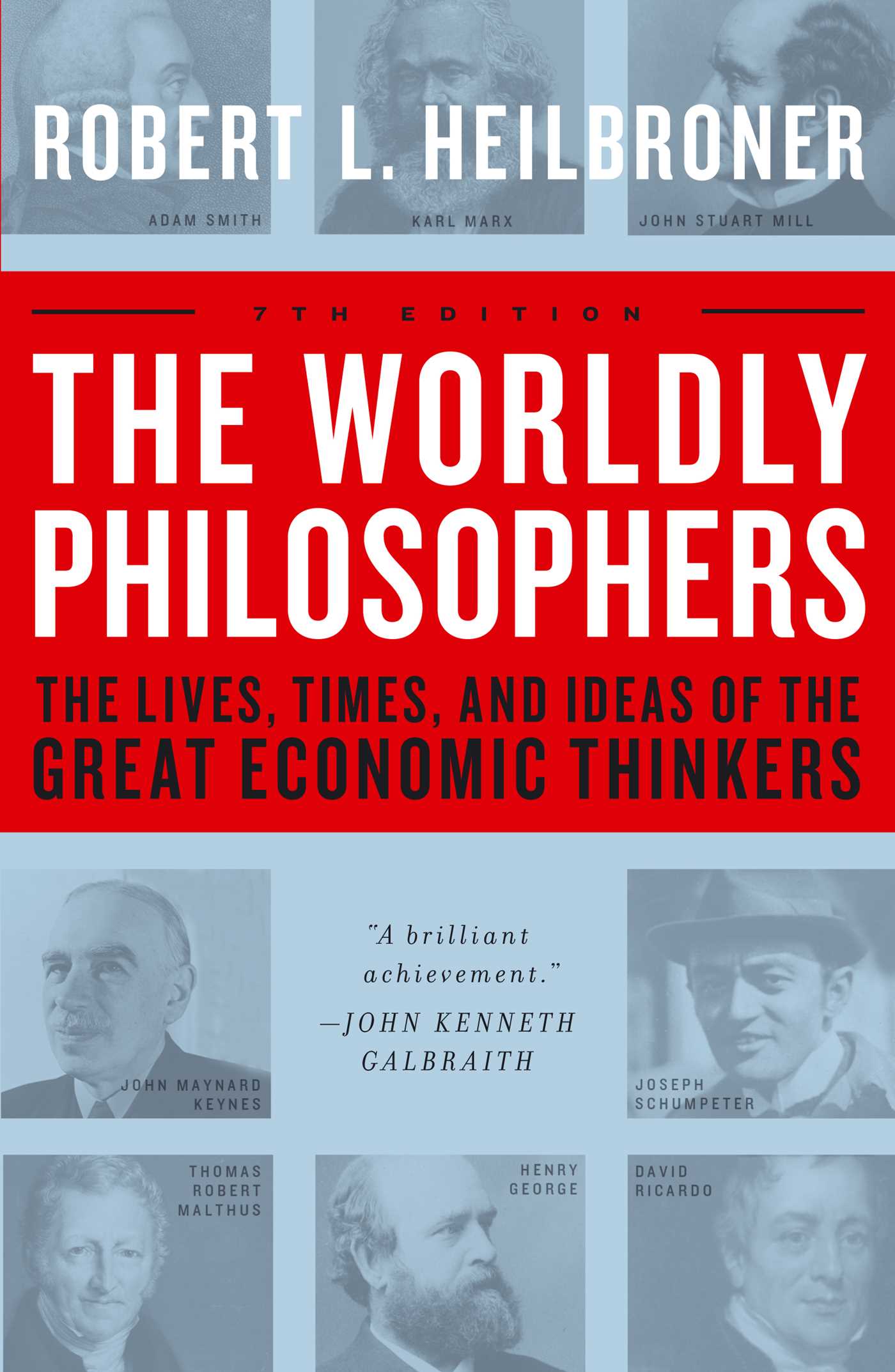
The Worldly Philosophers
Robert L. Heilbroner · Touchstone
Affinity signal
Economic Theory
Comparative Economics

Trade Policy Disaster
Douglas A. Irwin · MIT Press
Affinity signal
Trade & Tariffs
International Economics

The Deluge
Adam Tooze · Penguin Publishing Group
Affinity signal
World War I History
World War II: European Theater

The Economic Consequences of Mr Trump
Philip Coggan · Profile Books
Affinity signal
Trade & Tariffs
International Economics