
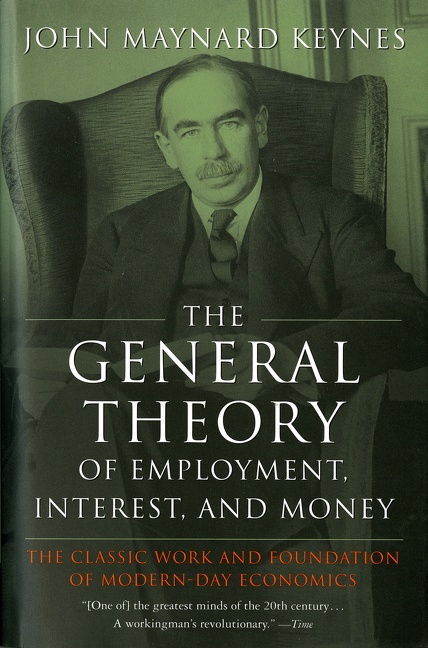
Book
The General Theory of Employment, Interest, and Money
John Maynard Keynes
HarperCollins · Paperback · May 12, 1965
Reading lane: Economic Theory
One of Time's 100 Most Important People of the Twentieth Century, John Maynard Keynes revolutionized economic thinking with The General Theory of Employment, Interest, and Money.Published following the Great Depression, this classic challenged the established classical economics, particularly the proposition that a market economy tends naturally to restore itself to full employment on its own.
At a Glance
Why This Clicks
Markets in Question
A landmark challenge to self-correcting markets, still entangled in arguments about employment and public spending.
Come here for
- The case against markets reliably restoring full employment on their own
- A foundational argument in economic theory
Expect
- Economic arguments that remain contested long after the Great Depression
Book Details
- Authors
- John Maynard Keynes
- Publisher
- HarperCollins
- Published
- May 12, 1965
- Format
- Paperback
- Theme
- Economic Theory · Comparative Economics
- Reading lane
- Economic Theory
Affinity
Publisher Categories
Macroeconomics
Money & Monetary Policy
Economic Theory
About This Book
One of Time's 100 Most Important People of the Twentieth Century, John Maynard Keynes revolutionized economic thinking with The General Theory of Employment, Interest, and Money.Published following the Great Depression, this classic challenged the established classical economics, particularly the proposition that a market economy tends naturally to restore itself to full employment on its own. More relevant than ever in the twenty-first century, the principles of the "Keynes...
Read full description
Similar Books
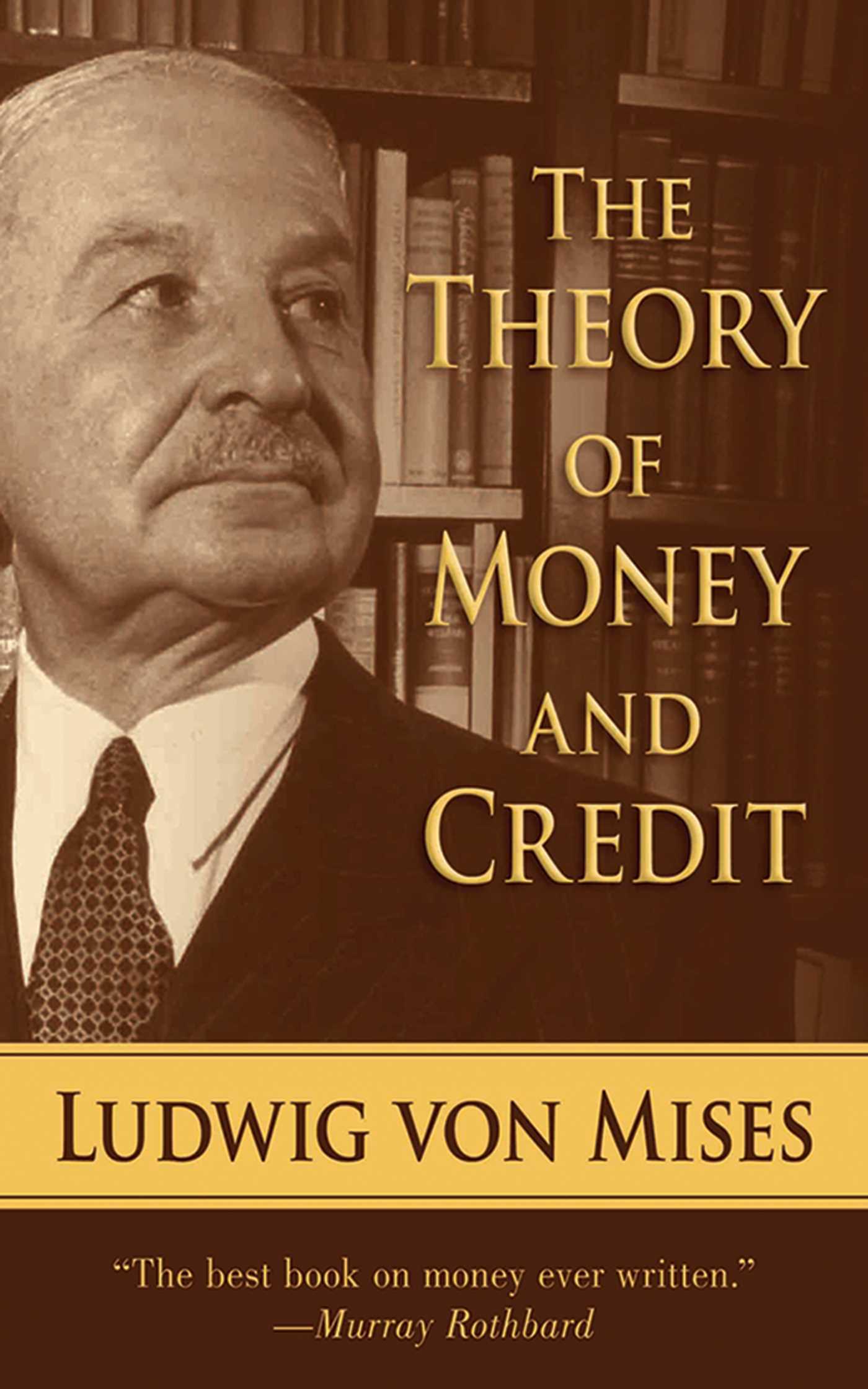
The Theory of Money and Credit
Ludwig von Mises · Skyhorse
Affinity signal
Economic Theory
Comparative Economics

Life After Capitalism
George Gilder · Skyhorse Publishing
Affinity signal
Capitalism & Markets
Economic Theory
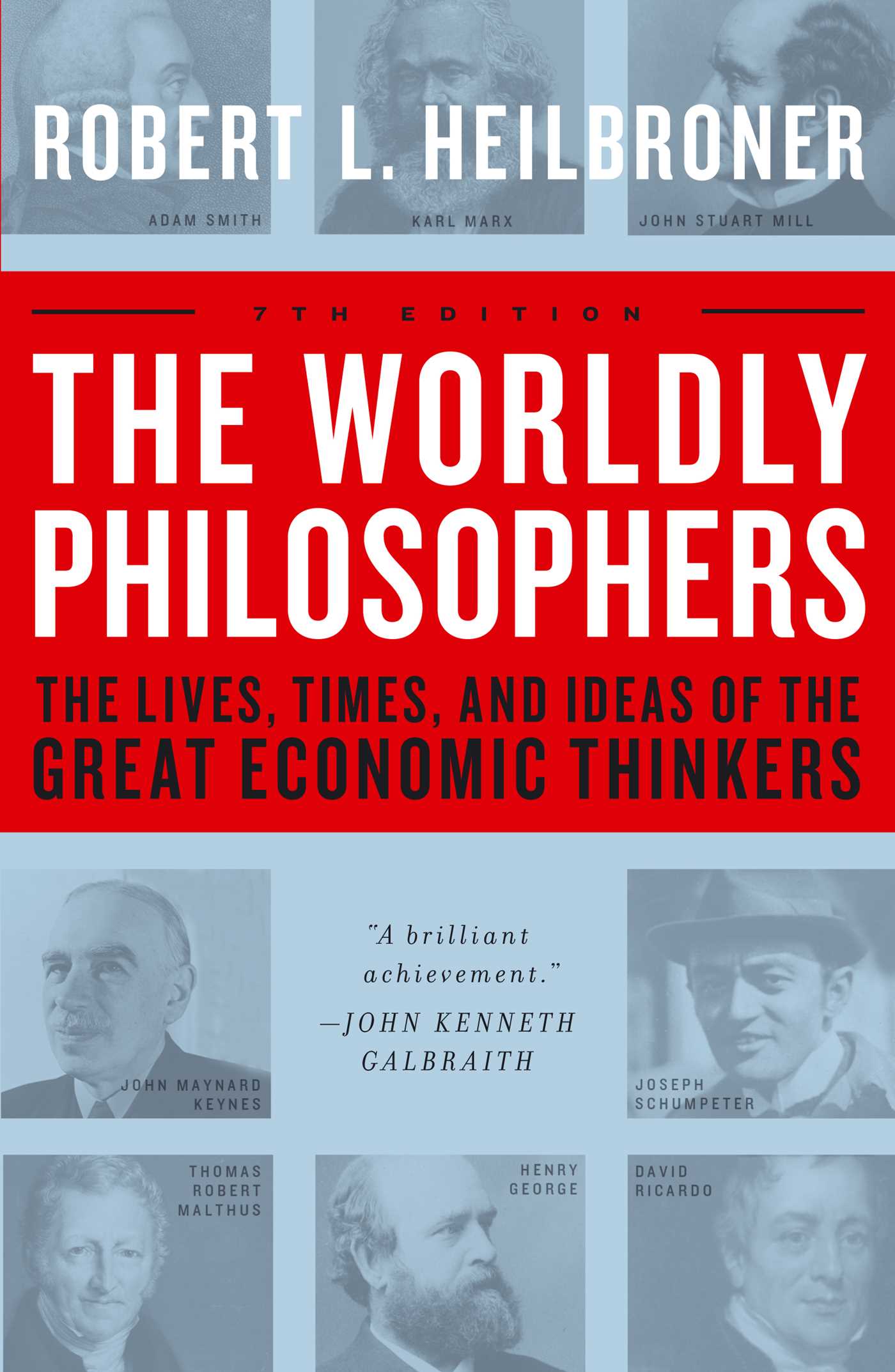
The Worldly Philosophers
Robert L. Heilbroner · Touchstone
Affinity signal
Economic Theory
Comparative Economics

The Economic Consequences of Peace
John Maynard Keynes · Start Publishing LLC
Affinity signal
Economic Theory
International Economics
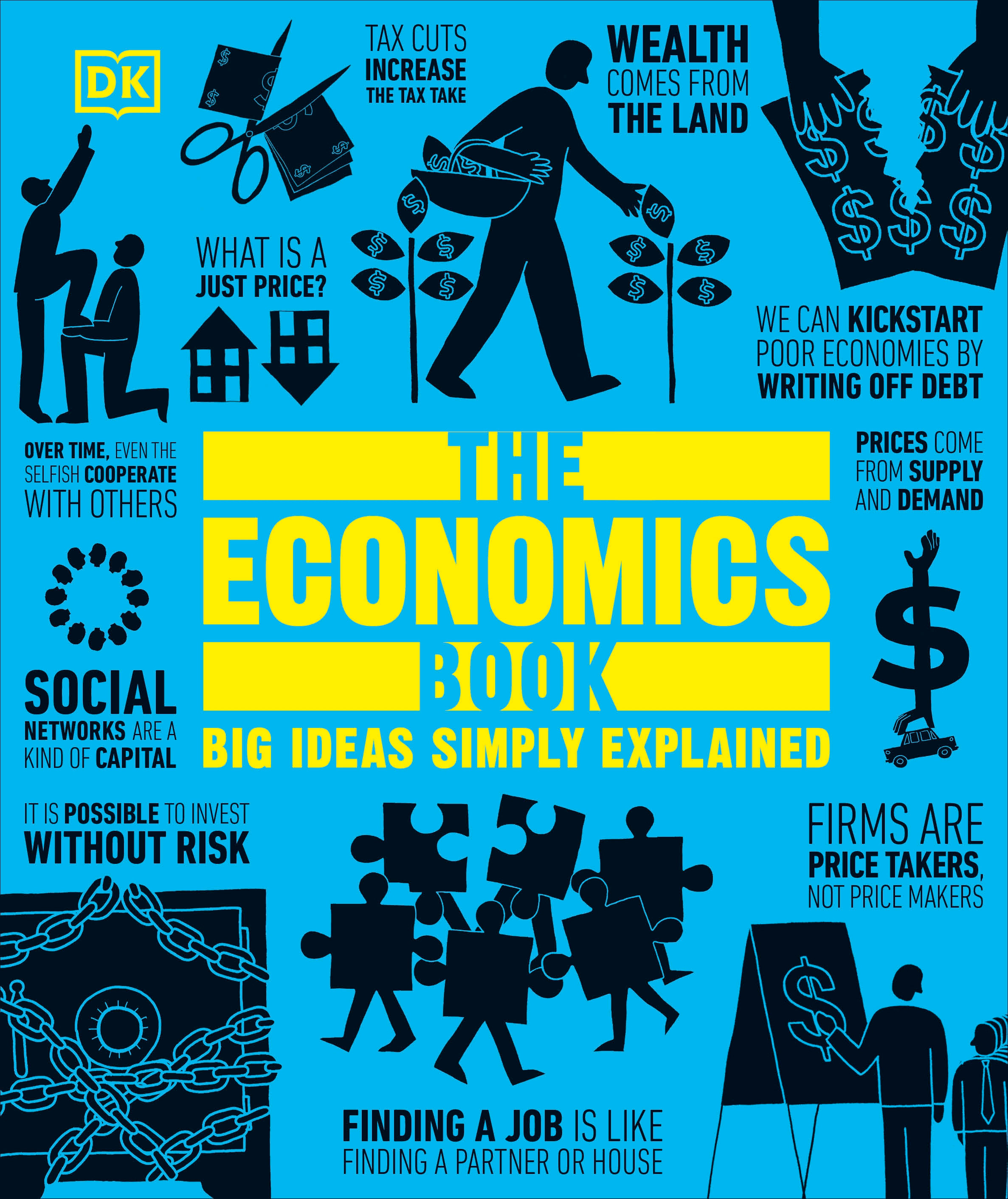
The Economics Book
DK, Niall Kishtainy · DK
Affinity signal
Economic Theory
Comparative Economics

Basic Economics
Thomas Sowell · Basic Books
Affinity signal
Economic Theory
Comparative Economics
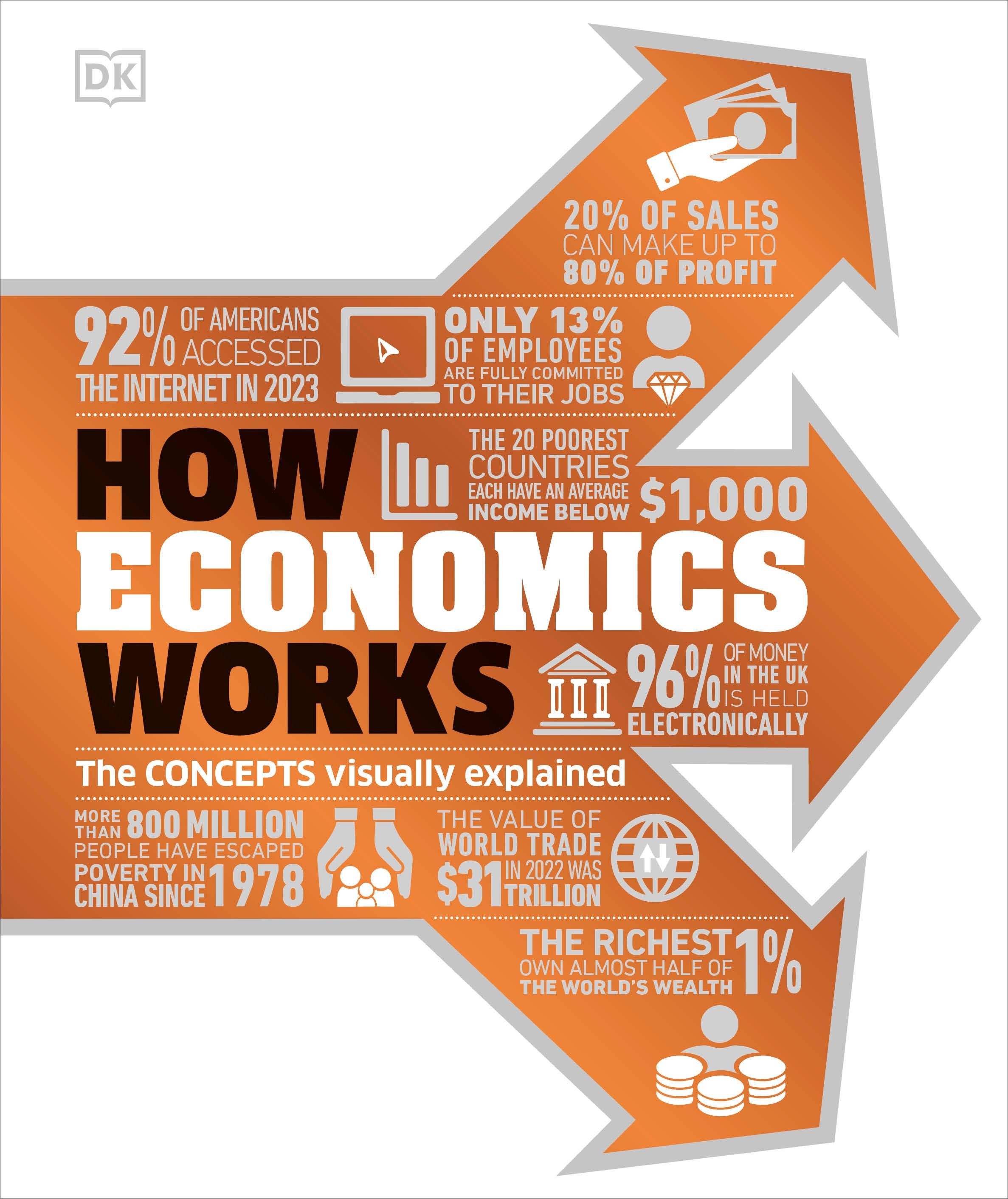
How Economics Works
DK, D.K. Publishing · DK
Affinity signal
Comparative Economics
Economic Theory

The Armchair Economist
Steven E. Landsburg · Free Press
Affinity signal
Economic Theory
Comparative Economics