
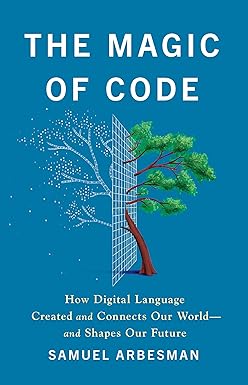
Book
The Magic of Code
How Digital Language Created and Connects Our World—and Shapes Our Future
Samuel Arbesman
PublicAffairs · Print & ebook · June 10, 2025
Reading lane: Human‑Computer Interaction
In the tradition of classics such as The Lives of a Cell , a bold reframing of our relationship with technology that argues code is "a universal force—swirling through disciplines, absorbing ideas, and connecting worlds" (Linda Liukas).
Disclosure: Some outbound links are affiliate links. If you buy through them, we may earn a commission. It doesn't affect which books we include. Learn more in our disclosure policy.
At a Glance
Who It's For
Book Details
- Authors
- Samuel Arbesman
- Publisher
- PublicAffairs
- Published
- June 10, 2025
- Format
- Print & ebook
- Theme
- Human‑Computer Interaction · Tech Industry
- Reading lane
- Human‑Computer Interaction
Affinity
Publisher Categories
Social Impact of Technology
Human‑Computer Interaction
Science & Society
Tech & Society
About This Book
In the tradition of classics such as The Lives of a Cell , a bold reframing of our relationship with technology that argues code is "a universal force—swirling through disciplines, absorbing ideas, and connecting worlds" (Linda Liukas). In the digital world, code is the essential primary building block, the equivalent of the cell or DNA in the biological sphere—and almost as mysterious. Code can create entire worlds, real and virtual; it allows us to connect instantly to peo...
Read full description
Similar Books
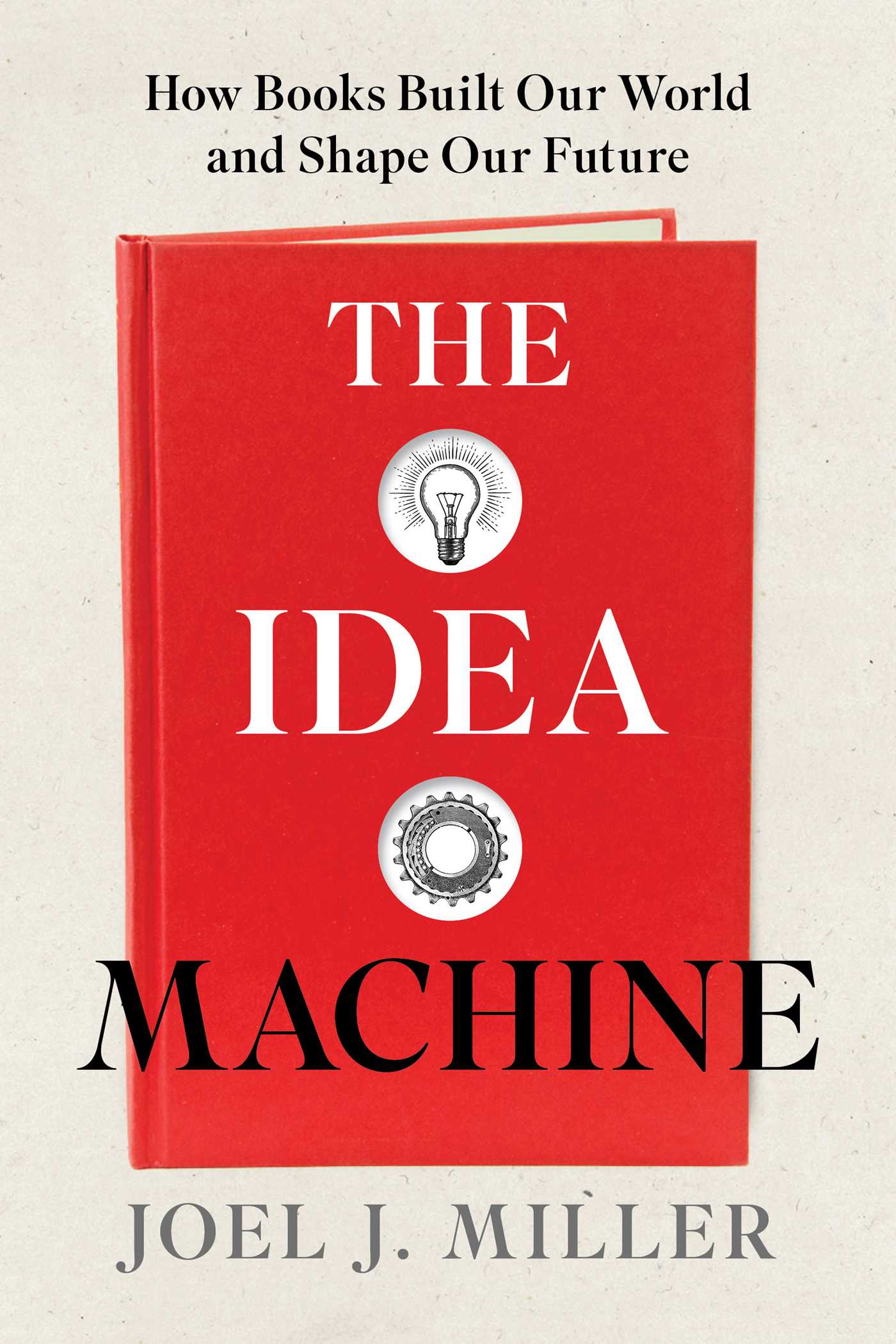
The Idea Machine
Joel J. Miller · Globe Pequot Publishing
Shared affinity
Affinity match is still building for this title.

AI 2041
Kai-Fu Lee, Chen Qiufan · Crown
Shared affinity
Affinity match is still building for this title.
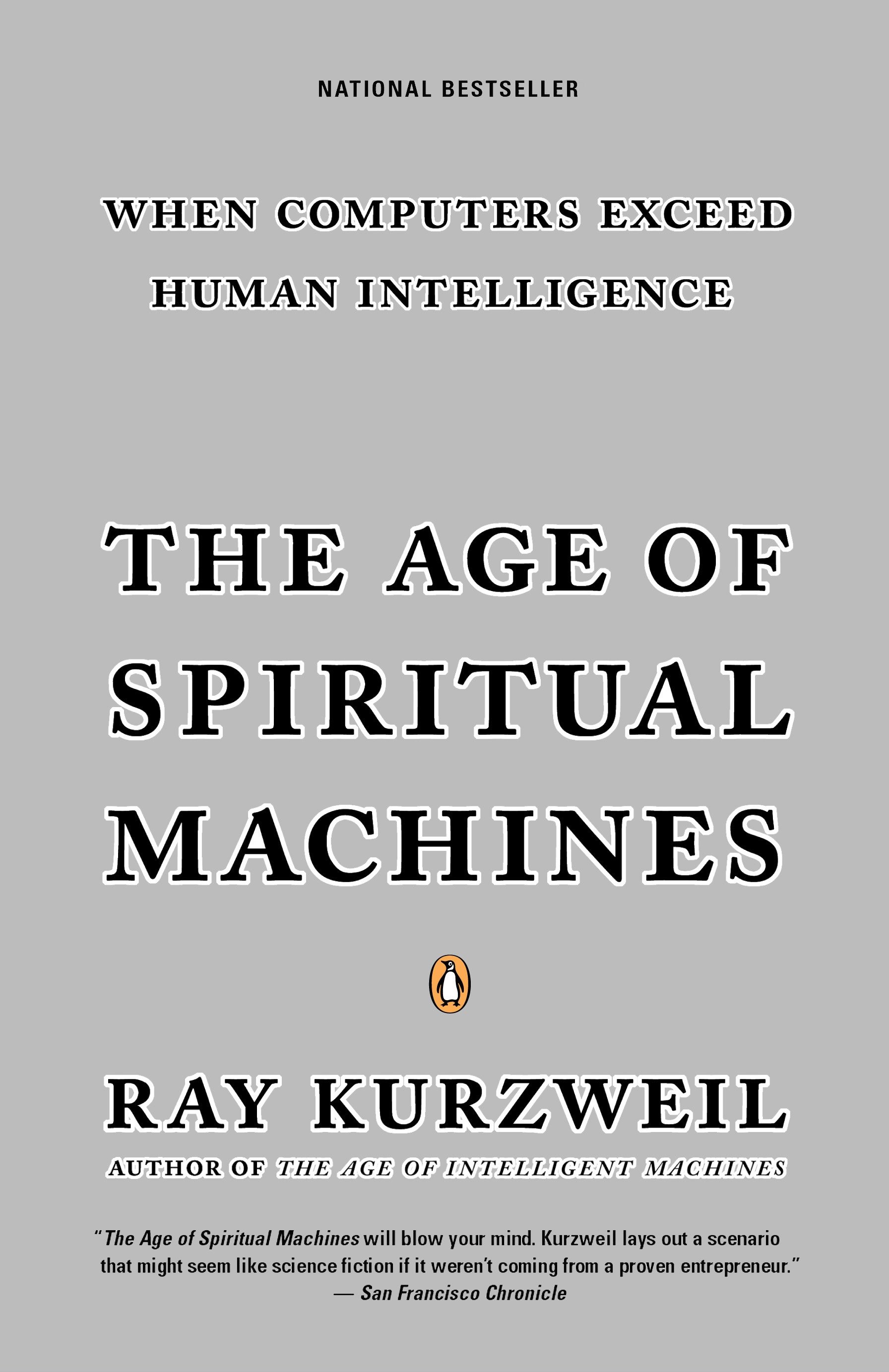
The Age of Spiritual Machines
Ray Kurzweil · Penguin Publishing Group
Shared affinity
Affinity match is still building for this title.