Computer and IT Industries
From a Stanford search project to the OpenAI–DeepMind rivalry, these books trace who actually holds the power in tech.
Optimized for books about computers & information technology.
Every app on your phone has a backstory involving engineers, money and, more often than the legends admit, the federal government. This list goes after that backstory. It runs from Silicon Valley's Pentagon-and-Stanford roots in The Code, through the venture firms that bankroll long shots in The Power Law, and lands in the present, where Supremacy and Empire of AI track the race to build ever more powerful AI and who stands to profit. If you want to understand how Google, OpenAI and the people funding them gained so much leverage over daily life, start here. These are reported, readable histories built on rare access to the people involved.
Our reading of each book:Come here forExpectWhere it sits
In the Plex
by Steven LevyTwo Stanford graduate students built a search engine, and the company that grew from it turned its name into a verb. In the Plex goes inside Google with unusual access to show why it kept winning: an engineering mindset that prized speed, openness, experimentation and risk. Steven Levy covers the stumbles too, from Sergey Brin breaking with colleagues over China to a social networking push that flopped and rocky dealings with EU regulators.
Come here for: Google as an institution, not a brand storyExpect: The company behind the interfaceWhere it sits:Business LivesSearch & SEOTech IndustryAI Superpowers
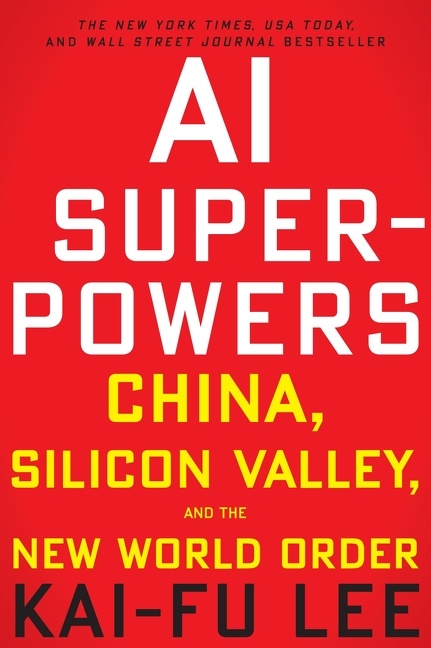
by Kai-Fu LeeWill AI hollow out office jobs as surely as factory ones? Kai-Fu Lee says yes, and sooner than most expect. AI Superpowers argues that China is poised to become the next tech-innovation superpower, then gets concrete about which jobs are at risk, which ones AI can strengthen, and why universal basic income probably isn't the answer. It closes on responsibility, urging both countries to own the power they're building.
Come here for: China/Silicon Valley lens on AI’s shift in powerExpect: Tech industry with economic stakesWhere it sits:AI & Machine LearningScience & Tech PolicyTech IndustrySupremacy
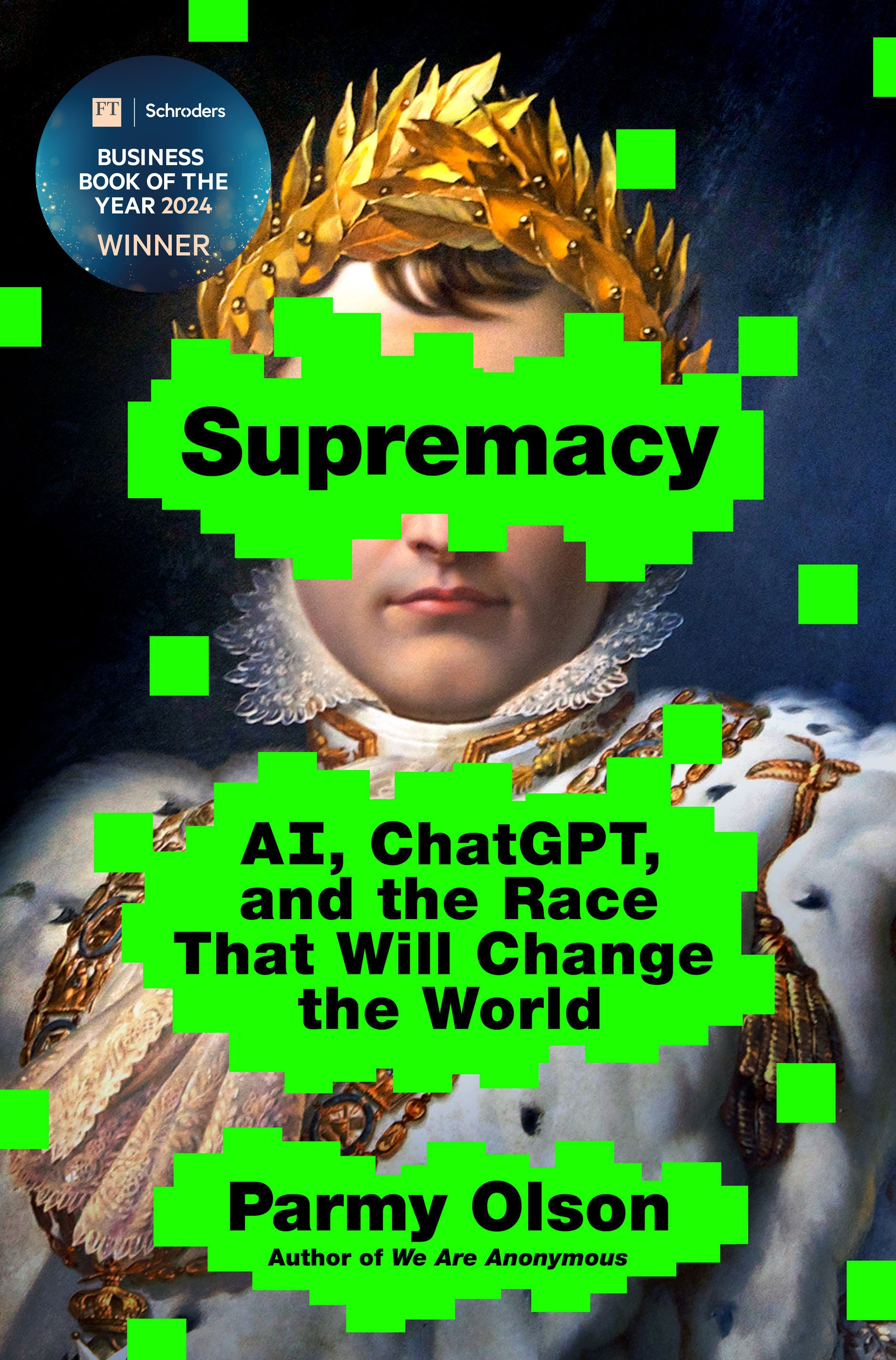
by Parmy OlsonIn November 2022, a webpage with a single text box went live, and nothing was quite the same after. Supremacy rewinds to the rivalry behind it: Sam Altman at OpenAI and Demis Hassabis at DeepMind, two CEOs who built near-religious missions around superintelligent machines, then ended up serving two tech Goliaths. Parmy Olson's sharpest point is the near-term danger, as flawed, biased systems spread into schools, media and industry for profit.
Come here for: AI and ChatGPT in cultural contextExpect: Insightful explanationEmpire of AI
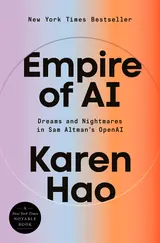
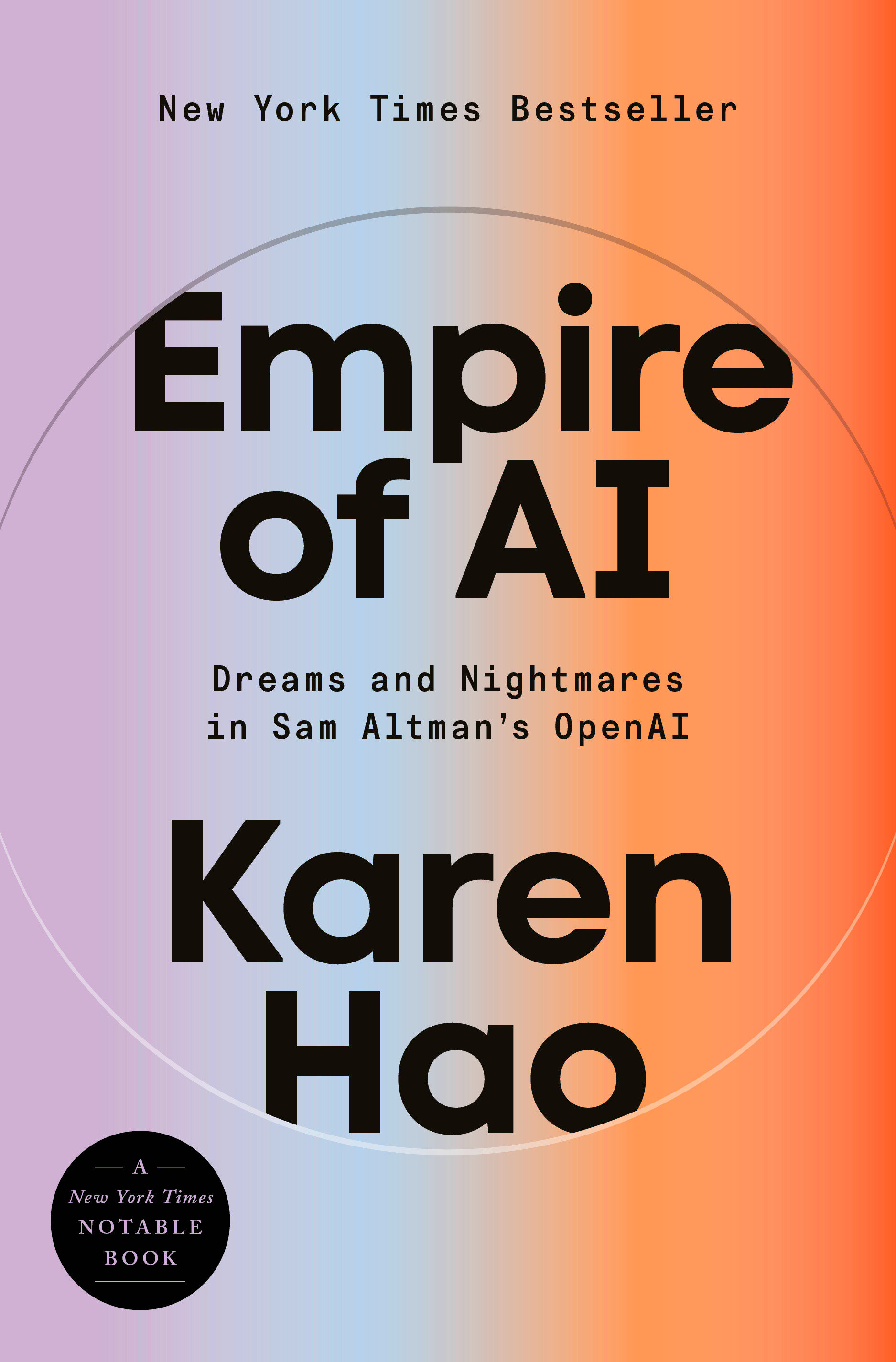
by Karen HaoWhen Karen Hao began covering OpenAI in 2019, she thought it was one of the good guys: a nonprofit with safety as its founding mission, pitched by Sam Altman as a check on purely commercial forces. Empire of AI is the story of how that belief came apart. It is a long, deeply reported investigation into how the company behind ChatGPT came to be, and where its vision of success is taking everyone else.
Come here for: Inside-baseball tech-world textureExpect: Reported detail over abstractionWhere it sits:AI & Machine LearningTech IndustryScience & Tech PolicyThe Power Law
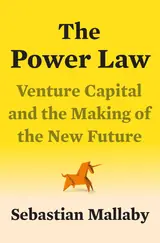
by Sebastian Mallaby"The future cannot be predicted, it can only be discovered," a legendary venture capitalist told Sebastian Mallaby, and The Power Law shows what that means in dollars. Most bets fail; a rare few pay off so enormously they cover everything else. That lopsided math drives Silicon Valley and the wider tech sector, and Mallaby, with deep access to the most celebrated VC firms, shows how their strategies steered the path of innovation.
Come here for: Venture capital as a lens on the new futureExpect: Cultural literacy without the glazeWhere it sits:Venture CapitalTech IndustryStarting a BusinessThe Code
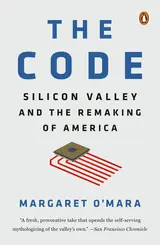
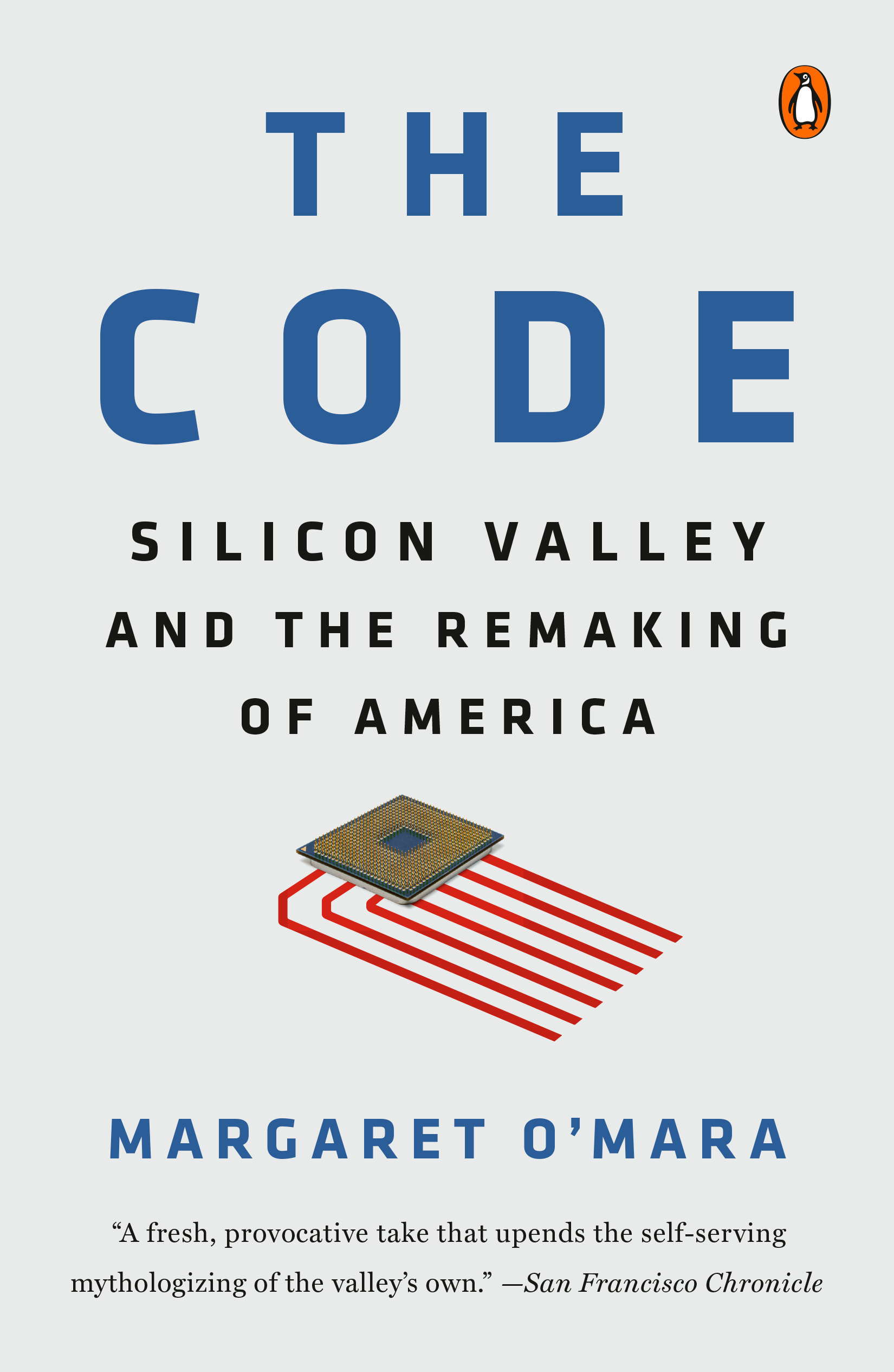
by Margaret O'MaraThe usual Silicon Valley story stars lone visionaries. The Code widens the frame across four generations, from the 1940s to now, putting the Pentagon and Stanford alongside the mavericks. Margaret O'Mara, who worked in the Clinton-Gore White House as the commercial internet took off, follows a community that stayed tight-knit and homogeneous, and whose faith in its own mythology fed both astonishing triumphs and damaging second-order effects.
Come here for: Silicon Valley and American change, told with historical sweepExpect: Insight over jargonWhere it sits:Science & Tech PolicyTech IndustryHistory of Computing


The Nvidia Way
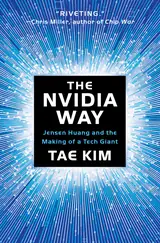
by Tae KimCome here for: Jensen Huang and the tech-world rise storyExpect: Career and ambition anglesWhere it sits:Tech IndustryBusiness LivesAI & Machine LearningAccelerate
by Nicole Forsgren, PhD, Jez HumbleCome here for: Connecting delivery performance with business valueExpect: Research findings alongside an accessible account of the scienceWhere it sits:Software Project ManagementLeadershipTech IndustryConsumption Economics
by Todd Hewlin, J.B. WoodWhere it sits:Tech IndustryWhy People BuyStrategic PlanningThe Economy of Algorithms
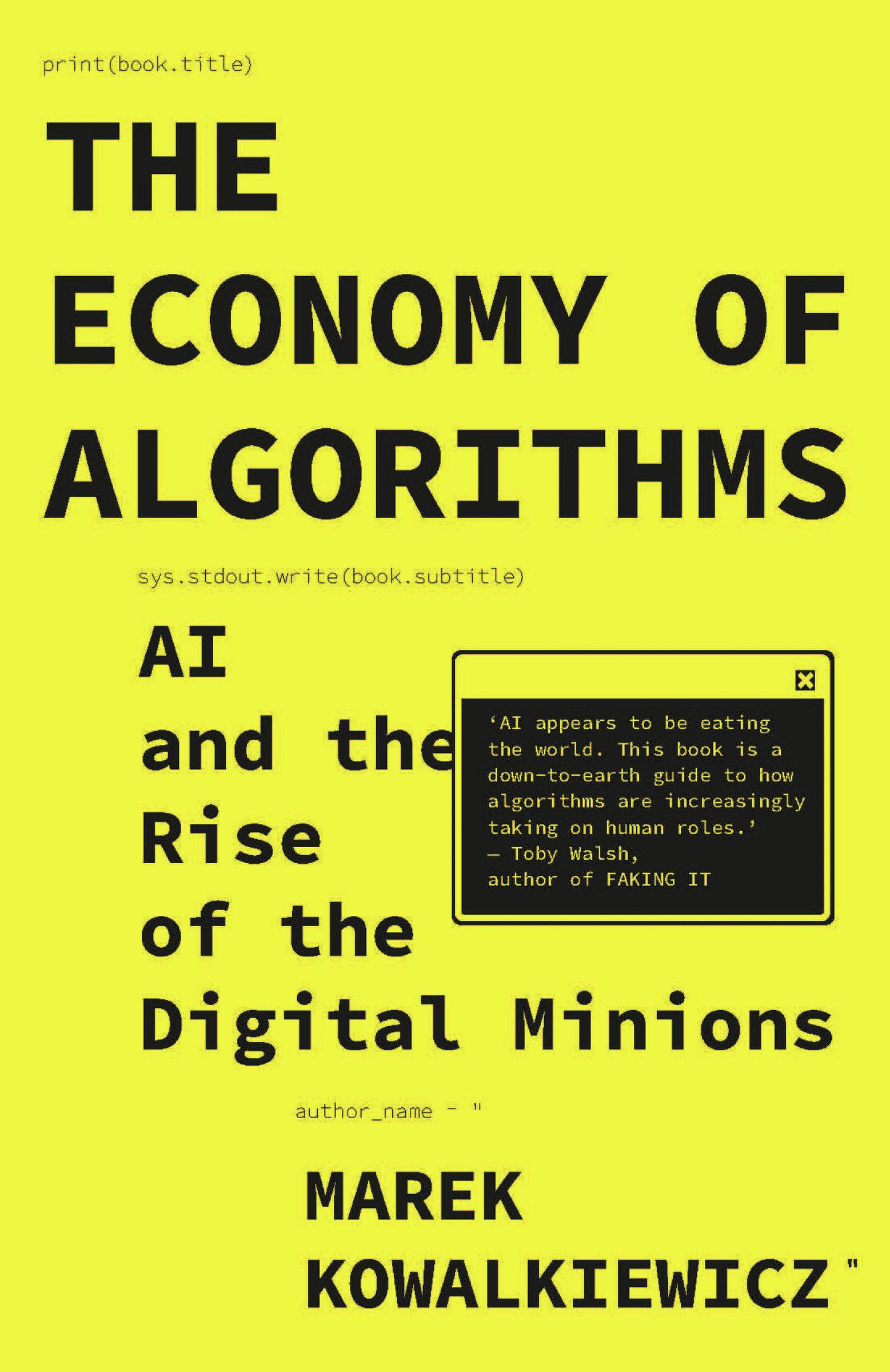
by Marek KowalkiewiczWhere it sits:Tech IndustryEconomicsAI & Machine LearningPlay Nice
by Jason SchreierCome here for: Inside-baseball industry dramaExpect: Rigorous reportingWhere it sits:Corporate HistoriesGamesTech IndustrySuper Pumped
by Mike IsaacCome here for: Uber-era business and cultureExpect: Tech-industry tensionWhere it sits:Venture CapitalTech IndustryBusiness LivesThe AI Economy
by Roger BootleCome here for: AI meets work, wealth, and welfareExpect: Analytical, not speculativeWhere it sits:AI & Machine LearningEconomicsTech IndustrySilicon Empires
by Nick SrnicekCome here for: How corporations and states seek to control AI’s futureExpect: Strategies used by tech giants and great powersWhere it sits:AI & Machine LearningScience & Tech PolicyTech IndustryiWar
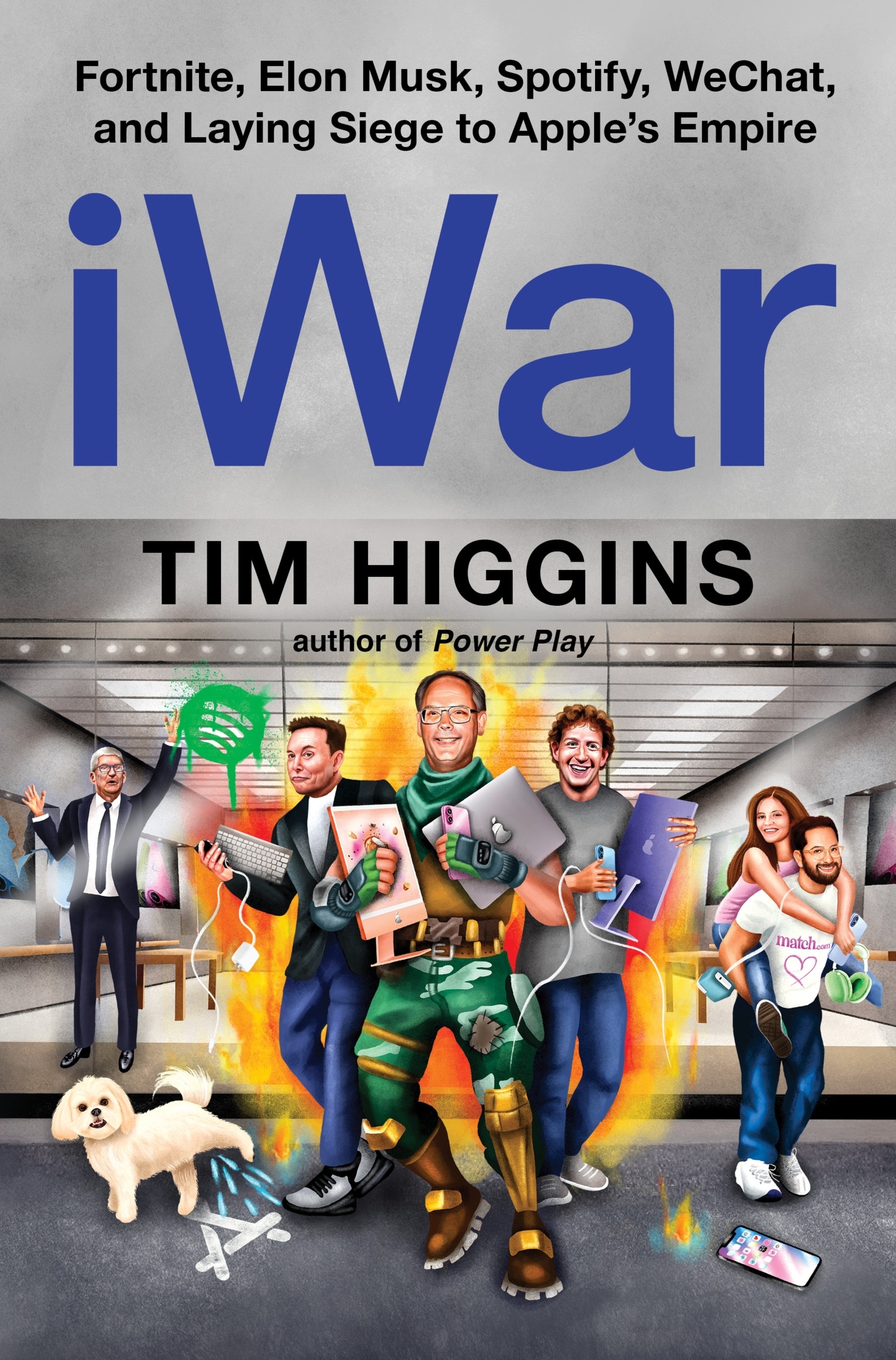
by Tim HigginsCome here for: Apple’s iPhone and app ecosystemExpect: In-depth reporting on Daniel Ek, Tim Sweeney, Mark Zuckerberg, and Elon MuskWhere it sits:Tech IndustryBusiness LivesScience & Tech PolicyThe Accidental CIO
by Scott MillettCome here for: Balancing innovation with operational reliability, security, compliance, and cost controlExpect: Cynefin, agile, lean, and design thinking for different problem contextsWhere it sits:LeadershipTech IndustryStrategic PlanningDot.con
by John CassidyCome here for: Silicon Valley, Wall Street, and the wider culture of the boomExpect: A panoramic sweep from the Cold War Pentagon to American homesWhere it sits:StocksCorporate HistoriesTech IndustryUnblocked
by Alison McCauleyCome here for: How blockchains may shift business power and disrupt established industriesExpect: A focus on competitive disruption and organizational readinessWhere it sits:BlockchainTech IndustryBitcoin & CryptoThe 5G Myth
by William WebbCome here for: A critique of 5G’s promised advances and business caseExpect: A look back at earlier generations of mobile telephonyWhere it sits:TechnologyBroadband & Data TransmissionTech IndustryThe New Geography of Innovation
by Mehran GulCome here for: Technology companies and innovations beyond Silicon ValleyExpect: A focus on the places where technology takes shapeWhere it sits:Tech IndustryGlobalizationInternational EconomicsThe Contrarian
by Max ChafkinCome here for: The uneasy overlap of tech ambition and political powerExpect: A portrait of a mysterious power broker and the industry he helped shapeWhere it sits:Business LivesTech IndustryVenture CapitalPurpose
by Pankaj SetiaCome here for: A neuroscientific lens on technology, life, and organizationsExpect: A discussion of technology’s influence on individuals, organizations, and societiesWhere it sits:Tech & SocietyTech IndustryApple
by David PogueCome here for: The company’s rise, near-collapse, and return under Steve JobsExpect: Full-color photos and new facts correcting the recordWhere it sits:Corporate HistoriesTech IndustryBusiness LivesBlood, Sweat, and Pixels
by Jason SchreierCome here for: Behind-the-scenes accounts of familiar games, from solo work to teams of hundredsExpect: Crunch, burnout, setbacks, and last-minute savesWhere it sits:Entertainment IndustryTech IndustryGame Dev