

Resist, Organize, Build
Feminist and Queer Activism in Britain and the United States During the Long 1980s
Disclosure: Some outbound links are affiliate links. If you buy through them, we may earn a commission. It doesn't affect which books we include. Learn more in our disclosure policy.
What You Get
Categories
Affinity3
LGBTQ+ Books/LGBTQ+ Demographic Studies/Transgender
75%LITERARY CRITICISM / Modern / 18th Century
74%Literary Criticism / Gay & Lesbian
74%
What the publisher says0
No publisher categories available.
About This Book
Juxtaposes feminist and queer activism in Britain and the United States in the face of resurgent conservatism during the 1980s. The 1980s was a period of political and social tumult in Britain and the United States. Facing resurgent conservative forces, feminist and queer activists organized in ways that not only resisted conservative hegemony but also helped to forge new communities, communications, and futures. Resist, Organize, Build casts new light on grassroots campaign...
Read full description
Similar Books

Queer Enlightenments
Shared affinity
LGBTQ+ Books/LGBTQ+ Demographic Studies/Transgender
Literary Criticism / Gay & Lesbian

In a Queer Time and Place
Shared affinity
LGBTQ+ Books/LGBTQ+ Demographic Studies/Transgender
Literary Criticism / Gay & Lesbian

If Memory Serves
Shared affinity
LGBTQ+ Books/LGBTQ+ Demographic Studies/Transgender
Literary Criticism / Gay & Lesbian

The Transformative Potential of LGBTQ+ Children's Picture Books
Shared affinity
LGBTQ+ Books/LGBTQ+ Demographic Studies/Transgender
Literary Criticism / Gay & Lesbian

A Woman Like That
Shared affinity
LGBTQ+ Books/LGBTQ+ Demographic Studies/Transgender
Literary Criticism / Gay & Lesbian
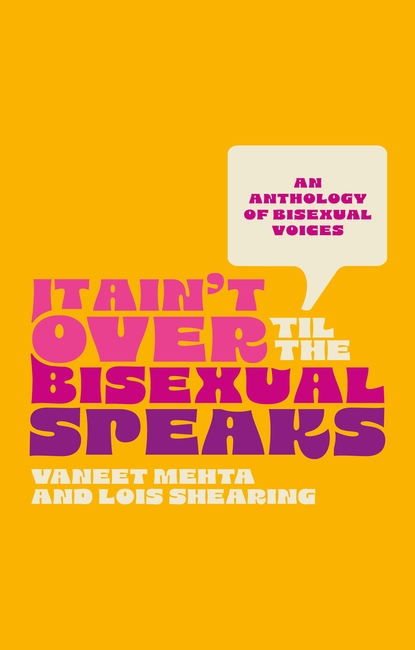
It Ain't Over Til the Bisexual Speaks
Shared affinity
LGBTQ+ Books/LGBTQ+ Demographic Studies/Transgender
Literary Criticism / Gay & Lesbian

Perverts
Shared affinity
LGBTQ+ Books/LGBTQ+ Demographic Studies/Transgender
Literary Criticism / Gay & Lesbian