
If Memory Serves
Gay Men, AIDS, and the Promise of the Queer Past
University of Minnesota Press · Print & ebook · November 22, 2011
The AIDS epidemic soured the memory of the sexual revolution and gay liberation of the 1970s, and prominent politicians, commentators, and academics instructed gay men to forget the sexual cultures of the 1970s in order to ensure a healthy future.
We earn from qualifying purchases.
- Who it’s for
- Castiglia and Reed examine how gay memory shaped queer culture after the onset of AIDS.
- Genres
- Gay Studies, LGBTQ+ History, Queer Literary Criticism
- Published
- University of Minnesota Press, November 22, 2011
Nearest books
Matched by what the books are about, then ordered by what their readers also loved. Most of these share its genre: Gay Studies.
 Queer StudiesBrett Beemyn, Michele Eliason59% match
 Eminent OutlawsChristopher Bram62% matchAlso shares LGBTQ+ History and Queer Literary Criticism
 Positive ImagesDion Kagan, Angela Smith70% matchAlso shares Queer Literary Criticism
 Reframing BodiesRoger Hallas70% match
 The EpidemicJonathan Engel66% match
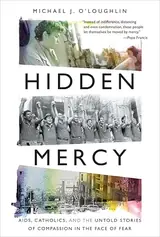 Hidden MercyMichael J. O'Loughlin66% matchAlso shares LGBTQ+ History
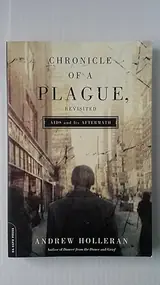 Chronicle of a Plague, RevisitedAndrew Holleran64% matchAlso shares LGBTQ+ History
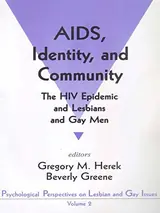 AIDS, Identity, and CommunityGregory M Herek, Beverly A. Greene64% match
For younger readers: The Fight of Our Lives: AIDS in America, Like a Love Story, The New Queer Conscience
Start with three books, and this one can be the first.
Members get a new edition every morning: a route out from their books to essays, research and talks, with the reason for each.
Join the waitlistAbout this book
The AIDS epidemic soured the memory of the sexual revolution and gay liberation of the 1970s, and prominent politicians, commentators, and academics instructed gay men to forget the sexual cultures of the 1970s in order to ensure a healthy future. But without memory there can be no future, argue Christopher Castiglia and Christopher Reed in this exploration of the struggle over gay memory that marked the decades following the onset of AIDS.
Continue reading
Challenging many of the assumptions behind first-wave queer theory, If Memory Serves offers a new perspective on the emergence of contemporary queer culture from the suppression and repression of gay memory. Drawing on a rich archive of videos, films, television shows, novels, monuments, paintings, and sculptures created in the wake of the epidemic, the authors reveal a resistance among critics to valuing—even recognizing—the inscription of gay memory in art, literature, popular culture, and the built environment. Castiglia and Reed explore such topics as the unacknowledged ways in which the popular sitcom Will and Grace circulated gay subcultural references to awaken a desire for belonging among young viewers; the post-traumatic (un)rememberings of queer theory; and the generation of “ideality politics” in the art of Félix González-Torres, the film Chuck & Buck, and the independent video Video Remains. Inspired by Alasdair MacIntyre’s insight that “the possession of a historical identity and the possession of a social identity coincide,” Castiglia and Reed demonstrate that memory is crafted in response to inadequacies in the present—and therefore a constructive relation to the past is essential to the imagining of a new future.
Gay Memory After AIDS
Castiglia and Reed examine how gay memory shaped queer culture after the onset of AIDS.
Come here for
- Gay memory after AIDS
- Art, television, film, and literature as sites of remembrance
Expect
- Readings of Will and Grace, queer theory, and Félix González-Torres’s art
- Attention to films, videos, novels, monuments, paintings, and sculpture
Where it sits
| Queer Literary Criticism | 47% |
|---|---|
| Gay Studies | 40% |
| LGBTQ+ History | 32% |
Percentages are BookFrontier’s reading of the book.
Publisher categories
- HIV & AIDS
- Gay Studies
- Authors
- Christopher Castiglia, Christopher Reed
- Publisher
- University of Minnesota Press
- Published
- November 22, 2011
- Format
- Print & ebook
- Reading lane
- HIV & AIDS