
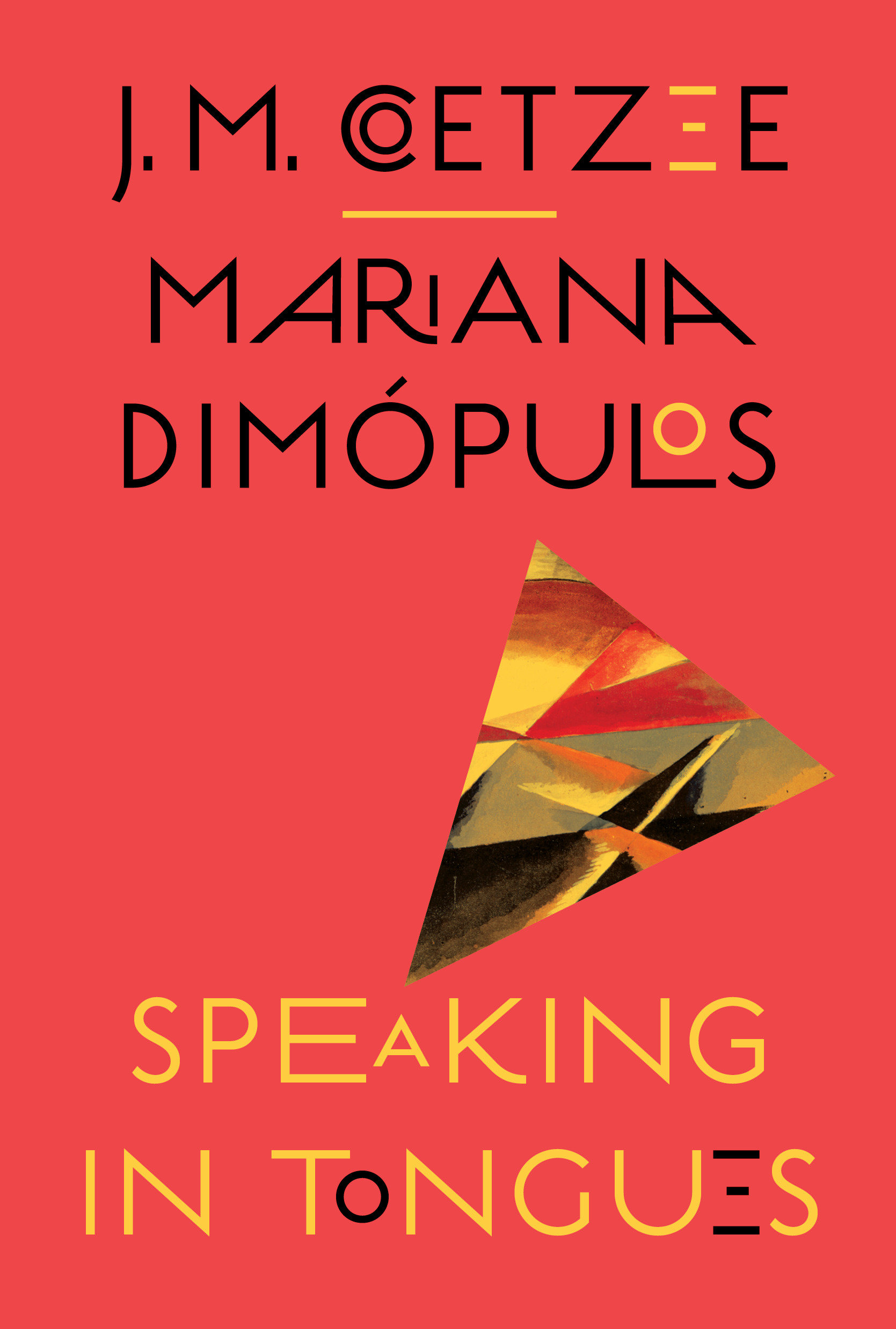
Book
Speaking in Tongues
J. M. Coetzee, Mariana Dimópulos
WW Norton · Hardcover · May 6, 2025
Reading lane: Sociolinguistics
Language, historically speaking, has always been slippery.
At a Glance
Why This Clicks
Language in Question
A lively dialogue weighs what language can express, distort, and carry across borders.
Come here for
- Questions about translation, linguistic power, and loving an acquired language
- A thoughtful meeting of language and philosophy
Expect
- An accessible dialogue between a novelist and a translator
- Nuance over easy answers about words and meaning
Book Details
- Authors
- J. M. Coetzee, Mariana Dimópulos
- Publisher
- WW Norton
- Published
- May 6, 2025
- Format
- Hardcover
- Theme
- Sociolinguistics · Historical Linguistics
- Reading lane
- Sociolinguistics
Affinity
Publisher Categories
Linguistics
Sociolinguistics
Philosophy of Language
About This Book
Language, historically speaking, has always been slippery. Two dictionaries provide two different maps of the universe: which one is true, or are both false? Speaking in Tongues —taking the form of a dialogue between Nobel laureate novelist J. M. Coetzee and eminent translator Mariana Dimópulos—examines some of the most pressing linguistic issues that plague writers and translators well into the twenty-first century. The authors address questions that we must answer in order...
Read full description
Similar Books

Linguaphile
Julie Sedivy · Picador
Affinity signal
Sociolinguistics
Psycholinguistics

Language
Daniel L. Everett · Knopf Doubleday Publishing Group
Affinity signal
Historical Linguistics
Sociolinguistics
The Prodigal Tongue
Lynne Murphy · Penguin Publishing Group
Affinity signal
Sociolinguistics
Historical Linguistics

The Power of Language
Viorica Marian · Penguin Publishing Group
Affinity signal
Sociolinguistics
Psycholinguistics
The Mother Tongue
Bill Bryson · HarperCollins
Affinity signal
Historical Linguistics
Sociolinguistics

Exophony
Yoko Tawada · New Directions Publishing
Affinity signal
21st Century Literature
Asian American Poetry

Linguistics and Philosophy
Etienne Gilson · University of Notre Dame Press
Affinity signal
Pragmatics
Sociolinguistics

Do You Speak American?
Robert MacNeil, William Cran · HarperCollins
Affinity signal
Sociolinguistics
Historical Linguistics