
Book
The Legacy of Christopher Columbus in the Americas
New Nations and a Transatlantic Discourse of Empire
Elise Bartosik-Velez
Vanderbilt University Press · Print & ebook · June 30, 2014
Reading lane: Literary Criticism / Caribbean & Latin American
Why is the capital of the United States named in part after Christopher Columbus, a Genoese explorer commissioned by Spain who never set foot on what would become the nation's mainland?
Disclosure: Some outbound links are affiliate links. If you buy through them, we may earn a commission. It doesn't affect which books we include. Learn more in our disclosure policy.
At a Glance
Who It's For
Book Details
- Authors
- Elise Bartosik-Velez
- Publisher
- Vanderbilt University Press
- Published
- June 30, 2014
- Format
- Print & ebook
- Theme
- Literary Criticism / Caribbean & Latin American · SOCIAL SCIENCE / Cultural & Ethnic Studies / Caribbean & Latin American Studies
- Reading lane
- Literary Criticism / Caribbean & Latin American
Affinity
Publisher Categories
U.S. History
Literary Criticism / Caribbean & Latin American
About This Book
Why is the capital of the United States named in part after Christopher Columbus, a Genoese explorer commissioned by Spain who never set foot on what would become the nation's mainland? Why did Spanish American nationalists in 1819 name a new independent republic "Colombia," after Columbus, the first representative of the empire from which they had recently broken free? These are only two of the introductory questions explored in The Legacy of Christopher Columbus in the Ame...
Read full description
Similar Books

The Caribbean Novel Since 1945
Michael Niblett · University Press of Mississippi
Shared affinity
Affinity match is still building for this title.

Beyond Cuban Waters
Paul Ryer · Vanderbilt University Press
Shared affinity
16th‑Century History
Dance Between Two Cultures
William Luis · Vanderbilt University Press
Shared affinity
Affinity match is still building for this title.
Mavericks on the Border
J. Douglas Canfield · University Press of Kentucky
Shared affinity
16th‑Century History
Apostles of Empire
Bronwen McShea · Nebraska
Shared affinity
Affinity match is still building for this title.
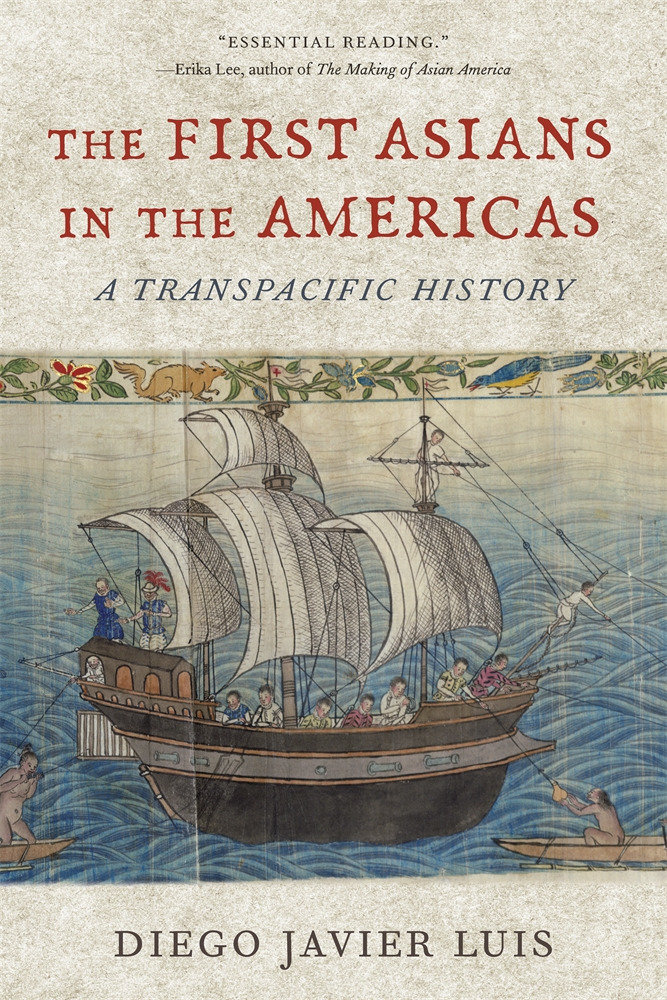
First Asians in the Americas
Diego Javier Luis · WW Norton
Shared affinity
Affinity match is still building for this title.