
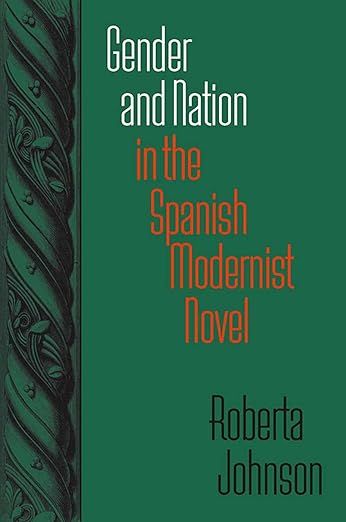
Book
Gender and Nation in the Spanish Modernist Novel
Roberta Johnson
Vanderbilt University Press · Hardcover · December 12, 2003
Reading lane: Iberian Lit Crit
Offering a fresh, revisionist analysis of Spanish fiction from 1900 to 1940, this study examines the work of both men and women writers and how they practiced differing forms of modernism.
At a Glance
Who It's For
Book Details
- Authors
- Roberta Johnson
- Publisher
- Vanderbilt University Press
- Published
- December 12, 2003
- Format
- Hardcover
- Theme
- Iberian Lit Crit · Caribbean & Latin American Criticism
- Reading lane
- Iberian Lit Crit
Affinity
Publisher Categories
Iberian Lit Crit
About This Book
Offering a fresh, revisionist analysis of Spanish fiction from 1900 to 1940, this study examines the work of both men and women writers and how they practiced differing forms of modernism. As Roberta Johnson notes, Spanish male novelists emphasized technical and verbal innovation in representing the contents of an individual consciousness and thus were more modernist in the usual understanding of the term. Female writers, on the other hand, were less aesthetically innovative...
Read full description
Similar Books

Spanish and Empire
Nelsy Echavez-Solano, Kenya C Dworkin Y Mendez · Vanderbilt University Press
Affinity signal
Iberian Lit Crit
Caribbean & Latin American Criticism

Tilting Cervantes
Bruce R. Burningham · Vanderbilt University Press
Affinity signal
Iberian Lit Crit
Caribbean & Latin American Criticism

Baroque Sovereignty
Anna More · University of Pennsylvania Press, Inc.
Affinity signal
Iberian Lit Crit
Caribbean & Latin American Criticism

Ruin and Restitution
Philip W. Silver · Vanderbilt University Press
Affinity signal
Iberian Lit Crit
Caribbean & Latin American Criticism
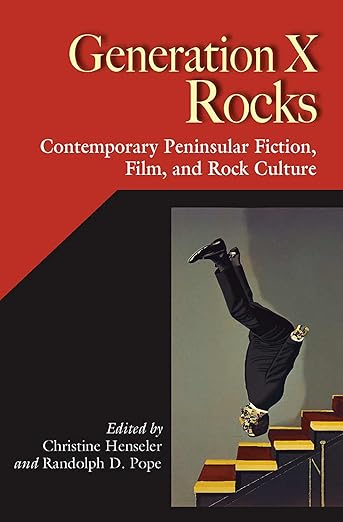
Generation X Rocks
Christine Henseler, Randolph D. Pope · Vanderbilt University Press
Affinity signal
Iberian Lit Crit
Caribbean & Latin American Criticism

The Twentieth-century Spanish American Novel
Raymond Leslie Williams, Raymond L. Williams · University of Texas Press
Affinity signal
Caribbean & Latin American Criticism
Iberian Lit Crit

Politics, Gender, and the Mexican Novel, 1968-1988
Cynthia Steele · University of Texas Press
Affinity signal
Caribbean & Latin American Criticism
Hispanic American Lit Crit
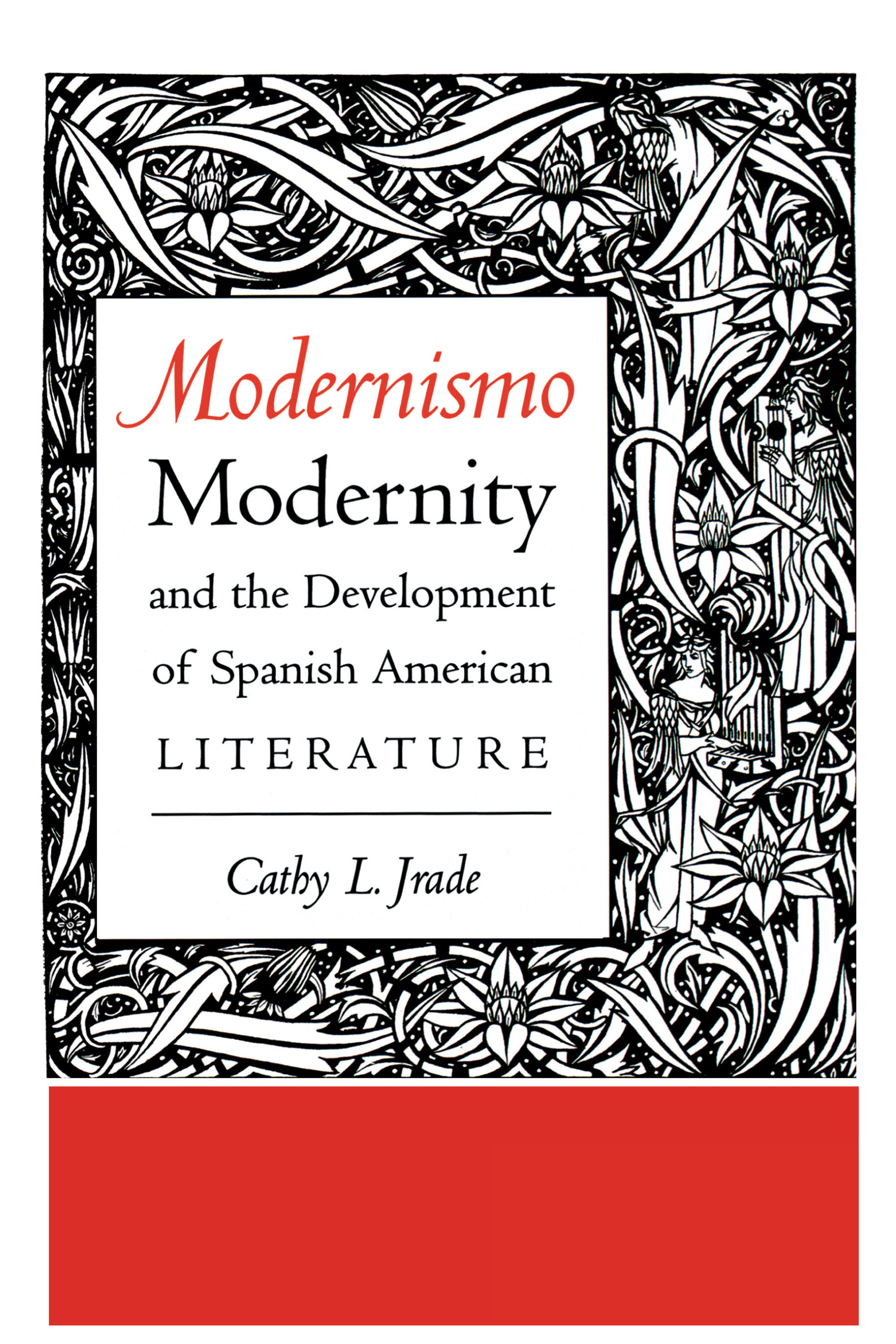
Modernismo, Modernity and the Development of Spanish American Literature
Cathy L. Jrade · University of Texas Press
Affinity signal
Caribbean & Latin American Criticism
Iberian Lit Crit