

Book
Postcolonial Modernism
Art and Decolonization in Twentieth-century Nigeria
Chika Okeke-Agulu
Duke University Press · Print & ebook · March 2, 2015
Reading lane: African Art History
Written by one of the foremost scholars of African art and featuring 129 color images, Postcolonial Modernism chronicles the emergence of artistic modernism in Nigeria in the heady years surrounding political independence in 1960, before the outbreak of civil war in 1967.
At a Glance
Who It's For
Book Details
- Authors
- Chika Okeke-Agulu
- Publisher
- Duke University Press
- Published
- March 2, 2015
- Format
- Print & ebook
- Theme
- African Art History · West African History
- Reading lane
- African Art History
Affinity
Publisher Categories
Art Criticism & Ideas
African Art History
Contemporary Art History (1945-)
About This Book
Written by one of the foremost scholars of African art and featuring 129 color images, Postcolonial Modernism chronicles the emergence of artistic modernism in Nigeria in the heady years surrounding political independence in 1960, before the outbreak of civil war in 1967. Chika Okeke-Agulu traces the artistic, intellectual, and critical networks in several Nigerian cities. Zaria is particularly important, because it was there, at the Nigerian College of Arts, Science and Tec...
Read full description
Similar Books

African Art and the Colonial Encounter
Stith Thompson, Sidney Littlefield Kasfir · Indiana University Press
Affinity signal
African Art History
West African History
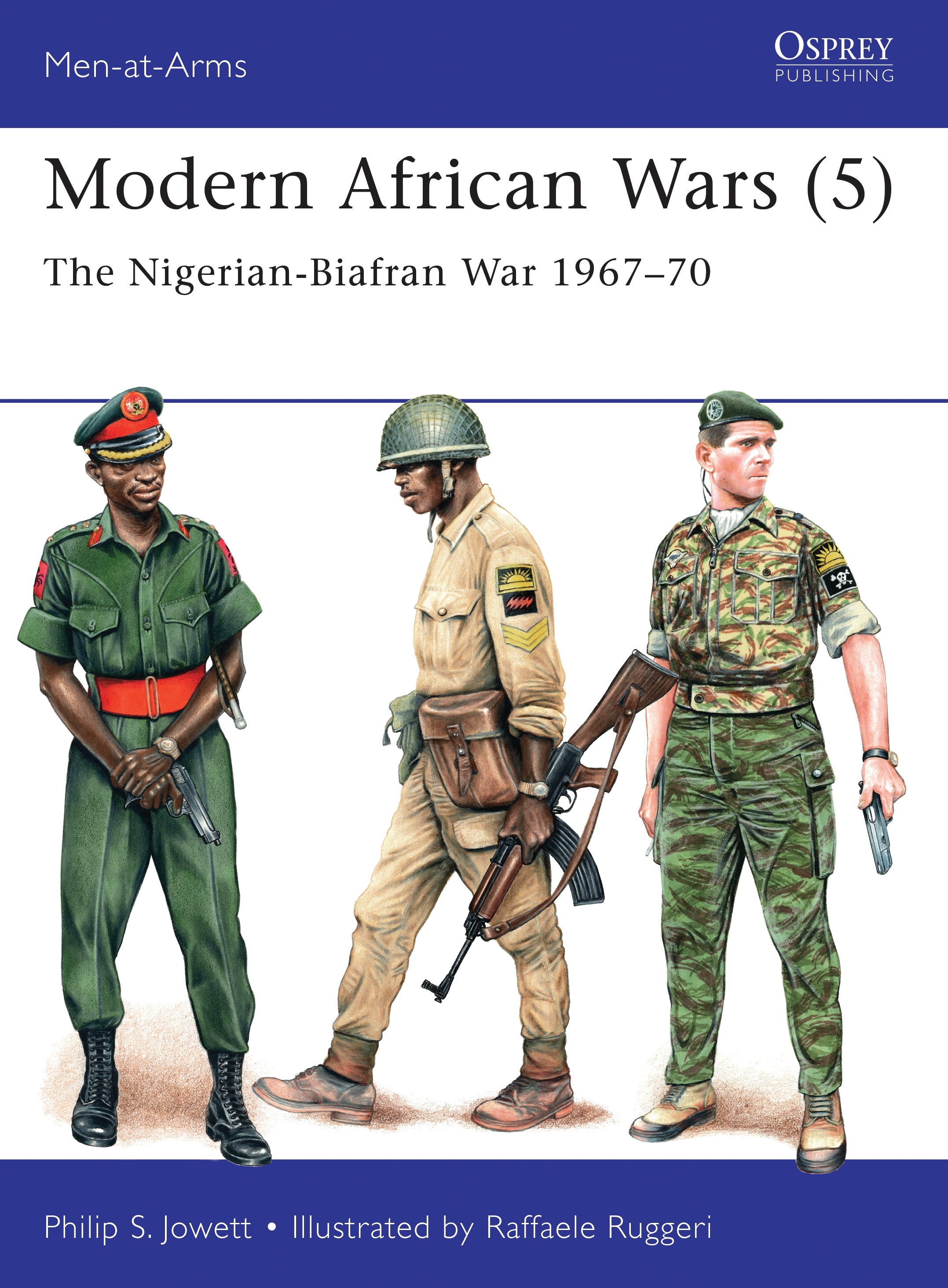
Modern African Wars (5)
Philip Jowett, Raffaele Ruggeri · Osprey
Affinity signal
Other Military Conflicts
Military Uniforms

The Art of Conversion
Cécile Fromont · Omohundro Institute and UNC Press
Affinity signal
African Art History
West African History
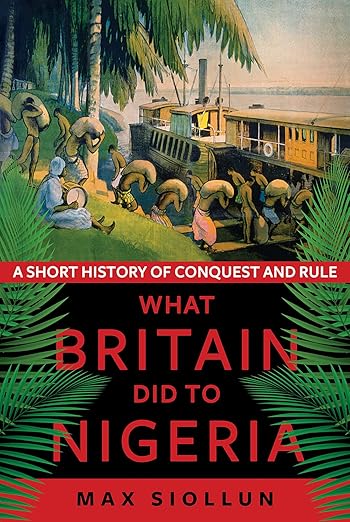
What Britain Did to Nigeria
Max Siollun · Oxford University Press
Affinity signal
West African History
East African History