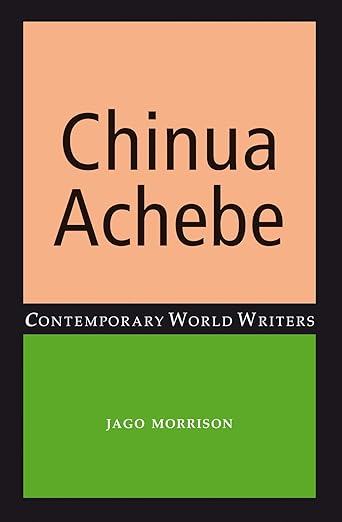
Chinua Achebe
1st Edition, Kindle Edition
Manchester University Press · Ebook · March 16, 2017
We earn from qualifying purchases.
- Who it’s for
- Jago Morrison reassesses Achebe’s work across his writing, broadcasting, editing, and political thought.
- Genres
- African Lit Crit, Writers' Lives, Colonialism & Its Aftermath
- Published
- Manchester University Press, March 16, 2017
Nearest books
Matched by what the books are about, then ordered by what their readers also loved.
 Things Fall ApartChinua Achebe71% match
 There Was a CountryChinua Achebe69% match
 Literature of AfricaDouglas Killam, G.D. Killam56% matchShares African Lit Crit and Colonialism & Its Aftermath
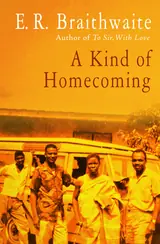 A Kind of HomecomingE. R. Braithwaite52% match
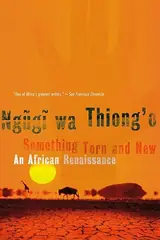 Something Torn and NewNgugi Ngugi Wa Thiong'o, Ngũgĩ wa Thiong'o52% matchShares African Lit Crit and Colonialism & Its Aftermath
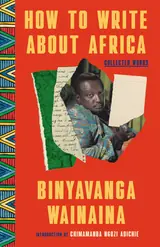 How to Write About AfricaBinyavanga Wainaina, Achal Prabhala51% match
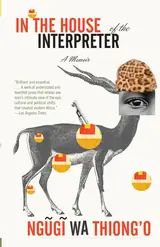 In the House of the InterpreterNgugi wa Thiong'o51% matchShares Writers' Lives and Colonialism & Its Aftermath
For younger readers: Chike and the River, I Am the Mau and Other Stories, Ajeemah and His Son
Start with three books, and this one can be the first.
Members get a new edition every morning: a route out from their books to essays, research and talks, with the reason for each.
Join the waitlistAbout this book
Chinua Achebe has long been regarded as Africa’s foremost writer. In this major new study, Jago Morrison offers a comprehensive reassessment of his work as an author, broadcaster, editor and political thinker.
Continue reading
With new, historically contextualised readings of all of his major works, this is the first study to view Achebe’s oeuvre in its entirety, from Things Fall Apart and the early novels, through the revolutionary Ahiara Declaration – previously attributed to Emeka Ojukwu – to the revealing final works The Education of a British Educated Child and There Was a Country. Contesting previous interpretations which align Achebe too easily with this or that nationalist programme, the book reveals Achebe as a much more troubled figure than critics have habitually assumed. Authoritative and wide-ranging, this book will be essential reading for scholars and students of Achebe’s work in the twenty-first century.
Achebe Across Roles
Jago Morrison reassesses Achebe’s work across his writing, broadcasting, editing, and political thought.
Come here for
- Historically contextualised readings of Achebe’s major works
- Achebe’s roles as author, broadcaster, editor, and political thinker
Expect
- Readings from Things Fall Apart through Achebe’s final works
- A challenge to interpretations that align Achebe with a single nationalist programme
Where it sits
| African Lit Crit | 94% |
|---|---|
| Writers' Lives | 51% |
| Colonialism & Its Aftermath | 37% |
Percentages are BookFrontier’s reading of the book.
Publisher categories
- African Lit Crit
- Ethnic Studies
- Authors
- Jago Morrison
- Publisher
- Manchester University Press
- Published
- March 16, 2017
- Format
- Ebook
- Reading lane
- African Lit Crit