
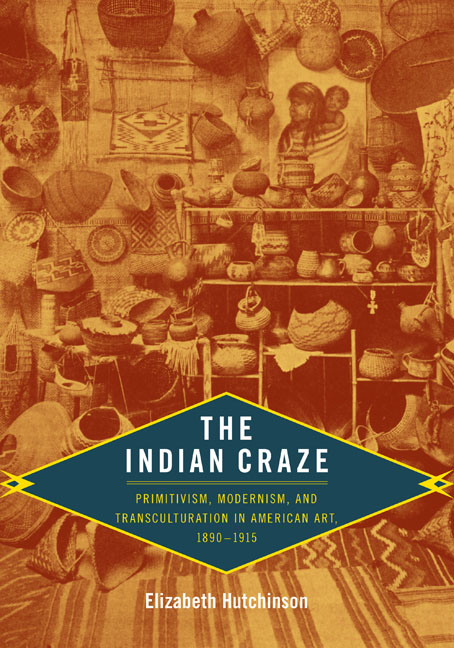
Book
The Indian Craze
Primitivism, Modernism, and Transculturation in American Art, 1890-1915
Elizabeth Hutchinson, Nicholas Thomas
Duke University Press · Print & ebook · March 23, 2009
Reading lane: Native American Literary Criticism
In the early twentieth century, Native American baskets, blankets, and bowls could be purchased from department stores, “Indian stores,” dealers, and the U.S.
Disclosure: Some outbound links are affiliate links. If you buy through them, we may earn a commission. It doesn't affect which books we include. Learn more in our disclosure policy.
At a Glance
Who It's For
Book Details
- Authors
- Elizabeth Hutchinson, Nicholas Thomas
- Publisher
- Duke University Press
- Published
- March 23, 2009
- Format
- Print & ebook
- Theme
- Native American Literary Criticism · African Art History
- Reading lane
- Native American Literary Criticism
Affinity
Publisher Categories
Art
20th‑Century America
Native American Studies
About This Book
In the early twentieth century, Native American baskets, blankets, and bowls could be purchased from department stores, “Indian stores,” dealers, and the U.S. government’s Indian schools. Men and women across the United States indulged in a widespread passion for collecting Native American art, which they displayed in domestic nooks called “Indian corners.” Elizabeth Hutchinson identifies this collecting as part of a larger “Indian craze” and links it to other activities suc...
Read full description
Similar Books
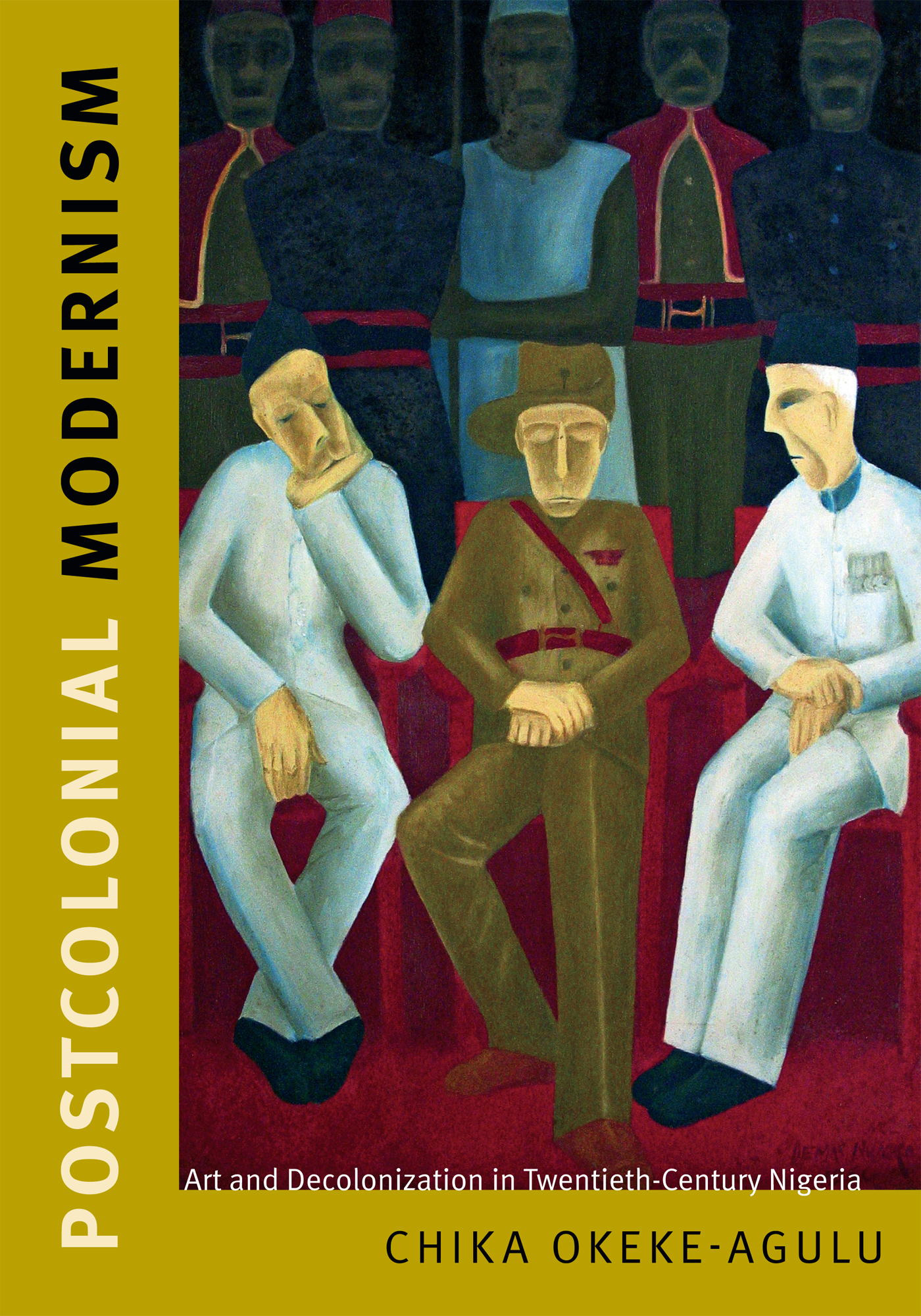
Postcolonial Modernism
Chika Okeke-Agulu · Duke University Press
Shared affinity
Native American Literary Criticism
African Art and the Colonial Encounter
Stith Thompson, Sidney Littlefield Kasfir · Indiana University Press
Shared affinity
Native American Literary Criticism

The African Imagination
F. Abiola Irele · Oxford University Press
Shared affinity
Native American Literary Criticism
ALT 33 Children's Literature & Story-telling
Ernest N Emenyonu · Boydell & Brewer Inc.
Shared affinity
Native American Literary Criticism