

Book
National Abjection
The Asian American Body Onstage
Karen Shimakawa
Duke University Press · Print & ebook · December 5, 2002
Reading lane: Asian American Lit Crit
At a Glance
Who It's For
Book Details
- Authors
- Karen Shimakawa
- Publisher
- Duke University Press
- Published
- December 5, 2002
- Format
- Print & ebook
- Theme
- Asian American Lit Crit · Theater History & Criticism
- Reading lane
- Asian American Lit Crit
Affinity
Publisher Categories
Asian American Lit Crit
Drama Criticism
Asian American Studies
About This Book
National Abjection explores the vexed relationship between "Asian Americanness" and "Americanness” through a focus on drama and performance art. Karen Shimakawa argues that the forms of Asian Americanness that appear in U.S. culture are a function of national abjection—a process that demands that Americanness be defined by the exclusion of Asian Americans, who are either cast as symbolic foreigners incapable of integration or Americanization or distorted into an “honorary” w...
Read full description
Similar Books

Inhuman Citizenship
Juliana Chang · University of Minnesota Press
Affinity signal
Asian American Lit Crit
Race & Culture in Literature

Inscrutable Belongings
Stephen Hong Sohn · Stanford University Press
Affinity signal
Asian American Lit Crit
Queer Literary Criticism
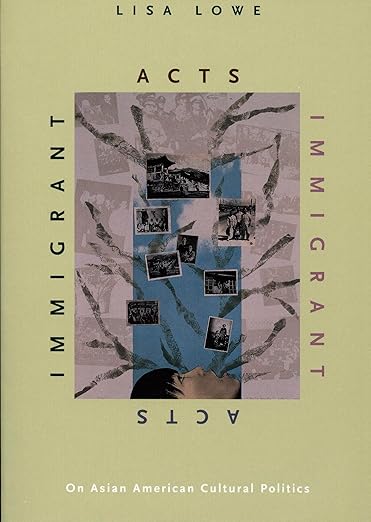
Immigrant Acts
Lisa Lowe · Duke University Press
Affinity signal
Asian American Lit Crit
Race & Culture in Literature

Transpacific Imaginations
Yunte Huang · WW Norton
Affinity signal
Asian American Lit Crit
Chinese Literary Criticism
Asian American Literature
Jinqi Ling · Bloomsbury Academic
Affinity signal
Creative Writing

The Gate of Memory
Brynn Saito, Brandon Shimoda · Haymarket Books
Affinity signal
Asian American Poetry
Political & Protest Poetry
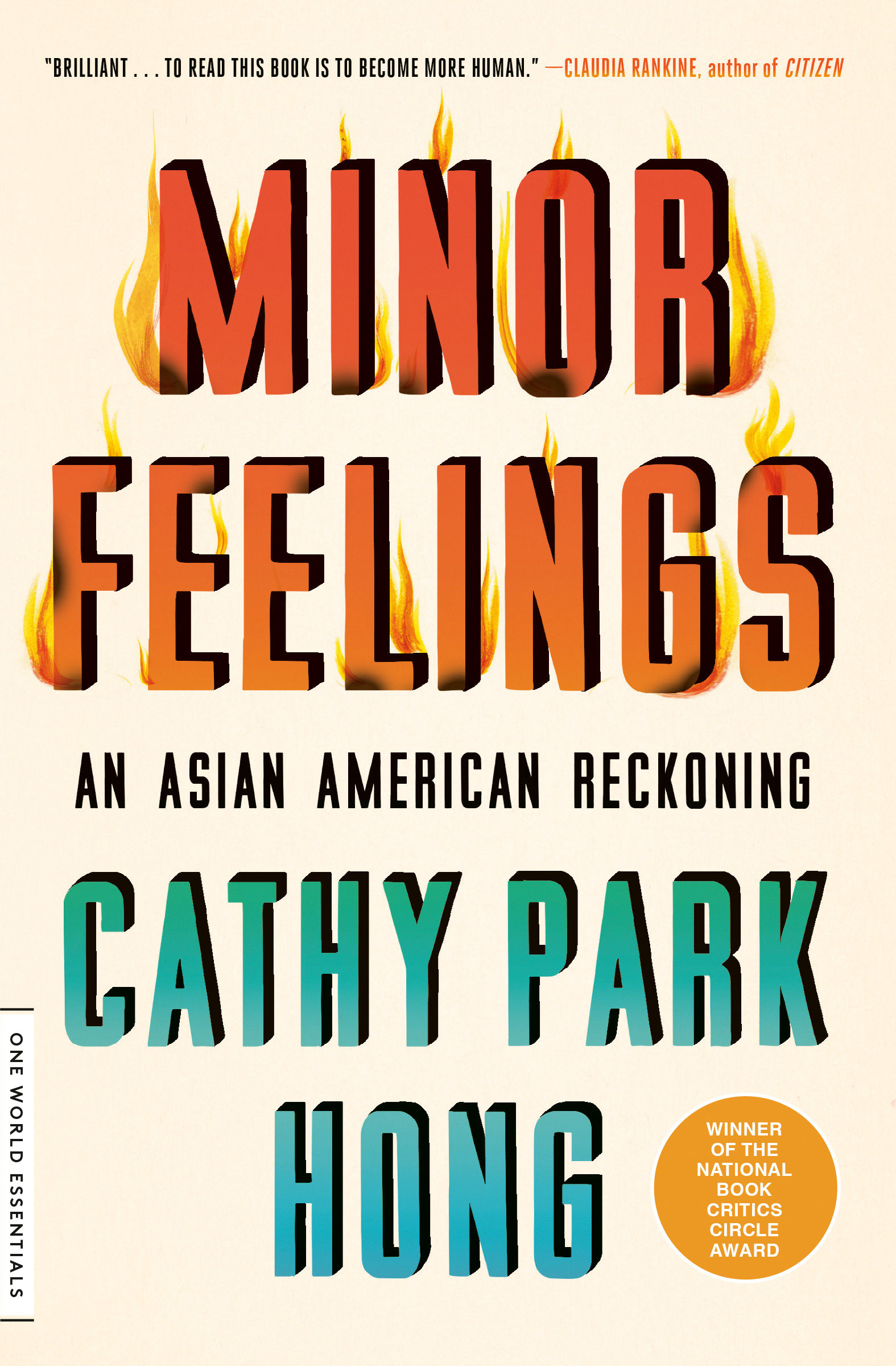
Minor Feelings
Cathy Park Hong · Random House Publishing Group
Affinity signal
Asian & Asian American Lives
Asian American Lit Crit

The Unknown Great
Greg Robinson · University of Washington Press
Affinity signal
Asian & Asian American Lives
Asian American Lit Crit